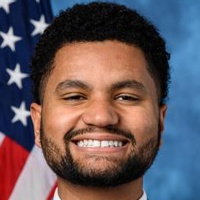
Legislative Activity
Track Maxwell's sponsored bills, co-sponsored legislation, and voting record
This Act establishes increased federal research, public education, and provider information dissemination regarding uterine fibroids, with a focus on addressing racial disparities and non-hysterectomy treatment options.
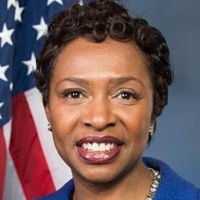
Yvette Clarke
Representative
NY
Yvette Clarke
Representative
NY
The Stephanie Tubbs Jones Uterine Fibroid Research and Education Act of 2025 aims to significantly increase federal research, public education, and provider awareness regarding uterine fibroids. The bill mandates expanded research coordination across federal agencies and authorizes funding to study the condition, which disproportionately affects minority women. It also requires the creation of public awareness campaigns detailing non-hysterectomy treatment options and mandates data collection on Medicaid/CHIP spending for fibroid treatments.
This Act establishes a USGS program to study sinkhole causes, create and update risk maps using specific elevation data, and provide this information on a public website for community planners.
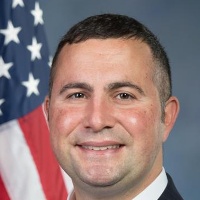
Darren Soto
Representative
FL
Darren Soto
Representative
FL
The Sinkhole Mapping Act of 2025 establishes a new, federally funded program within the USGS to study the causes of sinkholes. This program is mandated to create and regularly update detailed sinkhole hazard risk maps using specific elevation data. The resulting maps and related information must be made publicly available on a dedicated website to assist community planners and emergency managers.
This resolution formally recognizes the significant and persistent wage gap disproportionately affecting Black women in the United States.
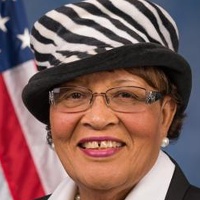
Alma Adams
Representative
NC
Alma Adams
Representative
NC
This resolution formally recognizes the significant and persistent wage disparity faced by Black women in the United States. It highlights that despite existing equal pay laws, Black women earn substantially less than their male counterparts, leading to massive lifetime earnings losses. Congress uses this measure to emphasize the urgent need to address both racial and gender discrimination to achieve true pay equity.
This resolution expresses support for designating July 10th as Journeyman Lineworkers Recognition Day to honor the dangerous and essential service provided by these workers, especially during crises.
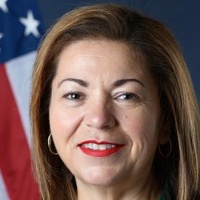
Linda Sánchez
Representative
CA
Linda Sánchez
Representative
CA
This resolution expresses support for designating July 10th as Journeyman Lineworkers Recognition Day. It honors the essential and dangerous work performed by these skilled professionals, especially their heroic efforts in restoring power after major disasters. The day serves to recognize their service and remember those who have lost their lives performing this vital work.
This bill prohibits executive branch personnel from using physical force or detention against a Member of Congress conducting official oversight activities on federally controlled property, provided the Member is not posing an immediate physical danger.
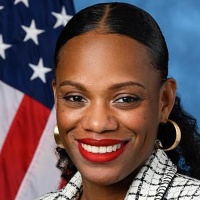
Summer Lee
Representative
PA
Summer Lee
Representative
PA
The Congressional Oversight Access Act prohibits federal employees from using physical force or detaining a Member of Congress who is conducting official oversight activities on federally controlled property. This protection applies when the Member identifies themselves and is not posing a clear and immediate physical danger. The Act ensures Congress can monitor federal operations while still respecting necessary security screenings.
This bill establishes a grant program to help high-need school districts hire, retain, and diversify mental health professionals to expand student access to services.
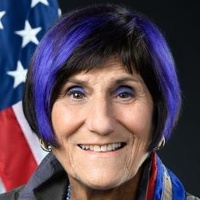
Rosa DeLauro
Representative
CT
Rosa DeLauro
Representative
CT
The Expanding Access to Mental Health Services in Schools Act of 2025 establishes a new federal grant program to increase the number of mental health professionals in high-need school districts. This funding is specifically designed to help eligible agencies recruit, hire, and retain school counselors, psychologists, and social workers. Grantees must demonstrate a plan to improve student-to-provider ratios and report annually on staffing improvements and provider retention.
This act expands the mandatory reporting requirement for Federal Firearm Licensees to include the sale of any two or more firearms in a single transaction.
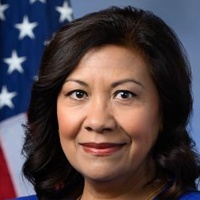
Norma Torres
Representative
CA
Norma Torres
Representative
CA
The Multiple Firearm Sales Reporting Modernization Act of 2025 expands the mandatory reporting requirements for Federal Firearm Licensees (FFLs). This bill mandates that FFLs must now report the sale of any two or more firearms, regardless of type, in a single transaction or over a short period. This change significantly broadens the scope of transactions tracked by the ATF.
This Act provides immediate, substantial financial compensation to the last living survivors of the 1921 Tulsa Race Massacre for over a century of unaddressed federal inaction and injustice.
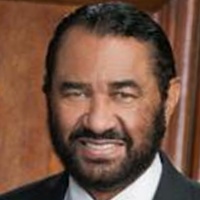
Al Green
Representative
TX
Al Green
Representative
TX
This Act establishes direct federal compensation for the few remaining survivors of the 1921 Tulsa Race Massacre. It mandates a substantial payment of over \$20 million to each living survivor as compensation for over a century of unaddressed injustice. Receiving this payment will finalize all related claims against the United States government.
The AMMO Act establishes federal licensing, recordkeeping, straw purchase prohibitions, bulk sale restrictions, and mandatory background checks for the sale and transfer of ammunition by licensed dealers.
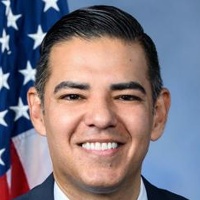
Robert Garcia
Representative
CA
Robert Garcia
Representative
CA
The AMMO Act modernizes federal oversight of ammunition by requiring federal licenses for all ammunition dealers and mandating background checks through NICS for transfers by licensed sellers to non-licensees. The bill also prohibits straw purchases of ammunition and establishes new federal limits on bulk ammunition sales, requiring recordkeeping and reporting for these transactions. These provisions will take effect 120 days after the date of enactment.
This Act prohibits the use of Medicaid funding for any paid service aimed at changing an individual's sexual orientation or gender identity.
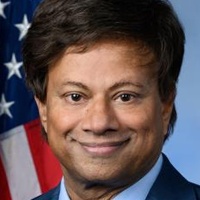
Shri Thanedar
Representative
MI
Shri Thanedar
Representative
MI
This bill, the Prohibition of Medicaid Funding for Conversion Therapy Act, prohibits Medicaid plans from using federal funds to pay for conversion therapy services. Conversion therapy is defined as any paid practice aimed at changing an individual's sexual orientation or gender identity. This legislation ensures that taxpayer dollars do not support efforts to alter a person's core identity.
The Housing not Handcuffs Act of 2025 prohibits federal penalties against homeless individuals for life-sustaining activities on public land unless a strictly defined, adequate indoor alternative is available.
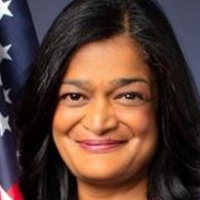
Pramila Jayapal
Representative
WA
Pramila Jayapal
Representative
WA
The Housing not Handcuffs Act of 2025 prohibits federal agencies from penalizing individuals experiencing homelessness for engaging in necessary life-sustaining activities on public land. This protection applies unless a strictly defined, fully accommodating indoor alternative space is available. The Act establishes a "necessity defense" in court for survival-related infractions and allows individuals to sue to enforce these new rights.
The Equal Dignity for Married Taxpayers Act updates the Internal Revenue Code by replacing gendered language with gender-neutral terms to ensure consistent and equal application of tax laws for all legally married couples.
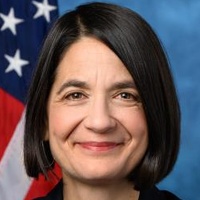
Becca Balint
Representative
VT
Becca Balint
Representative
VT
The Equal Dignity for Married Taxpayers Act modernizes the Internal Revenue Code by replacing gendered language with gender-neutral terms for all legally married couples. This sweeping update ensures consistency across tax rules regarding filing status, deductions, and credits, regardless of the spouses' genders. The bill clarifies that married couples are often treated as a single entity for specific tax purposes. Ultimately, this legislation updates terminology to reflect equal dignity for all married taxpayers.
This bill establishes an Office of LGBTQI Inclusion within the Administration on Aging, mandates data collection on discrimination, and ensures services under the Older Americans Act are accessible and culturally competent for LGBTQI older adults.
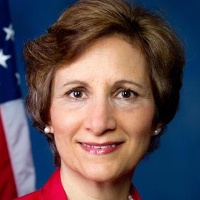
Suzanne Bonamici
Representative
OR
Suzanne Bonamici
Representative
OR
The Ruthie and Connie LGBTQI Elder Americans Act of 2025 aims to improve services and support for older adults who identify as LGBTQI. This bill establishes a new Office of LGBTQI Inclusion within the Administration on Aging and mandates the creation of a National Resource Center on LGBTQI Aging. Furthermore, it updates definitions, ensures eligibility for federal grants, and requires specific data collection on discrimination faced by this population in aging services.
This resolution officially recognizes and celebrates the history, contributions, and ongoing importance of Caribbean Americans to the United States.
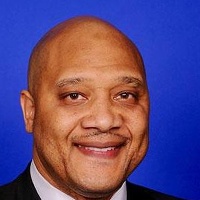
André Carson
Representative
IN
André Carson
Representative
IN
This resolution formally recognizes and celebrates the history, culture, and significant contributions of Caribbean Americans to the United States. It highlights the deep roots and ongoing influence of the Caribbean diaspora across all sectors of American life. The bill encourages the nation to observe National Caribbean American Heritage Month and affirms that this diversity enriches the country.
The PRIDE Act of 2025 extends the deadline for certain married couples to file joint tax returns based on past marriage recognition and updates the Internal Revenue Code with gender-neutral language for all married individuals.
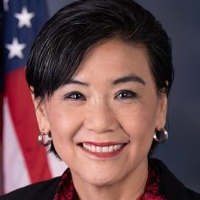
Judy Chu
Representative
CA
Judy Chu
Representative
CA
The PRIDE Act of 2025 aims to update the Internal Revenue Code to ensure equal treatment and inclusive language for all married couples. It extends the deadline for certain legally married couples to file amended joint tax returns following past recognition changes. Furthermore, the bill systematically replaces gendered terms like "husband," "wife," and "his" with gender-neutral language such as "spouse" and "individual" across numerous tax provisions. These changes ensure consistent, equitable application of tax law regardless of gender identity.
This Act prohibits the use of "panic defenses" in federal court that attempt to excuse or mitigate crimes based on a victim's sexual orientation or gender identity.
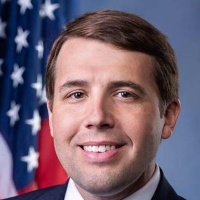
Chris Pappas
Representative
NH
Chris Pappas
Representative
NH
The LGBTQ+ Panic Defense Prohibition Act of 2025 bans the use of "panic defenses" in federal court, which attempt to excuse or lessen a defendant's culpability for a crime based on the victim's sexual orientation or gender identity. This legislation recognizes that these outdated defenses rely on prejudice and undermine justice for LGBTQ+ individuals. The Act also requires the Attorney General to report annually on violent federal crimes motivated by bias against LGBTQ+ people.
The Safe Storage Saves Lives Act mandates that compatible gun locks be provided with every firearm transfer, clarifies secure storage definitions, and requires sellers to have compatible safety devices available for all firearms offered for sale.
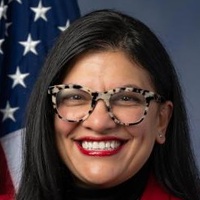
Rashida Tlaib
Representative
MI
Rashida Tlaib
Representative
MI
The Safe Storage Saves Lives Act expands federal requirements to ensure a compatible gun lock is provided with the sale of **every** firearm, not just handguns. It clarifies the definition of secure storage devices and mandates that sellers must have a compatible safety device available for every firearm offered for sale. Finally, the bill suggests that fines collected from violations should fund programs to distribute free or low-cost gun safety devices or public awareness campaigns.
This Act mandates that federal officers involved in border security or immigration enforcement must clearly display identification, wear visible uniforms or badges, and not conceal their faces during detentions or arrests.

Dan Goldman
Representative
NY
Dan Goldman
Representative
NY
The No Secret Police Act of 2025 mandates that federal officers engaged in border security or immigration enforcement must clearly display identification, wear visible badges or uniforms, and refrain from wearing face coverings during detentions or arrests. This ensures accountability by requiring clear identification from Department of Homeland Security (DHS) personnel. The bill also requires the Secretary of Homeland Security to report on current tactical gear policies and research methods to improve officer visibility.
The CONNECT for Health Act of 2025 permanently expands Medicare telehealth access by removing geographic restrictions, increasing practitioner flexibility, bolstering program integrity, and mandating supports for quality remote care delivery.
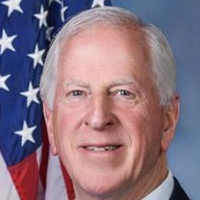
Mike Thompson
Representative
CA
Mike Thompson
Representative
CA
The CONNECT for Health Act of 2025 significantly expands and permanently secures access to Medicare telehealth services by eliminating outdated geographic restrictions and allowing more practitioners to offer remote care. The bill also strengthens program integrity by dedicating funds for telehealth oversight while clarifying rules around providing necessary technology to patients. Finally, it mandates the creation of tailored educational resources and public reporting to improve quality measurement and transparency in remote care delivery.
This resolution formally recognizes the history, achievements, and ongoing struggles of the LGBTQIA+ community while encouraging the celebration of Pride Month and affirming that LGBTQIA+ rights are human rights.
Al Green
Representative
TX
Al Green
Representative
TX
This resolution formally recognizes the history, achievements, and ongoing struggles of the LGBTQIA+ community in the United States. It serves as a declaration by Congress affirming that LGBTQIA+ rights are human rights and encouraging the celebration of Pride Month. The bill highlights key historical milestones, legal victories, and acknowledges the persistent challenges and violence faced by the community. Ultimately, it commits the U.S. to continuing the pursuit of full equality for all citizens.