
Legislative Activity
Track Lizzie's sponsored bills, co-sponsored legislation, and voting record
This act bans bump stocks and similar devices that increase the firing rate of semi-automatic firearms, requiring registration for any previously modified weapons.
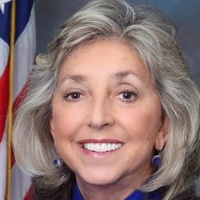
Dina Titus
Representative
NV
Dina Titus
Representative
NV
The Closing the Bump Stock Loophole Act of 2025 seeks to amend federal gun laws by banning devices and modifications that significantly increase the rate of fire of semiautomatic firearms, effectively treating them like machineguns. The bill specifically prohibits the manufacture, sale, or possession of such accessories and modified firearms after 120 days of enactment. Existing owners of previously modified firearms must register them under the National Firearms Act within that same timeframe to legally keep them.
The Gas-Operated Semi-Automatic Firearms Exclusion (GOSAFE) Act prohibits the manufacture, sale, and possession of certain gas-operated semi-automatic firearms and large-capacity ammunition feeding devices, while establishing a formal process for firearm determinations and funding buy-back programs.
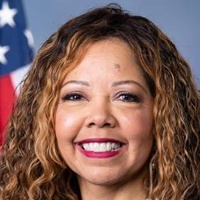
Lucy McBath
Representative
GA
Lucy McBath
Representative
GA
The Gas-Operated Semi-Automatic Firearms Exclusion Act (GOSAFE Act) prohibits the manufacture, sale, and possession of certain gas-operated semi-automatic firearms and large-capacity ammunition feeding devices (over 10 rounds). The bill establishes a formal process managed by the Attorney General and ATF to list prohibited firearms, while grandfathering existing possessions under strict transfer rules. Furthermore, it permits states to use federal Byrne grants for voluntary buy-back programs targeting these newly restricted items. Violations carry significant fines and potential prison sentences.
This Act establishes federal minimum standards for public employee collective bargaining rights, allowing states to maintain their own laws if they meet or exceed these standards, otherwise the Federal Labor Relations Authority will enforce federal rules.
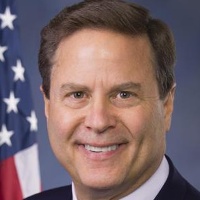
Donald Norcross
Representative
NJ
Donald Norcross
Representative
NJ
The Public Service Freedom to Negotiate Act of 2025 establishes federal minimum standards for collective bargaining rights for public employees across the nation. It requires the Federal Labor Relations Authority (FLRA) to review state laws to ensure they substantially provide these minimum rights, including the right to organize and bargain collectively. If a state fails to meet these standards, the FLRA will administer federal labor relations rules for the uncovered employees. The Act also prohibits strikes or lockouts that would measurably disrupt emergency or public safety services.
This Act allows employees to fully deduct union dues above the line and restores the itemized deduction for certain other job-related business expenses.
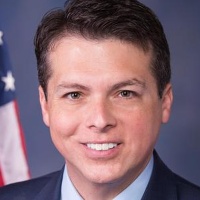
Brendan Boyle
Representative
PA
Brendan Boyle
Representative
PA
The Tax Fairness for Workers Act restores key federal tax deductions for employees, effective after 2024. This legislation makes union dues fully deductible "above the line," meaning they reduce Adjusted Gross Income without itemizing. Additionally, it allows itemizers to deduct certain other job-related business expenses that were previously limited.
The No Tax Breaks for Union Busting Act denies businesses tax deductions for expenses incurred while influencing employees regarding union organization and activities.
Donald Norcross
Representative
NJ
Donald Norcross
Representative
NJ
The No Tax Breaks for Union Busting (NTBUB) Act aims to disallow businesses from deducting federal income taxes for expenses incurred while attempting to influence employees regarding union organization or activities. This change is intended to stop companies from subsidizing anti-union campaigns through tax write-offs. The bill also establishes new, significant reporting requirements and penalties for businesses and third-party consultants who engage in these influence expenditures.
This Act overhauls federal firearm dealer regulations by mandating enhanced physical security, stricter inventory tracking, increased licensing fees, and new oversight for online firearm facilitators.
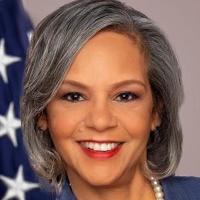
Robin Kelly
Representative
IL
Robin Kelly
Representative
IL
The Federal Firearm Licensee Act significantly overhauls federal regulation of gun dealers by mandating enhanced physical security, stricter inventory tracking, and increased record-keeping requirements. The bill repeals outdated restrictions on the ATF, increases licensing fees, and establishes new regulations for online firearm transfer facilitators. Furthermore, it strengthens enforcement by increasing penalties for compliance failures and mandating more frequent inspections for high-risk dealers.
This Act establishes a federal registration, inspection, and record-keeping system for entities commercially dealing in human bodies or body parts donated for education or research, but not for transplantation.

Gus Bilirakis
Representative
FL
Gus Bilirakis
Representative
FL
The Consensual Donation and Research Integrity Act of 2025 establishes a mandatory federal registration system for entities that sell human bodies or body parts for education or research, but not for transplantation. Registrants must provide detailed operational information, submit to inspections, and maintain rigorous records documenting donor consent and the chain of custody. The Act also mandates strict labeling, packaging, and privacy standards to ensure integrity throughout the process until final disposition.
The IDEA Full Funding Act establishes mandatory, increasing funding levels for the Individuals with Disabilities Education Act (IDEA) from 2026 through 2035, contingent upon offsetting budget cuts.
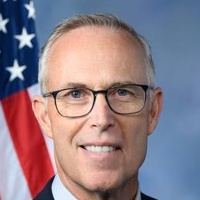
Jared Huffman
Representative
CA
Jared Huffman
Representative
CA
The IDEA Full Funding Act establishes mandatory, increasing funding levels for the Individuals with Disabilities Education Act (IDEA) programs through fiscal year 2035. This legislation sets specific appropriation targets based on student counts and national average spending to ensure greater financial support for special education services. Furthermore, the bill requires that these new IDEA appropriations adhere to "cut-as-you-go" budget offset rules.
This Act prohibits the State Department from implementing any reorganization without specific statutory authorization from Congress and the submission of a detailed plan outlining the impact of the changes.
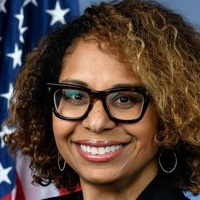
Sydney Kamlager-Dove
Representative
CA
Sydney Kamlager-Dove
Representative
CA
The Defending American Diplomacy Act prohibits the Secretary of State from implementing any reorganization of the State Department without specific statutory authorization from Congress and the submission of a detailed plan. This plan must thoroughly analyze the impact on foreign policy goals, operations, and personnel. If the Secretary proceeds without authorization, specific funding restrictions against the Department of Government Efficiency and official travel for high-level appointees will take effect.
This Act establishes a program, managed by the Librarian of Congress, to create and disseminate educational resources countering denial of the Armenian Genocide.
Dina Titus
Representative
NV
Dina Titus
Representative
NV
The Armenian Genocide Education Act establishes a program managed by the Librarian of Congress to develop and share educational resources combating denial of the 1915-1923 Armenian Genocide. This initiative will create online materials, train educators, and encourage the integration of accurate history into school curricula. The Act authorizes $2 million annually for five years to support these educational efforts aimed at promoting awareness and preventing future atrocities.
This Act mandates the Department of Labor to establish and enforce comprehensive workplace violence prevention standards for healthcare and social service workers, while also tying compliance to Medicare funding for certain facilities.
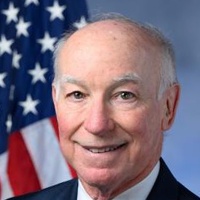
Joe Courtney
Representative
CT
Joe Courtney
Representative
CT
This Act mandates the Secretary of Labor to establish an interim and then a final standard requiring comprehensive workplace violence prevention plans for employers in the healthcare and social service sectors. These plans must be developed with employee input and detail risk assessments, hazard controls, reporting procedures, and annual training. Furthermore, the bill amends the Social Security Act to require Medicare-funded hospitals and skilled nursing facilities not covered by OSHA to comply with these new federal workplace violence prevention standards. The legislation also establishes clear definitions for workplace violence and includes strong anti-retaliation protections for employees who exercise their rights under the Act.
The COMPLETE Care Act increases Medicare payments to primary care providers for integrating behavioral health services between 2027 and 2029 and provides technical assistance to support these practices.
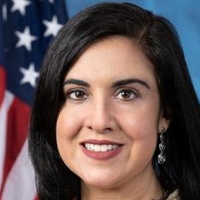
Nicole Malliotakis
Representative
NY
Nicole Malliotakis
Representative
NY
The COMPLETE Care Act aims to improve mental healthcare access by providing Medicare incentives for primary care providers to integrate behavioral health services into their practices between 2027 and 2029. This legislation offers increased Medicare payments for specific integrated services during those years, ensuring these bonuses do not trigger cuts elsewhere in the Medicare budget. Additionally, the bill mandates technical assistance to help primary care offices successfully adopt these new integrated care models.
The Hot Foods Act of 2025 lifts the general ban on purchasing ready-to-eat hot foods with SNAP benefits while imposing a sales cap on retailers that primarily sell such items.

Grace Meng
Representative
NY
Grace Meng
Representative
NY
The Hot Foods Act of 2025 removes the general federal ban on using Supplemental Nutrition Assistance Program (SNAP) benefits to purchase hot, ready-to-eat foods. This legislation clarifies that hot foods are now eligible for purchase with SNAP benefits, while also setting a new rule that limits SNAP-participating retailers to deriving no more than 50% of their gross sales from these ready-to-eat hot items. The act updates existing statutes to reflect this expanded purchasing power for recipients.
This resolution formally recognizes and supports the goals and ideals of the International Transgender Day of Visibility to honor the achievements and acknowledge the ongoing struggles of the transgender community.
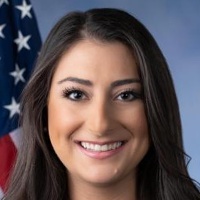
Sara Jacobs
Representative
CA
Sara Jacobs
Representative
CA
This resolution formally recognizes and celebrates the International Transgender Day of Visibility. Congress acknowledges the achievements of transgender individuals while highlighting the ongoing discrimination and violence they face. The resolution encourages appropriate ceremonies and activities to observe the day and celebrate the community's leadership and fight for equality.
This act eliminates the President's authority under Section 122 of the Trade Act of 1974 related to balancing international payments.
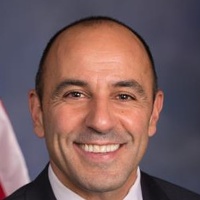
Jimmy Panetta
Representative
CA
Jimmy Panetta
Representative
CA
The Reclaim Trade Powers Act focuses on streamlining U.S. trade law by eliminating outdated presidential authority. Specifically, this bill repeals Section 122 of the Trade Act of 1974, which granted the President powers related to balancing international payments. This action reclaims and modernizes existing trade statutes.
This bill authorizes specific funding levels for the United States to support the United Nations Population Fund (UNFPA) in its global efforts to improve sexual and reproductive health, reduce maternal mortality, and combat gender-based violence.
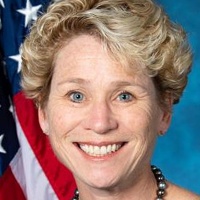
Chrissy Houlahan
Representative
PA
Chrissy Houlahan
Representative
PA
The Support UNFPA Funding Act authorizes specific funding levels for the United Nations Population Fund (UNFPA) for fiscal years 2026 and 2027. This legislation affirms that supporting UNFPA is in the U.S. strategic interest because it advances global health, reduces preventable maternal deaths, and combats gender-based violence. The bill emphasizes that UNFPA's work on voluntary family planning promotes stability and economic growth worldwide.
This bill repeals Section 338 of the Tariff Act of 1930, eliminating an outdated and unilateral tariff authority.
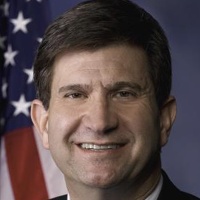
Bradley Schneider
Representative
IL
Bradley Schneider
Representative
IL
This bill, the Repealing Outdated and Unilateral Tariff Authorities Act, aims to modernize U.S. trade law by eliminating outdated provisions. Specifically, it repeals Section 338 of the Tariff Act of 1930. This action removes an old, unilateral tariff authority from the books.
This Act raises the minimum age for Federal Firearms Licensees to sell certain semiautomatic rifles and shotguns to 21, with exceptions for qualified individuals aged 18-20, and mandates an FBI report on its public access line operations.
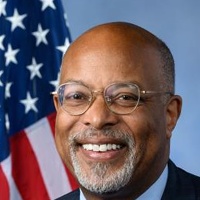
Glenn Ivey
Representative
MD
Glenn Ivey
Representative
MD
The Raise the Age Act of 2025 generally prohibits Federal Firearms Licensees from selling certain semiautomatic centerfire rifles or shotguns capable of holding magazines over five rounds to anyone under 21, with exceptions for qualified military or government personnel. The bill also maintains the existing minimum age of 18 for general firearm purchases, excluding the newly restricted categories. Finally, it mandates that the FBI Director report on the operational procedures of its public access line within 90 days of enactment.
The American Families United Act grants immigration judges and the Secretary of Homeland Security greater discretion to prevent the removal of family members of U.S. citizens when separation would cause hardship, while also allowing for the reopening of certain prior cases.
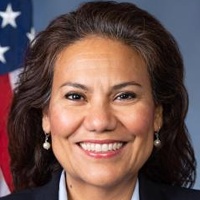
Veronica Escobar
Representative
TX
Veronica Escobar
Representative
TX
The American Families United Act grants immigration officials increased discretion to halt removal proceedings or grant immigration benefits for family members of U.S. citizens when separation would cause hardship. This discretion is presumed to be met if the action results in family separation, though certain serious criminal grounds remain disqualifying. The Act also allows individuals to file motions to reopen or reconsider past immigration decisions if the outcome would have been different under these new provisions, subject to a two-year filing deadline.
The Paycheck Fairness Act strengthens equal pay enforcement by tightening defenses against pay discrimination, expanding protections against retaliation, increasing penalties for violations, and requiring comprehensive data collection and training initiatives.

Rosa DeLauro
Representative
CT
Rosa DeLauro
Representative
CT
The Paycheck Fairness Act significantly strengthens federal equal pay protections by broadening definitions of sex discrimination, tightening employer defenses against pay disparities, and increasing penalties for violations. It also prohibits employers from using salary history in hiring decisions and mandates new data collection by the EEOC to better enforce anti-discrimination laws. Furthermore, the bill establishes new training and outreach programs to combat systemic wage bias.