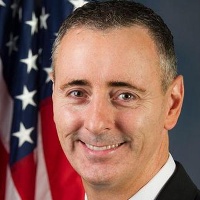
Legislative Activity
Track Brian's sponsored bills, co-sponsored legislation, and voting record
This bill reauthorizes the Accelerating Access to Critical Therapies for ALS Act through 2031 while enhancing grant oversight, safety reporting requirements, and FDA strategic planning for rare neurodegenerative diseases.

Mike Quigley
Representative
IL
Mike Quigley
Representative
IL
The Accelerating Access to Critical Therapies for ALS Reauthorization Act of 2026 extends vital funding for ALS research and clinical trial programs through 2031. This legislation strengthens oversight by enhancing grant review processes, improving safety reporting requirements, and mandating a comprehensive five-year FDA action plan to accelerate the development of treatments for rare neurodegenerative diseases.
The Public Safety Officers’ Benefits Enhancement Act of 2026 simplifies the claims process for survivors by expanding the qualifying window for heart-related duty deaths and removing barriers to benefit eligibility.
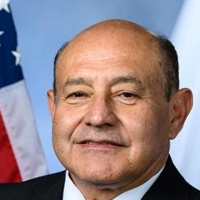
J. Correa
Representative
CA
J. Correa
Representative
CA
The Public Safety Officers’ Benefits Enhancement Act of 2026 simplifies the process for survivors to receive death benefits following an officer's heart attack or stroke. It removes barriers by eliminating the use of pre-existing health conditions as a basis for claim denial and extends the qualifying window for duty-related events from 24 to 72 hours. These changes ensure that families receive support more efficiently by strengthening the presumption that such medical events are connected to an officer's service.
This bill authorizes a seven-year grant program for the National Law Enforcement Officers Memorial Fund to support the National Law Enforcement Museum’s educational, community outreach, and officer wellness initiatives.
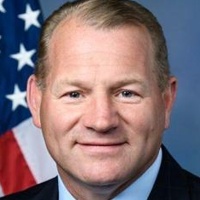
Troy Nehls
Representative
TX
Troy Nehls
Representative
TX
The National Law Enforcement Officers Remembrance, Support, and Community Outreach Act authorizes $6 million in annual grants over seven years to the National Law Enforcement Officers Memorial Fund. These funds will support the National Law Enforcement Museum’s public education, community outreach, and officer safety and wellness programs. As a condition of the grant, the museum must provide free admission to law enforcement officers and their families, as well as dedicated free hours for the general public.
The C.A.R.E. for Mental Health Professionals Act establishes a grant program to support interstate compacts that facilitate the recognition of mental health professional licenses across state lines.
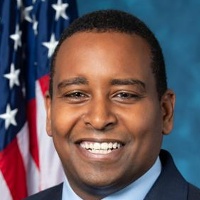
Joe Neguse
Representative
CO
Joe Neguse
Representative
CO
The C.A.R.E. for Mental Health Professionals Act establishes a federal grant program to support interstate compacts that allow mental health professionals to practice across state lines. By facilitating the mutual recognition of licenses, this legislation aims to expand the mental health workforce and improve access to care nationwide.
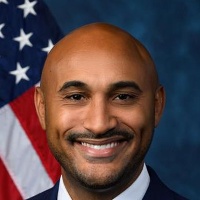
The Tuskegee Airmen Memorial Act of 2026 authorizes the establishment of a privately funded commemorative work in Washington, D.C., to honor the Tuskegee Airmen of World War II.
Shomari Figures
Representative
AL
Shomari Figures
Representative
AL
The Tuskegee Airmen Memorial Act of 2026 authorizes Tuskegee Airmen, Inc. to establish a commemorative work on federal land in Washington, D.C., to honor the original Tuskegee Airmen of World War II. The project will be funded entirely through private donations, with no federal funds permitted for its construction or maintenance.
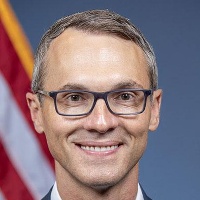
This bill directs the Government Accountability Office to conduct a comprehensive review of indoor air quality, ventilation, and HVAC performance across all federal facilities to ensure compliance with safety standards and improve building health.
James Walkinshaw
Representative
VA
James Walkinshaw
Representative
VA
The Federal Facilities Indoor Air Quality Assessment Act directs the Government Accountability Office (GAO) to conduct a comprehensive review of indoor air quality, ventilation, and HVAC performance across all federal buildings. This assessment will evaluate agency compliance with industry standards, identify existing deficiencies, and examine the qualifications of personnel performing maintenance and installation. Following the report, agencies with identified issues must submit formal corrective action plans to Congress to ensure safer and more efficient building environments.
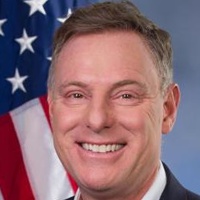
The Affordable Housing Incentives Act allows property owners to defer capital gains taxes when selling real estate to qualified organizations for the development or maintenance of long-term affordable housing.
Scott Peters
Representative
CA
Scott Peters
Representative
CA
The Affordable Housing Incentives Act encourages the development of affordable housing by allowing property owners to defer capital gains taxes on sales made to qualified housing operators. To qualify, properties must be subject to a 30-year binding affordability restriction and meet specific appraisal requirements. This legislation aims to increase the supply of affordable rental units and homeless shelters by providing tax relief to sellers who commit their land to these public purposes.
This bill mandates that the Department of Defense expand its data collection efforts to better track the costs and impacts of extreme weather and natural disasters on military installations.
James Walkinshaw
Representative
VA
James Walkinshaw
Representative
VA
The Military Installation Readiness and Resilience Act of 2026 mandates that the Department of Defense systematically track the costs and operational impacts of extreme weather and natural disasters on military facilities. By expanding current data collection efforts, this bill aims to improve the long-term resilience and readiness of military installations against environmental threats.
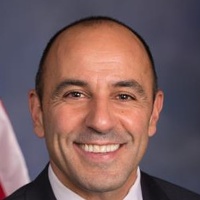
The "Combating Illicit Xylazine Act" aims to combat the misuse of xylazine by adding it to Schedule III of the Controlled Substances Act, tracking its distribution, and ensuring appropriate penalties for related offenses, while also protecting legitimate veterinary use.
Jimmy Panetta
Representative
CA
Jimmy Panetta
Representative
CA
The "Combating Illicit Xylazine Act" aims to combat the illegal use of xylazine by adding it to Schedule III of the Controlled Substances Act, which would allow for increased regulation and tracking of the substance. The bill includes exemptions and delayed effective dates for certain requirements to ease the transition for legitimate users, such as veterinarians and animal handlers. It also directs the Sentencing Commission to review sentencing guidelines for xylazine-related offenses and mandates reports to Congress on the prevalence and impact of illicit xylazine use. Finally, it will include xylazine in Arcos tracking.
Tyler's Law mandates a study and subsequent guidance on the routine testing for fentanyl in hospital emergency departments during overdose treatment.
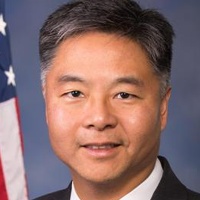
Ted Lieu
Representative
CA
Ted Lieu
Representative
CA
Tyler's Law mandates a comprehensive study by the Secretary of Health and Human Services on the frequency, cost, and impact of fentanyl testing in hospital emergency departments during overdose cases. Following the study, the Secretary must issue guidance on whether routine fentanyl testing should become standard practice for overdose patients. This guidance will also address staff training regarding existing drug test panels and the long-term health implications of such testing.
This bill establishes a federal standard requiring large industrial electricity customers to fully cover the costs of necessary utility infrastructure upgrades and provide financial assurances before construction begins.
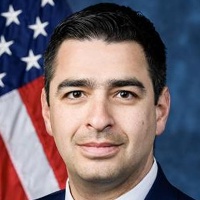
Gabe Evans
Representative
CO
Gabe Evans
Representative
CO
The Ratepayer Protection Act establishes a new federal standard requiring electric utilities to ensure large industrial customers (100 MW or more) fully cover the costs of necessary infrastructure upgrades. This mandates that large-load customers provide financial assurances before construction begins, protecting existing ratepayers from bearing the risk of future contract terminations. States must consider and adopt this standard within two years, unless they have already implemented similar requirements.
The 988 Lifeline Location Improvement Act of 2026 mandates federal studies and inquiries into the technical, legal, and privacy considerations of transmitting precise geolocation data for callers to the 988 Suicide and Crisis Lifeline.
Joe Neguse
Representative
CO
Joe Neguse
Representative
CO
The 988 Lifeline Location Improvement Act of 2026 mandates a formal inquiry by the FCC and a comprehensive study by the GAO to evaluate the feasibility of transmitting precise geolocation data during calls to the 988 Suicide and Crisis Lifeline. This legislation aims to improve emergency response times by identifying the technical, privacy, and funding requirements necessary to provide dispatchable location information to crisis centers.
The EARLY Act Reauthorization of 2025 extends breast health education for young women and modernizes the National Breast and Cervical Cancer Early Detection Program to improve screening access, equity, and funding through 2030.
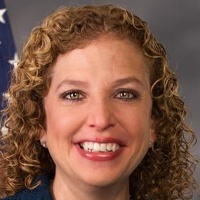
Debbie Wasserman Schultz
Representative
FL
Debbie Wasserman Schultz
Representative
FL
The EARLY Act Reauthorization of 2025 extends critical breast health education initiatives through 2031 and bolsters the National Breast and Cervical Cancer Early Detection Program. By streamlining grant requirements and increasing funding through 2030, this legislation aims to reduce health disparities, improve access to life-saving screenings, and enhance patient support services. Additionally, it mandates a GAO study to identify and address barriers to equitable cancer care.
The NIH IMPROVE Act directs the National Institutes of Health to fund and conduct research aimed at reducing maternal mortality and addressing health disparities for pregnant and postpartum women.

Lauren Underwood
Representative
IL
Lauren Underwood
Representative
IL
The NIH IMPROVE Act directs the National Institutes of Health to continue and expand research aimed at reducing preventable maternal deaths and severe pregnancy-related complications. By prioritizing health equity and community-based interventions, the initiative seeks to address the biological and behavioral factors contributing to maternal health disparities across the United States. The bill authorizes $63.4 million in annual funding from 2026 through 2030 to support these critical research efforts.
The AADAPT Act expands grant eligibility and funding to integrate dementia care services into health centers through 2031.
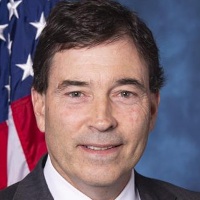
Troy Balderson
Representative
OH
Troy Balderson
Representative
OH
The AADAPT Act expands access to specialized dementia care by authorizing grants for public and nonprofit health centers to integrate these services into their programs. Additionally, the bill extends federal funding authorization through 2031 to ensure the continued growth and sustainability of these critical health outcomes.
This bill reauthorizes the C.W. Bill Young Cell Transplantation Program and the National Cord Blood Inventory through 2031 to ensure a high-quality, scientifically managed supply of stem cell units for patients in need.
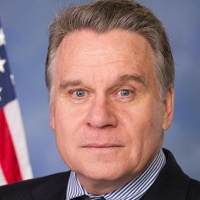
Christopher Smith
Representative
NJ
Christopher Smith
Representative
NJ
The Stem Cell Therapeutic and Research Reauthorization Act of 2025 extends critical funding and support for the C.W. Bill Young Cell Transplantation Program and the National Cord Blood Inventory through 2031. This legislation modernizes the management of cord blood supplies by prioritizing clinical utility, genetic diversity, and the use of the latest scientific standards. By streamlining inventory operations, the bill ensures that life-saving transplant resources remain accessible and effective for patients in need.
This bill reauthorizes and updates federal vector-borne disease initiatives and grant programs through 2030 to improve the prevention, identification, and response to tick-borne illnesses.
Christopher Smith
Representative
NJ
Christopher Smith
Representative
NJ
The Kay Hagan Tick Act reauthorization extends federal funding and support for vector-borne disease initiatives through 2030. This legislation updates national strategy requirements and enhances the capacity of regional centers and health departments to identify, prevent, and respond to tick-borne and other vector-borne illnesses.
The FDA Modernization Act 3.0 mandates updates to federal regulations to replace references to animal testing with broader "nonclinical" terminology and corrects technical errors in the Federal Food, Drug, and Cosmetic Act.
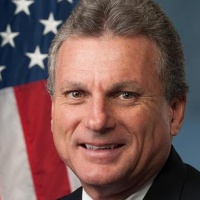
Earl Carter
Representative
GA
Earl Carter
Representative
GA
The FDA Modernization Act 3.0 directs the FDA to update federal regulations by replacing references to "animal testing" with the broader term "nonclinical tests." This update ensures regulatory consistency with modern testing standards and includes a technical correction to the Federal Food, Drug, and Cosmetic Act.
The HONOR Act denies foreign tax credits for taxes paid to the Russian Federation to restrict revenue flowing to the Russian government.
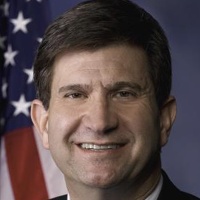
Bradley Schneider
Representative
IL
Bradley Schneider
Representative
IL
The HONOR Act denies foreign tax credits for taxes paid to the Russian Federation to restrict revenue flowing to the Russian government. This measure takes effect upon enactment and overrides existing treaty obligations, remaining in place until the United States resumes normal trade relations with Russia.
This bill mandates electronic prior authorization, increases transparency through required data reporting, and establishes faster decision timelines for Medicare Advantage plans to improve timely access to care for seniors.
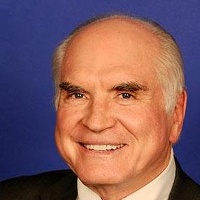
Mike Kelly
Representative
PA
Mike Kelly
Representative
PA
The Improving Seniors’ Timely Access to Care Act of 2025 aims to streamline and modernize the prior authorization process within Medicare Advantage plans. This bill mandates the adoption of electronic prior authorization systems and significantly increases transparency regarding approval rates and decision times starting in 2027. Furthermore, it establishes new enrollee protections and grants the Secretary authority to enforce faster decision timeframes for medical services.