Legislative Activity
Track Gabe's sponsored bills, co-sponsored legislation, and voting record
This bill directs the presentation of Congressional Gold Medals to the Artemis II crew members in recognition of their historic mission beyond low Earth orbit.
Don Bacon
Representative
NE
Don Bacon
Representative
NE
This bill directs the presentation of Congressional Gold Medals to the crew of the Artemis II mission to recognize their historic achievements in returning humans beyond low Earth orbit. The medals will honor the crew's role in setting new space exploration records and paving the way for future lunar and Mars missions. The Secretary of the Treasury is authorized to strike these medals and produce bronze duplicates for sale.
The SAFE VISITS Act requires the Department of Homeland Security to annually analyze and share threat information and guidance with state, local, Tribal, and territorial governments regarding visits by foreign nationals seeking access to their officials or resources.

Dan Goldman
Representative
NY
Dan Goldman
Representative
NY
The SAFE VISITS Act requires the Department of Homeland Security (DHS) to annually analyze and share information regarding potential threats posed by visiting foreign nationals seeking access to state, local, Tribal, and territorial government officials or facilities. Based on this analysis, DHS must provide guidance to these governments on mitigating security risks. Furthermore, DHS must proactively offer assistance and vetting support for identified high-risk targets.
This bill, the Hydropower Licensing Affordability Act, modernizes the hydropower licensing process by expanding the Federal Energy Regulatory Commission's authority to require mitigation measures for adverse effects on federal reservations and fish populations.
Cliff Bentz
Representative
OR
Cliff Bentz
Representative
OR
This bill, the Hydropower Licensing Affordability Act, modernizes the hydropower licensing process under the Federal Power Act. It expands the Federal Energy Regulatory Commission's authority to impose conditions on licenses to ensure hydropower projects reasonably mitigate direct adverse effects on federal reservations and local fish populations.
This bill, the GHOSTRUCK Act, authorizes motor carrier employees or agents in North America to edit or annotate electronic logging device records with the driver's approval.
W. Steube
Representative
FL
W. Steube
Representative
FL
This bill, the GHOSTRUCK Act, amends federal law to allow motor carrier employees or authorized agents to edit or annotate electronic logging device (ELD) records. These edits are permitted only if the person making the change is physically located in North America and the driver must approve the final annotation.
The COMPASS Act ensures educational continuity for military-connected students by standardizing homeschooling requirements during permanent relocations under the Servicemembers Civil Relief Act.
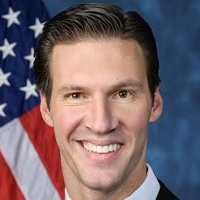
Pat Harrigan
Representative
NC
Pat Harrigan
Representative
NC
The COMPASS Act aims to ensure educational continuity for military-connected students during frequent relocations. It amends the Servicemembers Civil Relief Act to prevent conflicting state homeschooling requirements from penalizing military families moving due to a permanent change of station. Under this Act, military dependents educated at home will be considered compliant with the new state's homeschooling laws if they meet the requirements of either the departing or arriving state. This supports servicemember readiness by reducing administrative burdens associated with frequent moves.
This bill significantly expands federal immunity for firearm manufacturers and sellers by immediately dismissing existing lawsuits and establishing strict limitations and procedural hurdles for future civil liability claims.
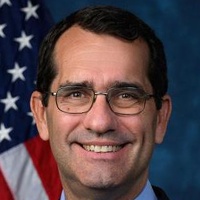
Derek Schmidt
Representative
KS
Derek Schmidt
Representative
KS
The Stopping Harmful and Outrageous Torts Act significantly expands legal immunity for firearm manufacturers, sellers, and trade associations by redefining terms within existing federal law. It mandates the immediate dismissal of pending lawsuits against these entities and establishes strict new standards for any exceptions that might apply. Furthermore, the bill preempts state and local laws that attempt to impose liability based on the criminal misuse of qualified products.
The ReCement Act streamlines regulations by excluding certain non-hazardous secondary materials used in cement manufacturing from the definition of solid waste.
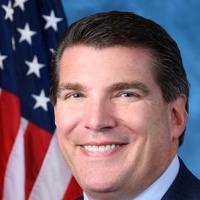
Jay Obernolte
Representative
CA
Jay Obernolte
Representative
CA
The ReCement Act reforms regulations to streamline the use of alternative fuels and raw materials in cement manufacturing. This is achieved by excluding specific, non-hazardous secondary materials from the definition of "solid waste" under federal law. This change allows cement producers to utilize these recovered resources more easily without triggering stringent solid waste regulations.
This bill strengthens U.S. access to critical minerals by authorizing international partnerships, establishing energy security compacts, and creating specialized State Department roles and workforce development programs to counter reliance on adversaries.
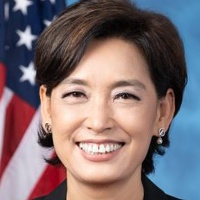
Young Kim
Representative
CA
Young Kim
Representative
CA
This bill strengthens U.S. access to critical minerals by authorizing international partnerships and agreements to build secure, transparent supply chains with allies. It establishes Energy Security Compacts to diversify energy and mineral sources while protecting American jobs and the environment. Finally, the legislation creates new leadership roles and exchange programs at the State Department to build a skilled domestic mining workforce and counter foreign leverage over essential resources.
This bill amends the Endangered Species Act to mandate the inclusion of state-collected data in federal decisions regarding the listing or delisting of threatened and endangered species.
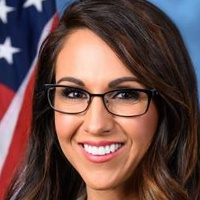
Lauren Boebert
Representative
CO
Lauren Boebert
Representative
CO
This bill, the "Local Data for Better Conservation Act," amends the Endangered Species Act to mandate that the Secretary must consider and incorporate data provided by state governments when making decisions about listing or delisting threatened and endangered species. This ensures state-level information is part of federal conservation determinations.
This bill amends the Immigration and Nationality Act to make noncitizens associated with criminal gangs inadmissible and deportable, while mandating their detention and restricting their eligibility for immigration relief.
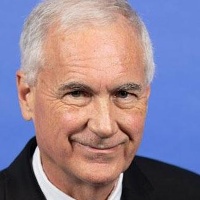
Tom McClintock
Representative
CA
Tom McClintock
Representative
CA
The Deport Alien Gang Members Act amends the Immigration and Nationality Act to establish new grounds for inadmissibility and deportability for noncitizens associated with criminal gangs. The bill authorizes the Secretary of Homeland Security to formally designate criminal organizations, mandates the detention of identified gang members, and restricts their eligibility for various forms of immigration relief.
This Act strengthens federal law against commercial sex trafficking of minors by expanding prohibited activities and removing common defenses for offenders.
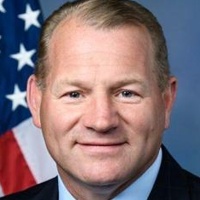
Troy Nehls
Representative
TX
Troy Nehls
Representative
TX
The Preventing Trafficking of Minors Act of 2026 strengthens federal laws against commercial sex with minors by expanding prohibited activities and removing common defenses for offenders. This legislation specifically eliminates the need to prove force, fraud, or coercion when the victim is under 18. Furthermore, it bars defendants from claiming ignorance of the victim's age, especially if they had the opportunity to observe the minor.
This Act mandates that law enforcement agencies receiving federal grants report felony animal cruelty convictions to the Attorney General, leading to a public database and prioritizing funding for those who comply.
W. Steube
Representative
FL
W. Steube
Representative
FL
The Law Enforcement Animal Safety and Harm Reporting Act of 2026 (LEASH Act) mandates that recipients of federal justice assistance grants must report felony animal cruelty convictions to the Attorney General. This data will be used to prioritize funding for local governments that submit this information, and a public database of these convictions must be established.
This bill establishes the Smithsonian American Women's History Museum, designates its site on the National Mall, and sets requirements for its mission, construction, and diverse representation of viewpoints.
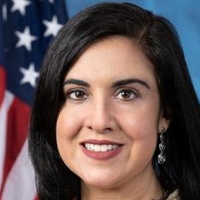
Nicole Malliotakis
Representative
NY
Nicole Malliotakis
Representative
NY
This act officially establishes the Smithsonian American Women’s History Museum and designates its location on the National Mall, requiring the transfer of land jurisdiction to the Smithsonian Institution. The museum is mandated to preserve and present the history and achievements of biological women in the United States. Furthermore, the legislation requires that exhibits and programs reflect diverse political viewpoints and authentic experiences of women, as guided by a broad array of knowledgeable sources.
This bill exempts small domestic oil and gas marginal wells from specific Clean Air Act performance standards and reporting requirements set by the EPA.
August Pfluger
Representative
TX
August Pfluger
Representative
TX
The Protect Domestic Oil and Gas Small Business Act of 2026 exempts small "marginal wells" from specific performance standards and reporting requirements set by the EPA under the Clean Air Act. This legislation aims to reduce regulatory burdens on these smaller oil and gas operations. The bill also mandates automatic approval for state plans that remove these standards for marginal wells.
This bill expands Medicare Part B coverage to reimburse for specific pharmacist services related to testing and treatment for certain public health threats, effective January 1, 2026.
Adrian Smith
Representative
NE
Adrian Smith
Representative
NE
The Ensuring Community Access to Pharmacist Services Act expands Medicare Part B coverage to include services provided by pharmacists starting January 1, 2026. This coverage is specifically for testing or treatment related to COVID-19, the flu, RSV, strep throat, or during a declared public health emergency. The bill outlines payment structures, generally covering 80% of the cost, and prohibits pharmacists from balance billing Medicare patients for these covered services.
This Act establishes a Strategic Bitcoin Reserve within the Treasury Department, mandates a 20-year holding period for qualifying forfeited Bitcoin, and requires transparent reporting on all federal digital asset holdings.
Nicholas Begich
Representative
AK
Nicholas Begich
Representative
AK
The American Reserve Modernization Act of 2026 establishes a **Strategic Bitcoin Reserve** and a **Digital Asset Stockpile** within the Department of the Treasury to modernize U.S. national assets. This legislation mandates the secure custody of qualifying forfeited Bitcoin for a minimum of 20 years while requiring transparent, quarterly proof-of-reserve reporting. Furthermore, it directs studies on budget-neutral acquisition methods and protects the private property rights of individuals regarding their digital assets.
This bill authorizes the minting and sale of commemorative gold and silver coins to honor the 25th anniversary of the September 11, 2001, terrorist attacks, with surcharges supporting the National September 11 Memorial and Museum.
Dan Goldman
Representative
NY
Dan Goldman
Representative
NY
This bill authorizes the Secretary of the Treasury to mint and issue commemorative gold and silver coins marking the 25th anniversary of the September 11, 2001, terrorist attacks. The coins will honor the victims, first responders, and survivors, with designs selected in consultation with the National September 11 Memorial and Museum. All surcharges from the sale of these coins will be paid directly to the Memorial and Museum to support its operations and maintenance.
This resolution designates specific dates to honor law enforcement officers killed in the line of duty and expresses support for all officers.
Michael Guest
Representative
MS
Michael Guest
Representative
MS
This resolution officially designates May 15, 2026, as Peace Officers Memorial Day and the week of May 10-16, 2026, as National Police Week. It honors the service and sacrifice of law enforcement officers killed in the line of duty, specifically recognizing 363 officers lost in 2025. The bill expresses unwavering support for law enforcement and acknowledges the need for proper resources to ensure officer safety.
The GUARD Act expands federal grant funding for state, local, and tribal law enforcement to investigate elder financial fraud, "pig butchering" scams, and general financial fraud, while also mandating comprehensive federal reports on scam trends and enforcement efforts.
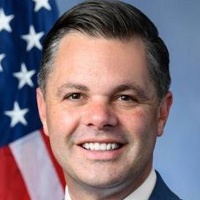
Zachary (Zach) Nunn
Representative
IA
Zachary (Zach) Nunn
Representative
IA
The GUARD Act expands the use of federal grant funds to help state, local, and tribal law enforcement investigate elder financial fraud, "pig butchering" scams, and general financial fraud. This legislation allows agencies to hire specialized staff, receive advanced training on emerging technologies, and acquire necessary investigative tools. Furthermore, the Act mandates comprehensive federal reports to Congress detailing the scope of these scams and the effectiveness of current enforcement efforts.
This bill establishes the Combating Organized Retail Crime Act of 2025 to enhance federal prosecution tools against organized retail and supply chain crime and create a DHS-led coordination center to align law enforcement efforts.
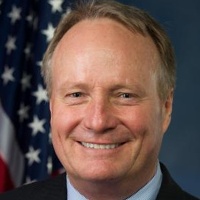
David Joyce
Representative
OH
David Joyce
Representative
OH
The Combating Organized Retail Crime Act of 2025 aims to combat sophisticated, cross-jurisdictional organized retail and supply chain theft. It achieves this by strengthening federal laws regarding money laundering and stolen property offenses, including lowering monetary thresholds for prosecution. Furthermore, the bill establishes a dedicated Center within the Department of Homeland Security to coordinate federal, state, and local enforcement efforts against these criminal organizations.