
Legislative Activity
Track Madeleine's sponsored bills, co-sponsored legislation, and voting record
This bill establishes sanctions against foreign individuals responsible for human rights violations against LGBTQI people and mandates enhanced tracking and reporting of such abuses in annual human rights reports.

Sarah McBride
Representative
DE
Sarah McBride
Representative
DE
The Global Respect Act aims to promote and protect the human rights of LGBTQI individuals worldwide. It mandates the President to identify and report foreign persons responsible for human rights violations against LGBTQI people, leading to their inadmissibility to the United States. Furthermore, the Act requires enhanced tracking and reporting of violence and discrimination targeting individuals based on sexual orientation, gender identity, or sex characteristics in the annual human rights reports.
This Act prohibits rental property owners from engaging in coordinated activities that effectively fix or influence rental prices, treating such coordination as an illegal restraint of trade under existing antitrust laws.
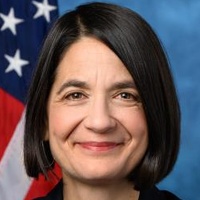
Becca Balint
Representative
VT
Becca Balint
Representative
VT
The End Rent Fixing Act of 2025 prohibits rental property owners from hiring coordinators or engaging in activities that involve collecting, analyzing, or recommending rental prices or terms across multiple properties. This coordinated activity is deemed an unlawful restraint of trade under existing antitrust laws. The bill grants enforcement power to the FTC, the Attorney General, and State Attorneys General, while also allowing injured persons to sue for treble damages. Furthermore, it lowers the pleading standard for civil lawsuits brought under this Act and related antitrust claims.
The EXPERTS Act of 2025 aims to reform federal rulemaking by increasing transparency around submitted studies, establishing new disclosure requirements for conflicts of interest, streamlining agency review timelines, and creating an Office of the Public Advocate focused on social equity.

Pramila Jayapal
Representative
WA
Pramila Jayapal
Representative
WA
The EXPERTS Act of 2025 aims to enhance transparency and accountability in the federal rulemaking process. It introduces new disclosure requirements for studies submitted during public comment periods and mandates greater public awareness of agency actions. Furthermore, the bill establishes the Office of the Public Advocate to improve public involvement and explicitly requires agencies to consider social equity in their cost-benefit analyses. Finally, it streamlines the Office of Information and Regulatory Affairs (OIRA) review timeline and clarifies judicial review standards for agency interpretations.
This bill mandates the revision of the Standard Occupational Classification system to establish a distinct code for Direct Support Professionals to better recognize their critical role in supporting individuals with disabilities.
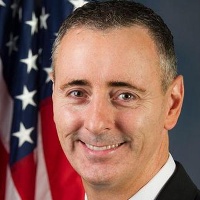
Brian Fitzpatrick
Representative
PA
Brian Fitzpatrick
Representative
PA
The Recognizing the Role of Direct Support Professionals Act aims to address the critical shortage and high turnover among Direct Support Professionals (DSPs) who assist individuals with intellectual and developmental disabilities. The bill mandates that the Office of Management and Budget review and revise the Standard Occupational Classification system to establish a distinct code for DSPs. This change will allow for more accurate labor market data collection to better support these essential workers. The Act does not authorize any new funding.
This act repeals specific sections of a prior reconciliation act to restore previous laws affecting American families and farmers.
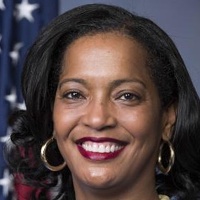
Jahana Hayes
Representative
CT
Jahana Hayes
Representative
CT
The Restoring Food Security for American Families and Farmers Act of 2025 aims to strengthen domestic food security by repealing specific sections of a prior reconciliation act. This action effectively revives the original laws that were previously amended by the repealed provisions. The bill seeks to revert existing agricultural and food-related statutes to their pre-amendment status.
This resolution supports designating November 15, 2025, as "America Recycles Day" to promote recycling and advance the circular economy.

Haley Stevens
Representative
MI
Haley Stevens
Representative
MI
This resolution supports designating November 15, 2025, as "America Recycles Day" to raise national awareness about the importance of recycling and composting. It recognizes the significant economic and environmental contributions of the American recycling sector. The bill encourages public participation and reaffirms the commitment to investing in circular economy solutions.
This bill establishes a permanent Special Envoy for the Human Rights of LGBTQI+ Peoples within the Department of State to advance U.S. policy countering global criminalization, violence, and discrimination against LGBTQI+ individuals.
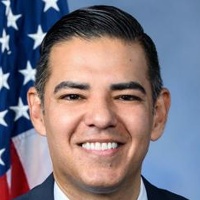
Robert Garcia
Representative
CA
Robert Garcia
Representative
CA
This bill, the International Human Rights Defense Act of 2025, establishes a permanent Special Envoy for the Human Rights of LGBTQI+ Peoples within the Department of State. It codifies U.S. policy to actively combat international criminalization, violence, and discrimination against LGBTQI+ individuals worldwide. The legislation also mandates enhanced reporting on these abuses in annual human rights reports and authorizes assistance to support related protection efforts abroad.
This act establishes the Green Star Service Flag to honor the next of kin of veterans who died by suicide after September 11, 2001.
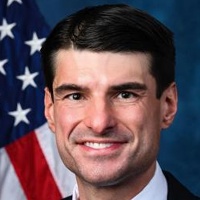
Robert Bresnahan
Representative
PA
Robert Bresnahan
Representative
PA
The Sgt. Walter F. Hartnett IV Green Star Veterans Service Act establishes the "Green Star Service Flag" to honor the next of kin of veterans who died by suicide on or after September 11, 2001. The Secretary of Veterans Affairs is required to design and designate this flag for eligible next of kin to display. The Act also sets regulations for manufacturing and selling the authorized flag.
This Act establishes strict standards, training, and reporting requirements for federal immigration enforcement personnel regarding the use of force, identification, and equipment.

Scott Peters
Representative
CA
Scott Peters
Representative
CA
The Stop Excessive Force in Immigration Act of 2025 establishes strict new standards for the use of non-deadly force by federal immigration personnel, requiring proportionality and de-escalation efforts. The bill mandates identification requirements, restricts the use of certain crowd-control equipment, and imposes new body camera and detailed reporting mandates. Furthermore, it creates affirmative duties for officers to intervene against excessive force and requires annual training on these new policies.
This Act ensures uninterrupted funding and operation for the SNAP and WIC programs through fiscal year 2026, even if appropriations for the Department of Agriculture are delayed.
Jahana Hayes
Representative
CT
Jahana Hayes
Representative
CT
The Keep SNAP and WIC Funded Act of 2025 ensures that the Supplemental Nutrition Assistance Program (SNAP) and the Special Supplemental Nutrition Program for Women, Infants, and Children (WIC) continue to operate without interruption in fiscal year 2026 if standard appropriations are delayed. If funding lapses, the Secretary of Agriculture is authorized to use funds from the Treasury to provide benefits and reimburse state agencies. This special funding remains in effect until full appropriations are enacted or until September 30, 2026.
This resolution supports the goals of National Domestic Violence Awareness Month, highlights the pervasive and devastating impact of intimate partner violence across all demographics, and calls for increased funding for prevention and support programs.

Al Green
Representative
TX
Al Green
Representative
TX
This resolution designates October as National Domestic Violence Awareness Month to highlight the widespread and devastating impact of intimate partner violence across all demographics. It recognizes the urgent need to eliminate domestic violence and supports increased funding for intervention and prevention programs. The resolution underscores the severe physical, emotional, and economic toll this abuse takes on individuals, families, and communities.
This resolution supports designating October 30th as the International Day of Political Prisoners to raise global awareness of those unjustly detained for their beliefs.

Steve Cohen
Representative
TN
Steve Cohen
Representative
TN
This resolution supports designating October 30th as the "International Day of Political Prisoners" to raise global awareness of the estimated one million individuals imprisoned worldwide for their beliefs. It condemns political repression by authoritarian regimes and expresses firm support for those detained for peacefully exercising their rights. The bill urges the U.S. Government to continue efforts to secure the release of these prisoners.
This bill extends and modifies various tax credits for energy production, efficiency improvements, and clean vehicle adoption to lower energy costs and support American energy leadership.
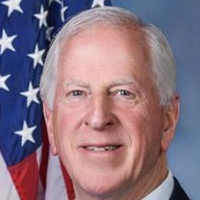
Mike Thompson
Representative
CA
Mike Thompson
Representative
CA
The American Energy Independence and Affordability Act is a comprehensive bill designed to lower energy costs by extending and adjusting key tax incentives across energy production, efficiency, and clean vehicle adoption. It stabilizes support for renewable energy manufacturing, extends deadlines for energy-efficient building credits, and ensures consumer incentives for electric vehicles remain available through 2032. Overall, the legislation aims to provide long-term certainty for energy investments and consumer adoption of cleaner technologies.
This Act mandates that all states must operate the WIC program and guarantees necessary funding through permanent appropriation starting in fiscal year 2026.
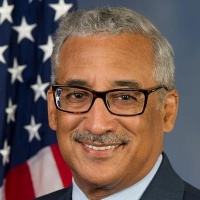
Robert Scott
Representative
VA
Robert Scott
Representative
VA
The WIC Benefits Protection Act mandates that all states must operate the Special Supplemental Nutrition Program for Women, Infants, and Children (WIC). This legislation also guarantees permanent, mandatory funding for WIC starting in fiscal year 2026, ensuring the program has the necessary resources annually. Furthermore, it clarifies eligibility language within the program's governing statute.
This Act provides appropriations and mandates contract price adjustments to compensate federal contractor employees for losses incurred due to funding lapses or government shutdowns.
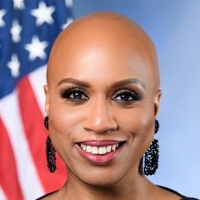
Ayanna Pressley
Representative
MA
Ayanna Pressley
Representative
MA
The Fair Pay for Federal Contractors Act of 2025 ensures that employees of federal contractors are compensated for losses incurred due to government funding lapses or shutdowns. It requires federal agencies to adjust existing contracts to cover reasonable costs associated with furloughs, pay cuts, or mandatory leave taken by contractor employees. The bill appropriates necessary funds to cover these contract price adjustments and mandates public reporting on the compensation provided.
The Child Care for Every Community Act establishes a national framework to guarantee universal access to high-quality, regulated early learning programs with mandated national standards and comparable pay for staff.
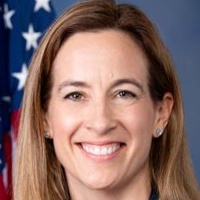
Mikie Sherrill
Representative
NJ
Mikie Sherrill
Representative
NJ
The Child Care for Every Community Act establishes a national framework to guarantee universal access to high-quality, regulated child care and early learning programs for every young child. It mandates federal standards for quality, ensures child care staff receive pay comparable to K-12 employees, and requires local coordination with school systems. Furthermore, the bill protects existing state funding levels and caps family fees based on income.
The Trust Through Transparency Act of 2025 mandates body camera usage for immigration enforcement agents, establishes specific video retention schedules, and requires annual public reporting on compliance and disciplinary actions.
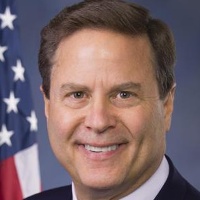
Donald Norcross
Representative
NJ
Donald Norcross
Representative
NJ
The Trust Through Transparency Act of 2025 mandates that federal immigration enforcement agents wear body cameras during public-facing duties. The bill establishes specific rules for retaining video footage, generally requiring deletion after six months unless exceptions like use of force or a filed complaint apply. Furthermore, it requires annual public reporting to Congress on compliance and establishes an advisory panel to recommend best practices for camera usage and data management.
This resolution officially designates the week of September 22 through September 28, 2025, as National Falls Prevention Awareness Week to raise public awareness and encourage the prevention of falls among older adults.
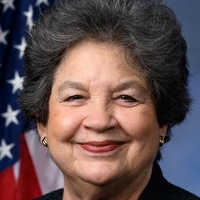
Lois Frankel
Representative
FL
Lois Frankel
Representative
FL
This resolution officially designates the week of September 22 through September 28, 2025, as "National Falls Prevention Awareness Week." The goal is to raise public awareness about the significant dangers of falls among older adults. By highlighting this issue, the measure encourages widespread efforts to promote proven, cost-effective prevention strategies.
This bill prohibits the removal of Federal employees during a lapse in discretionary appropriations, ensuring job security for civil servants during government shutdowns.
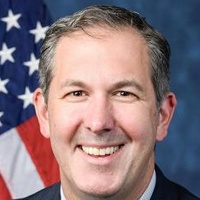
Johnny Olszewski
Representative
MD
Johnny Olszewski
Representative
MD
This bill prohibits federal agencies from removing civil service employees during any lapse in discretionary appropriations, commonly known as a government shutdown. If an employee is terminated in violation of this rule during a shutdown, they will have the option to be reinstated with full back pay once funding resumes. This measure aims to protect federal workers from job loss caused by budget impasses.
This Act establishes federal grants to fund comprehensive, trauma-informed mental health services and support programs in schools for students facing significant challenges.
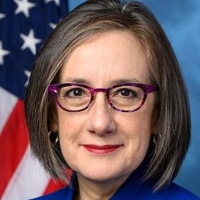
Andrea Salinas
Representative
OR
Andrea Salinas
Representative
OR
The Mental Health Services for Students Act of 2025 establishes a new federal program to provide comprehensive, trauma-informed mental health services and supports in schools through grants and contracts. These funds will support partnerships to implement awareness campaigns, staff training on trauma and suicide risk, and direct student and family treatment. The Secretary must ensure equitable distribution of funding, which is capped at \$2 million per award, with Congress authorized to appropriate \$300 million annually for the initial years.