
Legislative Activity
Track Jasmine's sponsored bills, co-sponsored legislation, and voting record
This Act prohibits the shackling and detention of pregnant and postpartum noncitizens except in extraordinary, narrowly defined circumstances, while mandating comprehensive healthcare access and staff training.
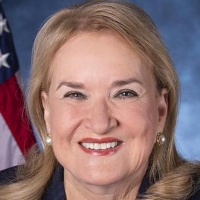
Sylvia Garcia
Representative
TX
Sylvia Garcia
Representative
TX
The Stop Shackling and Detaining Pregnant Women Act aims to significantly reform the detention of pregnant and postpartum noncitizens by establishing a presumption against their detention. This bill strictly limits the use of physical restraints on pregnant detainees and mandates comprehensive reproductive healthcare access. Furthermore, it requires detailed quarterly and annual reporting on the treatment and outcomes of pregnant individuals in custody.
This Act appropriates \$15 billion in emergency supplemental funding to FEMA for Texas flood disaster relief through September 30, 2028, and mandates regular spending reports.
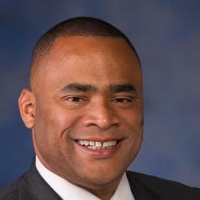
Marc Veasey
Representative
TX
Marc Veasey
Representative
TX
This Act appropriates **$15 billion** in supplemental emergency funding to the Federal Emergency Management Agency (FEMA) to cover costs associated with the major flooding events that occurred in Texas during 2025. The funds are designated for disaster response and recovery efforts under the Stafford Act. Furthermore, the bill mandates regular reporting from FEMA to Congress detailing how these emergency funds are obligated and spent across Texas.
This bill updates the eligibility requirements for creating records of lawful admission for long-term residents by changing the qualifying entry date to a minimum of seven years of U.S. residency prior to application.
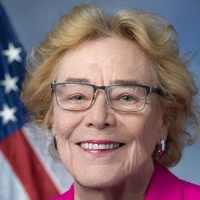
Zoe Lofgren
Representative
CA
Zoe Lofgren
Representative
CA
This bill, the Renewing Immigration Provisions of the Immigration Act of 1929, updates the eligibility requirements for creating records of lawful admission for long-term residents. It replaces a fixed entry date with a new standard requiring applicants to have resided in the U.S. for at least seven years prior to applying. These revised provisions will take effect 60 days after the Act is enacted.
The EACH Act of 2025 mandates that all federally funded health programs and facilities must cover and provide abortion services, while also prohibiting federal interference with private insurance coverage.
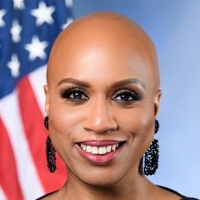
Ayanna Pressley
Representative
MA
Ayanna Pressley
Representative
MA
The EACH Act of 2025 aims to ensure equal access to abortion coverage by requiring all federally funded health programs and facilities to cover abortion services. This legislation prohibits federal interference with state or private insurance coverage of abortion and repeals Section 1303 of the Affordable Care Act. Ultimately, the bill seeks to eliminate financial and insurance barriers to abortion care, particularly for low-income individuals relying on programs like Medicaid.
This constitutional amendment prohibits immunity from criminal prosecution for federal officials based on their official duties and bars the President from self-pardoning.
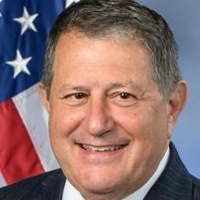
Joseph Morelle
Representative
NY
Joseph Morelle
Representative
NY
This proposed constitutional amendment would eliminate immunity from criminal prosecution for federal officials, including the President, based on their official duties. It also explicitly prohibits the President from issuing a self-pardon for any federal crimes. If ratified, these changes would take effect immediately.
The Texture Positive Act of 2025 establishes a federal grant program to fund states in awarding subgrants to specialized organizations for integrating comprehensive textured hair training into cosmetology school curricula.
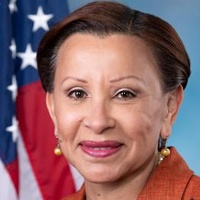
Nydia Velázquez
Representative
NY
Nydia Velázquez
Representative
NY
The Texture Positive Act of 2025 establishes a federal grant program administered by the Secretary of Labor to improve specialized training for cosmetologists. States can apply for these grants to award subgrants to qualified, established, minority- or women-owned training providers. These subgrants must fund the integration of comprehensive textured hair care techniques into cosmetology school curricula.
This Act mandates that federal agencies integrate specific equity goals into their strategic and performance planning, establish internal equity advisory teams, and enhance data practices to ensure fair service delivery to underserved communities.
Ayanna Pressley
Representative
MA
Ayanna Pressley
Representative
MA
The Equity in Government Act mandates that federal agencies integrate specific equity goals into their strategic and performance plans, ensuring at least 20% of goals focus on improving service delivery to underserved communities. The bill establishes new leadership structures, including an Agency Equity Advisory Team, and enhances the role of the Chief Data Officer Council to prioritize equitable data collection and use. Furthermore, it creates an Equitable Data Working Group to guide the government toward fairer methods and outcomes in federal operations.
This Act prohibits federal funding for immigration detention facilities in the Everglades ecosystem and mandates unannounced Congressional access and an Inspector General review of any existing facilities in the area.
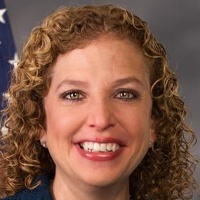
Debbie Wasserman Schultz
Representative
FL
Debbie Wasserman Schultz
Representative
FL
The No Cages in the Everglades Act prohibits the Department of Homeland Security from using any federal funds to operate or build immigration detention facilities within the Everglades ecosystem. The bill also mandates immediate, unannounced access for Members of Congress to all immigration detention centers for oversight purposes. Furthermore, it requires the DHS Inspector General to conduct a comprehensive review of any existing detention facilities in the area.
This bill establishes strict limits and reporting requirements for donations made to Presidential Libraries and Centers, particularly targeting lobbyists, federal contractors, and foreign nationals while a president is in or recently out of office.
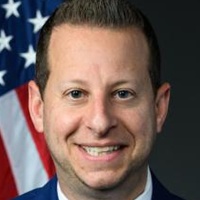
Jared Moskowitz
Representative
FL
Jared Moskowitz
Representative
FL
This bill amends federal law to establish strict limits and reporting requirements for donations made to Presidential Libraries and Centers. It prohibits certain restricted entities, such as lobbyists and federal contractors, from donating while a President is in office or for two years after they leave. The legislation also imposes an aggregate $10,000 lifetime donation cap per person and mandates public disclosure of all significant contributions.
This bill prohibits U.S. Immigration and Customs Enforcement (ICE) from using federal funds to detain or transport U.S. citizens during civil immigration enforcement activities.
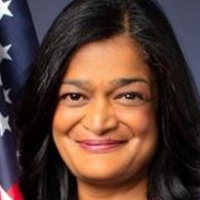
Pramila Jayapal
Representative
WA
Pramila Jayapal
Representative
WA
The Stop ICE from Kidnapping U.S. Citizens Act strictly prohibits U.S. Immigration and Customs Enforcement (ICE) from using any federal funds for civil immigration enforcement activities involving U.S. citizens. Specifically, this bill bans ICE from spending money to detain or transport any citizen of the United States. This measure ensures federal funds are not used to wrongfully target or remove American citizens.
This Act mandates federal standards requiring employers to implement comprehensive heat illness and injury prevention programs to protect workers from dangerous heat stress.
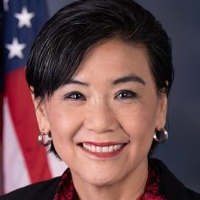
Judy Chu
Representative
CA
Judy Chu
Representative
CA
The Asunción Valdivia Heat Illness, Injury, and Fatality Prevention Act of 2025 mandates that employers protect workers from dangerous heat stress by establishing comprehensive safety standards. This Act requires the Secretary of Labor to create evidence-based rules covering engineering controls, administrative procedures, required training, and paid rest breaks to prevent heat-related illness. Furthermore, the law establishes strict enforcement mechanisms, whistleblower protections, and specific timelines for the implementation of these new federal heat protection standards.
This comprehensive act establishes federal entitlements and grants to ensure access to affordable, high-quality child care and universal preschool for young children while significantly increasing compensation for early childhood educators.
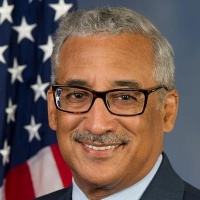
Robert Scott
Representative
VA
Robert Scott
Representative
VA
The Child Care for Working Families Act establishes comprehensive federal programs to ensure access to high-quality, affordable child care and universal preschool for young children. The legislation creates an entitlement program for child care, mandates that provider reimbursement rates cover actual costs and ensure living wages for staff, and establishes free, universal preschool for 3- and 4-year-olds. Additionally, it provides dedicated funding to stabilize childcare providers and extend the operating hours and compensation for Head Start staff.
This resolution formally recognizes the significant and persistent wage gap disproportionately affecting Black women in the United States.
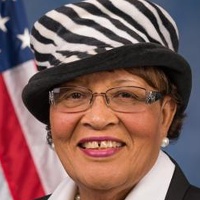
Alma Adams
Representative
NC
Alma Adams
Representative
NC
This resolution formally recognizes the significant and persistent wage disparity faced by Black women in the United States. It highlights that despite existing equal pay laws, Black women earn substantially less than their male counterparts, leading to massive lifetime earnings losses. Congress uses this measure to emphasize the urgent need to address both racial and gender discrimination to achieve true pay equity.
This Act establishes federal authority to limit congressional redistricting to once per decade following the census, barring mid-cycle redraws unless mandated by a court.
Marc Veasey
Representative
TX
Marc Veasey
Representative
TX
The Anti-Rigging Act of 2025 asserts Congress's constitutional authority to regulate the process by which states redraw congressional districts following the decennial census. This law generally prohibits states from making mid-cycle changes to their congressional maps after the initial post-apportionment redistricting. Any required changes before the next census can only occur if mandated by a court ruling concerning constitutional or Voting Rights Act violations. This legislation specifically does not affect the administration of state or local elections.
This Act establishes a federal grant program to fund travel and logistical support for individuals accessing abortion services, explicitly excluding payment for the procedure itself.
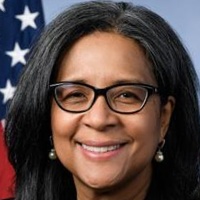
Marilyn Strickland
Representative
WA
Marilyn Strickland
Representative
WA
The Reproductive Health Travel Fund Act of 2025 establishes a federal grant program to help cover the logistical costs associated with accessing abortion services. This funding is specifically designated for travel, lodging, childcare, and other support services for individuals, but explicitly excludes payment for the procedure itself. Priority for these grants will be given to established community organizations that assist people living in states with abortion bans or heavy restrictions. The Act also includes provisions to protect grant recipients and users from state or local interference related to the funded activities.
This bill establishes a grant program to help high-need school districts hire, retain, and diversify mental health professionals to expand student access to services.
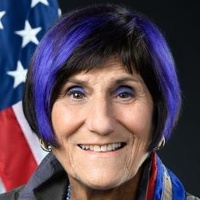
Rosa DeLauro
Representative
CT
Rosa DeLauro
Representative
CT
The Expanding Access to Mental Health Services in Schools Act of 2025 establishes a new federal grant program to increase the number of mental health professionals in high-need school districts. This funding is specifically designed to help eligible agencies recruit, hire, and retain school counselors, psychologists, and social workers. Grantees must demonstrate a plan to improve student-to-provider ratios and report annually on staffing improvements and provider retention.
The GLOBE Act of 2025 mandates comprehensive U.S. government action to protect and promote the human rights of LGBTQI people globally through diplomatic strategies, targeted sanctions, foreign aid reform, and immigration protections.
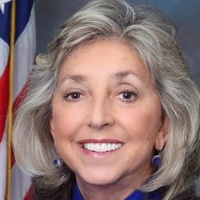
Dina Titus
Representative
NV
Dina Titus
Representative
NV
The GLOBE Act of 2025 establishes a comprehensive U.S. strategy to champion and protect the human rights of LGBTQI people globally through diplomacy, targeted sanctions, and foreign assistance reforms. The bill mandates enhanced reporting on violence and discrimination while creating new interagency roles and funds to support international advocacy and development efforts. Furthermore, it reforms immigration law to better protect LGBTQI asylum seekers and ensures inclusive implementation of U.S. global health programs like PEPFAR.
The AMMO Act establishes federal licensing, recordkeeping, straw purchase prohibitions, bulk sale restrictions, and mandatory background checks for the sale and transfer of ammunition by licensed dealers.
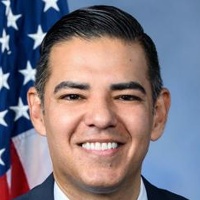
Robert Garcia
Representative
CA
Robert Garcia
Representative
CA
The AMMO Act modernizes federal oversight of ammunition by requiring federal licenses for all ammunition dealers and mandating background checks through NICS for transfers by licensed sellers to non-licensees. The bill also prohibits straw purchases of ammunition and establishes new federal limits on bulk ammunition sales, requiring recordkeeping and reporting for these transactions. These provisions will take effect 120 days after the date of enactment.
This resolution formally recognizes the history, achievements, and ongoing struggles of the LGBTQIA+ community while encouraging the celebration of Pride Month and affirming that LGBTQIA+ rights are human rights.
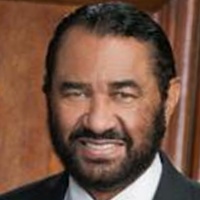
Al Green
Representative
TX
Al Green
Representative
TX
This resolution formally recognizes the history, achievements, and ongoing struggles of the LGBTQIA+ community in the United States. It serves as a declaration by Congress affirming that LGBTQIA+ rights are human rights and encouraging the celebration of Pride Month. The bill highlights key historical milestones, legal victories, and acknowledges the persistent challenges and violence faced by the community. Ultimately, it commits the U.S. to continuing the pursuit of full equality for all citizens.
This Act prohibits the use of "panic defenses" in federal court that attempt to excuse or mitigate crimes based on a victim's sexual orientation or gender identity.
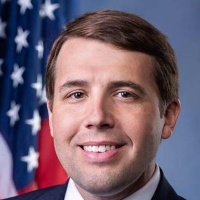
Chris Pappas
Representative
NH
Chris Pappas
Representative
NH
The LGBTQ+ Panic Defense Prohibition Act of 2025 bans the use of "panic defenses" in federal court, which attempt to excuse or lessen a defendant's culpability for a crime based on the victim's sexual orientation or gender identity. This legislation recognizes that these outdated defenses rely on prejudice and undermine justice for LGBTQ+ individuals. The Act also requires the Attorney General to report annually on violent federal crimes motivated by bias against LGBTQ+ people.