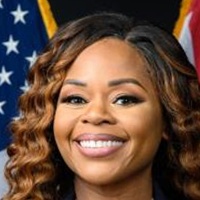
Legislative Activity
Track Sheila's sponsored bills, co-sponsored legislation, and voting record
This Act mandates that most private firearm transfers must go through a licensed dealer to ensure background checks are performed on all purchasers.
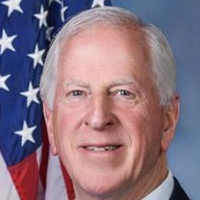
Mike Thompson
Representative
CA
Mike Thompson
Representative
CA
The Bipartisan Background Checks Act of 2025 aims to strengthen existing federal background check systems to prevent prohibited persons from acquiring firearms. This bill primarily mandates that most private firearm transfers must be facilitated through a licensed dealer who will conduct a background check. The legislation includes specific exceptions for family gifts, law enforcement, and temporary transfers under emergency circumstances.
The TRACE Act mandates that firearms receive a second, hidden serial number, extends the retention period for background check records, requires licensed dealers to conduct physical inventory checks, and removes certain spending limitations on the ATF.
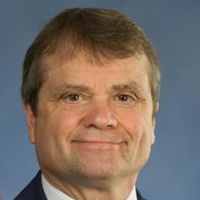
Mike Quigley
Representative
IL
Mike Quigley
Representative
IL
The TRACE Act mandates that all newly manufactured firearms include a second, hidden serial number, either internally or visible only under infrared light. It also extends the retention period for instant criminal background check records to 180 days and requires licensed dealers to conduct regular physical inventories of their firearms. Finally, the bill removes several past budgetary limitations placed on the Bureau of Alcohol, Tobacco, Firearms and Explosives (ATF).
The Pride In Mental Health Act of 2025 establishes grants and federal initiatives to improve mental health services and research specifically for LGBTQ+ youth while explicitly prohibiting the use of funds for conversion therapy.
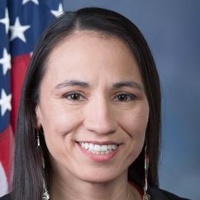
Sharice Davids
Representative
KS
Sharice Davids
Representative
KS
The Pride In Mental Health Act of 2025 establishes a new grant program to improve mental health and substance abuse outcomes for LGBTQ+ youth through culturally competent care and resource development. These grants strictly prohibit funding for conversion therapy practices. The bill also mandates federal data collection on LGBTQ+ youth mental health and requires a report on the needs of those in foster care.
This bill removes certain numerical caps on specific employment-based immigrant visas to better allocate green cards.
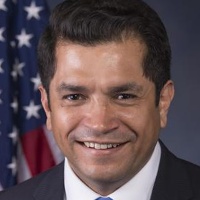
Jimmy Gomez
Representative
CA
Jimmy Gomez
Representative
CA
The Protect Vulnerable Immigrant Youth Act aims to reform employment-based immigration by eliminating certain numerical caps for specific visa categories. This legislation amends existing law to adjust how preference statuses are allocated for these immigrant visas. The overall goal is to streamline the process for certain employment-based immigrants.
This bill exempts articles imported from Israel and Ukraine from reciprocal tariffs imposed by a specific Executive Order aimed at correcting trade deficits.
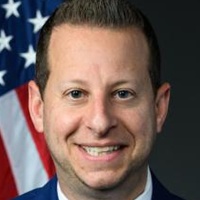
Jared Moskowitz
Representative
FL
Jared Moskowitz
Representative
FL
The Supporting American Allies Act exempts articles imported from Israel and Ukraine from reciprocal tariffs previously imposed by an Executive Order aimed at addressing trade deficits. This legislation provides specific trade relief by removing these extra import duties for goods originating from the two allied nations.
This bill establishes an FBI Animal Cruelty Crimes Taskforce to investigate federal animal cruelty laws, train local law enforcement, and report annually to Congress on enforcement efforts.
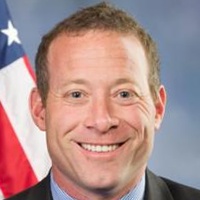
Josh Gottheimer
Representative
NJ
Josh Gottheimer
Representative
NJ
The FBI Animal Cruelty Taskforce Act of 2025 establishes a dedicated Animal Cruelty Crimes Taskforce within the FBI to investigate and enforce federal laws against severe animal cruelty, such as dogfighting and crush videos. This Taskforce is also responsible for developing training materials for local law enforcement. Furthermore, it must coordinate with other federal agencies and submit annual reports to Congress detailing enforcement statistics, including charges filed and convictions secured.
This bill authorizes the President to extend diplomatic privileges and immunities to the Caribbean Community (CARICOM).
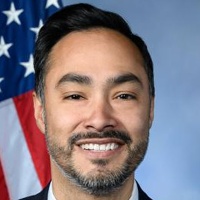
Joaquin Castro
Representative
TX
Joaquin Castro
Representative
TX
The Strengthening US-Caribbean Partnership Act grants the President the authority to extend diplomatic privileges and immunities to the Caribbean Community (CARICOM). This action would align the treatment of CARICOM with that afforded to other recognized public international organizations. The bill aims to formally enhance the diplomatic relationship between the United States and the Caribbean region.
This resolution expresses strong support for designating June 6, 2025, as National Gun Violence Awareness Day and June 2025 as National Gun Violence Awareness Month to honor victims and promote awareness.
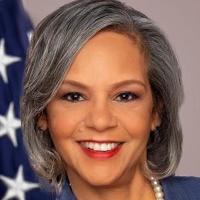
Robin Kelly
Representative
IL
Robin Kelly
Representative
IL
This resolution expresses strong support for designating June 6, 2025, as "National Gun Violence Awareness Day" and June 2025 as "National Gun Violence Awareness Month." It highlights the devastating scale of gun violence in the U.S., recognizing the thousands of annual deaths and injuries across all demographics. The bill encourages Americans to wear orange on the designated day to honor victims and promote increased awareness and community action regarding gun safety.
The Menstrual Equity For All Act of 2025 mandates the provision of free menstrual products across schools, correctional facilities, federal buildings, and workplaces, while also expanding coverage under Medicaid and eliminating sales tax on these essential items.
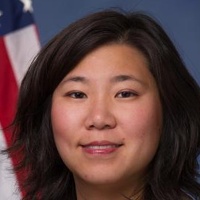
Grace Meng
Representative
NY
Grace Meng
Representative
NY
The Menstrual Equity For All Act of 2025 aims to eliminate period poverty by ensuring access to free menstrual products across various sectors of society. This comprehensive bill mandates the availability of these essential supplies in K-12 schools, colleges, correctional facilities, federal buildings, and workplaces with over 100 employees. Furthermore, it expands coverage under Medicaid, allocates specific funding through social service block grants and TANF programs, and prohibits states from taxing menstrual products.
This Act mandates the National Park Service to establish a program to reduce and eliminate the sale and distribution of disposable plastic products, like single-use water bottles and utensils, across all national park units.
Mike Quigley
Representative
IL
Mike Quigley
Representative
IL
The Reducing Waste in National Parks Act mandates the National Park Service (NPS) to establish a program to significantly reduce or eliminate the sale and distribution of disposable plastic products, including single-use water bottles, across all park units. Regional directors must implement these changes while considering operational costs, visitor safety regarding water access, and vendor contracts. The law also requires proactive visitor education and biennial reviews to assess the program's effectiveness and public impact.
This bill amends the Rural Surface Transportation Grant Program to set aside 10% of funding for eligible projects on farm-to-market roads in counties with high agricultural output.
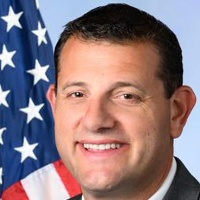
David Valadao
Representative
CA
David Valadao
Representative
CA
This bill amends the Rural Surface Transportation Grant Program to create a new funding set-aside for specific counties with high agricultural output. It defines "covered counties" based on significant annual agricultural production value and density. Ten percent of the program's funds must then be reserved for projects located on "farm-to-market roads" within these designated counties.
This Act establishes a new federal grant program to provide operating support for high-quality public transit that prioritizes service improvements in underserved communities, while also increasing the federal share for rural transit operating costs.
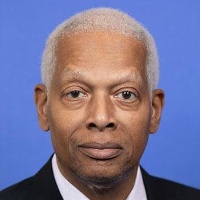
Henry Johnson
Representative
GA
Henry Johnson
Representative
GA
The Stronger Communities through Better Transit Act establishes a new federal grant program to provide operating support for high-quality public transit services. This funding is specifically targeted to improve mobility and environmental outcomes, with a requirement that the majority of funds benefit underserved communities or areas of persistent poverty. The Act also increases the federal share for rural transit operating assistance up to 80%.
This resolution expresses the House's view that President Trump must immediately submit plans to Congress for accepting a jumbo jet gift from Qatar to comply with the Foreign Emoluments Clause.
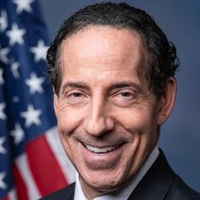
Jamie Raskin
Representative
MD
Jamie Raskin
Representative
MD
This resolution expresses the sense of the House that President Trump must comply with the Foreign Emoluments Clause regarding a reported gift of a jumbo jet from Qatar. It calls on the President to immediately submit all plans for accepting this significant gift to Congress. The bill emphasizes that the Constitution requires Congressional consent before the President can accept valuable items from foreign governments.
This bill prohibits individuals under 18 from having direct contact with tobacco plants or dried tobacco leaves on farms to strengthen child labor protections in tobacco agriculture.
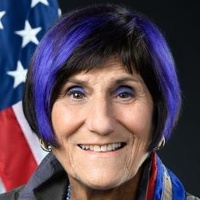
Rosa DeLauro
Representative
CT
Rosa DeLauro
Representative
CT
The Children Don't Belong on Tobacco Farms Act amends child labor laws to prohibit individuals under 18 from having direct contact with tobacco plants or dried tobacco leaves. This change ensures that agricultural work involving direct handling of tobacco falls under federal child labor protections. The bill specifically updates exemptions to reflect this new restriction on youth employment in tobacco agriculture.
This bill prohibits the use of federal funds to implement Executive Order 14160, which sought to limit birthright citizenship guaranteed by the Fourteenth Amendment.
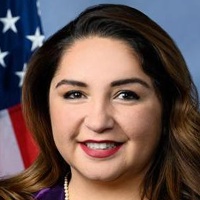
Delia Ramirez
Representative
IL
Delia Ramirez
Representative
IL
The Born in the USA Act of 2025 declares that Executive Order 14160, which attempted to restrict birthright citizenship, is unconstitutional and contrary to the 14th Amendment. This Act prohibits the use of any federal funds to implement or enforce that Executive Order. It affirms the established constitutional right to birthright citizenship for nearly everyone born on U.S. soil.
This Act prohibits charging different prices for substantially similar consumer products or services based solely on the buyer's gender.
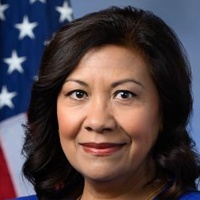
Norma Torres
Representative
CA
Norma Torres
Representative
CA
The Pink Tax Repeal Act prohibits businesses from charging different prices for substantially similar consumer products or services based solely on the buyer's gender. This legislation empowers the Federal Trade Commission (FTC) to enforce the ban as an unfair business practice. State Attorneys General are also authorized to file lawsuits to stop violations and seek restitution for affected residents.
The Protecting our Students in Schools Act of 2025 nationwide prohibits corporal punishment in federally funded schools while establishing grants to help states implement positive behavior support systems.
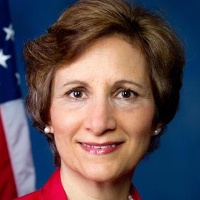
Suzanne Bonamici
Representative
OR
Suzanne Bonamici
Representative
OR
The Protecting our Students in Schools Act of 2025 establishes a nationwide prohibition on corporal punishment in all federally funded educational programs. It creates strong enforcement mechanisms, allowing parents to sue and authorizing the Attorney General to intervene in cases of abuse. Furthermore, the Act establishes a grant program to incentivize states to adopt positive behavior support systems to reduce harsh disciplinary actions and improve school climate.
This Act mandates that health plans cover medically necessary treatment for congenital anomalies or birth defects affecting the eyes, ears, teeth, mouth, or jaw to restore normal function and appearance.
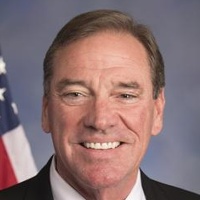
Neal Dunn
Representative
FL
Neal Dunn
Representative
FL
The Ensuring Lasting Smiles Act mandates that group health plans and insurance policies provide comprehensive coverage for medically necessary treatment related to congenital anomalies or birth defects affecting the eyes, ears, teeth, mouth, or jaw. This coverage must include services needed to restore normal function and appearance, including necessary dental and orthodontic support. Plans must apply cost-sharing rules no more restrictive than those for other medical benefits, excluding purely cosmetic procedures.
This bill expands the definition of "law enforcement officer" for federal retirement purposes under FERS and CSRS to include specific IRS, Postal Inspection, and VA police employees, and establishes rules for how current employees can count prior service under the new designation.
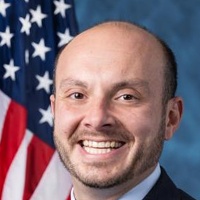
Andrew Garbarino
Representative
NY
Andrew Garbarino
Representative
NY
The Law Enforcement Officers Equity Act expands the definition of "law enforcement officer" for federal retirement purposes under both the Federal Employees Retirement System (FERS) and the Civil Service Retirement System (CSRS). This change adds specific IRS, Postal Inspection Service, and VA police roles to those eligible for enhanced retirement benefits. The bill also establishes procedures for current officers to elect to have their prior service counted under these new definitions, which may require a payment from the employee and their employing agency.
The VA Employee Fairness Act of 2025 streamlines collective bargaining rules for Veterans Health Administration employees by modifying existing statutes while preserving the Secretary's authority regarding incentive pay and expedited hiring.
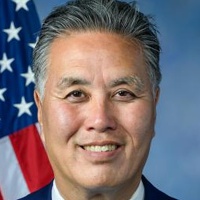
Mark Takano
Representative
CA
Mark Takano
Representative
CA
The VA Employee Fairness Act of 2025 modifies the collective bargaining rules for employees of the Veterans Health Administration (VHA) by streamlining existing statutes. This act removes outdated subsections related to bargaining and renumbers the remaining relevant section. Importantly, these changes do not affect the Secretary of Veterans Affairs' existing authority regarding incentive pay or expedited hiring processes.