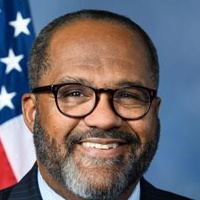
Legislative Activity
Track Troy's sponsored bills, co-sponsored legislation, and voting record
This bill strengthens the Department of Homeland Security’s Office for Civil Rights and Civil Liberties by formalizing its authority, expanding its oversight and investigative powers, and mandating greater transparency and accountability in protecting civil rights across the Department.
Al Green
Representative
TX
Al Green
Representative
TX
The Department of Homeland Security Office for Civil Rights and Civil Liberties Authorization Act strengthens the oversight and authority of the Office for Civil Rights and Civil Liberties. This legislation ensures the Office has the necessary resources, access, and independence to integrate civil rights protections into all Department policies, investigate potential abuses, and provide transparent reporting to Congress and the public.
The Original LGBTQIA+ Pride Month Resolution of 2026 honors the history, contributions, and ongoing civil rights struggles of the LGBTQIA+ community while reaffirming Congress's commitment to equality and human rights.
Al Green
Representative
TX
Al Green
Representative
TX
The Original LGBTQIA+ Pride Month Resolution of 2026 honors the history, contributions, and ongoing struggles of the LGBTQIA+ community. The resolution reaffirms that LGBTQIA+ rights are human rights and emphasizes the necessity of ensuring equality for all citizens. By documenting key civil rights milestones and current challenges, it encourages the nation to celebrate Pride Month as a time to reflect on the progress made and the work still required to achieve full equality.
This bill, the NFIP Premium Transparency Act, mandates FEMA to create a detailed online flood insurance information tool and enhance policy declaration pages to increase transparency regarding NFIP premiums, risk factors, and potential savings.
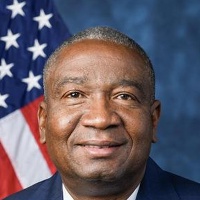
Cleo Fields
Representative
LA
Cleo Fields
Representative
LA
This bill, the "NFIP Premium Transparency Act," mandates that FEMA develop a comprehensive online flood insurance information tool and enhance the detail provided on NFIP policy declaration pages. The goal is to increase transparency by requiring the disclosure of detailed premium calculations, risk factors, and potential mitigation savings to policyholders and the public. The legislation also requires FEMA to share relevant property information with insurers and mandates an annual publication of aggregate premium data by state, county, and ZIP code.
This resolution supports designating a National Learn to Swim Week to promote water safety education and increase access to swimming lessons across the nation.
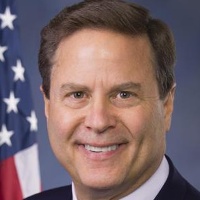
Donald Norcross
Representative
NJ
Donald Norcross
Representative
NJ
This resolution supports designating a "National Learn to Swim Week" beginning on the fourth Sunday in June to raise awareness about water safety. It emphasizes that learning to swim is a lifesaving skill that significantly reduces the risk of drowning, which is a leading cause of death for young children. The bill encourages federal, state, and local efforts to promote and expand access to affordable swimming lessons for all Americans.
This Act establishes the Next Generation Shipping Innovation Program to fund the research, development, and deployment of zero-emission and clean alternative fuel vessels and infrastructure, while prohibiting funds for automated vessel technologies.
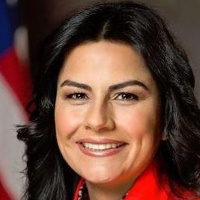
Nanette Barragán
Representative
CA
Nanette Barragán
Representative
CA
The Next Generation Shipping Act establishes a federal program to fund research, development, and deployment of zero-emission and clean alternative fuel vessels and supporting infrastructure. This initiative prioritizes projects that advance maritime decarbonization, ensure strong labor standards, and benefit environmental justice communities. The Act also creates an Advisory Committee to guide the program, focusing on identifying technology needs and evaluating progress toward cleaner shipping. Notably, the legislation explicitly prohibits funding for any automated vessel technologies.
The SAFE Banking Act of 2026 provides federal protections and safe harbor for financial institutions serving state-sanctioned marijuana and hemp-related businesses, while also addressing mortgage income treatment and reporting requirements.
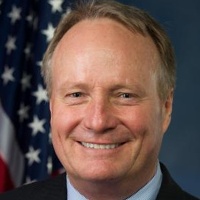
David Joyce
Representative
OH
David Joyce
Representative
OH
The SAFE Banking Act of 2026 aims to provide federal protections for financial institutions serving state-sanctioned marijuana and hemp-related businesses. It prohibits federal regulators from penalizing banks solely for providing financial services to these state-compliant operations. Furthermore, the bill clarifies that proceeds from these state-legal businesses are not automatically considered unlawful proceeds under federal money laundering statutes. It also addresses mortgage underwriting and requires studies on diversity and inclusion within these sectors.
The Home Internet Accessibility Act mandates a comprehensive federal assessment and strategic plan to expand broadband infrastructure and connectivity within federally assisted housing.
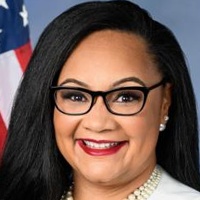
Nikema Williams
Representative
GA
Nikema Williams
Representative
GA
The Home Internet Accessibility Act mandates a comprehensive assessment of broadband infrastructure within federally assisted housing to identify gaps in connectivity and physical capacity. Following this report, the Department of Housing and Urban Development is required to develop a strategic plan to retrofit these properties for modern internet access. This legislation aims to bridge the digital divide by providing Congress with the data and actionable recommendations necessary to ensure all federally assisted housing can support reliable broadband service.
This resolution urges Congress to take immediate action to restore and strengthen voting rights protections and consider structural reforms to the Senate and Supreme Court to safeguard American democracy.
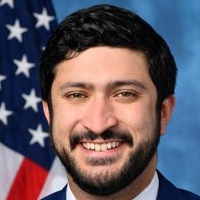
Gregorio Casar
Representative
TX
Gregorio Casar
Representative
TX
This resolution expresses the House's urgent call for Congress to restore and strengthen civil rights and fair political representation for all Americans. It specifically condemns recent Supreme Court decisions that have weakened the Voting Rights Act and enabled partisan gerrymandering. The bill asserts that Congress must act boldly, including considering Senate and Supreme Court reforms, to protect multiracial democracy.
This act doubles the maximum Pell Grant award, makes funding mandatory, extends eligibility to Dreamer students, restores previous eligibility limits, and reforms Satisfactory Academic Progress rules.
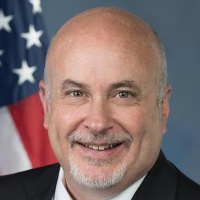
Mark Pocan
Representative
WI
Mark Pocan
Representative
WI
The Pell Grant Preservation and Expansion Act of 2026 aims to significantly strengthen federal student aid by doubling the maximum Pell Grant award and funding it through mandatory appropriations. This bill also expands eligibility to include Dreamer students, restores Pell Grant eligibility for students with certain scholarships, and reforms Satisfactory Academic Progress (SAP) rules to make regaining aid easier after academic setbacks. These changes are designed to stabilize and expand access to postsecondary education for millions of students.
This bill commemorates the 50th anniversary of women enrolling in U.S. military service academies and honors their distinguished contributions to national service.
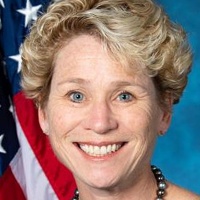
Chrissy Houlahan
Representative
PA
Chrissy Houlahan
Representative
PA
This resolution commemorates the 50th anniversary of women enrolling in U.S. military service academies, recognizing their significant growth and distinguished achievements since 1976. It honors the thousands of women graduates who have served with distinction across all branches of the armed forces and in national service. The bill also expresses support for designating a "50 Years of Women at the Service Academies Day."
This bill recognizes and affirms the importance of everyday acts of kindness in strengthening American communities and fostering national unity.
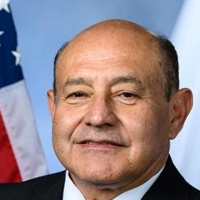
J. Correa
Representative
CA
J. Correa
Representative
CA
This resolution recognizes the importance of everyday acts of kindness in strengthening communities and building national resiliency. It affirms the commitment to fostering a culture of kindness across the United States, highlighting its power to connect people and improve well-being. The bill encourages recognizing and spreading kindness as an essential bond for the nation.
This bill, the "Protect Local Funding Act," prohibits the finalization, implementation, or enforcement of the proposed "Regulation for Federal Financial Assistance" rule published on May 29, 2026, or any substantially similar rule.
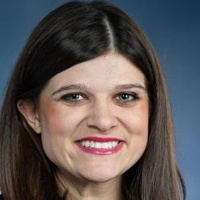
Haley Stevens
Representative
MI
Haley Stevens
Representative
MI
This bill, the "Protect Local Funding Act," prohibits the finalization, implementation, or enforcement of the proposed "Regulation for Federal Financial Assistance" published on May 29, 2026, or any substantially similar rule. It prevents federal agencies from enacting this specific regulation concerning federal financial assistance.
This bill calls for the restoration of the U.S. Refugee Admissions Program and reaffirms America's commitment to protecting refugees and displaced persons globally.
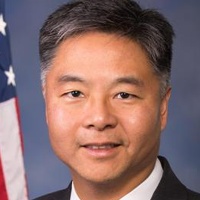
Ted Lieu
Representative
CA
Ted Lieu
Representative
CA
This resolution reaffirms the United States' commitment to refugee protection both domestically and globally, condemning recent policy actions that suspended refugee admissions. It calls for the immediate restoration of the U.S. Refugee Admissions Program and stronger support for displaced persons worldwide. The bill emphasizes the legal, moral, and economic benefits of robust refugee resettlement policies.
This act establishes allowed evidence-based interventions and prohibits punitive measures for student absences to combat chronic absenteeism in K-12 education.
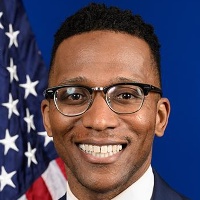
Christian Menefee
Representative
TX
Christian Menefee
Representative
TX
The All in For Attendance Act addresses the widespread problem of chronic student absenteeism by expanding federal support for proven, non-punitive interventions. The bill allows schools to use federal funds for strategies like data tracking, family engagement, and targeted support programs. Crucially, it also prohibits local educational agencies from imposing suspensions, fines, or academic penalties on students solely due to their absences.
This resolution expresses support for designating June 2026 as Black Music Month to celebrate the profound and enduring cultural contributions of Black American music.
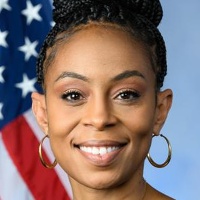
Shontel Brown
Representative
OH
Shontel Brown
Representative
OH
This resolution expresses support for designating June 2026 as "Black Music Month" to celebrate the profound and enduring contributions of Black American music to the nation's culture. It recognizes Black music's shaping influence across virtually every genre and its central role in the struggle for Black freedom. The resolution calls on the nation to observe the month by elevating Black artistry, promoting diversity, and honoring this deep-rooted musical legacy.
This resolution commemorates the 10th anniversary of the Pulse nightclub shooting, honoring the victims, recognizing first responders, and reaffirming support for gun safety and mental health efforts.
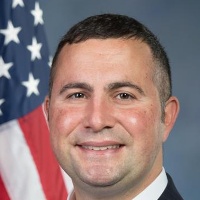
Darren Soto
Representative
FL
Darren Soto
Representative
FL
This resolution commemorates the 10th anniversary of the tragic Pulse nightclub shooting in Orlando, honoring the 49 lives lost and expressing support for all affected. It recognizes the bravery of first responders and reaffirms the nation's unity against hate and terrorism. The bill also highlights ongoing efforts toward gun safety and mental health legislation.
This bill expresses support for designating July 3–10, 2026, as "National Extreme Heat Awareness Week" to educate the public on the dangers and risks associated with extreme heat.
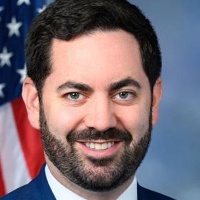
Michael Lawler
Representative
NY
Michael Lawler
Representative
NY
This bill expresses support for designating July 3 through July 10, 2026, as "National Extreme Heat Awareness Week." The week aims to educate the public on the significant dangers of extreme heat, which is the leading weather-related cause of death in the U.S. It encourages nationwide educational initiatives and community programming to promote preparedness and safety against heat-related risks.
This bill directs the Assistant Secretary of Commerce to study and report to Congress on the technologies, economics, and performance of various broadband internet access services.
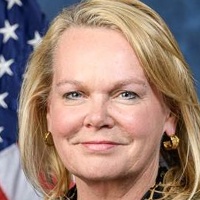
April McClain Delaney
Representative
MD
April McClain Delaney
Representative
MD
This bill, the Broadband Deployment and Economic Impact Study Act of 2026, directs the Assistant Secretary of Commerce for Communications and Information to conduct a comprehensive study on current broadband internet access technologies. The resulting report to Congress must analyze the workforce needs, economics, performance metrics, and consumer costs associated with technologies like fiber, wireless, and satellite. The goal is to provide Congress with detailed information on the landscape of broadband deployment.
The Ukraine Support Act strengthens U.S. diplomatic, military, and economic support for Ukraine while imposing comprehensive sanctions on Russia to counter its ongoing aggression and war crimes.
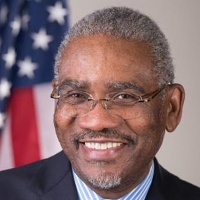
Gregory Meeks
Representative
NY
Gregory Meeks
Representative
NY
The Ukraine Support Act strengthens U.S. diplomatic, military, and economic support for Ukraine while intensifying pressure on Russia through comprehensive sanctions and export controls. The bill establishes long-term reconstruction and security programs, bolsters independent media, and mandates strategies to reduce European reliance on Russian energy. Additionally, it reinforces NATO’s collective defense and imposes strict oversight on the use of U.S. aid to ensure accountability and strategic impact.
This bill mandates the development of a rapid, portable chemical analysis method to accurately determine the country of origin for all shrimp entering the U.S. food supply chain.
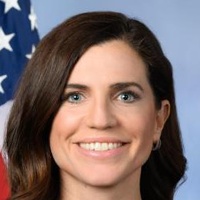
Nancy Mace
Representative
SC
Nancy Mace
Representative
SC
The SHRIMP Act of 2026 mandates the development of a rapid, chemical analysis-based methodology to accurately identify the country of origin for all shrimp entering the U.S. This new protocol aims to enhance food safety, combat illegal fishing, and improve import monitoring. The Secretary of Commerce must deliver a report detailing the operational plan for this new identification method within two years of enactment.