Legislative Activity
Track Troy's sponsored bills, co-sponsored legislation, and voting record
This bill mandates the development of a national strategy to advance American Wi-Fi technologies and counter foreign adversary efforts to undermine them, particularly ahead of the 2027 World Radiocommunication Conference.
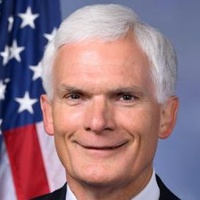
Robert Latta
Representative
OH
Robert Latta
Representative
OH
This bill aims to secure U.S. leadership in Wi-Fi and other wireless technologies against foreign adversaries, particularly China. It mandates the development of a national strategy to advocate for U.S. spectrum priorities in international forums like the upcoming World Radiocommunication Conference in Shanghai. The resulting plan must detail how the U.S. will counter efforts to undermine American-originated technologies.
This bill mandates the development of a rapid, portable chemical analysis method to accurately determine the country of origin for all shrimp entering the U.S. food supply chain.
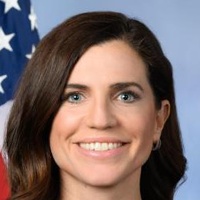
Nancy Mace
Representative
SC
Nancy Mace
Representative
SC
The SHRIMP Act of 2026 mandates the development of a rapid, chemical analysis-based methodology to accurately identify the country of origin for all shrimp entering the U.S. This new protocol aims to enhance food safety, combat illegal fishing, and improve import monitoring. The Secretary of Commerce must deliver a report detailing the operational plan for this new identification method within two years of enactment.
This bill mandates that DHS agencies like CBP and ICE must notify a designated point of contact before releasing an individual from custody, provided the detention exceeds 12 hours at a port of entry.
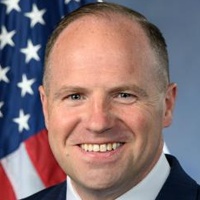
Timothy Kennedy
Representative
NY
Timothy Kennedy
Representative
NY
The DHS Release Transparency Act requires U.S. Customs and Border Protection (CBP) and U.S. Immigration and Customs Enforcement (ICE) to offer detained individuals the option to designate a point of contact for release notifications. If designated, the Department of Homeland Security must notify this contact before releasing the individual, ensuring translation services are provided throughout the process. Crucially, the collected contact information cannot be used for any enforcement actions.
The Department of Homeland Security Accountability Act of 2026 mandates timely congressional notification and independent investigations into all serious injuries or deaths occurring within DHS custody or resulting from agency actions.
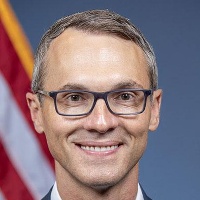
James Walkinshaw
Representative
VA
James Walkinshaw
Representative
VA
The Department of Homeland Security Accountability Act of 2026 mandates that the DHS notify Congress and local representatives within 72 hours of any serious injury or death occurring in its custody or resulting from personnel actions. The bill requires independent investigations into these incidents, establishes strict evidence preservation protocols, and enforces administrative leave for employees involved in lethal force incidents. These measures aim to increase transparency and ensure rigorous oversight of DHS operations.
This resolution expresses support for designating May 2026 as Mental Health Awareness Month to address the worsening mental health crisis and promote access to care.
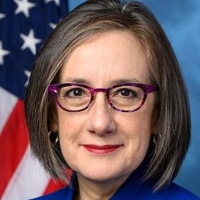
Andrea Salinas
Representative
OR
Andrea Salinas
Representative
OR
This resolution expresses support for designating May 2026 as Mental Health Awareness Month. It highlights the urgent and worsening national mental health crisis, citing alarming statistics across various demographics, including youth and high-risk groups. The bill aims to remove stigma, declare mental health a national priority, and support expanded funding and access to necessary services.
The Stay Cool Act coordinates federal heat response, funds community cooling centers and housing upgrades, and invests in urban green infrastructure to mitigate extreme heat risks.
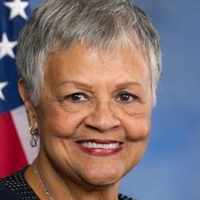
Bonnie Watson Coleman
Representative
NJ
Bonnie Watson Coleman
Representative
NJ
The **Stay Cool Act** is a comprehensive bill designed to combat the dangers of extreme heat through coordinated federal response, improved public warnings, and direct aid to vulnerable seniors. It establishes significant grant programs to fund community cooling centers, upgrade public housing with air conditioning, and develop urban green spaces and water features for neighborhood cooling. Overall, the legislation aims to increase community resilience, protect residents in federally assisted housing, and ensure more equitable access to safe, cool environments during heat emergencies.
This resolution calls upon Americans to honor the service members who died defending freedom and peace on Memorial Day, 2026.
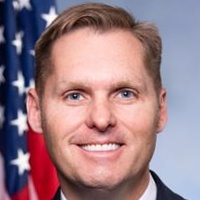
Michael Guest
Representative
MS
Michael Guest
Representative
MS
This resolution calls upon all Americans to honor the service members who died defending freedom and peace, particularly on Memorial Day 2026. It recognizes the ultimate sacrifice of over one million Americans in pursuit of these ideals. The bill emphasizes the importance of continuing to express gratitude and commemorate these patriots.
This bill disapproves the Department of Education's final rule on federal student loan programs, preventing its implementation.
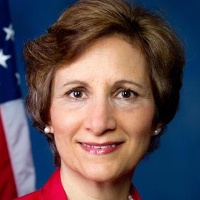
Suzanne Bonamici
Representative
OR
Suzanne Bonamici
Representative
OR
This bill seeks to disapprove the Department of Education's final rule regarding the "Reimagining and Improving Student Education-Federal Student Loan Program." By utilizing the Congressional Review Act, this legislation prevents the new regulations from taking legal effect. Consequently, the Department of Education cannot implement the changes outlined in that specific rule.
This bill expands Medicare Part B coverage to reimburse for specific pharmacist services related to testing and treatment for certain public health threats, effective January 1, 2026.

Adrian Smith
Representative
NE
Adrian Smith
Representative
NE
The Ensuring Community Access to Pharmacist Services Act expands Medicare Part B coverage to include services provided by pharmacists starting January 1, 2026. This coverage is specifically for testing or treatment related to COVID-19, the flu, RSV, strep throat, or during a declared public health emergency. The bill outlines payment structures, generally covering 80% of the cost, and prohibits pharmacists from balance billing Medicare patients for these covered services.
This act establishes a pilot grant program through the EPA to fund infrastructure projects that specifically improve recycling access in underserved communities.
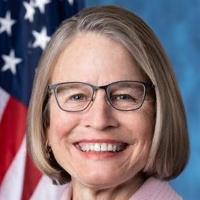
Mariannette Miller-Meeks
Representative
IA
Mariannette Miller-Meeks
Representative
IA
The Recycling Infrastructure and Accessibility Act of 2025 establishes a new EPA pilot grant program to improve recycling access, focusing specifically on underserved communities. These competitive grants will fund infrastructure projects, such as building transfer stations or expanding curbside service, using a "hub-and-spoke" model. Priority is given to projects located far from existing materials recovery facilities, with grants ranging from $\$500,000$ to $\$15$ million.
This Act establishes a program for eligible noncitizen veterans removed or facing removal to adjust their status to lawful permanent residents and protects current noncitizen service members and veterans from removal except for convictions of violent crimes.
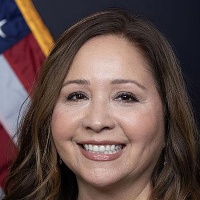
Adelita Grijalva
Representative
AZ
Adelita Grijalva
Representative
AZ
The Veterans Visa and Protection Act of 2026 establishes a program for noncitizen veterans removed or facing removal to return to the U.S. and adjust their status to lawful permanent residents. This Act prohibits the removal of noncitizen veterans and service members unless they have committed a qualifying crime of violence. Furthermore, it streamlines the path to naturalization and ensures eligible veterans receive all corresponding military and veterans benefits.
This act prohibits a sitting President from filing civil lawsuits against the United States and voids the settlement agreement in *Trump v. Internal Revenue Service*, banning federal funds for such settlements.

Lizzie Fletcher
Representative
TX
Lizzie Fletcher
Representative
TX
This Act prohibits a sitting President from filing civil lawsuits against the United States. It also voids the settlement agreement in the specific case of *Trump v. Internal Revenue Service*. Furthermore, the bill bans the use of federal funds to establish any compensation fund to settle civil actions brought by a President or former President against the U.S.
This bill mandates the NIH to study and report on the development of a standardized, noninvasive HPV test for men to close a critical gap in cancer prevention and public health equity.
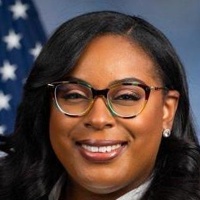
LaMonica McIver
Representative
NJ
LaMonica McIver
Representative
NJ
The Closing the HPV Testing Gap Act directs the National Institutes of Health (NIH) to conduct a comprehensive study on developing a standardized, noninvasive HPV test for men. This action aims to close a critical gap in cancer prevention and public health surveillance, which currently lacks FDA-approved testing for men. The resulting report will provide recommendations for research, implementation, and interagency coordination to advance gender equity in cancer prevention efforts.
This act prohibits the imposition of the death penalty for any federal crime and mandates resentencing for those previously sentenced to death.
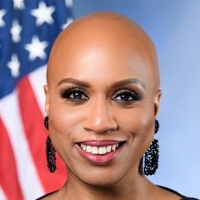
Ayanna Pressley
Representative
MA
Ayanna Pressley
Representative
MA
This Act, the Federal Death Penalty Prohibition Act, immediately bans the imposition of the death penalty for all federal crimes upon enactment. It also mandates that individuals previously sentenced to death for federal offenses must be resentenced.
This bill establishes a demonstration project for states to test alternative payment models in Medicaid and CHIP to improve maternal health outcomes for pregnant and postpartum individuals.

Janice Schakowsky
Representative
IL
Janice Schakowsky
Representative
IL
The IMPACT to Save Moms Act establishes a demonstration project for states to test alternative payment models for maternity care within Medicaid and CHIP programs. This project aims to improve maternal health outcomes, particularly for high-risk groups, by considering factors like risk stratification and social determinants of health. The Secretary of HHS must evaluate the project's impact and report recommendations to Congress on potential national expansion.
The **Protecting Our Democracy Act** imposes sweeping restrictions on presidential power, enhances congressional oversight, strengthens ethics and anti-corruption laws, and bolsters accountability for federal officials.
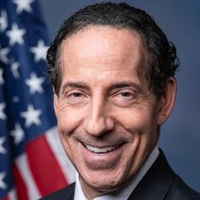
Jamie Raskin
Representative
MD
Jamie Raskin
Representative
MD
The **Protecting Our Democracy Act** imposes sweeping reforms across the executive branch to strengthen accountability and restore checks and balances. It restricts presidential pardon power, closes loopholes to ensure no President is above the law, and enforces constitutional emoluments clauses to prevent self-enrichment. Furthermore, the Act enhances congressional oversight by strengthening subpoena enforcement, increasing transparency around White House visitors and tax returns, and protecting federal whistleblowers from retaliation.
This Act funds data collection, research, public communication, and task force recommendations to improve maternal health outcomes during public health emergencies.
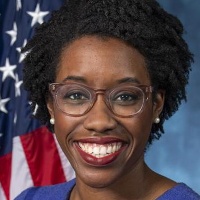
Lauren Underwood
Representative
IL
Lauren Underwood
Representative
IL
The Maternal Health Pandemic Response Act aims to improve maternal and infant health outcomes during public health emergencies. It authorizes significant funding for enhanced data collection, surveillance, and research across various CDC programs. Furthermore, the bill mandates public data disclosure, requires public health communication campaigns, and establishes a task force to develop federal recommendations for ensuring safe, respectful, and equitable maternity care during crises.
This bill designates May 2025 as Jewish American Heritage Month while calling for efforts to counter antisemitism and educate the public on the community's vital contributions.
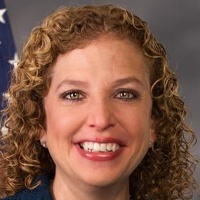
Debbie Wasserman Schultz
Representative
FL
Debbie Wasserman Schultz
Representative
FL
This resolution designates May 2025 as Jewish American Heritage Month to recognize the significant contributions of Jewish Americans to the nation. It also addresses the concerning rise in antisemitism across the country. The bill calls on leaders to actively counter hate, educate the public on Jewish heritage, and ensure the safety and dignity of Jewish Americans.
This act establishes universal free breakfast and lunch programs in schools, eliminates meal debt, and updates poverty metrics across various federal education and nutrition programs.

Ilhan Omar
Representative
MN
Ilhan Omar
Representative
MN
The Universal School Meals Program Act of 2026 establishes permanent, universal free breakfast and lunch programs for all enrolled students at participating schools, eliminating income tests and meal debt collection. The bill significantly updates federal funding mechanisms by replacing reliance on free and reduced-price lunch data with new measures for identifying economically disadvantaged students across various education and social programs. Furthermore, it expands access to summer and afterschool meals while making technical amendments across several federal education and nutrition laws.
This act mandates the U.S. representative at international financial institutions to oppose funding for foreign shrimp farming, processing, or export projects, with a limited waiver option.
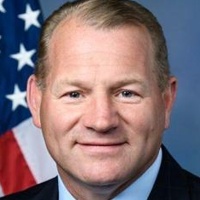
Troy Nehls
Representative
TX
Troy Nehls
Representative
TX
The Save Our Shrimpers Act mandates that the U.S. representative at international financial institutions must vote against and formally oppose any financial assistance for projects related to shrimp farming, processing, or exports in borrowing countries. This action aims to protect the domestic shrimping industry. The Treasury Secretary can waive this requirement if deemed in the U.S. national interest, and the mandate is set to expire after seven years.