Legislative Activity
Track Gilbert's sponsored bills, co-sponsored legislation, and voting record
This constitutional amendment prohibits immunity from criminal prosecution for federal officials based on their official duties and bars the President from self-pardoning.
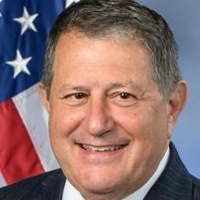
Joseph Morelle
Representative
NY
Joseph Morelle
Representative
NY
This proposed constitutional amendment would eliminate immunity from criminal prosecution for federal officials, including the President, based on their official duties. It also explicitly prohibits the President from issuing a self-pardon for any federal crimes. If ratified, these changes would take effect immediately.
The Supporting Apprenticeship Colleges Act of 2025 establishes grant programs to boost outreach for construction and manufacturing apprenticeships and to fund academic advising and student support services for apprentices in those fields.
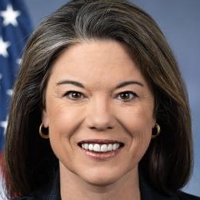
Angie Craig
Representative
MN
Angie Craig
Representative
MN
The Supporting Apprenticeship Colleges Act of 2025 establishes two grant programs totaling \$10 million annually to boost construction and manufacturing apprenticeships. The first program funds community outreach to recruit students and connect programs with local employers, particularly in rural areas. The second program provides funds for expanded academic advising and student support services to improve program retention and completion rates. The Act also formally defines specialized apprenticeship colleges and sets reporting requirements for grant recipients.
The Burma GAP Act establishes U.S. policy to hold the Burmese military accountable for genocide against the Rohingya, appoints a Special Representative, and mandates comprehensive support for the protection, justice, and durable solutions for the Rohingya people.
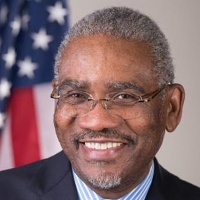
Gregory Meeks
Representative
NY
Gregory Meeks
Representative
NY
The Burma Genocide Accountability and Protection Act (Burma GAP Act) establishes a comprehensive U.S. policy to address the ongoing atrocities against the Rohingya people in Myanmar. The bill mandates the appointment of a Special Representative for Burma, increases humanitarian and protection support for refugees, and prioritizes accountability for genocide and crimes against humanity. Furthermore, it commits the U.S. to isolating the military junta until civilian rule is restored.
This bill directs the U.S. Postal Service to assign single, unique ZIP Codes to 66 specific communities across the nation.
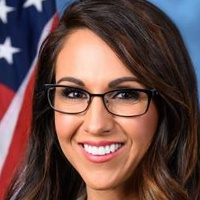
Lauren Boebert
Representative
CO
Lauren Boebert
Representative
CO
This bill directs the United States Postal Service (USPS) to assign a single, unique ZIP Code to 66 specific communities across numerous states. The USPS is required to complete this designation process within 270 days of the law's enactment. This measure aims to ensure these designated towns and areas each have their own distinct postal code.
The SUPPLY Act establishes a new HUD insurance program for second mortgages used to finance the construction of accessory dwelling units (ADUs) and directs Fannie Mae and Freddie Mac to purchase and securitize those insured loans.
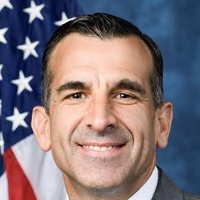
Sam Liccardo
Representative
CA
Sam Liccardo
Representative
CA
The Supporting Upgraded Property Projects and Lending for Yards (SUPPLY) Act establishes a new federal insurance program, managed by HUD, to specifically back second mortgages used for financing the construction of Accessory Dwelling Units (ADUs). This legislation also directs the FHFA to allow Fannie Mae and Freddie Mac to purchase and securitize these newly insured ADU construction loans, subject to risk oversight. The goal is to increase the availability of financing for property owners looking to add secondary housing units.
This bill directs HUD to create a federal insurance program for second mortgages used to finance the construction of accessory dwelling units (ADUs) and allows Fannie Mae and Freddie Mac to purchase and securitize those insured loans.
Sam Liccardo
Representative
CA
Sam Liccardo
Representative
CA
This bill directs the Secretary of Housing and Urban Development (HUD) to establish a federal insurance program for second mortgages used to finance the construction of Accessory Dwelling Units (ADUs). The program will insure loans up to a specified limit based on property value and potential rental income. Furthermore, it requires the FHFA Director to permit Fannie Mae and Freddie Mac to purchase and securitize these newly insured ADU construction loans, subject to market risk oversight.
This bill prohibits U.S. Immigration and Customs Enforcement (ICE) from using federal funds to detain or transport U.S. citizens during civil immigration enforcement activities.
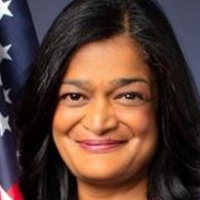
Pramila Jayapal
Representative
WA
Pramila Jayapal
Representative
WA
The Stop ICE from Kidnapping U.S. Citizens Act strictly prohibits U.S. Immigration and Customs Enforcement (ICE) from using any federal funds for civil immigration enforcement activities involving U.S. citizens. Specifically, this bill bans ICE from spending money to detain or transport any citizen of the United States. This measure ensures federal funds are not used to wrongfully target or remove American citizens.
This resolution declares the Trump administration's fossil fuel directives a health and safety emergency disproportionately harming children's fundamental rights by worsening climate change and suppressing climate science.
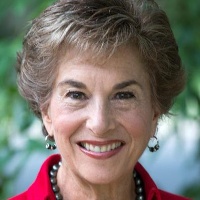
Janice Schakowsky
Representative
IL
Janice Schakowsky
Representative
IL
This resolution declares a health and safety emergency disproportionately affecting children due to prior administration directives that promoted fossil fuels and suppressed climate science. Congress asserts that these actions harm children's fundamental rights to life and a stable environment by worsening climate change impacts. The bill demands the current administration cease policies that increase greenhouse gases and restore access to suppressed climate research. Ultimately, it calls for aligning all energy and climate laws with the duty to protect the rights and future of young people.
This Act mandates federal standards requiring employers to implement comprehensive heat illness and injury prevention programs to protect workers from dangerous heat stress.
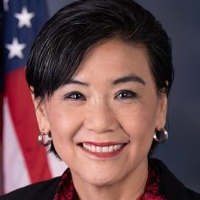
Judy Chu
Representative
CA
Judy Chu
Representative
CA
The Asunción Valdivia Heat Illness, Injury, and Fatality Prevention Act of 2025 mandates that employers protect workers from dangerous heat stress by establishing comprehensive safety standards. This Act requires the Secretary of Labor to create evidence-based rules covering engineering controls, administrative procedures, required training, and paid rest breaks to prevent heat-related illness. Furthermore, the law establishes strict enforcement mechanisms, whistleblower protections, and specific timelines for the implementation of these new federal heat protection standards.
This bill authorizes the creation and sale of commemorative coins for the 2028 Los Angeles and 2034 Salt Lake City Olympic and Paralympic Games to help fund the events, with all surcharges going to the respective organizing committees after covering production costs.
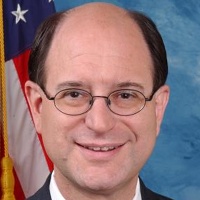
Brad Sherman
Representative
CA
Brad Sherman
Representative
CA
This Act authorizes the Secretary of the Treasury to mint and sell special commemorative coins for the 2028 Los Angeles Olympic and Paralympic Games and the 2034 Salt Lake City Winter Olympic and Paralympic Games. The coins will feature designs celebrating American athletes and the Games themselves. All surcharges collected from the sale of these coins will be directed to the respective organizing committees to help fund the events and related youth sports programs. The entire program must be conducted at no cost to the U.S. Government.
This resolution expresses support for designating July 10th as Journeyman Lineworkers Recognition Day to honor the dangerous and essential service provided by these workers, especially during crises.
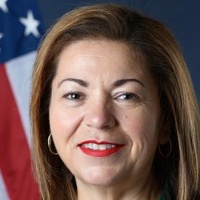
Linda Sánchez
Representative
CA
Linda Sánchez
Representative
CA
This resolution expresses support for designating July 10th as Journeyman Lineworkers Recognition Day. It honors the essential and dangerous work performed by these skilled professionals, especially their heroic efforts in restoring power after major disasters. The day serves to recognize their service and remember those who have lost their lives performing this vital work.
This bill allows DACA recipients to enlist in the Armed Forces and modernizes the naturalization process for non-citizens serving in the military.
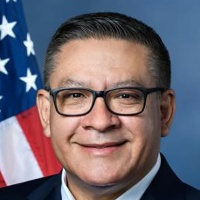
Salud Carbajal
Representative
CA
Salud Carbajal
Representative
CA
The Fight for the American Dream Act amends eligibility requirements to allow individuals with DACA status and an employment authorization document to enlist in the U.S. Armed Forces. The bill also modernizes and streamlines the naturalization process for non-citizens serving in the military by updating relevant sections of the Immigration and Nationality Act. These changes simplify service requirements and update terminology for military naturalization benefits.
This act amends tax law to allow taxpayers to deduct wagering losses dollar-for-dollar against their wagering winnings, up to the full amount of those winnings.
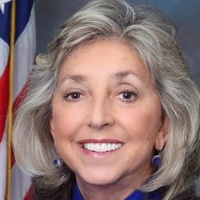
Dina Titus
Representative
NV
Dina Titus
Representative
NV
The FAIR Bet Act amends tax law to allow taxpayers to deduct wagering losses dollar-for-dollar against their wagering winnings, up to 100% of those winnings. This change modifies the previous limitation on deducting gambling losses. Essentially, it ensures that gambling losses can fully offset gambling income for tax purposes.
This bill establishes a grant program to help high-need school districts hire, retain, and diversify mental health professionals to expand student access to services.
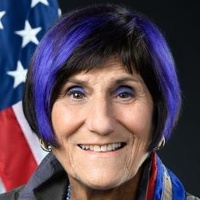
Rosa DeLauro
Representative
CT
Rosa DeLauro
Representative
CT
The Expanding Access to Mental Health Services in Schools Act of 2025 establishes a new federal grant program to increase the number of mental health professionals in high-need school districts. This funding is specifically designed to help eligible agencies recruit, hire, and retain school counselors, psychologists, and social workers. Grantees must demonstrate a plan to improve student-to-provider ratios and report annually on staffing improvements and provider retention.
The GLOBE Act of 2025 mandates comprehensive U.S. government action to protect and promote the human rights of LGBTQI people globally through diplomatic strategies, targeted sanctions, foreign aid reform, and immigration protections.
Dina Titus
Representative
NV
Dina Titus
Representative
NV
The GLOBE Act of 2025 establishes a comprehensive U.S. strategy to champion and protect the human rights of LGBTQI people globally through diplomacy, targeted sanctions, and foreign assistance reforms. The bill mandates enhanced reporting on violence and discrimination while creating new interagency roles and funds to support international advocacy and development efforts. Furthermore, it reforms immigration law to better protect LGBTQI asylum seekers and ensures inclusive implementation of U.S. global health programs like PEPFAR.
The CONNECT for Health Act of 2025 permanently expands Medicare telehealth access by removing geographic restrictions, increasing practitioner flexibility, bolstering program integrity, and mandating supports for quality remote care delivery.
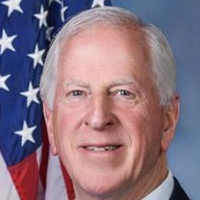
Mike Thompson
Representative
CA
Mike Thompson
Representative
CA
The CONNECT for Health Act of 2025 significantly expands and permanently secures access to Medicare telehealth services by eliminating outdated geographic restrictions and allowing more practitioners to offer remote care. The bill also strengthens program integrity by dedicating funds for telehealth oversight while clarifying rules around providing necessary technology to patients. Finally, it mandates the creation of tailored educational resources and public reporting to improve quality measurement and transparency in remote care delivery.
This resolution formally recognizes the history, achievements, and ongoing struggles of the LGBTQIA+ community while encouraging the celebration of Pride Month and affirming that LGBTQIA+ rights are human rights.
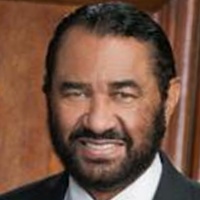
Al Green
Representative
TX
Al Green
Representative
TX
This resolution formally recognizes the history, achievements, and ongoing struggles of the LGBTQIA+ community in the United States. It serves as a declaration by Congress affirming that LGBTQIA+ rights are human rights and encouraging the celebration of Pride Month. The bill highlights key historical milestones, legal victories, and acknowledges the persistent challenges and violence faced by the community. Ultimately, it commits the U.S. to continuing the pursuit of full equality for all citizens.
This resolution recognizes the right to peaceful protest while condemning violence and criticizing the federal government's controversial deployment of military forces during recent Los Angeles demonstrations.
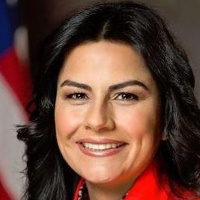
Nanette Barragán
Representative
CA
Nanette Barragán
Representative
CA
This resolution formally recognizes the constitutional right to peaceful protest while strongly condemning violence and illegal acts committed during demonstrations. It criticizes the federal government's deployment of military forces during recent events, arguing the actions were an overreach that bypassed proper legal and state authority. Ultimately, the bill asserts the importance of transparency in law enforcement and denounces rhetoric that escalates community tensions.
This Act prohibits states from interfering with or penalizing individuals who provide, receive, or facilitate abortion services that are legal in the state where the service occurs, including interstate travel for such care.

Lizzie Fletcher
Representative
TX
Lizzie Fletcher
Representative
TX
The Ensuring Women’s Right to Reproductive Freedom Act prohibits states from interfering with or retaliating against individuals who provide or receive abortion services that are legal in the state where the service occurs. This protection extends to interstate travel for legal abortion care and the movement of FDA-approved abortion-related drugs across state lines. Individuals harmed by violations can sue in federal court for damages and legal fees.
The Women’s Health Protection Act of 2025 establishes a federal right to access abortion services before fetal viability and protects the right to travel for care, overriding state restrictions that place burdens on abortion access not imposed on comparable medical procedures.
Judy Chu
Representative
CA
Judy Chu
Representative
CA
The Women’s Health Protection Act of 2025 establishes a federal statutory right to access abortion services, prohibiting medically unnecessary restrictions that impede care before fetal viability. This Act protects the right of patients to travel across state lines to receive reproductive healthcare and allows providers to offer services free from state interference that conflicts with established medical standards. It preempts conflicting state and local laws and provides robust enforcement mechanisms for individuals and the Attorney General to challenge violations.