Legislative Activity
Track Angie's sponsored bills, co-sponsored legislation, and voting record
This resolution officially designates June as LGBTQIA+ Pride Month to honor the community's history, acknowledge ongoing discrimination, and affirm Congressional support for their equal rights and freedoms.
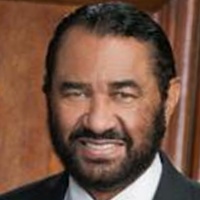
Al Green
Representative
TX
Al Green
Representative
TX
This resolution officially designates June as LGBTQIA+ Pride Month to honor the history, struggles, and triumphs of the community. It recounts key moments in the fight for equality, from early uprisings to landmark legal victories. The bill affirms that LGBTQIA+ rights are human rights and encourages national recognition of the ongoing pursuit of full equality for all.
This bill establishes a NIST pilot program to create standardized documentation templates and guidelines for artificial intelligence models and their training data.
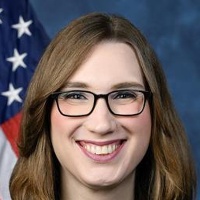
Sarah McBride
Representative
DE
Sarah McBride
Representative
DE
The READ AI Models Act establishes a pilot program, managed by NIST, to create standardized documentation for artificial intelligence models and their training data. This initiative will develop a flexible template and technical guidelines, incorporating stakeholder input, to ensure transparency about AI model development. Following a review, NIST will report on the program's effectiveness and potentially establish permanent documentation standards.
This bill establishes the "Workforce for AI Trust Act" to expand NSF fellowships and training in trustworthy AI, and directs NIST to develop a standardized AI workforce framework.
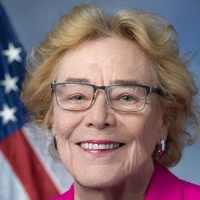
Zoe Lofgren
Representative
CA
Zoe Lofgren
Representative
CA
The Workforce for AI Trust Act aims to strengthen the U.S. artificial intelligence workforce by investing in research and training. It directs the National Science Foundation (NSF) to establish new AI fellowships and skills programs focused on trustworthy AI development. Additionally, the bill mandates the National Institute of Standards and Technology (NIST) to create a comprehensive AI workforce framework to define roles, skills, and competencies for the growing AI sector.
This bill directs NIST to develop best practices for measuring data center energy and water use, with a focus on AI workloads, and to study data availability for improved energy demand forecasting.
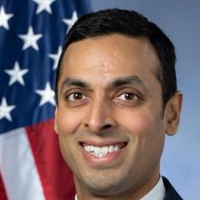
Suhas Subramanyam
Representative
VA
Suhas Subramanyam
Representative
VA
This bill directs the National Institute of Standards and Technology (NIST) to develop best practices, standards, and methodologies for accurately measuring the energy and water consumption of data centers, with a special focus on AI workloads. The legislation also mandates a study on data availability to improve energy demand forecasting capabilities for these facilities. The goal is to enhance measurement accuracy and promote standardized data sharing among stakeholders.
This bill authorizes a single Congressional Gold Medal to honor the individuals who defended Bataan, Corregidor, and other Pacific locations during World War II.
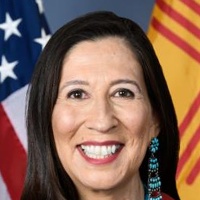
Teresa Leger Fernandez
Representative
NM
Teresa Leger Fernandez
Representative
NM
This bill authorizes the award of a single Congressional Gold Medal to recognize the collective heroism of the individuals who defended Bataan, Corregidor, and other locations in the Pacific theater during World War II. The medal honors the extraordinary sacrifice of U.S. service members and Filipino forces who fought and endured imprisonment by Imperial Japan. Following the presentation, the medal will be permanently displayed at the Smithsonian's National Museum of American History. The legislation also allows for the production and sale of bronze duplicate medals.
This bill renames and revises the Great American Outdoors Act's maintenance fund, increases dedicated funding through new, higher fees for foreign visitors, and sets spending priorities for deferred maintenance across public lands agencies.
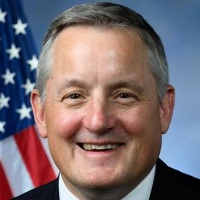
Bruce Westerman
Representative
AR
Bruce Westerman
Representative
AR
This bill, the Great American Outdoors Act 250, significantly reforms and renames the existing public lands restoration fund to the America’s Legacy Restoration Fund. It secures dedicated funding streams, primarily from energy revenues and new fees on foreign visitors, to address critical deferred maintenance across the National Park Service, Forest Service, and other public land agencies. The legislation establishes strict spending priorities for infrastructure repair while also creating pilot programs for enhancing outdoor recreation and sportsmen's access. Finally, it mandates increased transparency and accountability through standardized metrics and public reporting on all funded projects.
This bill directs the presentation of Congressional Gold Medals to the Artemis II crew members in recognition of their historic mission beyond low Earth orbit.
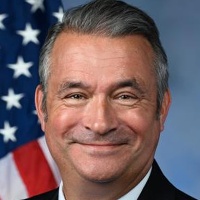
Don Bacon
Representative
NE
Don Bacon
Representative
NE
This bill directs the presentation of Congressional Gold Medals to the crew of the Artemis II mission to recognize their historic achievements in returning humans beyond low Earth orbit. The medals will honor the crew's role in setting new space exploration records and paving the way for future lunar and Mars missions. The Secretary of the Treasury is authorized to strike these medals and produce bronze duplicates for sale.
This bill restricts federal agencies from relocating to states with restrictive abortion laws, provides travel allowances and administrative leave for employees seeking out-of-state reproductive care, and protects employees' privacy regarding such care in security clearance and personnel decisions.
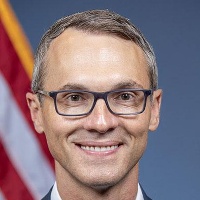
James Walkinshaw
Representative
VA
James Walkinshaw
Representative
VA
The Federal Workforce Reproductive Rights Protection Act restricts federal agencies from relocating operations to states with restrictive abortion laws. It also provides federal employees with travel allowances and administrative leave to access out-of-state reproductive healthcare services. Furthermore, the bill prohibits using reproductive health decisions as a factor in security clearance determinations or other personnel actions.
This Act establishes the fundamental right to vote in federal elections and prohibits governments from imposing undue burdens or substantial impairments on that right through a rigorous judicial review process.
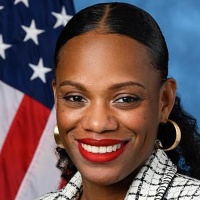
Summer Lee
Representative
PA
Summer Lee
Representative
PA
The Right to Vote Act establishes the fundamental right of every citizen to vote in federal elections and prohibits governments from imposing undue burdens on this right. It sets strict standards for when a government action that diminishes or substantially impairs voting can be upheld, requiring it to be the least restrictive means of furthering an important governmental interest. The Act also authorizes private citizens to bring civil actions in federal court to challenge violations, with expedited proceedings and provisions for awarding attorney's fees.
This act establishes a federal grant program to help states and tribal governments develop, implement, or improve their firearms dealer licensing programs.
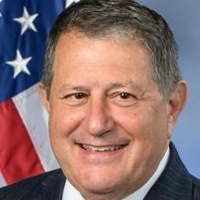
Joseph Morelle
Representative
NY
Joseph Morelle
Representative
NY
The State Firearms Dealer Licensing Enhancement Act establishes a federal grant program administered by the Attorney General to help states and tribal governments develop, improve, or evaluate their firearms dealer licensing programs. Eligible applicants must already have a law in place requiring state or tribal licensing for firearms dealers, which includes specific standards for application, inspection, and enforcement. Grant recipients must report annually on their licensing activities, and the Attorney General will report findings to Congress.
The Latonya Reeves Freedom Act of 2026 strengthens the right of individuals eligible for long-term services and supports to live in the most integrated community setting possible, holding states and providers accountable for transitioning people out of institutions.
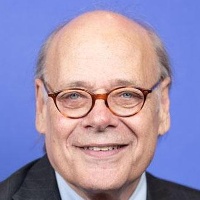
Steve Cohen
Representative
TN
Steve Cohen
Representative
TN
The Latonya Reeves Freedom Act of 2026 aims to strengthen the right of individuals eligible for long-term services and supports (LTSS) to live in the most integrated community setting possible. It prohibits discrimination by public entities and insurers against those who qualify for institutional placement but desire community-based services. The Act mandates comprehensive planning, self-evaluation, and enforcement mechanisms to speed up the transition of individuals out of institutions and ensure maximum control over their supports.
This act doubles the maximum Pell Grant award, makes funding mandatory, extends eligibility to Dreamer students, restores previous eligibility limits, and reforms Satisfactory Academic Progress rules.
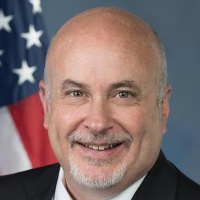
Mark Pocan
Representative
WI
Mark Pocan
Representative
WI
The Pell Grant Preservation and Expansion Act of 2026 aims to significantly strengthen federal student aid by doubling the maximum Pell Grant award and funding it through mandatory appropriations. This bill also expands eligibility to include Dreamer students, restores Pell Grant eligibility for students with certain scholarships, and reforms Satisfactory Academic Progress (SAP) rules to make regaining aid easier after academic setbacks. These changes are designed to stabilize and expand access to postsecondary education for millions of students.
This resolution expresses support for designating June 21, 2026, as National ASK (Asking Saves Kids) Day to promote children's health through secure gun storage awareness.
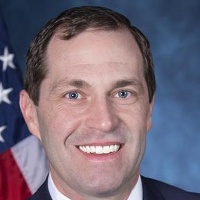
Jason Crow
Representative
CO
Jason Crow
Representative
CO
This resolution expresses support for designating June 21, 2026, as National ASK (Asking Saves Kids) Day. The day aims to promote children's health by encouraging parents to ask about the secure storage of guns in homes before their children visit. It highlights the critical need for safe gun storage given the high rates of youth firearm deaths and injuries.
This bill mandates the creation of an online detainee locator system by DHS, requires notification for medical transfers, and increases public reporting on CBP arrests and enforcement operations.
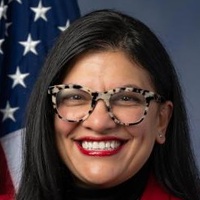
Rashida Tlaib
Representative
MI
Rashida Tlaib
Representative
MI
This bill, the "Find Our Families Act of 2026," mandates the creation of a public, online detainee locator system for individuals in CBP and ICE custody, accessible in multiple languages. It requires timely posting of custody and location information, along with new notification requirements for medical transfers to family members. Additionally, the bill requires the public reporting of detailed information regarding CBP arrests and ongoing enforcement operations.
This act repeals the federal tax credit for contributions to scholarship organizations and eliminates the income exclusion for certain scholarship amounts received from those organizations.
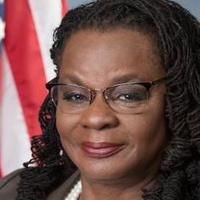
Gwen Moore
Representative
WI
Gwen Moore
Representative
WI
The Keep Public Funds in Public Schools Act of 2026 aims to redirect funding by eliminating federal tax incentives for private school scholarships. Specifically, it repeals the tax credit for contributions to scholarship-granting organizations and removes the income exclusion for certain scholarship amounts received. These changes are set to take effect starting in 2027.
This bill prohibits federal executive agency employees from intervening in the administration of federal elections unless specifically authorized by law or acting outside their official capacity.
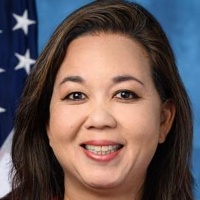
Jill Tokuda
Representative
HI
Jill Tokuda
Representative
HI
The "Hands Off Elections Act of 2026" prohibits federal executive agency employees from intervening in or directing the administration of federal elections. This ban includes exceptions for specific authorized federal duties and cybersecurity assistance. State chief law enforcement officers are empowered to seek court injunctions to enforce this prohibition.
This proposed constitutional amendment establishes a federal right to vote for all eligible citizens and mandates that states adhere to federal election standards, including same-day registration and voting.
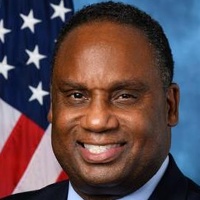
Jonathan Jackson
Representative
IL
Jonathan Jackson
Representative
IL
This proposed constitutional amendment establishes a fundamental federal right to vote for all eligible U.S. citizens. It prohibits denying or restricting this right and mandates that states administer elections according to federal standards, including requiring same-day registration and voting. Congress is authorized to pass legislation to enforce these provisions.
This act establishes grants to help schools obtain and administer emergency opioid overdose reversal drugs like naloxone, ensuring trained personnel are available during operating hours.
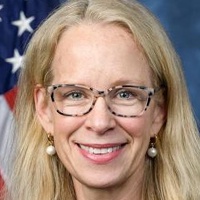
Kelly Morrison
Representative
MN
Kelly Morrison
Representative
MN
The School Access to Naloxone Act of 2026 expands federal grant funding to support both prescribing and administering opioid overdose reversal drugs. The bill establishes a new grant program specifically for elementary and secondary schools to acquire and maintain emergency opioid overdose reversal drugs and devices. To receive funding, schools must certify they have trained personnel, accessible supplies, and adequate state liability protections for administering the medication.
This bill establishes a mandatory timeline and binding arbitration process to expedite the negotiation of first-time collective bargaining agreements between employers and newly certified unions.
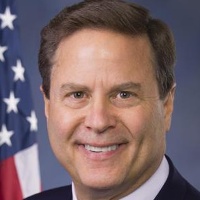
Donald Norcross
Representative
NJ
Donald Norcross
Representative
NJ
The Faster Labor Contracts Act aims to speed up the process of securing a first collective bargaining agreement after a union is certified. It establishes a mandatory timeline, including mediation and binding arbitration, if an agreement is not reached within 90 days of bargaining. This process is designed to prevent lengthy delays that currently weaken the union's position. The bill also requires a GAO report on current time-to-contract averages.
This act expands the Gun Free School Zones Act to include early childhood education programs and preschools under the definition of a "school zone."
Suhas Subramanyam
Representative
VA
Suhas Subramanyam
Representative
VA
The Protect Every Preschooler Act of 2026 expands the existing Gun Free School Zones Act to include early childhood education programs and preschools. This amendment broadens the definition of a "school" to ensure these younger educational settings are covered under federal gun-free zone restrictions.