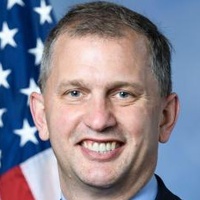
Legislative Activity
Track Sean's sponsored bills, co-sponsored legislation, and voting record
This bill repeals specific prior health reconciliation provisions and expands eligibility for the Premium Tax Credit by removing the 400% income cap and adjusting the subsidy calculation formula.
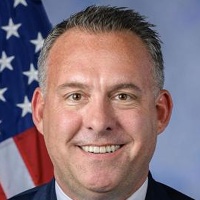
Adam Gray
Representative
CA
Adam Gray
Representative
CA
The Protecting Health Care and Lowering Costs Act of 2025 repeals specific prior reconciliation health provisions. This bill significantly expands eligibility for the Premium Tax Credit by eliminating the 400% Federal Poverty Level income cap. It also updates the subsidy calculation formula to ensure a smoother, linear adjustment of assistance across various income levels.
This act repeals the prohibition on Medicaid payments to certain healthcare entities and mandates retroactive payment for services already rendered under the repealed ban.
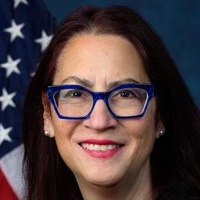
Laura Friedman
Representative
CA
Laura Friedman
Representative
CA
The Restoring Essential Healthcare Act repeals an outdated ban that prevented Medicaid from making payments to certain healthcare providers. This legislation ensures that these previously prohibited entities will now be reimbursed for medical services rendered between the enactment of the original ban and the passage of this Act. In short, it restores payment eligibility and retroactively covers past services.
The EATS Act of 2025 expands eligibility for SNAP benefits by removing previous restrictions for students enrolled at least half-time in recognized educational programs.
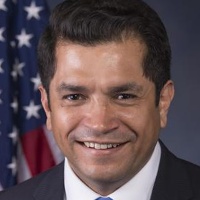
Jimmy Gomez
Representative
CA
Jimmy Gomez
Representative
CA
The EATS Act of 2025 significantly updates eligibility for the Supplemental Nutrition Assistance Program (SNAP) by removing previous restrictions that often disqualified students. This legislation explicitly includes bona fide students enrolled at least half-time in recognized educational programs as eligible participants for food assistance. These changes take effect on January 2, 2026.
This bill establishes the National Biochar Research Network to study the environmental, agricultural, and economic impacts of biochar application across various U.S. conditions.
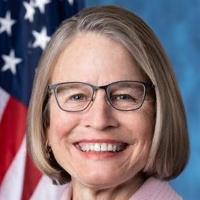
Mariannette Miller-Meeks
Representative
IA
Mariannette Miller-Meeks
Representative
IA
The Biochar Research Network Act of 2025 establishes a National Biochar Research Network, managed by the USDA, to study the real-world effectiveness of biochar across various soils and climates. This network will focus on quantifying carbon sequestration, improving crop production, and developing science-backed guidance for sustainable biochar use. The goal is to provide farmers and land managers with the data needed to boost profits while enhancing soil health and climate resilience.
This Act establishes a federal grant program to fund community-based mentoring initiatives for children and young adults who are currently in or have aged out of the foster care system.
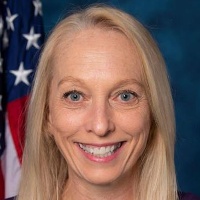
Mary Scanlon
Representative
PA
Mary Scanlon
Representative
PA
The Foster Youth Mentoring Act of 2025 establishes a new federal grant program to fund community-based organizations that provide structured, long-term mentoring for children and young adults who are currently or formerly in foster care. These grants aim to expand high-quality mentoring relationships, requiring rigorous mentor training, thorough background screening, and significant input from youth with lived experience. The goal is to improve outcomes for foster youth in areas like education, mental health, and successful transition to adulthood.
This bill officially renames the Department of Veterans Affairs community-based outpatient clinic in Bloomington, Illinois, to the "Andrew Jackson Smith Medal of Honor Department of Veterans Affairs Clinic."
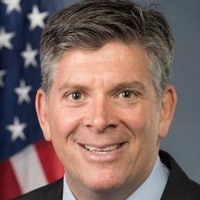
Darin LaHood
Representative
IL
Darin LaHood
Representative
IL
This bill officially renames the Department of Veterans Affairs community-based outpatient clinic in Bloomington, Illinois. The facility will now be known as the "Andrew Jackson Smith Medal of Honor Department of Veterans Affairs Clinic." This action honors Civil War hero Corporal Andrew Jackson Smith for his exceptional bravery at the Battle of Honey Hill.
The COOL OFF Act establishes a mandatory 3-day waiting period for handgun transfers, with specific exceptions for law enforcement, family loans, emergencies, and certain target practice or hunting scenarios.
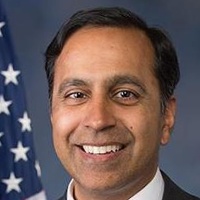
Raja Krishnamoorthi
Representative
IL
Raja Krishnamoorthi
Representative
IL
The Choosing Our Own Lives Over Fast Firearms Act, or COOL OFF Act, establishes a mandatory 3-business-day waiting period before an individual can receive a handgun, whether through a private sale or from a licensed dealer. This waiting period is waived for specific exceptions, such as transfers involving law enforcement, temporary family loans, or emergency situations to prevent serious harm. The law includes penalties for violations and will take effect 90 days after enactment.
The SAVES Act establishes a VA pilot program to award grants to nonprofits providing service dogs and veterinary insurance to eligible veterans managing specific service-connected conditions.
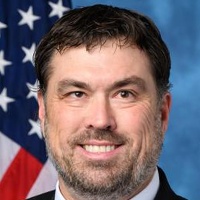
Morgan Luttrell
Representative
TX
Morgan Luttrell
Representative
TX
The SAVES Act establishes a Department of Veterans Affairs (VA) pilot program to award grants to nonprofit organizations that provide service dogs to eligible veterans. These grants, up to $\$2,000,000$ each, will fund the training and provision of service dogs for veterans with qualifying conditions like PTSD or TBI. The bill also extends the expiration date for certain limits on veterans' pension payments until February 2033.
This bill establishes a new system for distributing up to 2,000 additional Medicare-funded residency positions annually from 2026 through 2032, prioritizing hospitals serving underserved areas, and mandates a study on strategies to increase workforce diversity.
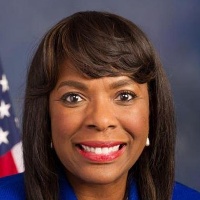
Terri Sewell
Representative
AL
Terri Sewell
Representative
AL
The Resident Physician Shortage Reduction Act of 2025 establishes a structured process for distributing up to 2,000 additional, federally funded residency positions annually between fiscal years 2026 and 2032. This distribution prioritizes hospitals serving in underserved areas, those already training above their limit, and those committed to primary care and general surgery training. The bill also mandates a study and report by the Comptroller General on effective strategies to increase diversity within the health professional workforce.
This bill establishes a federal grant program to help low-income households pay for their drinking water and sewer services.
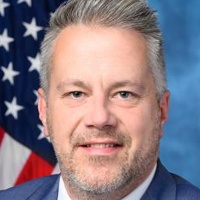
Eric Sorensen
Representative
IL
Eric Sorensen
Representative
IL
This bill establishes the Low-Income Household Water Assistance Program to provide grants to states and tribes. These funds will help public water systems cover the water and sewer bills for eligible low-income households. The program aims to supplement existing aid by assisting families whose income is at or below 150% of the poverty level or 60% of the state median income. Funding is authorized at $500 million annually from fiscal years 2026 through 2030.
The RAP Act of 2025 generally prohibits the use of a defendant's creative or artistic expressions as evidence in court unless the prosecution meets a high burden of proof demonstrating the work's literal relevance to the case.
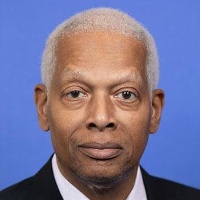
Henry Johnson
Representative
GA
Henry Johnson
Representative
GA
The Restoring Artistic Protection Act of 2025 (RAP Act) seeks to limit the admissibility of a defendant's creative or artistic expression in court proceedings. This bill adds a new rule to the Federal Rules of Evidence, generally banning the use of a defendant's art as evidence against them. The government can only introduce such evidence if it meets strict exceptions requiring clear and convincing proof that the art directly relates to the facts of the case and possesses unique evidentiary value. If admitted, the court must provide specific instructions to the jury regarding its consideration.
This constitutional amendment prohibits immunity from criminal prosecution for federal officials based on their official duties and bars the President from self-pardoning.
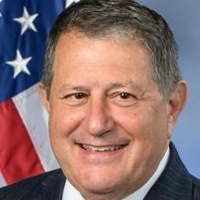
Joseph Morelle
Representative
NY
Joseph Morelle
Representative
NY
This proposed constitutional amendment would eliminate immunity from criminal prosecution for federal officials, including the President, based on their official duties. It also explicitly prohibits the President from issuing a self-pardon for any federal crimes. If ratified, these changes would take effect immediately.
The EACH Act of 2025 mandates that all federally funded health programs and facilities must cover and provide abortion services, while also prohibiting federal interference with private insurance coverage.
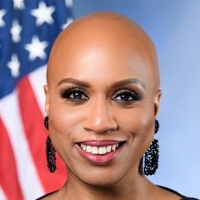
Ayanna Pressley
Representative
MA
Ayanna Pressley
Representative
MA
The EACH Act of 2025 aims to ensure equal access to abortion coverage by requiring all federally funded health programs and facilities to cover abortion services. This legislation prohibits federal interference with state or private insurance coverage of abortion and repeals Section 1303 of the Affordable Care Act. Ultimately, the bill seeks to eliminate financial and insurance barriers to abortion care, particularly for low-income individuals relying on programs like Medicaid.
This bill directs the U.S. Postal Service to assign single, unique ZIP Codes to 66 specific communities across the nation.
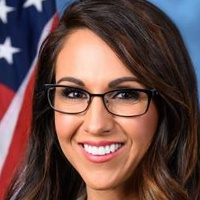
Lauren Boebert
Representative
CO
Lauren Boebert
Representative
CO
This bill directs the United States Postal Service (USPS) to assign a single, unique ZIP Code to 66 specific communities across numerous states. The USPS is required to complete this designation process within 270 days of the law's enactment. This measure aims to ensure these designated towns and areas each have their own distinct postal code.
This bill mandates the SEC to study, report on, and update its definition of "small entity" to ensure it accurately reflects current market conditions and covers a meaningful number of businesses.
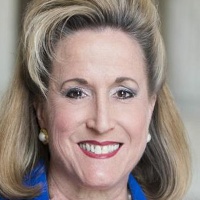
Ann Wagner
Representative
MO
Ann Wagner
Representative
MO
The Small Entity Update Act mandates that the Securities and Exchange Commission (SEC) periodically study and update its definition of "small entity" for regulatory purposes. This process requires the SEC to report findings and recommendations to Congress to ensure the definition aligns with market growth and covers a meaningful number of businesses. Following these studies, the SEC must revise its rules and periodically adjust any associated dollar thresholds for inflation.
This Act amends federal disaster relief law to explicitly include extreme heat and drought as qualifying events for major disaster declarations.
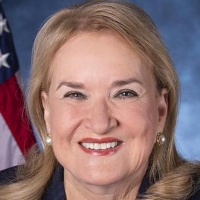
Sylvia Garcia
Representative
TX
Sylvia Garcia
Representative
TX
The Extreme Heat Emergency Act of 2025 amends federal law to formally recognize extreme heat and drought as qualifying events for major disaster declarations. This change ensures that regions suffering from severe heatwaves or droughts can access the same level of federal disaster relief assistance previously reserved for events like hurricanes or earthquakes.
The Healing Partnerships for Survivors Act establishes grants to foster collaboration between health, behavioral health, disability, and sexual assault service providers to create stronger, coordinated support systems for survivors of sexual assault.
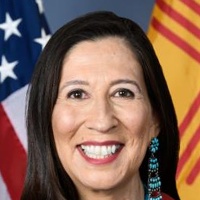
Teresa Leger Fernandez
Representative
NM
Teresa Leger Fernandez
Representative
NM
The Healing Partnerships for Survivors Act establishes new federal grants to foster stronger collaborations between health providers, behavioral health programs, disability services, and sexual assault organizations. These funds aim to create coordinated, trauma-informed systems of care that improve comprehensive support for survivors of sexual assault, including adult survivors of childhood sexual abuse. The grants will support activities like direct services, specialized training, and culturally relevant wellness options.
This Act establishes the Office of Climate Change and Health Equity within HHS to develop a national strategic action plan, supported by an advisory board and expert reports, to protect public health from climate change impacts.
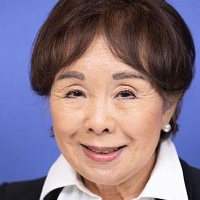
Doris Matsui
Representative
CA
Doris Matsui
Representative
CA
The Climate Change Health Protection and Promotion Act of 2025 establishes a new Office of Climate Change and Health Equity within HHS to coordinate federal efforts against climate-related health threats. This office is tasked with developing a comprehensive national strategic action plan to prepare the U.S. health sector for climate impacts, with a special focus on vulnerable communities. The Act also creates a science advisory board and mandates regular expert reports to ensure the national strategy is based on the best available science and continuously updated.
This Act mandates federal standards requiring employers to implement comprehensive heat illness and injury prevention programs to protect workers from dangerous heat stress.
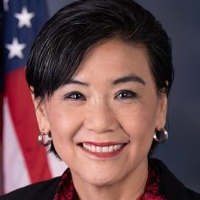
Judy Chu
Representative
CA
Judy Chu
Representative
CA
The Asunción Valdivia Heat Illness, Injury, and Fatality Prevention Act of 2025 mandates that employers protect workers from dangerous heat stress by establishing comprehensive safety standards. This Act requires the Secretary of Labor to create evidence-based rules covering engineering controls, administrative procedures, required training, and paid rest breaks to prevent heat-related illness. Furthermore, the law establishes strict enforcement mechanisms, whistleblower protections, and specific timelines for the implementation of these new federal heat protection standards.
This Act establishes increased federal research, public education, and provider information dissemination regarding uterine fibroids, with a focus on addressing racial disparities and non-hysterectomy treatment options.
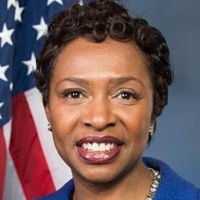
Yvette Clarke
Representative
NY
Yvette Clarke
Representative
NY
The Stephanie Tubbs Jones Uterine Fibroid Research and Education Act of 2025 aims to significantly increase federal research, public education, and provider awareness regarding uterine fibroids. The bill mandates expanded research coordination across federal agencies and authorizes funding to study the condition, which disproportionately affects minority women. It also requires the creation of public awareness campaigns detailing non-hysterectomy treatment options and mandates data collection on Medicaid/CHIP spending for fibroid treatments.