Legislative Activity
Track Rick's sponsored bills, co-sponsored legislation, and voting record
The Quiet Skies Act mandates that the Secretary of Transportation implement a federal rule prohibiting passengers from making voice calls on mobile phones during commercial airline flights.
Hillary Scholten
Representative
MI
Hillary Scholten
Representative
MI
The Quiet Skies Act directs the Secretary of Transportation to establish a formal rule prohibiting passengers from making voice calls on mobile phones during commercial airline flights. This legislation aims to ensure a quieter and more comfortable travel environment for all passengers.
This bill establishes the Center for AI Security and Innovation within NIST to measure AI risks, support information sharing, and ensure U.S. leadership in artificial intelligence research and evaluation.
Jay Obernolte
Representative
CA
Jay Obernolte
Representative
CA
This bill, the "AI Security and Innovation Act," establishes a new Center for AI Security and Innovation within the National Institute of Standards and Technology (NIST). The Center will focus on measuring AI risks, supporting information sharing, and ensuring U.S. leadership in AI research and evaluation. It will specifically evaluate the security of advanced AI systems against threats from foreign adversaries. The legislation authorizes funding through fiscal year 2032 and explicitly prohibits the Center from having any regulatory or enforcement authority.
This bill, the TSP Modernization Act, mandates the electronic transfer of Thrift Savings Fund account balances to qualified retirement plans one year after enactment.
Mike Bost
Representative
IL
Mike Bost
Representative
IL
The TSP Modernization Act facilitates the electronic transfer of funds from Thrift Savings Plan (TSP) accounts to qualified retirement plans. This change will take effect one year after the bill is enacted, allowing participants to move their savings more efficiently. The Federal Retirement Thrift Investment Board is responsible for implementing this new electronic transfer process.
This bill establishes the Smithsonian American Women's History Museum, designates its site on the National Mall, and sets requirements for its mission, construction, and diverse representation of viewpoints.
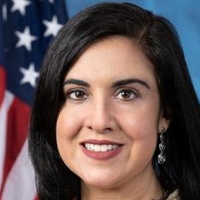
Nicole Malliotakis
Representative
NY
Nicole Malliotakis
Representative
NY
This act officially establishes the Smithsonian American Women’s History Museum and designates its location on the National Mall, requiring the transfer of land jurisdiction to the Smithsonian Institution. The museum is mandated to preserve and present the history and achievements of biological women in the United States. Furthermore, the legislation requires that exhibits and programs reflect diverse political viewpoints and authentic experiences of women, as guided by a broad array of knowledgeable sources.
This bill supports designating May 29, 2026, as "Mental Health Awareness in Agriculture Day" to raise awareness and reduce stigma surrounding mental health in the agricultural industry.
Mike Bost
Representative
IL
Mike Bost
Representative
IL
This bill supports designating May 29, 2026, as "Mental Health Awareness in Agriculture Day." The goal is to raise awareness about the unique mental health challenges faced by the agricultural industry and workforce. It also aims to continue reducing the stigma associated with mental illness in this vital sector.
This bill establishes the Combating Organized Retail Crime Act of 2025 to enhance federal prosecution tools against organized retail and supply chain crime and create a DHS-led coordination center to align law enforcement efforts.
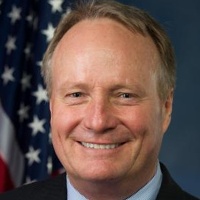
David Joyce
Representative
OH
David Joyce
Representative
OH
The Combating Organized Retail Crime Act of 2025 aims to combat sophisticated, cross-jurisdictional organized retail and supply chain theft. It achieves this by strengthening federal laws regarding money laundering and stolen property offenses, including lowering monetary thresholds for prosecution. Furthermore, the bill establishes a dedicated Center within the Department of Homeland Security to coordinate federal, state, and local enforcement efforts against these criminal organizations.
This resolution expresses support for America's law enforcement professionals by recognizing their service, acknowledging the dangers they face, and calling for necessary equipment, training, and funding to ensure their safety and effectiveness.
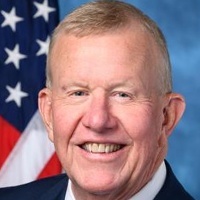
Mike Ezell
Representative
MS
Mike Ezell
Representative
MS
This resolution expresses strong support and appreciation for America's law enforcement professionals, recognizing their daily service and sacrifice. It honors officers who have been injured or killed in the line of duty and highlights recent crime reduction successes attributed to their efforts. The bill calls for increased support, including better equipment, training, mental health resources, and tougher penalties for assaulting officers, to ensure their safety and effectiveness.
This resolution mandates that certain House Members, officers, and employees complete a training program on counterintelligence and classified information protection to maintain access to classified materials.
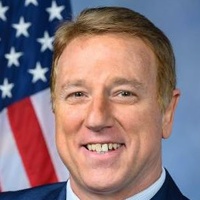
Patrick Fallon
Representative
TX
Patrick Fallon
Representative
TX
The STOP Resolution mandates that certain Members, officers, and employees of the House of Representatives must complete specialized training in counterintelligence and classified information protection. This training, administered by the Sergeant-at-Arms, must be completed within specific deadlines, with access to classified information restricted until compliance is verified. Failure to complete the required training results in penalties, including the denial of access to classified materials.
This Act establishes penalties and restrictions to deter foreign adversaries from stealing proprietary, closed-source artificial intelligence models owned by U.S. entities through model extraction attacks.
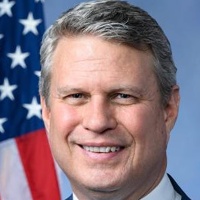
Bill Huizenga
Representative
MI
Bill Huizenga
Representative
MI
The Deterring American AI Model Theft Act of 2026 aims to protect proprietary, closed-source Artificial Intelligence models owned by U.S. entities from theft by foreign adversaries. It establishes new legal restrictions and penalties targeting "model extraction attacks" used by designated "entities of concern" to replicate advanced AI capabilities. The bill mandates government assessments, public reporting, and grants the President authority to impose sanctions against those found violating these provisions.
The MATCH Act mandates stricter export controls on semiconductor manufacturing equipment to countries of concern and requires the U.S. to coordinate with allied nations to prevent the transfer of critical technology to adversarial entities.
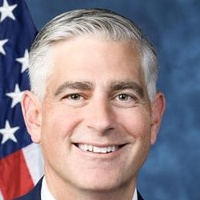
Michael Baumgartner
Representative
WA
Michael Baumgartner
Representative
WA
The Multilateral Alignment of Technology Controls on Hardware (MATCH) Act aims to protect U.S. national security by restricting adversary access to advanced semiconductor manufacturing equipment. The bill mandates diplomatic efforts to align export controls with allied nations and establishes a framework to impose strict U.S. regulations if those partners fail to implement sufficient safeguards. By targeting specific entities and facilities in countries of concern, the legislation seeks to close gaps in the current export control regime and maintain America’s technological advantage.
This bill establishes a whistleblower incentive and protection program within the Department of Commerce to encourage reporting of violations of U.S. export control laws, particularly concerning advanced AI chips.
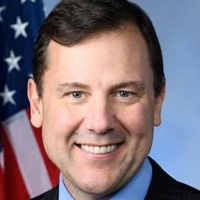
Thomas Kean
Representative
NJ
Thomas Kean
Representative
NJ
This bill, the "Stop Stealing our Chips Act," establishes a new whistleblower incentive and protection program within the Department of Commerce. It rewards individuals who provide original information leading to successful enforcement actions against violations of U.S. export control laws, particularly concerning advanced AI chips. The legislation also prohibits employers from retaliating against whistleblowers who report these violations.
This bill mandates comprehensive safety upgrades for civilian and military aviation, focusing on collision avoidance technology, air traffic control training, and enhanced airspace transparency, particularly around high-traffic airports.
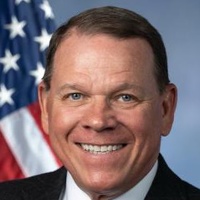
Sam Graves
Representative
MO
Sam Graves
Representative
MO
The Airspace Location and Enhanced Risk Transparency Act of 2026 mandates significant safety upgrades across both civilian and military aviation to prevent midair collisions. It requires the FAA to implement advanced collision avoidance systems and new air traffic controller training, while also compelling the Department of Defense to equip most military helicopters with transponders for increased visibility. The bill establishes new transparency measures, including public tracking of safety rule implementation and enhanced reporting on near-miss incidents, particularly around major airports like Reagan National.
This Act mandates the implementation of security mechanisms on advanced integrated circuit products before export to protect U.S. technology and enhance national security.
Bill Huizenga
Representative
MI
Bill Huizenga
Representative
MI
The Chip Security Act mandates the installation of security mechanisms on advanced integrated circuit products before they are exported from the United States. These requirements aim to verify chip location, prevent diversion, and protect U.S. technological leadership. The Secretary of Commerce must also study and implement additional security features to enhance export control enforcement and national security.
This resolution designates March 24, 2026, as "National Agriculture Day" to celebrate the vital role of the agricultural industry in the United States.
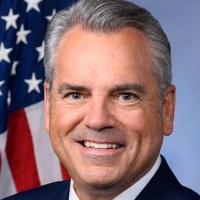
Mark Alford
Representative
MO
Mark Alford
Representative
MO
This resolution expresses support for designating March 24, 2026, as "National Agriculture Day." It celebrates the essential role of the agricultural sector and recognizes its status as one of the most impactful industries in the United States.
This resolution designates March 21, 2026, as "National Women in Agriculture Day" to honor the vital contributions and leadership of women across the U.S. agricultural sector.
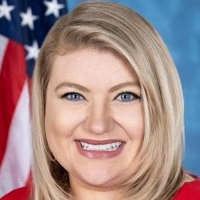
Katherine Cammack
Representative
FL
Katherine Cammack
Representative
FL
This resolution designates March 15–21, 2026, as a period to celebrate the vital contributions of women across the U.S. agricultural sector. It honors the millions of female producers, researchers, and educators who drive innovation and sustain the nation's food supply. By recognizing these leaders, the bill aims to inspire the next generation of women to pursue careers in agriculture and agribusiness.
This Act establishes new federal standards and requirements for states issuing commercial driver's licenses (CDLs) to individuals who are not residents of that issuing state, particularly focusing on drivers from foreign countries and U.S. territories.
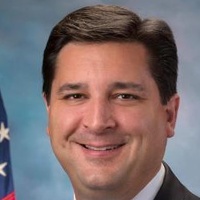
David Rouzer
Representative
NC
David Rouzer
Representative
NC
The Non-Domiciled CDL Integrity Act establishes new federal standards for states issuing Commercial Driver's Licenses (CDLs) to individuals who do not reside in that state. This bill sets specific, strict requirements for foreign nationals seeking a CDL, including proof of lawful status and job-related visas, while also outlining distinct procedures for applicants residing in U.S. territories. The legislation mandates enhanced record-keeping and reporting by states to the Secretary of Transportation regarding these non-domiciled licenses.
The Enhanced Iran Sanctions Act of 2025 mandates broad economic and immigration sanctions on foreign individuals, entities, and financial institutions that support Iran’s nuclear, missile, drone, or terrorist activities, while specifically targeting the country's petroleum and petrochemical sectors.
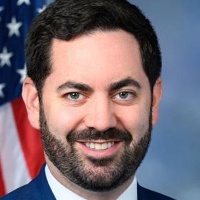
Michael Lawler
Representative
NY
Michael Lawler
Representative
NY
The Enhanced Iran Sanctions Act of 2025 strengthens U.S. policy by imposing mandatory sanctions on foreign persons and financial institutions that support Iran’s nuclear, ballistic missile, drone, and terrorist activities. The bill specifically targets Iran’s petroleum and petrochemical sectors to cut off funding for these malign programs. Additionally, it expands the State Department’s "Rewards for Justice" program to incentivize the reporting of individuals who evade these sanctions.
This bill prohibits federal agencies from providing funding or support for the creation or maintenance of state-level firearm ownership databases, with exceptions for records of lost or stolen weapons.

Paul Gosar
Representative
AZ
Paul Gosar
Representative
AZ
The Gun Owner Registration Information Protection Act prohibits federal agencies from providing funding or support for the creation and maintenance of state-level firearm ownership databases. This legislation ensures that federal resources cannot be used to track lawful gun owners, with a specific exception for databases tracking lost or stolen firearms.
This act modernizes rural development by standardizing the population threshold for USDA and DOE programs to 25,000 inhabitants, excluding incarcerated and military populations, while also expanding eligibility to U.S. territories.
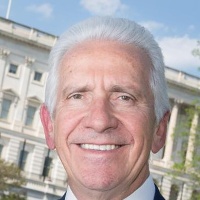
Jim Costa
Representative
CA
Jim Costa
Representative
CA
The Rural Development Modernization Act standardizes the definition of a "rural community" across key USDA programs, setting a uniform population threshold of 25,000 inhabitants. This legislation also mandates the exclusion of incarcerated and military base populations when calculating eligibility for these programs. Furthermore, it expands eligibility for federal rural development and water supply programs to include U.S. territories and clarifies definitions for various housing and energy initiatives. The bill also establishes an annual process for reassessing and potentially adjusting the rural population threshold.
This resolution supports designating a Career and Technical Education Month to celebrate and promote this vital educational pathway for preparing a skilled American workforce.
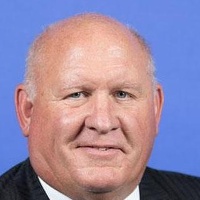
Glenn Thompson
Representative
PA
Glenn Thompson
Representative
PA
This resolution supports the goals of Career and Technical Education (CTE) Month by recognizing CTE's vital role in preparing students for high-demand, high-skill careers. It affirms that CTE is crucial for American economic competitiveness and encourages promotion of these educational pathways. The resolution celebrates the contributions of CTE programs across the nation.