This Act establishes penalties and restrictions to deter foreign adversaries from stealing proprietary, closed-source artificial intelligence models owned by U.S. entities through model extraction attacks.
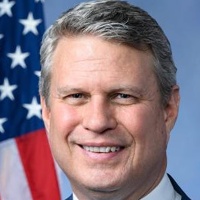
Bill Huizenga
Representative
MI-4
The Deterring American AI Model Theft Act of 2026 aims to protect proprietary, closed-source Artificial Intelligence models owned by U.S. entities from theft by foreign adversaries. It establishes new legal restrictions and penalties targeting "model extraction attacks" used by designated "entities of concern" to replicate advanced AI capabilities. The bill mandates government assessments, public reporting, and grants the President authority to impose sanctions against those found violating these provisions.
New Bill Aims to Shield U.S. AI from Foreign Theft with Sanctions and Surveillance
Alright, let's talk about the latest move to protect American tech. The Deterring American AI Model Theft Act of 2026 is looking to put some serious muscle behind safeguarding those cutting-edge AI models developed by U.S. companies. Think of it like this: if you’ve spent years building a custom engine for your car, you wouldn’t want someone from a rival company just sneaking in and copying it, right? This bill aims to stop exactly that, but for AI.
At its core, this legislation targets what it calls "model extraction attacks." This isn't just someone casually using a public AI; it's about unauthorized, often sneaky, attempts to query a closed-source AI model (the kind where the owner keeps the technical guts secret) to figure out how it works and then replicate, train, or improve another AI model. We're talking about queries that bypass security, use fake credentials, or violate terms of service specifically designed to prevent this kind of reverse engineering. The bill even says that the purpose of these queries can be inferred from patterns—like a ton of queries from one place or a coordinated effort. Basically, if it looks like you're trying to steal the recipe, they're calling it out.
The Watch List: Who's Stealing and Who's Helping?
One of the first things this bill demands is a deep dive from the Secretary of State, working with the Operating Committee for Export Policy. Within 180 days of the bill becoming law, they've got to figure out which foreign entities are pulling off these model extraction attacks against U.S. AI models and which ones are acting as fraudulent account network providers. These are the folks who knowingly set up or sell access to accounts that let bad actors get around geographic blocks or other restrictions to access AI models they shouldn't. So, if you're a company in a 'country of concern' (like China or Russia, specifically named in the bill, with others to be added later) and you're caught trying to steal AI, or you're providing the tools for others to do it, you're going to be on their radar.
This assessment isn't just a one-off. It'll include details on where these attacks originate, who's helping them (even government agencies of those countries), and the methods they use. They'll also be looking at the economic and national security consequences of these attacks. The Department of Commerce will then put out a public report within 210 days, and keep updating it annually for three years. There will also be a public AI Model Extraction Attackers List maintained by the State Department, naming and shaming specific individuals and entities for up to five years. For a small business owner relying on cutting-edge AI, this could mean better protection for their investment.
Consequences for Cheaters
Being on one of these lists isn't just for show. The bill gives the government some serious teeth. Entities identified as conducting or facilitating these attacks could find themselves on the Entity List, which means strict export controls. Even bigger, the President, through the Secretary of State, could use powers under the International Emergency Economic Powers Act to block and prohibit all transactions involving property and interests of these entities. That's a pretty big hammer, meaning they could freeze assets and essentially cut off financial dealings with U.S. persons or within the U.S. financial system. This could have a real impact on foreign companies that rely on global trade.
Now, there are some important caveats. These sanctions won't apply to humanitarian assistance, like selling food or medicine, or to anything needed for U.S. intelligence or national security activities. They also make an exception for admitting aliens into the U.S. if it's required by international obligations. So, while the bill is tough, it tries to avoid unintended humanitarian consequences.
What This Means for You and Your Business
If you're a U.S. company developing advanced AI, this bill is designed to offer you more protection for your intellectual property. The government is also tasked with setting up a system for you to voluntarily and confidentially share information about attacks you've experienced, which could help identify patterns and strengthen defenses across the board. The Secretary of Commerce will also publish best practices for detecting, preventing, and responding to these attacks, which could be a valuable resource.
However, for foreign entities, especially those with ties to designated 'countries of concern,' the rules are getting a lot tighter. While the bill aims to be precise in defining what constitutes an attack, the broad power to infer intent and the wide-ranging sanctions authority granted to the President under Section 5 could mean that some entities might get caught in the crossfire if definitions aren't applied carefully. For instance, the definition of a 'model extraction attack' relies on inferring purpose from query patterns, which could potentially be misinterpreted. It’s a delicate balance between protecting innovation and potentially impacting legitimate international activity. The bill's success will largely depend on how accurately and fairly these new powers are wielded, making sure the focus remains on actual theft and not just competitive research or legitimate use. It’s definitely one to watch as the AI landscape continues to evolve.```