Legislative Activity
Track Emanuel's sponsored bills, co-sponsored legislation, and voting record
This bill establishes a grant program to help high-need school districts hire, retain, and diversify mental health professionals to expand student access to services.
Rosa DeLauro
Representative
CT
Rosa DeLauro
Representative
CT
The Expanding Access to Mental Health Services in Schools Act of 2025 establishes a new federal grant program to increase the number of mental health professionals in high-need school districts. This funding is specifically designed to help eligible agencies recruit, hire, and retain school counselors, psychologists, and social workers. Grantees must demonstrate a plan to improve student-to-provider ratios and report annually on staffing improvements and provider retention.
This Act establishes a federal grant program to fund travel and logistical support for individuals accessing abortion services, explicitly excluding payment for the procedure itself.
Marilyn Strickland
Representative
WA
Marilyn Strickland
Representative
WA
The Reproductive Health Travel Fund Act of 2025 establishes a federal grant program to help cover the logistical costs associated with accessing abortion services. This funding is specifically designated for travel, lodging, childcare, and other support services for individuals, but explicitly excludes payment for the procedure itself. Priority for these grants will be given to established community organizations that assist people living in states with abortion bans or heavy restrictions. The Act also includes provisions to protect grant recipients and users from state or local interference related to the funded activities.
This resolution expresses Congressional support for LGBTQI+ equality and designates June 26th as "LGBTQI+ Equality Day" to commemorate key legal victories and highlight the need for further anti-discrimination legislation.
Suzan DelBene
Representative
WA
Suzan DelBene
Representative
WA
This resolution expresses the House's support for the rights and freedoms of LGBTQI+ individuals across the United States. It recognizes key Supreme Court decisions that advanced equality and highlights the ongoing need for comprehensive legal protections against discrimination. Finally, the bill proposes designating June 26th as "LGBTQI+ Equality Day" to commemorate these legal victories.
The SHADE Act establishes a HUD-led grant program to fund tree planting and maintenance in historically redlined or urban heat island areas, prioritizing projects with strong community support and resident protection plans.
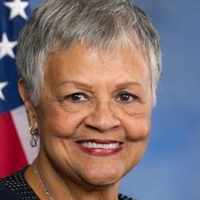
Bonnie Watson Coleman
Representative
NJ
Bonnie Watson Coleman
Representative
NJ
The Saving Hazardous And Declining Environments (SHADE) Act establishes a new, federally funded grant program to support tree planting initiatives. Administered by HUD and the Forest Service, this program prioritizes projects in historically redlined or urban heat island areas. Applicants must submit detailed 5-year plans that include community involvement and strategies to prevent resident displacement. The program is authorized to receive $50 million annually from fiscal year 2026 through 2036.
The Equal Dignity for Married Taxpayers Act updates the Internal Revenue Code by replacing gendered language with gender-neutral terms to ensure consistent and equal application of tax laws for all legally married couples.
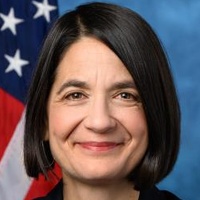
Becca Balint
Representative
VT
Becca Balint
Representative
VT
The Equal Dignity for Married Taxpayers Act modernizes the Internal Revenue Code by replacing gendered language with gender-neutral terms for all legally married couples. This sweeping update ensures consistency across tax rules regarding filing status, deductions, and credits, regardless of the spouses' genders. The bill clarifies that married couples are often treated as a single entity for specific tax purposes. Ultimately, this legislation updates terminology to reflect equal dignity for all married taxpayers.
The CONNECT for Health Act of 2025 permanently expands Medicare telehealth access by removing geographic restrictions, increasing practitioner flexibility, bolstering program integrity, and mandating supports for quality remote care delivery.
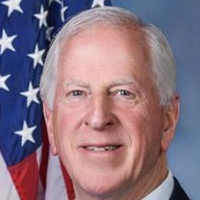
Mike Thompson
Representative
CA
Mike Thompson
Representative
CA
The CONNECT for Health Act of 2025 significantly expands and permanently secures access to Medicare telehealth services by eliminating outdated geographic restrictions and allowing more practitioners to offer remote care. The bill also strengthens program integrity by dedicating funds for telehealth oversight while clarifying rules around providing necessary technology to patients. Finally, it mandates the creation of tailored educational resources and public reporting to improve quality measurement and transparency in remote care delivery.
The PRIDE Act of 2025 extends the deadline for certain married couples to file joint tax returns based on past marriage recognition and updates the Internal Revenue Code with gender-neutral language for all married individuals.
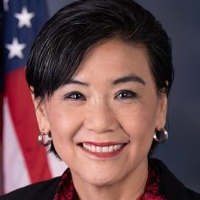
Judy Chu
Representative
CA
Judy Chu
Representative
CA
The PRIDE Act of 2025 aims to update the Internal Revenue Code to ensure equal treatment and inclusive language for all married couples. It extends the deadline for certain legally married couples to file amended joint tax returns following past recognition changes. Furthermore, the bill systematically replaces gendered terms like "husband," "wife," and "his" with gender-neutral language such as "spouse" and "individual" across numerous tax provisions. These changes ensure consistent, equitable application of tax law regardless of gender identity.
This act modifies federal charter school grants to provide targeted support, technical assistance, and pre-planning funds for educator-led charter school development.

Julia Letlow
Representative
LA
Julia Letlow
Representative
LA
The Empower Charter School Educators to Lead Act modifies federal Charter School Program grants to strengthen state oversight and support for high-quality charter schools. It prioritizes funding for educator-led groups planning to open new schools by offering pre-charter planning subgrants. The bill also refines how states allocate grant funds, ensuring the majority supports the opening and expansion of charter schools.
This bill makes technical corrections and clarifications to the Camp Lejeune Justice Act of 2022, including adjusting venue options, setting standards of proof, and capping attorney fees, all retroactively applied to August 10, 2022.
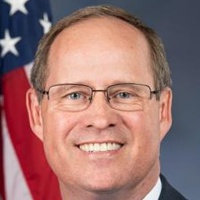
Gregory Murphy
Representative
NC
Gregory Murphy
Representative
NC
The Ensuring Justice for Camp Lejeune Victims Act of 2025 makes technical corrections to the 2022 Camp Lejeune Justice Act to clarify standards for proving harm and venue for trials. This legislation sets specific caps on attorney fees and retroactively applies these changes to all existing and future claims filed under the original 2022 Act. The bill ensures that existing statutes of limitations for filing claims remain unchanged.
The Break the Cycle of Violence Act establishes federal frameworks within HHS and the Department of Labor to fund community-based violence intervention programs and provide job training for opportunity youth in high-violence areas.
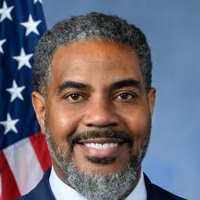
Steven Horsford
Representative
NV
Steven Horsford
Representative
NV
The Break the Cycle of Violence Act establishes federal frameworks within HHS and the Department of Labor to address community violence through prevention and economic opportunity. Title I creates grants for community-based violence intervention programs focused on evidence-based, trauma-responsive care, while Title II funds job training for opportunity youth in high-violence areas. Overall, the bill aims to reduce violence by investing in local services and creating pathways to employment rather than relying solely on incarceration.
The Women’s Health Protection Act of 2025 establishes a federal right to access abortion services before fetal viability and protects the right to travel for care, overriding state restrictions that place burdens on abortion access not imposed on comparable medical procedures.
Judy Chu
Representative
CA
Judy Chu
Representative
CA
The Women’s Health Protection Act of 2025 establishes a federal statutory right to access abortion services, prohibiting medically unnecessary restrictions that impede care before fetal viability. This Act protects the right of patients to travel across state lines to receive reproductive healthcare and allows providers to offer services free from state interference that conflicts with established medical standards. It preempts conflicting state and local laws and provides robust enforcement mechanisms for individuals and the Attorney General to challenge violations.
This Act allows certain investment companies to exclude the fees and expenses of underlying business development companies when reporting total acquired fund costs on their SEC registration statements.
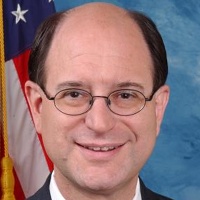
Brad Sherman
Representative
CA
Brad Sherman
Representative
CA
The Access to Small Business Investor Capital Act amends SEC reporting requirements for certain investment companies. This change allows these companies to exclude the indirect fees and expenses incurred from investing in an Acquired Fund, provided that Acquired Fund is a business development company. This simplifies the calculation of total "Acquired Fund Fees and Expenses" disclosed on registration statements.
This Act mandates the inclusion of the Secretary of Agriculture in reviews of foreign investment transactions involving U.S. agricultural interests and requires specific review of agricultural land purchases by entities from designated foreign adversary nations.

Frank Lucas
Representative
OK
Frank Lucas
Representative
OK
The Agricultural Risk Review Act of 2025 ensures the Secretary of Agriculture has a seat on the Committee on Foreign Investment in the United States (CFIUS) for reviews involving agricultural land, biotechnology, or the food industry. This legislation mandates that specific committees review certain agricultural land transactions involving foreign entities from designated adversarial nations. These new provisions aim to enhance national security by scrutinizing foreign investment in critical U.S. agricultural assets.
The Downpayment Toward Equity Act of 2025 establishes a HUD grant program to provide financial assistance for down payments and closing costs to first-time, first-generation homebuyers.
Maxine Waters
Representative
CA
Maxine Waters
Representative
CA
The Downpayment Toward Equity Act of 2025 establishes a new HUD grant program to provide downpayment and closing cost assistance to first-time, first-generation homebuyers. Funds will be distributed to states and eligible entities based on need and the number of qualified buyers in their area. Assistance is capped per buyer and requires mandatory homeownership counseling, with strict rules governing eligible mortgages and primary residency requirements.
This Act mandates that major internet content and service providers (edge providers) must help fund the Universal Service Fund alongside broadband providers to lower consumer costs and support service in high-cost areas.
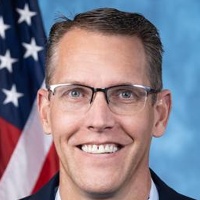
Randy Feenstra
Representative
IA
Randy Feenstra
Representative
IA
The Lowering Broadband Costs for Consumers Act of 2025 reforms the Universal Service Fund (USF) contribution system by requiring large internet content and service providers ("Edge Providers") to contribute alongside traditional broadband providers. This aims to shift the financial burden away from solely relying on phone companies to ensure continued support for universal service. The bill also directs the FCC to establish new, predictable funding mechanisms to support broadband providers serving high-cost areas.
This bill establishes a comprehensive "Domestic Workers Bill of Rights" to extend federal labor protections, including overtime, paid sick leave, and anti-discrimination coverage, to domestic employees while creating a standards board to advise on future working conditions.

Pramila Jayapal
Representative
WA
Pramila Jayapal
Representative
WA
The Domestic Workers Bill of Rights Act seeks to significantly expand labor protections for domestic employees by bringing them under standard federal laws, including eligibility for overtime pay and mandated paid sick leave. The bill establishes written employment agreements, sets clear privacy boundaries for workers in private homes, and creates a Standards Board to recommend ongoing improvements to wages and benefits. Furthermore, it establishes enforcement mechanisms and temporarily increases federal Medicaid funding for in-home care services to help offset compliance costs.
This Act permanently protects inventoried roadless areas within the National Forest System from new road construction and logging, upholding existing federal "Roadless Rule" prohibitions.
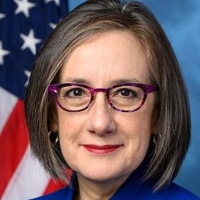
Andrea Salinas
Representative
OR
Andrea Salinas
Representative
OR
The Roadless Area Conservation Act of 2025 aims to provide lasting protection for inventoried roadless areas within the National Forest System. This legislation codifies existing federal regulations, known as the "Roadless Rule," which generally prohibits the construction of new roads or the cutting of timber in these sensitive zones. The purpose is to safeguard critical ecological benefits, clean water sources, and wildlife habitats while maintaining the Forest Service's multiple-use management mission.
The Broadcast VOICES Act establishes tax incentives for selling broadcast stations to socially disadvantaged individuals and creates a tax credit for donating stations to qualifying training charities.
Steven Horsford
Representative
NV
Steven Horsford
Representative
NV
The Broadcast VOICES Act aims to increase ownership diversity in the broadcasting industry by incentivizing the sale of broadcast stations to socially disadvantaged individuals. It establishes a new FCC-managed tax certificate program for qualifying sales, capped at $50 million per transaction. Furthermore, the bill mandates regular FCC reporting on ownership diversity and creates a new tax credit for donating broadcast stations to qualifying training charities.
This Act establishes new procedures for Federal Firearms Licensees when background checks are delayed, mandates reporting on delayed and denied transfers, and removes a specific time limit from existing background check law.

James Clyburn
Representative
SC
James Clyburn
Representative
SC
The Enhanced Background Checks Act of 2025 reforms federal firearm background check procedures, establishing a formal petition process for buyers when the system delays a decision beyond 10 business days. This bill removes the previous 10-day time limit on background checks under the Brady Act while mandating extensive reporting from the GAO and FBI on the effectiveness and outcomes of these delayed transfers. Furthermore, the Attorney General must report on the law's impact on domestic violence victims within 150 days of enactment.
This Act mandates that most private firearm transfers must go through a licensed dealer to ensure background checks are performed on all purchasers.
Mike Thompson
Representative
CA
Mike Thompson
Representative
CA
The Bipartisan Background Checks Act of 2025 aims to strengthen existing federal background check systems to prevent prohibited persons from acquiring firearms. This bill primarily mandates that most private firearm transfers must be facilitated through a licensed dealer who will conduct a background check. The legislation includes specific exceptions for family gifts, law enforcement, and temporary transfers under emergency circumstances.