Legislative Activity
Track John's sponsored bills, co-sponsored legislation, and voting record
The "National Right-to-Work Act" prohibits mandatory union membership as a condition of employment, protecting employees' rights to choose whether or not to join or support a labor union.

Rand Paul
Senator
KY
Rand Paul
Senator
KY
The "National Right-to-Work Act" aims to protect individual employees' rights to choose whether or not to join or support a labor union. It amends the National Labor Relations Act and the Railway Labor Act to eliminate mandatory union membership or fees as a condition of employment. This ensures that employees cannot be forced to join or contribute to a union against their will. The changes apply to agreements made or renewed after the Act's enactment.
This resolution urges NATO member countries to meet the 2% defense spending target by 2025 and proposes restricting leadership roles and hosting privileges for nations that fail to fulfill this commitment.
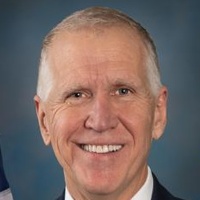
Thom Tillis
Senator
NC
Thom Tillis
Senator
NC
This resolution urges all NATO member countries to meet the established commitment of spending at least 2% of their GDP on national defense. It proposes that nations failing to meet this threshold should be ineligible to hold key NATO leadership positions or host significant high-level summits. The measure aims to ensure equitable defense investment and military readiness across the alliance.
The SHIELD Act of 2025 aims to protect individuals by criminalizing the non-consensual distribution of intimate visual depictions and visual depictions of nude minors, with specific exceptions for law enforcement, reporting, and legitimate purposes.

Amy Klobuchar
Senator
MN
Amy Klobuchar
Senator
MN
The SHIELD Act of 2023 aims to protect individuals from the non-consensual distribution of intimate visual depictions. It establishes federal offenses for distributing such depictions, especially those obtained in violation of privacy or involving nude minors, with intent to cause harm. The act outlines penalties for violations, including fines and imprisonment, while providing exceptions for law enforcement, legitimate reporting, and service providers who are not intentionally involved. It also extends federal jurisdiction to cases involving U.S. citizens or permanent residents, regardless of where the offense occurs.
The "Financing Our Energy Future Act" modifies the definition of "qualifying income" for publicly traded partnerships involved in green energy, expanding the scope of qualifying activities and technologies.
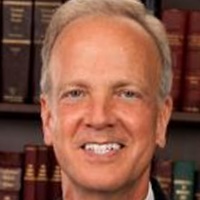
Jerry Moran
Senator
KS
Jerry Moran
Senator
KS
The "Financing Our Energy Future Act" amends the Internal Revenue Code to expand the definition of "qualifying income" for publicly traded partnerships involved in green energy projects. This expansion includes income from various renewable energy activities, such as generating and storing power from renewable sources, processing biomass, utilizing carbon capture technologies, and producing renewable chemicals. These changes aim to incentivize investment in and development of green energy technologies by allowing more green energy companies to qualify for PTP status. The amendments will take effect for taxable years starting after December 31, 2025.
This bill amends the Fair Labor Standards Act of 1938, providing exemptions to child labor laws for 16 and 17-year-olds employed in certain logging operations owned or operated by their parent or guardian.

James Risch
Senator
ID
James Risch
Senator
ID
The "Future Logging Careers Act" amends the Fair Labor Standards Act of 1938, modifying child labor laws related to logging operations. It defines "logging operation" and "mechanized operation," and it exempts 16 and 17-year-olds working in logging jobs deemed hazardous by the Secretary of Labor if they are employed by their parent or guardian in a logging operation owned or operated by them.
This resolution designates February 2025 as Career and Technical Education Month to recognize the vital role of CTE programs in developing a skilled workforce and preparing students for high-demand careers.
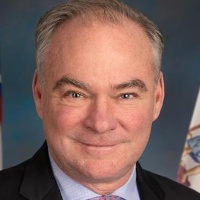
Timothy Kaine
Senator
VA
Timothy Kaine
Senator
VA
This resolution designates February 2025 as "Career and Technical Education Month" to recognize the vital role of CTE in preparing students for high-demand, skilled careers. It highlights the importance of workforce training in meeting modern economic needs and encourages educators, parents, and administrators to promote CTE as a valuable and respected educational pathway.
This joint resolution proposes a constitutional amendment to permanently fix the number of U.S. Supreme Court justices at nine.
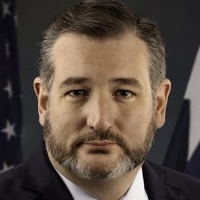
Ted Cruz
Senator
TX
Ted Cruz
Senator
TX
This joint resolution proposes a constitutional amendment to permanently set the number of U.S. Supreme Court justices at nine. If ratified by three-fourths of the states within seven years, this amendment would constitutionally mandate the current size of the Court.
Prohibits the Department of Veterans Affairs from sending veterans' personal information to the national instant criminal background check system based only on the fact that the veteran requires assistance managing their benefits, unless a court determines the veteran is a danger to themselves or others.
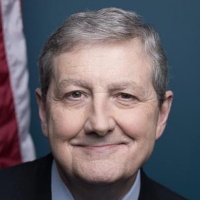
John Kennedy
Senator
LA
John Kennedy
Senator
LA
The "Veterans 2nd Amendment Protection Act of 2025" prevents the Department of Veterans Affairs from sharing veterans' personal information with the national instant criminal background check system (NICS) based solely on the appointment of a fiduciary to manage their benefits. Information can only be shared if a judicial authority determines the veteran poses a danger to themselves or others.
The "AIM HIGH Act" establishes an Air Force Technical Training Center of Excellence to improve collaboration, innovation, and training standards for aviation maintenance across the military.
Ted Cruz
Senator
TX
Ted Cruz
Senator
TX
The AIM HIGH Act directs the Secretary of the Air Force to establish a Technical Training Center of Excellence. This center will foster collaboration among Air Force training sites, serve as a premier training location for maintainers across all military branches, and promote innovation in technical training. The center will also connect with industry and schools to share best practices and serve as a central hub for aviation technology and training advancements.
This bill extends eligibility for E-1 nonimmigrant trader visas to Czech citizens, contingent on reciprocal treatment for U.S. nationals in Czechia.
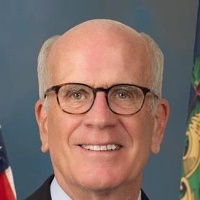
Peter Welch
Senator
VT
Peter Welch
Senator
VT
This bill amends existing regulations to include Czechia in the list of countries whose citizens are eligible for admission into the United States as E-1 nonimmigrant traders, under the condition that the Czech government provides similar trade benefits to U.S. citizens. This change would allow Czech citizens to enter the U.S. for trade purposes if U.S. citizens are afforded the same opportunities in Czechia.
The "Alternatives to PAIN Act" aims to lower patient costs and increase access to non-opioid pain management drugs under Medicare Part D by waiving deductibles, setting a low cost-sharing tier, and removing step therapy or prior authorization requirements, starting in 2026.
Thom Tillis
Senator
NC
Thom Tillis
Senator
NC
The "Alternatives to PAIN Act" aims to improve access to non-opioid pain management for Medicare Part D beneficiaries starting in 2026. It eliminates the standard deductible and places qualifying non-opioid pain management drugs on the lowest cost-sharing tier. The bill also prohibits the use of step therapy and prior authorization requirements for these drugs, ensuring quicker access to alternative pain relief options.
The STRATEGIC Minerals Act aims to secure critical mineral and rare earth element supply chains by authorizing the President to negotiate free trade agreements, expanding the definition of "domestic source" under the Defense Production Act, and reducing reliance on foreign entities of concern.

Todd Young
Senator
IN
Todd Young
Senator
IN
The STRATEGIC Minerals Act aims to secure the U.S. supply chain of critical minerals and rare earth elements by authorizing the President to negotiate and enter into free trade agreements with countries that meet specific requirements. It sets negotiating objectives to reduce trade barriers, improve international trade rules, and foster economic growth while promoting sustainable practices and protecting worker rights. The Act also expands the definition of "domestic source" under the Defense Production Act to include businesses in free trade agreement countries, subject to restrictions on foreign ownership and ties to entities of concern, and requires the Secretary of Defense to determine mineral supply deficiencies. The Act seeks to ensure a stable and secure supply of minerals essential for advanced technology, economic growth, and national security.
This joint resolution seeks to nullify the EPA’s rule regarding waste emissions charges for petroleum and natural gas systems.
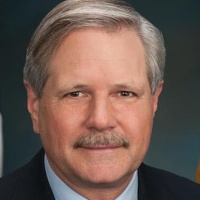
John Hoeven
Senator
ND
John Hoeven
Senator
ND
This joint resolution seeks to exercise congressional disapproval of the EPA’s "Waste Emissions Charge for Petroleum and Natural Gas Systems" rule. If passed, the resolution would nullify the rule, rendering it without force or effect.
The Fair Access to Banking Act aims to prevent financial institutions from denying services to individuals or businesses based on subjective or political reasons, ensuring fair and impartial access to financial services.

Kevin Cramer
Senator
ND
Kevin Cramer
Senator
ND
The Fair Access to Banking Act aims to ensure equal access to financial services by preventing banks and credit unions from denying services to individuals or entities engaged in lawful activities based on subjective or politically motivated reasons. It sets requirements for banks with over $10 billion in assets, prohibiting them from denying services based on reputational risk and requiring them to justify denials with documented, risk-based standards. The act also allows individuals to sue financial institutions that violate these requirements, with the potential for treble damages and attorney fees awarded to successful plaintiffs. Furthermore, it restricts access to Federal Reserve lending programs and the Automated Clearing House Network for institutions that fail to comply with the Act.
This bill removes silencers from special tax and registration requirements under the National Firearms Act while imposing a new 10% excise tax and new federal marking standards on manufacturers.

Michael Crapo
Senator
ID
Michael Crapo
Senator
ID
The Hearing Protection Act seeks to remove silencers from special regulation under federal tax law, treating them similarly to standard firearms components. This bill preempts state and local governments from imposing special taxes or registration requirements on silencers involved in interstate commerce. Furthermore, it mandates the destruction of existing federal records identifying silencer owners and establishes new serial number marking requirements for manufacturers.
This bill amends the Social Security Act to provide Medicare coverage for FDA-approved multi-cancer early detection screening tests starting in 2028.
Michael Crapo
Senator
ID
Michael Crapo
Senator
ID
The Nancy Gardner Sewell Medicare Multi-Cancer Early Detection Screening Coverage Act amends the Social Security Act to provide Medicare coverage for FDA-approved multi-cancer early detection (MCED) screening tests starting in 2028. This legislation establishes a formal coverage and payment framework for these innovative blood-based tests while ensuring they complement, rather than replace, existing cancer screening protocols.
The African Diaspora Heritage Month Act of 2025 mandates an annual presidential proclamation designating a month to honor and celebrate the significant contributions and heritage of the African diaspora in the United States.
Timothy Kaine
Senator
VA
Timothy Kaine
Senator
VA
The African Diaspora Heritage Month Act of 2025 recognizes the significant historical, economic, and cultural contributions of the African diaspora to the United States. The bill mandates that the President issue an annual proclamation establishing a month to honor this diverse and growing community. This observance encourages state and local governments, as well as the American public, to engage in activities that celebrate the diaspora's enduring impact on the nation.
The SHUSH Act removes firearm silencers from the National Firearms Act, eliminating federal taxes, registration requirements, and state-level restrictions on their ownership and use.
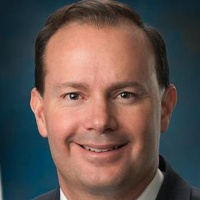
Mike Lee
Senator
UT
Mike Lee
Senator
UT
The SHUSH Act (Silencers Help Us Save Hearing Act) removes firearm silencers from the definition of "firearms" under federal law, effectively eliminating the associated $200 tax, registration requirements, and federal oversight. The bill also preempts state and local laws that impose taxes or registration on silencers and removes existing sentencing enhancements for their use in crimes.
The Laken Riley Act mandates the detention of aliens who commit theft and empowers state attorneys general to sue the Department of Homeland Security or the Secretary of State over immigration enforcement failures.
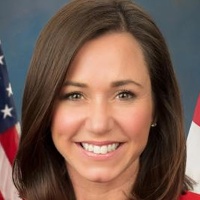
Katie Britt
Senator
AL
Katie Britt
Senator
AL
The Laken Riley Act mandates the detention of illegal aliens who commit theft, burglary, larceny, or shoplifting. It empowers state attorneys general to sue the Department of Homeland Security or the Secretary of State if they believe the state or its residents are harmed by violations of immigration enforcement or visa granting. The bill aims to ensure that these aliens are detained throughout their removal proceedings and to provide states with legal recourse against perceived failures in federal immigration enforcement.
The Educational Choice for Children Act of 2025 establishes a federal tax credit for donations to scholarship-granting organizations to help eligible students cover a wide range of K-12 educational expenses while protecting the autonomy of participating schools and families.
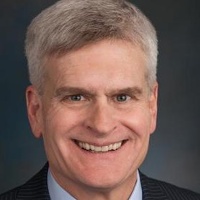
Bill Cassidy
Senator
LA
Bill Cassidy
Senator
LA
The Educational Choice for Children Act of 2025 establishes a federal tax credit for individuals and corporations that donate to scholarship-granting organizations. These organizations provide scholarships to help eligible students cover a wide range of K-12 educational expenses, including private school tuition, tutoring, and educational therapies. The bill includes a $10 billion annual volume cap on these credits and contains robust protections to ensure the autonomy of participating schools and the rights of parents to direct their children's education.