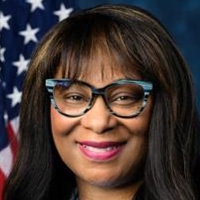
Legislative Activity
Track Janelle's sponsored bills, co-sponsored legislation, and voting record
This bill mandates that rural-area small businesses be explicitly included alongside women-owned small businesses in advisory roles concerning capital access under the Securities Exchange Act of 1934.
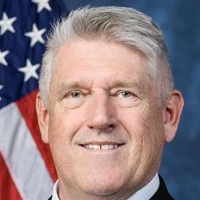
Troy Downing
Representative
MT
Troy Downing
Representative
MT
The Expanding Access to Capital for Rural Job Creators Act mandates that regulatory bodies explicitly include rural-area small businesses when considering advisory roles and consultations related to capital access. This amendment ensures that the unique needs of rural businesses are recognized alongside other specific small business categories, like women-owned businesses. The goal is to improve capital access for job creators in rural America.
The ELEVATE Act of 2025 allows companies planning an initial public offering (IPO) to confidentially submit their registration statements to the SEC for pre-filing review, protecting that information until shortly before trading begins.
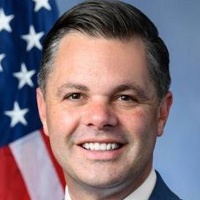
Zachary (Zach) Nunn
Representative
IA
Zachary (Zach) Nunn
Representative
IA
The ELEVATE Act of 2025 allows companies planning an initial public offering (IPO) to confidentially submit their registration statements to the SEC for pre-filing review. This enables companies to receive feedback privately before making their plans public. Any information shared during this confidential review process is legally protected from public disclosure under the Freedom of Information Act.
This Act allows certain investment companies to exclude the fees and expenses of underlying business development companies when reporting total acquired fund costs on their SEC registration statements.
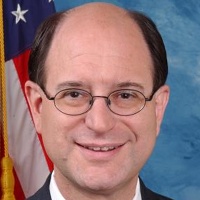
Brad Sherman
Representative
CA
Brad Sherman
Representative
CA
The Access to Small Business Investor Capital Act amends SEC reporting requirements for certain investment companies. This change allows these companies to exclude the indirect fees and expenses incurred from investing in an Acquired Fund, provided that Acquired Fund is a business development company. This simplifies the calculation of total "Acquired Fund Fees and Expenses" disclosed on registration statements.
This Act mandates that major internet content and service providers (edge providers) must help fund the Universal Service Fund alongside broadband providers to lower consumer costs and support service in high-cost areas.
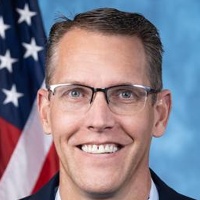
Randy Feenstra
Representative
IA
Randy Feenstra
Representative
IA
The Lowering Broadband Costs for Consumers Act of 2025 reforms the Universal Service Fund (USF) contribution system by requiring large internet content and service providers ("Edge Providers") to contribute alongside traditional broadband providers. This aims to shift the financial burden away from solely relying on phone companies to ensure continued support for universal service. The bill also directs the FCC to establish new, predictable funding mechanisms to support broadband providers serving high-cost areas.
This act ensures that time spent receiving outpatient observation services in a hospital counts toward the required 3-day inpatient stay for Medicare coverage of skilled nursing facility services.
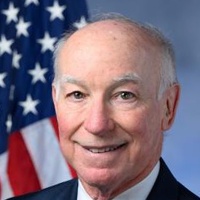
Joe Courtney
Representative
CT
Joe Courtney
Representative
CT
The Improving Access to Medicare Coverage Act of 2025 ensures that time spent receiving outpatient observation services in a hospital counts toward the required 3-day inpatient stay needed to qualify for Medicare coverage of skilled nursing facility (SNF) services. This change effectively removes a significant barrier to accessing post-hospital care for many Medicare beneficiaries. The Secretary of HHS is authorized to implement this rule immediately.
The FIGHT Act of 2025 strengthens federal prohibitions against animal fighting, enhances enforcement mechanisms, and allows citizens to sue violators of animal fighting provisions.
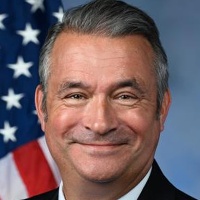
Don Bacon
Representative
NE
Don Bacon
Representative
NE
The FIGHT Act of 2025 significantly strengthens federal prohibitions against animal fighting ventures, specifically targeting the sponsorship, exhibition, and gambling associated with these events. This legislation clarifies the definition of a rooster for legal purposes and bans the interstate transport of roosters for fighting. Furthermore, it empowers private citizens to file lawsuits against violators, allowing for civil penalties and the potential seizure of property used to facilitate illegal animal fighting.
The My Body, My Data Act of 2025 establishes strict limits on the collection, use, and sharing of personal reproductive and sexual health information, while granting individuals robust rights to access, correct, and delete their sensitive data.
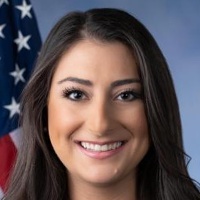
Sara Jacobs
Representative
CA
Sara Jacobs
Representative
CA
The My Body, My Data Act of 2025 establishes strict federal protections for personal reproductive and sexual health information held by regulated entities. This law limits data collection and sharing to only what is strictly necessary for providing requested services. It grants individuals the rights to access, correct, and delete this sensitive data, and requires clear public privacy policies detailing data handling practices. Finally, the Act prohibits retaliation against individuals who exercise these new privacy rights and grants enforcement authority to the FTC while allowing individuals to sue violators.
This resolution expresses the House of Representatives' support for designating June 11, 2025, as "World Franchise Day" to recognize the economic impact and opportunities created by the franchising industry.
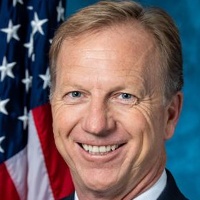
Kevin Hern
Representative
OK
Kevin Hern
Representative
OK
This resolution expresses the House of Representatives' support for designating June 11, 2025, as "World Franchise Day." It recognizes the significant role franchising plays in the U.S. economy by fostering entrepreneurship, creating millions of jobs, and providing pathways to ownership. The bill formally endorses the global recognition of this vital business model.
This Act permanently protects inventoried roadless areas within the National Forest System from new road construction and logging, upholding existing federal "Roadless Rule" prohibitions.
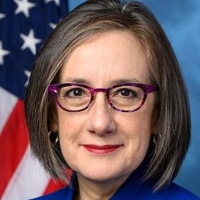
Andrea Salinas
Representative
OR
Andrea Salinas
Representative
OR
The Roadless Area Conservation Act of 2025 aims to provide lasting protection for inventoried roadless areas within the National Forest System. This legislation codifies existing federal regulations, known as the "Roadless Rule," which generally prohibits the construction of new roads or the cutting of timber in these sensitive zones. The purpose is to safeguard critical ecological benefits, clean water sources, and wildlife habitats while maintaining the Forest Service's multiple-use management mission.
This Act mandates that most private firearm transfers must go through a licensed dealer to ensure background checks are performed on all purchasers.
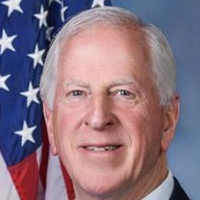
Mike Thompson
Representative
CA
Mike Thompson
Representative
CA
The Bipartisan Background Checks Act of 2025 aims to strengthen existing federal background check systems to prevent prohibited persons from acquiring firearms. This bill primarily mandates that most private firearm transfers must be facilitated through a licensed dealer who will conduct a background check. The legislation includes specific exceptions for family gifts, law enforcement, and temporary transfers under emergency circumstances.
This bill establishes minimum and emergency staffing requirements for the Low-Income Home Energy Assistance Program (LIHEAP) and limits the use of contractors.
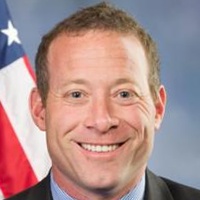
Josh Gottheimer
Representative
NJ
Josh Gottheimer
Representative
NJ
The LIHEAP Staffing Support Act establishes minimum staffing requirements for the Low-Income Home Energy Assistance Program (LIHEAP) to ensure effective program administration. It mandates a baseline of at least 20 dedicated employees, with limits on contractor usage during normal operations. Furthermore, the bill requires an emergency staffing boost to at least 30 employees within 45 days of declaring an energy crisis.
This Act increases compensation for Chapter 7 trustees, adjusts bankruptcy fee allocations to fund the U.S. Trustee system, and extends the terms of certain temporary bankruptcy judge offices.
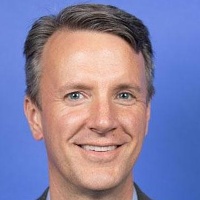
Ben Cline
Representative
VA
Ben Cline
Representative
VA
The Bankruptcy Administration Improvement Act of 2025 addresses the funding and administration of the federal bankruptcy system. This bill primarily increases the compensation for Chapter 7 trustees to address decades of stagnant pay while adjusting various bankruptcy fees to ensure the U.S. Trustee System remains self-funded. Additionally, it extends the term limits for certain temporary bankruptcy judge offices.
The National Prescribed Fire Act of 2025 mandates escalating annual increases in controlled burns on federal lands, provides new funding flexibility for land management, and expands support and liability protections for the prescribed fire workforce.
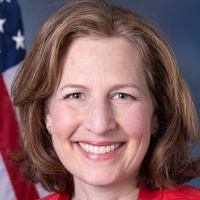
Kim Schrier
Representative
WA
Kim Schrier
Representative
WA
The National Prescribed Fire Act of 2025 aims to significantly increase the use of controlled burns on federal lands to manage hazardous fuels and restore landscapes. It mandates escalating annual acreage targets for prescribed fire treatments and provides new funding flexibility and long-term agreements for local and Tribal partners. Furthermore, the bill enhances support for the federal fire workforce and extends liability protections to non-federal entities assisting with these critical management activities.
This Act establishes federal rights, transparency requirements, and safety protections for student-athletes concerning their Name, Image, and Likeness (NIL) compensation, agent representation, and post-graduation medical coverage.

Lisa McClain
Representative
MI
Lisa McClain
Representative
MI
The Student-athlete Protections and Opportunities through Rights, Transparency, and Safety Act (SPORTS Act) establishes federal guidelines for Name, Image, and Likeness (NIL) rights, ensuring student-athletes can profit from their identity while protecting them from undue restrictions. The bill mandates transparency regarding NIL compensation and requires athletic organizations to register agents and create market value databases. Furthermore, it imposes new requirements on institutions receiving federal funding, including post-graduation medical coverage and protection for athletic scholarships. Finally, this Act preempts conflicting state and local laws concerning athlete compensation and employment status.
This Act mandates the National Park Service to establish a program to reduce and eliminate the sale and distribution of disposable plastic products, like single-use water bottles and utensils, across all national park units.

Mike Quigley
Representative
IL
Mike Quigley
Representative
IL
The Reducing Waste in National Parks Act mandates the National Park Service (NPS) to establish a program to significantly reduce or eliminate the sale and distribution of disposable plastic products, including single-use water bottles, across all park units. Regional directors must implement these changes while considering operational costs, visitor safety regarding water access, and vendor contracts. The law also requires proactive visitor education and biennial reviews to assess the program's effectiveness and public impact.
The Save Our Forests Act of 2025 mandates increased staffing and reinstatement of former employees within the Forest Service while ensuring the continuation of all authorized Forest Service projects.
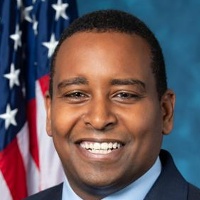
Joe Neguse
Representative
CO
Joe Neguse
Representative
CO
The Save Our Forests Act of 2025 aims to strengthen the management and health of the National Forest System. This legislation mandates the immediate hiring of additional Forest Service personnel and the reinstatement of recently departed employees. Furthermore, it ensures the continuation of all previously authorized and funded Forest Service projects under various existing laws.
This bill reauthorizes and expands federal grant programs supporting formerly incarcerated individuals with reentry, substance use disorder treatment, and career training through 2030.
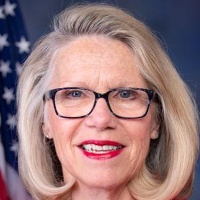
Carol Miller
Representative
WV
Carol Miller
Representative
WV
The Second Chance Reauthorization Act of 2025 extends and improves key federal grant programs designed to support successful reentry for formerly incarcerated individuals. This legislation shifts the authorization window for several demonstration projects to run from 2026 through 2030. It also specifically broadens the scope of reentry demonstration projects to explicitly fund substance use disorder treatment, including peer recovery services and reentry housing. Overall, the bill ensures continued federal support for vital reentry, education, and substance abuse collaboration initiatives through the end of the decade.
The Protect our Parks Act of 2025 mandates the immediate full staffing of the National Park Service, the rehiring of recently terminated employees, and the continuation of all authorized park improvement projects.
Joe Neguse
Representative
CO
Joe Neguse
Representative
CO
The Protect our Parks Act of 2025 mandates the Secretary of the Interior to immediately ensure the National Park Service is fully staffed to protect resources and enhance visitor safety. This legislation requires filling all maintenance positions and reinstating any NPS employees terminated since January 20, 2025. Furthermore, the Act ensures the continuation of all previously authorized and funded National Park Service projects.
This act modifies federal securities laws to establish specific fiduciary and investment approval requirements for certain 403(b) retirement plans offered by charities and educational institutions to maintain their exemptions from registration.

Frank Lucas
Representative
OK
Frank Lucas
Representative
OK
The Retirement Fairness for Charities and Educational Institutions Act of 2025 modifies federal securities laws to update exemptions for 403(b) retirement plans. This legislation clarifies requirements under the Investment Company Act, the Securities Act, and the Securities Exchange Act. The changes generally condition these exemptions on the employer taking on specific fiduciary responsibilities regarding the selection and approval of investment options offered to participants.
This Act establishes the new Forest Conservation Easement Program to protect and restore private and Tribal forests through easements, while simultaneously repealing the existing Healthy Forests Reserve Program.
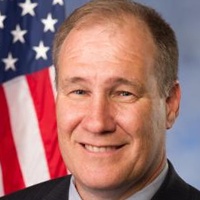
Trent Kelly
Representative
MS
Trent Kelly
Representative
MS
The Forest Conservation Easement Program Act of 2025 establishes a new federal program to protect and restore private and Tribal forest lands through conservation easements. This program offers two types of easements—Forest Land and Forest Reserve—with federal cost-share assistance available to eligible entities and landowners, prioritizing working forests and species recovery. The Act also allocates $100 million annually for this new program from 2026 through 2030 while simultaneously repealing the existing Healthy Forests Reserve Program, ensuring existing contracts remain honored. Finally, Congress stipulates that the costs associated with implementing this Act must be offset by savings or new revenue.