Legislative Activity
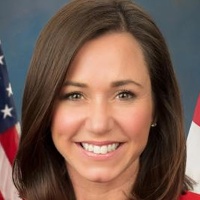
Track Katie's sponsored bills, co-sponsored legislation, and voting record
The "Agent Raul Gonzalez Officer Safety Act" imposes criminal and immigration penalties on individuals who intentionally flee from law enforcement officers while operating a vehicle near the U.S. border.

Ted Cruz
Senator
TX
Ted Cruz
Senator
TX
The "Agent Raul Gonzalez Officer Safety Act" establishes new federal crimes and penalties for individuals who intentionally flee from law enforcement officers while operating a vehicle near the U.S. border. Convictions under this law can lead to imprisonment, fines, and immigration consequences such as inadmissibility or deportation. The Attorney General must submit an annual report to Congress detailing the enforcement and impact of this law.
This bill transfers the responsibilities of the Food for Peace Act from the United States Agency for International Development to the Department of Agriculture.

Jerry Moran
Senator
KS
Jerry Moran
Senator
KS
This bill transfers the responsibilities of the Food for Peace Act from the United States Agency for International Development to the Department of Agriculture. It ensures program continuity by allowing the Secretary of Agriculture to implement immediate regulation amendments and utilize existing statutory authorities. The Department of Agriculture will also continue the Famine Early Warning Systems Network to monitor and mitigate food insecurity. The Secretary of Agriculture is required to consult regularly with the Secretary of State when implementing title II of the Food for Peace Act.
The "Credit Union Board Modernization Act" amends the Federal Credit Union Act to reduce the frequency of required board meetings for well-managed federal credit unions from monthly to at least six times per year after the first five years of operation.
Bill Hagerty
Senator
TN
Bill Hagerty
Senator
TN
The "Credit Union Board Modernization Act" amends the Federal Credit Union Act to reduce the frequency of board of directors meetings for well-managed federal credit unions. New federal credit unions are required to meet monthly for the first five years, while those with strong ratings must meet at least six times annually after the initial period. Credit unions with lower ratings will still be required to meet monthly.
This bill removes federal overreach by allowing state and local eviction moratoriums to proceed without conflicting with the CARES Act.

Cindy Hyde-Smith
Senator
MS
Cindy Hyde-Smith
Senator
MS
The "Respect State Housing Laws Act" repeals a provision in the CARES Act that restricted states' abilities to enforce their own eviction moratoriums. This change clarifies that state laws regarding evictions should be respected.
The Regulations from the Executive in Need of Scrutiny Act of 2025 (REINS Act) would require congressional approval for major executive branch rules with significant economic impacts before they can take effect.

Rand Paul
Senator
KY
Rand Paul
Senator
KY
The "Regulations from the Executive in Need of Scrutiny Act of 2025" aims to increase transparency and accountability in federal agency rulemaking by requiring congressional approval for major rules with significant economic impact (over $100 million). It establishes procedures for congressional review and approval or disapproval of both major and non-major rules, mandates the publication of guidance documents, and sets expiration dates for major rules. The Act also requires agencies to conduct retrospective reviews of existing rules and includes a regulatory budget to control the costs of regulations. Additionally, the Government Accountability Office must study the number and economic impact of existing rules.
Permanently extends the New Markets Tax Credit, adjusts it for inflation, and provides alternative minimum tax relief for qualified equity investments made after 2024.
Steve Daines
Senator
MT
Steve Daines
Senator
MT
The New Markets Tax Credit Extension Act of 2025 permanently extends the New Markets Tax Credit, originally set to expire after 2025, to encourage investment in low-income communities. The bill also adjusts the credit amount for inflation after 2025 and provides alternative minimum tax relief for credits on qualified equity investments made after December 31, 2024. These changes aim to incentivize ongoing investment in economically distressed areas.
The White Oak Resiliency Act of 2025 aims to restore and protect white oak forests through collaborative initiatives, research, and support for landowners and nurseries.
Mitch McConnell
Senator
KY
Mitch McConnell
Senator
KY
The White Oak Resiliency Act of 2025 aims to restore and enhance white oak populations and habitats across the United States through collaborative efforts between federal, state, private, and non-governmental organizations. This act establishes the White Oak Restoration Initiative Coalition, pilot programs within the Forest Service and Department of Interior, and a grant program to support white oak regeneration and research. It also addresses white oak tree nursery shortages and promotes research into the species' resilience and preservation. Ultimately, this act seeks to ensure the long-term health and sustainability of white oak ecosystems.
The "Fairness in Fentanyl Sentencing Act of 2025" aims to adjust drug sentencing guidelines, enhance detection of illegal substances, and allocate resources to combat the import of fentanyl and other narcotics.
John Kennedy
Senator
LA
John Kennedy
Senator
LA
The Fairness in Fentanyl Sentencing Act of 2025 aims to revise sentencing guidelines for fentanyl-related offenses by reducing the quantity thresholds that trigger mandatory minimum sentences for flunitrazepam and its analogues. It directs the Sentencing Commission to update its guidelines to align with these changes. Additionally, it mandates increased resources for the USPS, including chemical screening devices and personnel, to enhance the detection and interdiction of illegally imported fentanyl and other synthetic opioids.
Prohibits the Department of Veterans Affairs from sending veterans' personal information to the national instant criminal background check system based only on the fact that the veteran requires assistance managing their benefits, unless a court determines the veteran is a danger to themselves or others.
John Kennedy
Senator
LA
John Kennedy
Senator
LA
The "Veterans 2nd Amendment Protection Act of 2025" prevents the Department of Veterans Affairs from sharing veterans' personal information with the national instant criminal background check system (NICS) based solely on the appointment of a fiduciary to manage their benefits. Information can only be shared if a judicial authority determines the veteran poses a danger to themselves or others.
This joint resolution proposes a constitutional amendment to permanently fix the number of U.S. Supreme Court justices at nine.
Ted Cruz
Senator
TX
Ted Cruz
Senator
TX
This joint resolution proposes a constitutional amendment to permanently set the number of U.S. Supreme Court justices at nine. If ratified by three-fourths of the states within seven years, this amendment would constitutionally mandate the current size of the Court.
This resolution designates February 2025 as Career and Technical Education Month to recognize the vital role of CTE programs in developing a skilled workforce and preparing students for high-demand careers.
Timothy Kaine
Senator
VA
Timothy Kaine
Senator
VA
This resolution designates February 2025 as "Career and Technical Education Month" to recognize the vital role of CTE in preparing students for high-demand, skilled careers. It highlights the importance of workforce training in meeting modern economic needs and encourages educators, parents, and administrators to promote CTE as a valuable and respected educational pathway.
The "Alternatives to PAIN Act" aims to lower patient costs and increase access to non-opioid pain management drugs under Medicare Part D by waiving deductibles, setting a low cost-sharing tier, and removing step therapy or prior authorization requirements, starting in 2026.
Thom Tillis
Senator
NC
Thom Tillis
Senator
NC
The "Alternatives to PAIN Act" aims to improve access to non-opioid pain management for Medicare Part D beneficiaries starting in 2026. It eliminates the standard deductible and places qualifying non-opioid pain management drugs on the lowest cost-sharing tier. The bill also prohibits the use of step therapy and prior authorization requirements for these drugs, ensuring quicker access to alternative pain relief options.
This bill establishes federal restrictions on social media platforms regarding users under 17, including banning accounts for those under 13 and prohibiting personalized content recommendations for all minors, while also requiring schools receiving federal subsidies to block student access to these platforms.
Brian Schatz
Senator
HI
Brian Schatz
Senator
HI
This comprehensive bill addresses online safety for minors through two main actions: Title I establishes federal restrictions on social media platforms, banning accounts for children under 13 and prohibiting personalized content recommendations for all users under 18. Title II updates existing law to require schools receiving federal subsidies to block student access to social media platforms while using school resources. Overall, the legislation aims to fundamentally change how minors interact with social media both at home and in educational settings.
The "Focus on Learning Act" aims to study and pilot the effects of mobile device-free environments in schools to improve student learning and well-being.
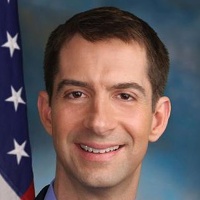
Tom Cotton
Senator
AR
Tom Cotton
Senator
AR
The "Focus on Learning Act" aims to study and address the impact of mobile devices on students in schools. It directs the Surgeon General to conduct a comprehensive study on the effects of mobile device use on various aspects of student life and academics. The Act also establishes a pilot program providing grants to schools for creating mobile device-free environments, with specific exemptions and communication protocols. Finally, it allocates funding for the program and the associated administrative and data collection efforts.
The She DRIVES Act mandates the Department of Transportation to update federal motor vehicle safety standards by incorporating new crash test dummies representing both male and female body types for front and side impact testing, and to create a roadmap for future testing device advancements.
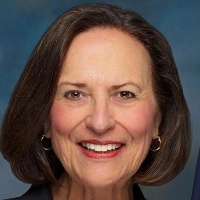
Deb Fischer
Senator
NE
Deb Fischer
Senator
NE
The She DRIVES Act mandates immediate updates to federal motor vehicle safety standards by requiring the use of new crash test dummies, specifically incorporating both male and female dummies in front and side impact tests. This legislation aims to improve vehicle crashworthiness by basing new injury criteria on real-world data that better reflects diverse body types. Furthermore, the bill establishes a roadmap for the Department of Transportation to continuously review and adopt more advanced testing devices used internationally.
This Act mandates that new passenger vehicles sold in the U.S. must include standard equipment capable of receiving AM broadcast radio signals for emergency alerts and programming.
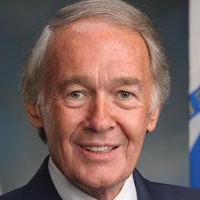
Edward Markey
Senator
MA
Edward Markey
Senator
MA
The AM Radio for Every Vehicle Act of 2025 mandates that new passenger vehicles sold in the U.S. must include standard equipment capable of receiving AM broadcast signals within a few years of the law's enactment. This requirement aims to ensure drivers retain access to crucial emergency alerts, overriding conflicting state or local laws. The bill also directs the GAO to study the reliability of AM radio versus other emergency alert technologies in vehicles.
This bill increases the maximum prison sentence from one year to five years for picketing or parading near a courthouse or judge’s residence with the intent to obstruct justice or intimidate court officials.

Marsha Blackburn
Senator
TN
Marsha Blackburn
Senator
TN
The Protecting Our Supreme Court Justices Act of 2025 strengthens federal protections for the judiciary by increasing the maximum prison sentence for picketing or parading near a courthouse or judge’s residence. This legislation aims to deter intimidation and ensure the administration of justice remains free from obstruction.
This joint resolution seeks to nullify the EPA’s rule regarding waste emissions charges for petroleum and natural gas systems.
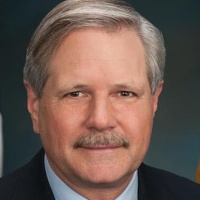
John Hoeven
Senator
ND
John Hoeven
Senator
ND
This joint resolution seeks to exercise congressional disapproval of the EPA’s "Waste Emissions Charge for Petroleum and Natural Gas Systems" rule. If passed, the resolution would nullify the rule, rendering it without force or effect.
The Fair Access to Banking Act aims to prevent financial institutions from denying services to individuals or businesses based on subjective or political reasons, ensuring fair and impartial access to financial services.

Kevin Cramer
Senator
ND
Kevin Cramer
Senator
ND
The Fair Access to Banking Act aims to ensure equal access to financial services by preventing banks and credit unions from denying services to individuals or entities engaged in lawful activities based on subjective or politically motivated reasons. It sets requirements for banks with over $10 billion in assets, prohibiting them from denying services based on reputational risk and requiring them to justify denials with documented, risk-based standards. The act also allows individuals to sue financial institutions that violate these requirements, with the potential for treble damages and attorney fees awarded to successful plaintiffs. Furthermore, it restricts access to Federal Reserve lending programs and the Automated Clearing House Network for institutions that fail to comply with the Act.
This resolution designates January 2025 as "National Mentoring Month" to promote the expansion of quality mentoring programs and celebrate the positive impact mentors have on youth development and community success.

Sheldon Whitehouse
Senator
RI
Sheldon Whitehouse
Senator
RI
This resolution designates January 2025 as "National Mentoring Month" to celebrate the vital role mentors play in fostering youth development and community strength. It highlights the academic, social, and career benefits of mentoring while calling for increased collaboration to expand access to these life-changing relationships. By promoting quality mentoring programs, the bill aims to close the national mentoring gap and ensure more young people have the guidance needed to reach their full potential.