Legislative Activity
Track Eric's sponsored bills, co-sponsored legislation, and voting record
This bill establishes a new "Schedule PolicyCareer" category within the federal excepted service to increase executive branch accountability by streamlining the classification and removal of employees in policy-influencing positions.

Andrew Ogles
Representative
TN
Andrew Ogles
Representative
TN
The "End the Deep State Act" aims to increase executive branch accountability by reclassifying certain federal positions involved in policy-making and confidential work into a new "Schedule PolicyCareer" category. This legislation removes standard civil service protections for these roles, allowing for greater presidential control over the federal workforce. Additionally, the bill mandates regular agency reviews to identify positions for this new classification and requires employees in these roles to faithfully implement administration policies.
Designates January 26 - February 1, 2025 as "National School Choice Week", supporting diverse education options and parental empowerment in K-12 education. Encourages awareness events and recognition of contributions from students, parents, teachers, and school leaders.

John Moolenaar
Representative
MI
John Moolenaar
Representative
MI
This bill expresses support for designating January 26 - February 1, 2025, as "National School Choice Week" to recognize the importance of diverse K-12 education options and the role of parents in choosing the best learning environment for their children. It encourages raising awareness about the benefits of educational choice and congratulates those involved in education.
The National Constitutional Carry Act prohibits state and local governments from restricting the public carry of firearms by individuals who are legally eligible to possess them under federal law.

Thomas Massie
Representative
KY
Thomas Massie
Representative
KY
The National Constitutional Carry Act seeks to protect the Second Amendment right of law-abiding citizens to carry firearms in public for self-defense. The bill prohibits state and local governments from imposing criminal or civil penalties on individuals who are legally eligible to possess firearms. By overriding restrictive local regulations, the legislation aims to ensure a uniform standard for the right to bear arms across the United States.
The Ending Chemical Abortions Act of 2025 seeks to establish a federal criminal prohibition on the prescription, distribution, and sale of chemical abortion drugs, with limited exceptions for the life of the mother or the treatment of miscarriages.
Andrew Ogles
Representative
TN
Andrew Ogles
Representative
TN
The Ending Chemical Abortions Act of 2025 seeks to prohibit the prescription, distribution, and sale of drugs intended to cause an abortion. The bill establishes federal criminal penalties for violations, while providing specific exceptions for contraception, the treatment of miscarriages, and medical emergencies that threaten the life of the mother. It also clarifies that women who undergo chemical abortions are exempt from criminal prosecution under this act.
The Birthright Citizenship Act of 2025 limits automatic birthright citizenship to children born in the U.S. to at least one parent who is a U.S. citizen, a lawful permanent resident, or an alien serving in the U.S. armed forces.
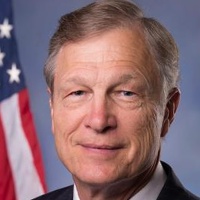
Brian Babin
Representative
TX
Brian Babin
Representative
TX
The Birthright Citizenship Act of 2025 proposes to limit automatic birthright citizenship to children born in the United States who have at least one parent who is a U.S. citizen, a lawful permanent resident, or an alien serving in the U.S. armed forces. This legislation would exclude children born to parents without legal status or those on temporary visas from receiving automatic citizenship. These changes would apply only to individuals born on or after the date of the Act's enactment.
This bill mandates the destruction of existing firearm transaction records from closed businesses and prohibits the ATF from collecting such records in the future.
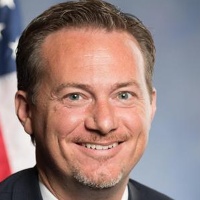
Michael Cloud
Representative
TX
Michael Cloud
Representative
TX
The "No Retaining Every Gun In a System That Restricts Your Rights Act" mandates the destruction of all firearm transaction records currently held by the ATF from discontinued businesses. Furthermore, it amends federal law to prohibit the future collection and transfer of these records to the government when a firearms business ceases operations. The bill also requires the ATF to submit a formal report to Congress confirming the number of records destroyed.
The Federal Agency Sunset Commission Act of 2025 establishes a bipartisan commission to systematically review, evaluate, and periodically abolish federal agencies unless they are explicitly reauthorized by Congress.
Michael Cloud
Representative
TX
Michael Cloud
Representative
TX
The Federal Agency Sunset Commission Act of 2025 establishes a bipartisan commission tasked with systematically reviewing federal agencies to determine their efficiency and necessity. Under this act, agencies will be subject to periodic review and automatic abolishment unless Congress passes legislation to reauthorize them. The commission is empowered to recommend the consolidation, reorganization, or termination of agencies to improve government efficiency and reduce redundancy.
The Offshore Lands Authorities Act of 2025 nullifies previous presidential withdrawals of unleased offshore lands and establishes strict new limitations and congressional oversight procedures for future executive leasing restrictions.
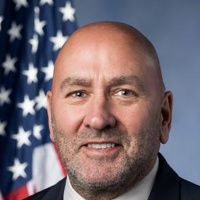
Clay Higgins
Representative
LA
Clay Higgins
Representative
LA
The Offshore Lands Authorities Act of 2025 nullifies several previous Presidential withdrawals of offshore lands, effectively reopening those areas to potential mineral leasing. The bill also establishes strict new limitations on the President’s authority to withdraw unleased offshore lands, including size and duration caps, mandatory resource assessments, and a streamlined congressional disapproval process.
The Chiropractic Medicare Coverage Modernization Act of 2025 expands Medicare coverage to include all services provided by doctors of chiropractic that are within the scope of their state licensure.
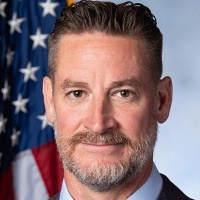
W. Steube
Representative
FL
W. Steube
Representative
FL
The Chiropractic Medicare Coverage Modernization Act of 2025 expands Medicare coverage to include all services legally authorized under a chiropractor’s state license, moving beyond the current restriction limited to manual spinal manipulation. This legislation aligns Medicare benefits with private insurance and other federal health programs to better reflect modern chiropractic practice. To provide these expanded services, chiropractors will be required to complete a one-time training program verified by the Secretary of Health and Human Services.
The SHOW UP Act of 2025 mandates that executive agencies revert to pre-pandemic telework policies and requires rigorous certification before any future expansion of remote work.

James Comer
Representative
KY
James Comer
Representative
KY
The SHOW UP Act of 2025 requires executive agencies to revert their telework policies to pre-pandemic levels by December 31, 2019. Any future expansion of telework must be supported by a comprehensive impact study and certified by the Office of Personnel Management to ensure it improves mission performance and reduces agency costs.
This bill reclassifies silencers under federal tax law, removes federal registration requirements for legally transferred silencers, preempts state taxation and registration of silencers in commerce, and mandates the destruction of existing federal silencer registration records.

Ben Cline
Representative
VA
Ben Cline
Representative
VA
The Hearing Protection Act aims to remove silencers from the purview of the National Firearms Act (NFA) by treating them similarly to standard firearms under federal tax law. This legislation preempts certain state and local taxes and registration requirements related to silencers involved in interstate commerce. Furthermore, the bill mandates the destruction of existing federal silencer registration records and updates federal marking requirements for manufacturers.
The Pony Up Act requires the USPS to reimburse citizens for late fees caused by mail delivery delays and mandates annual reporting on delivery performance and prioritization practices.
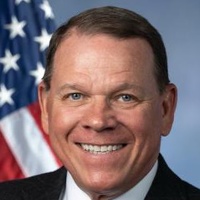
Sam Graves
Representative
MO
Sam Graves
Representative
MO
The Pony Up Act requires the United States Postal Service to reimburse citizens for late fees or penalties incurred due to USPS delivery delays. Additionally, the bill mandates annual reporting and an Inspector General audit to ensure the Postal Service is not unfairly prioritizing certain mail agreements over others.
This bill amends Title IX to prohibit schools receiving federal funds from allowing males to participate in female athletic programs, defining "sex" as determined at birth, while allowing males to train with female teams if it doesn't deprive females of opportunities or benefits. It also requires a study on the impact of male participation in female sports.
W. Steube
Representative
FL
W. Steube
Representative
FL
The "Protection of Women and Girls in Sports Act of 2025" amends Title IX to prohibit schools receiving federal funds from allowing males to participate in female athletic programs. Sex is defined as based on reproductive biology and genetics at birth. The bill allows males to train with female teams if it doesn't deprive females of opportunities. It also requires a study on the benefits lost to women when males participate in female sports.
This bill prohibits the United States from providing any assessed or voluntary financial contributions to the World Health Organization.

Chip Roy
Representative
TX
Chip Roy
Representative
TX
The "No Taxpayer Funding for the World Health Organization Act" prohibits the United States government from providing any assessed or voluntary financial contributions to the World Health Organization. This legislation effectively ends all U.S. taxpayer funding for the organization upon the bill's enactment.
The Healthcare Freedom Act of 2025 expands tax-advantaged health savings options by replacing HSAs with universal "health freedom accounts" that feature higher contribution limits and broader eligibility for medical expenses.
Chip Roy
Representative
TX
Chip Roy
Representative
TX
The Healthcare Freedom Act of 2025 replaces traditional health savings accounts with expanded "health freedom accounts" (HFAs), allowing anyone to make tax-deductible contributions for a wider range of medical expenses. The bill increases annual contribution limits and provides greater flexibility for managing healthcare costs. Additionally, it establishes a long-term transition to shift employer-provided health benefits toward these HFA-based models for future hires.
The Restoring Fuel Market Freedom Act of 2025 repeals various federal tax credits and subsidies for alcohol, biodiesel, sustainable aviation, and other alternative fuels.
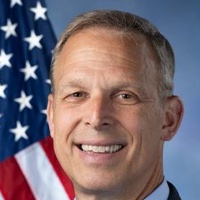
Scott Perry
Representative
PA
Scott Perry
Representative
PA
The Restoring Fuel Market Freedom Act of 2025 repeals several federal tax credits and incentives related to alcohol fuels, biodiesel, sustainable aviation fuel, and clean fuel production. By eliminating these subsidies and their associated excise tax credits, the bill aims to remove government-directed financial support for specific fuel types from the Internal Revenue Code. These changes apply to fuels sold, used, or produced after the date of the Act's enactment.
The REMAIN in Mexico Act of 2025 mandates the implementation of the Migrant Protection Protocols, requiring asylum seekers to wait in Mexico while their claims are processed.

Brandon Gill
Representative
TX
Brandon Gill
Representative
TX
The REMAIN in Mexico Act of 2025 mandates that the Secretary of Homeland Security reinstate the Migrant Protection Protocols (MPP). This legislation requires that asylum seekers be returned to Mexico to await their U.S. immigration proceedings, effectively codifying the 2019 policy guidance into law.
This bill proposes a constitutional amendment to limit members of the House of Representatives to three terms and Senators to two terms, with specific provisions for partial terms. Terms served before the amendment's ratification would not be counted towards these limits, and the amendment must be ratified within seven years to be valid.
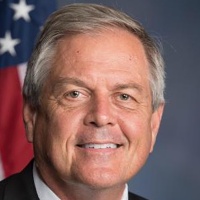
Ralph Norman
Representative
SC
Ralph Norman
Representative
SC
This bill proposes a constitutional amendment to limit the number of terms a member of Congress can serve. Representatives would be limited to 3 terms and Senators to 2 terms, with specific rules for partial terms. Terms served before the amendment's ratification would not be counted. The amendment must be ratified by three-fourths of the states within seven years to be valid.
This bill expands the use of health savings accounts (HSAs) by allowing tax-free distributions for family caregiving expenses and removing the requirement to have a high-deductible health plan, while also increasing the maximum annual contribution limit to $9,000.

Andy Biggs
Representative
AZ
Andy Biggs
Representative
AZ
The "Freedom for Families Act" expands the use of health savings accounts (HSAs) by allowing tax-free distributions for caregiving expenses related to family and medical leave. It also eliminates the requirement of having a high-deductible health plan to be eligible for an HSA, and increases the maximum annual contribution limit to $9,000. These changes aim to provide greater flexibility and accessibility to HSAs for families.
The FairTax Act of 2025 proposes replacing federal income, payroll, and estate taxes with a national consumption-based sales tax, accompanied by monthly family rebates and the eventual sunsetting of the IRS.
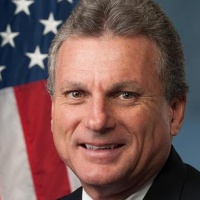
Earl Carter
Representative
GA
Earl Carter
Representative
GA
The FairTax Act of 2025 proposes a fundamental overhaul of the U.S. tax system by repealing federal income, payroll, estate, and gift taxes starting in 2027. In their place, the legislation establishes a national sales tax on new goods and services, supported by a monthly rebate for qualified families to offset the cost of basic necessities. The bill also transitions tax administration to the Treasury Department and includes a sunset provision that terminates the sales tax if the Sixteenth Amendment is not repealed within seven years.