Legislative Activity
Track Nicole's sponsored bills, co-sponsored legislation, and voting record
The Investing in Rural America Act of 2025 expands Farm Credit System institutions' ability to finance essential community facilities in rural areas, fostering partnerships with local lenders and increasing transparency through public reporting.
Michelle Fischbach
Representative
MN
Michelle Fischbach
Representative
MN
The Investing in Rural America Act of 2025 amends the Farm Credit Act of 1971, enabling Farm Credit System institutions to finance essential community facilities in rural areas, with a limit of 15% of their total outstanding loans. These institutions must offer participation in financing to other domestic lenders, especially community banks, and report these offers to the Farm Credit Administration. The Farm Credit Administration will then provide an annual report to Congress on these activities. This amendment aims to support rural development by leveraging the resources of the Farm Credit System.
This Act allows schools participating in the National School Lunch Program to offer organic or non-organic whole milk alongside other options, while clarifying saturated fat accounting and restricting milk sourcing from China state-owned enterprises.
Glenn Thompson
Representative
PA
Glenn Thompson
Representative
PA
The Whole Milk for Healthy Kids Act of 2025 expands milk options available to students in the National School Lunch Program by allowing schools to offer organic or non-organic whole milk. This legislation provides greater flexibility for schools in providing fluid milk choices while maintaining accommodations for students with special dietary needs. Importantly, the saturated fat content of these offered milk options will not count toward the meal's overall saturated fat limits.
The Freight RAILCAR Act of 2025 incentivizes freight railcar modernization by establishing a tax credit for qualified newly built replacement railcars and qualified railcar modernization expenditures.
Darin LaHood
Representative
IL
Darin LaHood
Representative
IL
The "Freight RAILCAR Act of 2025" introduces a tax credit for modernizing freight railcars, encouraging investments in newer, more efficient railcars. Taxpayers can claim a credit equal to 10% of their freight railcar fleet modernization expenses, with a limit of 1,000 qualified freight railcars per year. The credit applies to railcars that increase capacity, improve fuel efficiency, or meet updated performance standards, and is available for three years after the Act's enactment. The Secretary of the Treasury is required to submit a report to Congress detailing the credit's usage and impact on railcar modernization and scrapping.
This bill excludes certain veterans’ disability benefits from income calculations for HUD-VASH and other housing assistance programs to increase eligibility for unhoused disabled veterans.
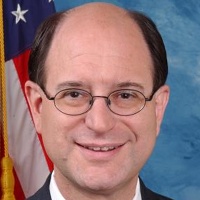
Brad Sherman
Representative
CA
Brad Sherman
Representative
CA
The Housing Unhoused Disabled Veterans Act aims to increase housing accessibility for veterans by excluding VA disability benefits from income calculations for HUD-VASH and other specific housing programs. By disregarding these benefits when determining eligibility, the bill ensures that disabled veterans can more easily qualify for essential housing assistance.
The SAFE Act amends the Social Security Act to include physical and occupational therapy benefits in Medicare annual wellness visits and initial preventive physical exams and requires the Secretary of Health and Human Services to submit an annual report to Congress regarding falls experienced by individuals aged 65 and older.
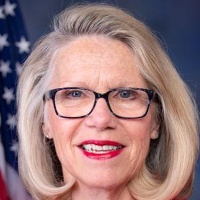
Carol Miller
Representative
WV
Carol Miller
Representative
WV
The SAFE Act amends the Social Security Act to include physical and occupational therapy benefits in Medicare annual wellness visits and initial preventive physical exams starting in 2026 for individuals determined to have fallen in the previous year. It mandates that these individuals receive falls risk assessments, fall prevention services, and outpatient therapy services. Additionally, the Act requires the Secretary of Health and Human Services to submit annual reports to Congress on falls experienced by individuals aged 65 and older.
Exempts family farms and small businesses from asset considerations in need analysis for federal student aid.
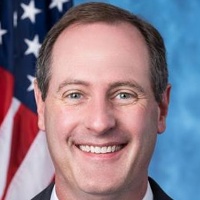
Tracey Mann
Representative
KS
Tracey Mann
Representative
KS
The "Family Farm and Small Business Exemption Act" amends the Higher Education Act of 1965 to exclude the net value of a family farm (on which the family resides) or a small business (with no more than 100 employees and owned/controlled by the family) from consideration as an asset when determining financial need for federal student aid. This change aims to make higher education more accessible for students from family farm and small business backgrounds.
The "Freedom to Invest in Tomorrow's Workforce Act" expands the use of 529 savings accounts to cover expenses related to postsecondary credentialing programs, including tuition, fees, books, supplies, equipment, and testing fees.

Robert Wittman
Representative
VA
Robert Wittman
Representative
VA
The "Freedom to Invest in Tomorrow's Workforce Act" amends Section 529 savings accounts to include expenses related to postsecondary credentialing programs. This allows 529 funds to cover costs like tuition, fees, books, supplies, and testing fees for recognized programs and credentials, as defined by the bill. These changes would apply to distributions made after the bill is enacted.
The "Rural America Health Corps Act" creates a loan repayment program for healthcare professionals working in rural areas with healthcare shortages, offering up to $200,000 in student loan assistance for a five-year commitment.
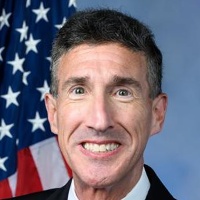
David Kustoff
Representative
TN
David Kustoff
Representative
TN
The Rural America Health Corps Act establishes a demonstration program to repay student loans for healthcare professionals who commit to working full-time for five years in rural areas with healthcare shortages. Participants can receive up to $200,000 in loan repayment assistance. The program aims to improve healthcare access in underserved rural communities. It authorizes $50,000,000 to be appropriated each fiscal year from 2026 through 2030 to carry out this section.
The Protect Our Letter Carriers Act of 2025 authorizes $7 billion to upgrade postal security infrastructure while mandating dedicated federal prosecutors for postal crimes and increasing sentencing guidelines for assaults against postal employees.
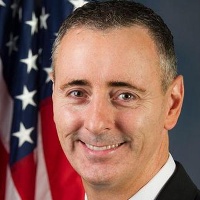
Brian Fitzpatrick
Representative
PA
Brian Fitzpatrick
Representative
PA
The Protect Our Letter Carriers Act of 2025 aims to enhance the safety of postal workers by funding high-security infrastructure upgrades, including electronic mailbox keys. The bill also mandates the appointment of dedicated federal prosecutors for postal crimes in every judicial district and requires stricter sentencing guidelines for those who assault or rob postal employees.
The "Protecting Sensitive Locations Act" restricts immigration enforcement actions at sensitive locations like schools and places of worship, requiring discretion and oversight.
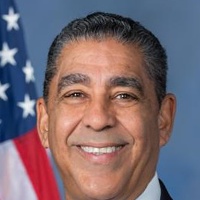
Adriano Espaillat
Representative
NY
Adriano Espaillat
Representative
NY
The "Protecting Sensitive Locations Act" amends the Immigration and Nationality Act to restrict immigration enforcement actions within 1,000 feet of sensitive locations like schools, hospitals, and places of worship, except in exigent circumstances. It mandates training, reporting, and oversight for enforcement activities near these locations, and invalidates evidence obtained in violation of the Act. The Act aims to ensure discretion and limit enforcement impact on sensitive community spaces, while also requiring annual reports to Congress on enforcement actions taken in sensitive locations.
The "Taxpayer Data Protection Act" limits access to the Treasury Department's payment systems to authorized personnel and requires investigation and reporting of unauthorized access.

Haley Stevens
Representative
MI
Haley Stevens
Representative
MI
The Taxpayer Data Protection Act limits access to the Treasury Department's payment systems to Treasury employees or contractors with satisfactory performance reviews and security clearances. It sets specific criteria for individuals accessing the system, including conflict of interest restrictions, training, and ethics agreements. The Act also mandates the Treasury Department's Inspector General to investigate and report to Congress on any unauthorized system use.
The Educators Expense Deduction Modernization Act of 2025 increases the annual tax deduction for eligible educator classroom expenses from $250 to $1,000.
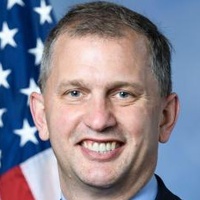
Sean Casten
Representative
IL
Sean Casten
Representative
IL
The Educators Expense Deduction Modernization Act of 2025 seeks to provide greater financial relief to teachers by increasing the annual tax deduction for out-of-pocket classroom expenses from $250 to $1,000. This legislation also updates the deduction's eligibility language and establishes a new inflation adjustment mechanism to ensure the benefit keeps pace with future costs.
The "Agriculture Export Promotion Act of 2025" aims to boost U.S. agricultural exports by increasing funding for the Market Access Program and the Foreign Market Development Cooperator Program.
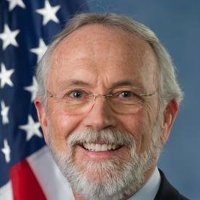
Dan Newhouse
Representative
WA
Dan Newhouse
Representative
WA
The "Agriculture Export Promotion Act of 2025" aims to bolster U.S. agricultural exports by increasing funding for the Market Access Program and the Foreign Market Development Cooperator Program. It amends the Agricultural Trade Act of 1978 to extend and significantly increase financial support for these programs through 2029. These changes seek to address the competitive disadvantage faced by U.S. producers due to increased foreign competition and the impact of inflation on static funding levels. By increasing funding, the Act strives to enhance access to foreign markets, stimulate economic growth, and create jobs within the agricultural sector.
The Right to Contraception Act establishes a federal right to obtain and use contraception and prohibits government interference with access to contraceptive services and information.

Lizzie Fletcher
Representative
TX
Lizzie Fletcher
Representative
TX
The Right to Contraception Act establishes a federal right for individuals to access and use contraception without government interference. It prohibits federal and state governments from enacting laws that restrict access to contraceptives or the provision of related services. The Act provides clear enforcement mechanisms, allowing individuals and the Attorney General to sue to strike down any rule that violates these protections.
This resolution expresses the House of Representatives' formal disapproval of granting pardons to individuals convicted of assaulting Capitol Police officers.
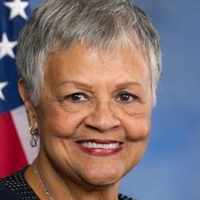
Bonnie Watson Coleman
Representative
NJ
Bonnie Watson Coleman
Representative
NJ
This resolution expresses the formal disapproval of the House of Representatives regarding the granting of pardons to individuals convicted of assaulting Capitol Police officers. It serves as a clear statement of opposition toward clemency for those who committed violent acts against law enforcement during the attack on the U.S. Capitol.
This resolution supports the goals and ideals of "Career and Technical Education Month" by recognizing the vital role of CTE programs in building a skilled workforce and strengthening the U.S. economy.
Glenn Thompson
Representative
PA
Glenn Thompson
Representative
PA
This resolution supports the designation of "Career and Technical Education Month" to celebrate the vital role of CTE programs in building a skilled workforce. It highlights how these programs provide students with essential training and credentials that align with modern economic demands. Furthermore, it encourages educators and parents to promote CTE as a respected and effective educational pathway for future success.
The Love Lives On Act of 2025 ensures that surviving spouses of veterans and service members retain their earned dependency compensation, survivor benefits, and TRICARE eligibility regardless of remarriage.
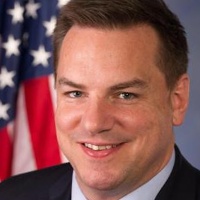
Richard Hudson
Representative
NC
Richard Hudson
Representative
NC
The Love Lives On Act of 2025 ensures that surviving spouses of veterans and service members retain their earned benefits, including dependency and indemnity compensation, educational assistance, and Survivor Benefit Plan annuities, regardless of remarriage. Additionally, the bill expands TRICARE eligibility to include widows and widowers whose subsequent marriages have ended. This legislation protects the financial security and healthcare access of surviving families by removing penalties associated with remarriage.
The Caring for All Families Act expands the Family and Medical Leave Act to cover a broader range of family relationships and introduces new leave entitlements for parental involvement and routine family wellness.
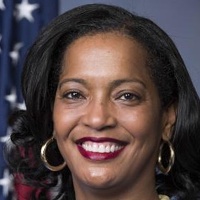
Jahana Hayes
Representative
CT
Jahana Hayes
Representative
CT
The Caring for All Families Act expands the Family and Medical Leave Act (FMLA) to allow employees to take job-protected leave to care for a broader range of family members, including domestic partners, extended relatives, and individuals with close, family-like bonds. Additionally, the bill introduces a new leave entitlement for parental involvement and family wellness, providing up to 24 hours of leave per year for school activities and routine medical care. These updates apply to both private-sector and federal employees to better support modern caregiving needs.
This bill codifies Executive Order 11246 to establish the principles of Equal Employment Opportunity as permanent federal law.

Shontel Brown
Representative
OH
Shontel Brown
Representative
OH
This bill formally codifies Executive Order 11246, "Equal Employment Opportunity," into federal law. By establishing these protections as statute, the legislation ensures the long-standing mandate against employment discrimination by federal contractors remains permanent and legally binding.
The No Tax Breaks for Outsourcing Act amends the Internal Revenue Code to eliminate tax incentives for offshoring by reforming international corporate taxation, tightening interest deduction rules, and closing loopholes used by inverted and foreign-managed corporations.

Lloyd Doggett
Representative
TX
Lloyd Doggett
Representative
TX
The **No Tax Breaks for Outsourcing Act** amends the Internal Revenue Code to discourage corporations from shifting profits and operations overseas. The bill replaces the current global intangible low-taxed income (GILTI) regime with a "net CFC tested income" system, implements country-by-country tax reporting, and limits interest deductions for large international groups. Additionally, it strengthens rules to prevent corporate inversions and treats foreign corporations managed within the United States as domestic entities for tax purposes.