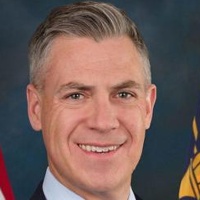
Legislative Activity
Track Jim's sponsored bills, co-sponsored legislation, and voting record
The Living Donor Protection Act of 2025 prohibits insurance discrimination against living organ donors and guarantees job-protected leave for those undergoing donation surgery.

Tom Cotton
Senator
AR
Tom Cotton
Senator
AR
The Living Donor Protection Act of 2025 prohibits insurance companies from discriminating against living organ donors regarding life, disability, or long-term care coverage. The bill also amends the Family and Medical Leave Act (FMLA) to explicitly classify organ donation surgery as a serious health condition, ensuring job-protected leave for donors. Additionally, it mandates that the Department of Health and Human Services update public educational materials to reflect these new protections and the realities of organ donation.
This Act establishes a joint U.S.-Israel initiative to accelerate and expand cooperation in defense technology research, development, and integration across critical domains.
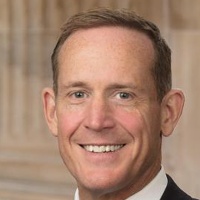
Ted Budd
Senator
NC
Ted Budd
Senator
NC
The FUTURES Act of 2026 establishes a joint initiative between the U.S. and Israeli defense departments to accelerate and expand cooperation on defense technology research, development, and industrial integration. This program focuses on rapidly incorporating jointly developed and Israeli-origin technologies into U.S. military systems across critical domains like AI, counter-drone systems, and directed energy. The Act authorizes funding for these efforts and mandates regular reporting to Congress on progress and technology transition.
This bill formally integrates therapeutic and diagnostic medical physicists into the VA healthcare system, establishing their qualifications, pay grades, and benefits.
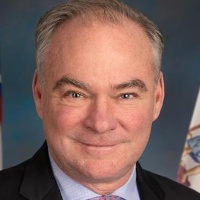
Timothy Kaine
Senator
VA
Timothy Kaine
Senator
VA
This bill formally integrates Therapeutic and Diagnostic Medical Physicists into the Department of Veterans Affairs (VA) healthcare system. It establishes specific qualification requirements, including board certification, and incorporates these roles into the VA's established pay and personnel administration structures. The legislation also mandates a report assessing the impact of pay adjustments for these specialized physicists.
This resolution congratulates the Indiana University Hoosiers football team for winning the 2026 College Football Playoff National Championship after an undefeated 16-0 season.

Todd Young
Senator
IN
Todd Young
Senator
IN
This resolution congratulates the Indiana University Hoosiers football team for winning the 2026 College Football Playoff National Championship. It celebrates their historic, undefeated 16-0 season and recognizes the outstanding achievements of the players and coaching staff. Official copies of this recognition will be presented to key university and team leadership.
This bill mandates that individuals must provide documentary proof of U.S. citizenship when registering to vote in federal elections and requires photo identification containing a citizenship indicator for voting in those elections.
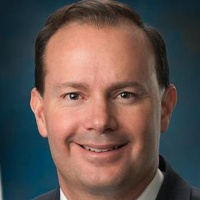
Mike Lee
Senator
UT
Mike Lee
Senator
UT
This bill, the Safeguard American Voter Eligibility Act (SAVE America Act), mandates that individuals must provide documentary proof of U.S. citizenship when registering to vote in federal elections. It also establishes a federal requirement for voters to present a photo ID containing a citizenship indicator when casting a ballot in federal elections. Furthermore, the legislation requires states to implement ongoing programs to verify and remove non-citizens from voter rolls.
The SAVE Moms and Babies Act of 2026 prohibits the FDA from approving new abortion drugs and imposes strict in-person dispensing and safety requirements on previously approved abortion drugs.

Cindy Hyde-Smith
Senator
MS
Cindy Hyde-Smith
Senator
MS
The SAVE Moms and Babies Act of 2026 aims to prohibit the FDA from approving any new abortion drugs and severely restrict the use of previously approved ones. This legislation mandates strict in-person administration, rigorous safety protocols, and enhanced reporting requirements for existing abortion-inducing medications. The bill seeks to ensure comprehensive medical oversight and patient safety measures surrounding the use of these drugs.
This resolution officially designates the week of January 25 through January 31, 2026, as National School Choice Week to promote awareness of diverse K-12 educational options.

Tim Scott
Senator
SC
Tim Scott
Senator
SC
This resolution officially designates the week of January 25 through January 31, 2026, as "National School Choice Week." It expresses support for the week, recognizing the importance of diverse K-12 education options for empowering parents. The bill encourages all Americans to learn more about the educational choices available to families.
The Pregnant Students’ Rights Act requires colleges and universities to inform students of their rights, available accommodations, and support resources regarding pregnancy and parenting.

Ashley Moody
Senator
FL
Ashley Moody
Senator
FL
The Pregnant Students’ Rights Act requires colleges and universities to provide students with clear information regarding their rights, available accommodations, and support resources for carrying a pregnancy to term. Institutions must distribute this information through various channels, including student handbooks, orientations, and official websites, to ensure students are aware of their protections under Title IX.
This bill establishes a formal Veterans Bill of Rights, outlining specific entitlements for healthcare, benefits, and respectful treatment, and mandates the VA to inform veterans of these rights and integrate them into all operations.

Marsha Blackburn
Senator
TN
Marsha Blackburn
Senator
TN
The Veterans’ Bill of Rights Act of 2026 formally establishes a comprehensive set of rights for all veterans interacting with the Department of Veterans Affairs (VA). This bill mandates that the VA clearly inform veterans of their rights regarding health care, benefits, and services. It requires the VA Secretary to integrate these rights into all policies, training, and public-facing materials to ensure consistent, respectful, and transparent administration nationwide.
This act bans foreign individuals who have committed severe religious freedom violations from receiving U.S. visas and mandates public disclosure of their names.
Ted Budd
Senator
NC
Ted Budd
Senator
NC
The Banning Perpetrators of Religious Persecution Act of 2026 amends U.S. immigration law to prohibit visas for foreign individuals, including government officials, who have committed or directed severe violations of religious freedom. The State Department is required to publicly list the names of those found inadmissible, with a narrow exception for cases that would harm U.S. foreign policy interests. This act aims to hold perpetrators of religious persecution accountable by restricting their entry into the United States.
This Act establishes that the constitutional right to life vests in every human being from the moment of fertilization or beginning of existence, granting equal legal protection to preborn persons.
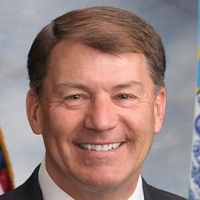
Mike Rounds
Senator
SD
Mike Rounds
Senator
SD
The Life at Conception Act of 2026 declares that the constitutional right to life is vested in every human being from the moment of fertilization or beginning of existence. This Act grants Congress and states the authority to enforce equal legal protection for both born and preborn persons. Crucially, the bill specifies it does not require prosecuting women, prohibit IVF, or ban contraception used to prevent fertilization.
This Act requires the Secretary of State to determine if Hong Kong Economic and Trade Offices merit existing U.S. privileges and imposes restrictions on U.S. government promotion of Hong Kong autonomy if it is deemed insufficiently autonomous from China.

Jeff Merkley
Senator
OR
Jeff Merkley
Senator
OR
This Act requires the Secretary of State to annually determine whether Hong Kong Economic and Trade Offices (HKETOs) deserve their current privileges and immunities. If the Secretary finds they do not, the offices must terminate operations within 180 days, subject to Congressional review. Furthermore, the bill places new restrictions on U.S. government contracting with HKETOs and limits the promotion of Hong Kong as an autonomous entity if it lacks sufficient autonomy from China.
This resolution honors the life, achievements, and legacy of former Senator Ben Nighthorse Campbell, recognizing his military service, athletic career, and significant legislative contributions.

Michael Bennet
Senator
CO
Michael Bennet
Senator
CO
This resolution honors the life, achievements, and legacy of former Senator Ben Nighthorse Campbell. It recognizes his distinguished service in the Air Force, his Olympic athletic career, and his historic tenure in the U.S. Congress. The resolution specifically highlights his landmark legislative accomplishments, including establishing the National Museum of the American Indian. The Senate expresses its sorrow and will recess as a mark of respect for his memory.
This act mandates the addition of Chinese military companies to a Treasury sanctions list, triggering investment prohibitions and establishing a one-year period for divestment from their publicly traded securities.
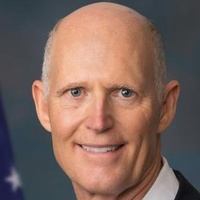
Rick Scott
Senator
FL
Rick Scott
Senator
FL
This act mandates the Treasury Department to add entities identified by the Department of Defense as Chinese military companies to a specific sanctions list. Once listed, U.S. persons will be prohibited from investing in these companies, with a one-year grace period allowed solely for divesting existing holdings. This measure aims to prevent U.S. capital from supporting China's military and security apparatus.
This act makes fraud a deportable offense, mandates detention for non-citizens convicted of fraud, and establishes automatic denaturalization for naturalized citizens convicted of certain crimes.
Marsha Blackburn
Senator
TN
Marsha Blackburn
Senator
TN
The Fraud Accountability Act makes fraud a deportable offense for non-citizens, regardless of the loss threshold. This legislation also mandates detention for non-citizens convicted of these fraud crimes. Furthermore, it establishes a process for the automatic revocation of citizenship for naturalized citizens convicted of certain serious crimes, including fraud.
This bill requires employers to display a state-specific notice detailing veterans' benefits and resources in the workplace.
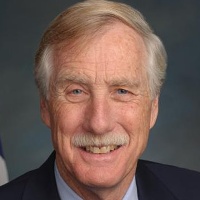
Angus King
Senator
ME
Angus King
Senator
ME
The Thomas M. Conway Veterans Access to Resources in the Workplace Act requires employers to prominently display a state-specific notice detailing veterans' benefits. This notice, developed by the Departments of Labor and Veterans Affairs, must include critical resources like the Veterans Crisis Line. The law aims to ensure that employees who are veterans are easily informed about the resources available to them in the workplace.
This Act establishes new national security controls, treating the remote access of sensitive items by foreign persons of concern as an export subject to regulation.
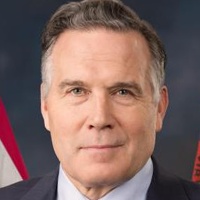
Dave McCormick
Senator
PA
Dave McCormick
Senator
PA
The Remote Access Security Act amends existing law to give the President authority to restrict foreign persons of concern from remotely accessing sensitive U.S. technology via cloud services when it poses a national security risk. This new control treats the provision of remote access the same as traditional exports, applying existing licensing, penalty, and enforcement rules. The bill also mandates consultations with Congress and requires the Commerce Secretary to report on implementation, including minimizing compliance costs for U.S. businesses.
This resolution expresses unwavering support for the U.S.-Japan alliance in the face of escalating political, economic, and military pressure from the People's Republic of China.
Pete Ricketts
Senator
NE
Pete Ricketts
Senator
NE
This resolution expresses unwavering support for the United States-Japan alliance in the face of escalating political, economic, and military pressure from the People's Republic of China. It condemns China's coercive actions against Japan following statements regarding Taiwan's security. The resolution reaffirms the U.S. commitment to Japan's defense, including the Senkaku Islands under Article V of the mutual security treaty. Finally, it commends Japan for its efforts to maintain regional peace and stability while increasing its defense capabilities.
This bill establishes the Calumet National Heritage Area across parts of Indiana and Illinois to conserve and interpret the region's unique industrial, cultural, and natural history.
Todd Young
Senator
IN
Todd Young
Senator
IN
This bill establishes the Calumet National Heritage Area across parts of Indiana and Illinois, recognizing its unique blend of industrial history, cultural diversity, and significant natural resources. It designates the Calumet Heritage Partnership as the local entity responsible for managing the area. The legislation requires the submission of a management plan within three years, while federal funding authority is set to terminate 15 years after enactment.
This Act reorganizes the Department of Veterans Affairs' acquisition structure, centralizes oversight, mandates independent cost assessments and validation for major programs, and improves workforce development.

Jerry Moran
Senator
KS
Jerry Moran
Senator
KS
The Acquisition Reform and Cost Assessment Act of 2025 (ARCA Act) fundamentally reorganizes the Department of Veterans Affairs (VA) acquisition structure to improve oversight and efficiency for major programs. It establishes a new Chief Acquisition Officer and an Office of Acquisition to centralize control over procurement and logistics. The bill also mandates independent verification, validation, and rigorous cost assessment for all major VA acquisition programs exceeding specified financial thresholds. Finally, it improves hiring for the acquisition workforce and standardizes the requirements development process to ensure better program outcomes.