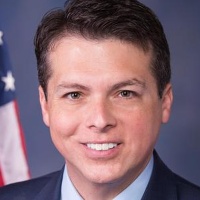
Legislative Activity
Track Brendan's sponsored bills, co-sponsored legislation, and voting record
The "Freedom to Invest in Tomorrow's Workforce Act" expands the use of 529 savings accounts to cover expenses related to postsecondary credentialing programs, including tuition, fees, books, supplies, equipment, and testing fees.

Robert Wittman
Representative
VA
Robert Wittman
Representative
VA
The "Freedom to Invest in Tomorrow's Workforce Act" amends Section 529 savings accounts to include expenses related to postsecondary credentialing programs. This allows 529 funds to cover costs like tuition, fees, books, supplies, and testing fees for recognized programs and credentials, as defined by the bill. These changes would apply to distributions made after the bill is enacted.
The Scientific Integrity Act mandates federal agencies to establish and enforce scientific integrity policies that protect scientific research from political interference, ensure open communication of scientific findings, and provide whistleblower protection for scientists.
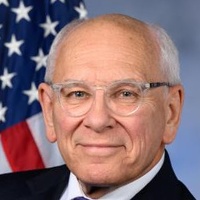
Paul Tonko
Representative
NY
Paul Tonko
Representative
NY
The Scientific Integrity Act mandates that federal agencies that fund, conduct, or oversee scientific research establish and enforce scientific integrity policies. These policies aim to protect scientists from political interference, ensure the open communication of scientific findings, and establish clear processes for reporting and addressing scientific misconduct. The Act requires agencies to appoint Scientific Integrity Officers, provide regular training, and report on misconduct complaints, with oversight from the Office of Science and Technology Policy and Congress. It also protects the rights of federal employees and contractors to share their findings and prevents the suppression or distortion of scientific data.
The Protect Our Letter Carriers Act of 2025 authorizes $7 billion to upgrade postal security infrastructure while mandating dedicated federal prosecutors for postal crimes and increasing sentencing guidelines for assaults against postal employees.
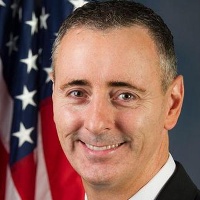
Brian Fitzpatrick
Representative
PA
Brian Fitzpatrick
Representative
PA
The Protect Our Letter Carriers Act of 2025 aims to enhance the safety of postal workers by funding high-security infrastructure upgrades, including electronic mailbox keys. The bill also mandates the appointment of dedicated federal prosecutors for postal crimes in every judicial district and requires stricter sentencing guidelines for those who assault or rob postal employees.
The "Taxpayer Data Protection Act" limits access to the Treasury Department's payment systems to authorized personnel and requires investigation and reporting of unauthorized access.

Haley Stevens
Representative
MI
Haley Stevens
Representative
MI
The Taxpayer Data Protection Act limits access to the Treasury Department's payment systems to Treasury employees or contractors with satisfactory performance reviews and security clearances. It sets specific criteria for individuals accessing the system, including conflict of interest restrictions, training, and ethics agreements. The Act also mandates the Treasury Department's Inspector General to investigate and report to Congress on any unauthorized system use.
This resolution expresses the House of Representatives' formal disapproval of granting pardons to individuals convicted of assaulting Capitol Police officers.
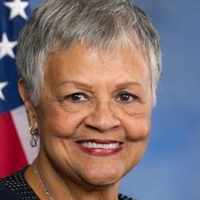
Bonnie Watson Coleman
Representative
NJ
Bonnie Watson Coleman
Representative
NJ
This resolution expresses the formal disapproval of the House of Representatives regarding the granting of pardons to individuals convicted of assaulting Capitol Police officers. It serves as a clear statement of opposition toward clemency for those who committed violent acts against law enforcement during the attack on the U.S. Capitol.
The Right to Contraception Act establishes a federal right to obtain and use contraception and prohibits government interference with access to contraceptive services and information.

Lizzie Fletcher
Representative
TX
Lizzie Fletcher
Representative
TX
The Right to Contraception Act establishes a federal right for individuals to access and use contraception without government interference. It prohibits federal and state governments from enacting laws that restrict access to contraceptives or the provision of related services. The Act provides clear enforcement mechanisms, allowing individuals and the Attorney General to sue to strike down any rule that violates these protections.
The No Tax Breaks for Outsourcing Act amends the Internal Revenue Code to eliminate tax incentives for offshoring by reforming international corporate taxation, tightening interest deduction rules, and closing loopholes used by inverted and foreign-managed corporations.

Lloyd Doggett
Representative
TX
Lloyd Doggett
Representative
TX
The **No Tax Breaks for Outsourcing Act** amends the Internal Revenue Code to discourage corporations from shifting profits and operations overseas. The bill replaces the current global intangible low-taxed income (GILTI) regime with a "net CFC tested income" system, implements country-by-country tax reporting, and limits interest deductions for large international groups. Additionally, it strengthens rules to prevent corporate inversions and treats foreign corporations managed within the United States as domestic entities for tax purposes.
The NO BAN Act prohibits religious discrimination in immigration and establishes stricter oversight and evidentiary requirements for the President’s authority to suspend or restrict entry into the United States.
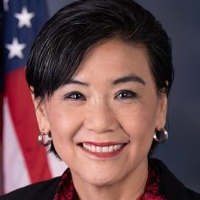
Judy Chu
Representative
CA
Judy Chu
Representative
CA
The NO BAN Act prohibits discrimination in immigration based on religion, race, sex, nationality, or place of birth. It also places strict limitations on the President’s authority to suspend or restrict entry into the United States, requiring evidence-based justification, congressional oversight, and public reporting. These measures ensure that any future immigration restrictions are narrowly tailored and subject to judicial review.
This resolution expresses strong support for the U.S. Department of Education and public K-12 schools, while formally opposing any efforts to defund, dismantle, or weaken federal support for public education.
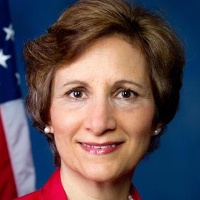
Suzanne Bonamici
Representative
OR
Suzanne Bonamici
Representative
OR
This resolution affirms strong support for the U.S. Department of Education and its critical role in funding and protecting public K-12 schools. It emphasizes the importance of federal investment in closing opportunity gaps and ensuring civil rights protections for all students. Furthermore, the bill explicitly condemns any efforts to defund public education, dismantle the Department of Education, or divert public funds to private school vouchers.
The Stop the Wait Act of 2025 eliminates the five-month waiting period for Social Security Disability Insurance (SSDI) benefits and removes the 24-month Medicare waiting period for eligible individuals lacking affordable health coverage.
Lloyd Doggett
Representative
TX
Lloyd Doggett
Representative
TX
The Stop the Wait Act of 2025 aims to provide faster financial and medical support to individuals with disabilities by eliminating the five-month waiting period for Social Security Disability Insurance (SSDI) benefits by 2030. Additionally, the bill removes the 24-month Medicare waiting period for SSDI recipients who lack access to affordable health insurance, ensuring they can access necessary medical coverage sooner.
The DERAIL Act enhances rail safety by expanding the definition of high-hazard flammable trains and mandating immediate reporting of derailments involving toxic inhalation materials to local, state, and federal authorities.

Chris Deluzio
Representative
PA
Chris Deluzio
Representative
PA
The Decreasing Emergency Railroad Accident Instances Locally (DERAIL) Act enhances rail safety by expanding the federal definition of "high-hazard flammable trains" to include more transport configurations. Additionally, the bill mandates that railroad carriers notify federal, state, local, and Tribal authorities within 24 hours of any derailment involving toxic inhalation materials.
This bill recognizes the significant contributions of tax-exempt fraternal benefit societies to communities across the United States through charitable activities, volunteer work, and financial support for their members, and expresses Congressional support for their continued promotion.
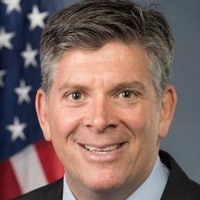
Darin LaHood
Representative
IL
Darin LaHood
Representative
IL
This bill recognizes the significant historical and ongoing contributions of tax-exempt fraternal benefit societies to communities across the United States through charitable activities, volunteer work, and financial support for members. It expresses the sense of Congress that these societies are a valuable support system that addresses unmet needs and generates substantial returns to the U.S. through their tax-exempt status. The bill also advocates for the continued promotion of fraternal benefit societies.
This bill expresses the House of Representatives' desire to keep the United States Postal Service (USPS) as an independent entity within the Federal Government, protecting it from privatization. It emphasizes the USPS's importance to the mailing industry, its role in connecting communities, and the potential negative impacts of privatization on prices, services, and infrastructure.
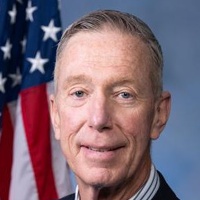
Stephen Lynch
Representative
MA
Stephen Lynch
Representative
MA
This bill expresses the House of Representatives' view that Congress should act to maintain the United States Postal Service (USPS) as an independent entity within the Federal Government. It emphasizes the USPS's role as a self-sustaining service vital to the economy and national connectivity. The resolution discourages privatization, citing concerns about increased costs, reduced services, and damage to critical infrastructure.
Recognizes and supports the contributions of Catholic schools in the U.S., celebrating their academic excellence, diverse communities, and the 51st annual National Catholic Schools Week.
Darin LaHood
Representative
IL
Darin LaHood
Representative
IL
Recognizes and supports Catholic schools in the United States for their academic excellence, diverse communities, and values-based education. Designates January 26, 2025, to February 1, 2025, as National Catholic Schools Week, celebrating the commitment of Catholic schools, students, parents, and teachers to academic excellence and community service.
This bill directs the U.S. Holocaust Memorial Museum to conduct a comprehensive study and report to Congress on the current state and effectiveness of Holocaust education in public elementary and secondary schools across the United States.
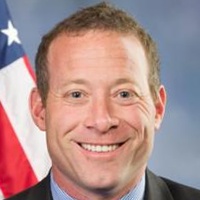
Josh Gottheimer
Representative
NJ
Josh Gottheimer
Representative
NJ
The Holocaust Education and Antisemitism Lessons Act directs the U.S. Holocaust Memorial Museum to conduct a comprehensive study of Holocaust education in public elementary and secondary schools across the United States. This study will evaluate current curriculum standards, teaching methods, and available resources to identify gaps and improve how students learn about the Holocaust and the history of antisemitism. The findings will be compiled into a report submitted to Congress to help strengthen educational efforts in preventing hate and bigotry.
The Performing Artist Tax Parity Act of 2025 updates and expands tax deductions for performing artists by including agent commissions, adjusting income thresholds for inflation, and increasing the nominal employer limit.

Vern Buchanan
Representative
FL
Vern Buchanan
Representative
FL
The Performing Artist Tax Parity Act of 2025 updates tax code deductions for performing artists by allowing them to deduct essential business expenses—including agent and manager commissions—directly from their taxable income. The bill introduces an income-based phaseout for the deduction, increases the "nominal employer" threshold, and implements annual inflation adjustments to ensure the policy remains current. These changes aim to provide greater financial relief for working artists by simplifying how they account for professional costs.
Expresses the House of Representatives' disapproval of the President's decision to withdraw the United States from the Paris Agreement, urging the President to reverse his decision and Congress to prioritize climate change leadership.
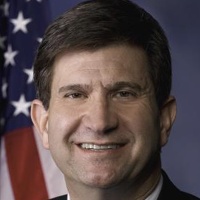
Bradley Schneider
Representative
IL
Bradley Schneider
Representative
IL
This bill expresses the House of Representatives' disapproval of the President's decision to withdraw the United States from the Paris Agreement, recognizing climate change as a threat and highlighting the increasing costs of extreme weather events. It commends entities supporting the Agreement, urges the President to reconsider, and encourages Congress to prioritize U.S. leadership on climate change.
The Small Business Investor Tax Parity Act of 2025 expands the qualified business income deduction to include interest dividends from qualified business development companies.
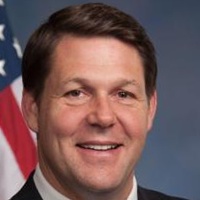
Jodey Arrington
Representative
TX
Jodey Arrington
Representative
TX
The Small Business Investor Tax Parity Act of 2025 amends the tax code to allow taxpayers to include qualified business development company (BDC) interest dividends in their qualified business income deduction. This change aligns the tax treatment of BDC dividends with that of real estate investment trust (REIT) dividends. The provision is set to take effect for tax years beginning after December 31, 2026.
The Assuring Medicare’s Promise Act of 2025 strengthens the Medicare Hospital Insurance Trust Fund by expanding the net investment income tax and directing its revenue toward long-term program solvency.
Lloyd Doggett
Representative
TX
Lloyd Doggett
Representative
TX
The Assuring Medicare’s Promise Act of 2025 aims to strengthen the Medicare Hospital Insurance Trust Fund by redirecting revenue from the net investment income tax directly to the program. Additionally, the bill expands the scope of this tax for high-income earners by including certain trade or business income and foreign earnings in the tax base. These measures are designed to improve the long-term financial stability of Medicare starting in 2026.
The Saving the Civil Service Act protects the merit-based federal workforce by restricting the ability of agencies to reclassify competitive service positions into the excepted service.

Gerald Connolly
Representative
VA
Gerald Connolly
Representative
VA
The Saving the Civil Service Act protects the merit-based federal workforce by restricting the ability of agencies to reclassify competitive service positions into the excepted service. The bill establishes strict oversight, limits the number of positions that can be transferred, and mandates employee consent for such reclassifications. These measures ensure that federal staffing remains professional and protected from arbitrary political interference.