Legislative Activity
Track Ami's sponsored bills, co-sponsored legislation, and voting record
This bill mandates that federal monitors and receivers overseeing public housing agencies must testify annually before relevant House and Senate committees.
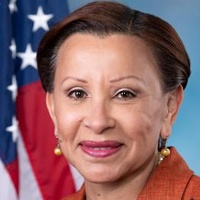
Nydia Velázquez
Representative
NY
Nydia Velázquez
Representative
NY
This bill mandates that federal monitors and receivers overseeing public housing agencies must testify annually before key House and Senate committees. This ensures accountability by requiring them to report on their management oversight of these agencies.
The Clean Competition Act establishes a carbon intensity charge on high-emission industrial goods produced domestically or imported, while funding programs to incentivize industrial decarbonization and global climate cooperation.
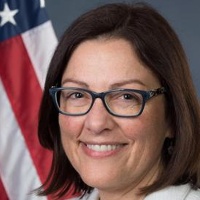
Suzan DelBene
Representative
WA
Suzan DelBene
Representative
WA
The Clean Competition Act establishes a carbon intensity charge on energy-intensive industrial goods produced domestically or imported into the United States to incentivize lower emissions. The bill provides financial support for industrial decarbonization through technology grants and competitive contracts funded by these charges. Additionally, it promotes international cooperation through "carbon club" agreements and climate assistance programs.
This act requires grantees to maintain and publicly post a searchable database of all undeveloped land they own starting October 1, 2026.
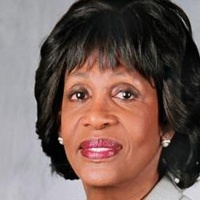
Maxine Waters
Representative
CA
Maxine Waters
Representative
CA
This act mandates that recipients of certain federal housing and community development funds must create and maintain a publicly accessible, searchable online database of all undeveloped land they own. This requirement takes effect starting October 1, 2026.
This Act designates new wilderness areas and Wild and Scenic Rivers within the San Gabriel Mountains, Foothills, and Rivers region while authorizing necessary management activities and tribal access.
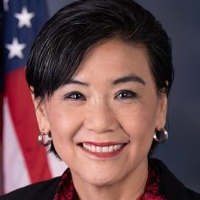
Judy Chu
Representative
CA
Judy Chu
Representative
CA
The San Gabriel Mountains, Foothills, and Rivers Protection Act of 2025 designates new wilderness areas and protects segments of local rivers within the Angeles National Forest. This legislation formally adds over 28,000 acres to the National Wilderness Preservation System and designates specific sections of Little Rock Creek and Cooper Canyon Creek as part of the National Wild and Scenic Rivers System. The Act also mandates studies for potential future protection of segments of the San Gabriel River. Finally, it includes provisions ensuring tribal access for cultural purposes and allowing for the continued use of certain pre-existing water facilities.
This bill establishes a four-year pilot program to encourage the Federal Housing Administration to insure small-dollar mortgages of $\$100,000$ or less.
Maxine Waters
Representative
CA
Maxine Waters
Representative
CA
This bill establishes the **FHA Small-Dollar Mortgages Act**, creating a pilot program to increase access to mortgages of $\$100,000$ or less. The program allows the Secretary of HUD to offer incentives, adjust terms, and provide borrower assistance to encourage lenders to offer these smaller loans. The Commissioner must report annually to Congress on the program's results, risks, and impact on the market until the program concludes after four years.
The Essential Caregivers Act of 2025 guarantees nursing home and long-term care residents the right to designate an essential caregiver who maintains access to them even during public health emergencies.
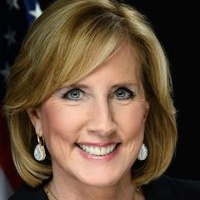
Claudia Tenney
Representative
NY
Claudia Tenney
Representative
NY
The Essential Caregivers Act of 2025 protects the rights of residents in long-term care facilities to designate an essential caregiver who can provide support and companionship. This legislation ensures that these caregivers maintain in-person access to residents even during public health emergencies when general visitation is restricted. By establishing clear protocols and an appeals process, the bill aims to prevent the harmful effects of isolation and ensure residents continue to receive vital care and advocacy.
This act establishes a competitive grant program administered by HUD to fund affordable housing planning and implementation activities for eligible state and local entities.
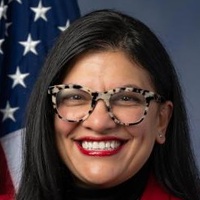
Rashida Tlaib
Representative
MI
Rashida Tlaib
Representative
MI
The Housing Our Communities Act establishes a competitive grant program administered by the Department of Housing and Urban Development. This program provides funding to states, cities, and regional agencies specifically for planning and implementing strategies to increase affordable housing supply and access. Grant funds must be used for activities like updating zoning codes, developing housing plans, and implementing strategies that coordinate housing with transportation access.
This Act establishes a Critical Minerals Security Alliance with allies to combat foreign market dominance, increases duties on imports from countries of concern, and creates a trust fund to support domestic critical mineral projects.
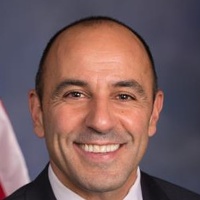
Jimmy Panetta
Representative
CA
Jimmy Panetta
Representative
CA
The Restoring American Mineral Security Act of 2025 aims to secure the U.S. supply of critical minerals by establishing a **Critical Minerals Security Alliance** with trusted international partners to counter market dominance by foreign adversaries. The bill authorizes the creation of a **trust fund**, financed by duties on imports from countries of concern, to support domestic mining, processing, and manufacturing projects. It also increases U.S. tariffs on certain critical minerals and derivative products sourced from designated "foreign countries of concern."
This bill authorizes Congress to award Congressional Gold Medals to the 1980 U.S. Men's Olympic Ice Hockey team for their historic "Miracle on Ice" victory.
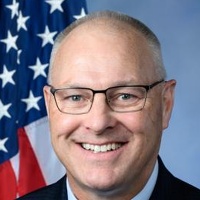
Pete Stauber
Representative
MN
Pete Stauber
Representative
MN
This bill, the Miracle on Ice Congressional Gold Medal Act, officially authorizes Congress to award Congressional Gold Medals to the 1980 U.S. Men's Olympic Ice Hockey Team for their historic "Miracle on Ice" victory. The medals will be struck by the Treasury and permanently displayed at specific national sports museums. The Act also permits the sale of duplicate bronze medals to cover production costs.
This act nullifies a recent Executive Order regarding federal labor relations and ensures existing collective bargaining agreements remain in effect.

Jared Golden
Representative
ME
Jared Golden
Representative
ME
The Protect America's Workforce Act nullifies a specific Executive Order issued in March 2025 concerning exclusions from federal labor-management relations programs. This legislation ensures that any existing collective bargaining agreements between federal agencies and employee unions remain fully in effect until their stated expiration dates. The Act also prohibits the use of federal funds to implement the overturned Executive Order.
This act mandates federal studies on AI's job impact and establishes new grant programs to expand technology education and workforce training.
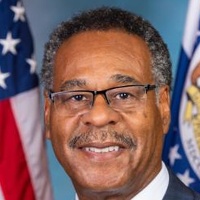
Emanuel Cleaver
Representative
MO
Emanuel Cleaver
Representative
MO
The Workforce of the Future Act of 2025 mandates federal studies on AI's impact on jobs and establishes new grant programs to expand technology education and workforce training. Title I requires comprehensive reports from key departments detailing necessary future skills and policy recommendations. Title II creates federal grants to boost K-12 technology education and fund retraining for workers in AI-affected industries.
This resolution commends state and local governments for championing reproductive rights as human rights while condemning abortion restrictions and criminalization following the *Dobbs* decision.
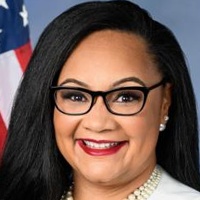
Nikema Williams
Representative
GA
Nikema Williams
Representative
GA
This concurrent resolution commends state and local governments for championing reproductive rights as human rights following the overturning of *Roe v. Wade*. It declares that denying abortion care leads to severe health risks and highlights the criminalization of pregnancy outcomes across the U.S. The resolution urges states to repeal abortion restrictions and affirm that reproductive rights are fundamental human rights.
This bill officially designates the U.S. Postal Service facility at 130 South Patterson Avenue in Santa Barbara, California, as the Brigadier General Frederick R. Lopez Post Office Building.
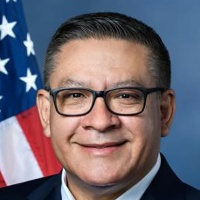
Salud Carbajal
Representative
CA
Salud Carbajal
Representative
CA
This bill officially designates the United States Postal Service facility located at 130 South Patterson Avenue in Santa Barbara, California, as the **Brigadier General Frederick R. Lopez Post Office Building**. This change ensures all federal records and documents will use the new name for this specific post office.
This resolution expresses House support for Design for Recycling (DFR) initiatives that encourage manufacturers to create easily recyclable products to reduce waste and boost the U.S. economy.
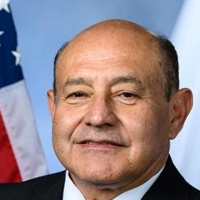
J. Correa
Representative
CA
J. Correa
Representative
CA
This resolution expresses the House of Representatives' support for Design for Recycling (DFR) initiatives. DFR encourages manufacturers to design products using maximum recyclable components to limit waste and reduce environmental impact. The bill highlights the significant economic and environmental benefits of increasing recycling and supporting the domestic recycled materials industry.
The Right to Read Act of 2025 establishes definitions for effective school libraries and the right to read, amends federal education law to require state and local plans supporting these rights, authorizes funding for literacy programs, and mandates data collection on school libraries.
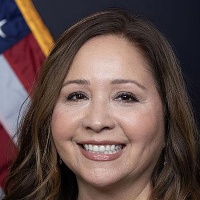
Adelita Grijalva
Representative
AZ
Adelita Grijalva
Representative
AZ
The Right to Read Act of 2025 amends federal education law to establish a comprehensive "right to read" for all students, ensuring access to evidence-based instruction, effective school libraries, and diverse reading materials. The bill defines key terms like "effective school library" and mandates that states and local agencies detail plans to support these resources and protect students' First Amendment rights regarding information access. Furthermore, it authorizes significant new funding to improve literacy programs, support school librarians, and mandates national data collection on school library resources.
The Mikaela Naylon Give Kids a Chance Act primarily focuses on enhancing pediatric drug research, ensuring completion of pediatric study requirements, extending incentives for rare pediatric disease treatments, and making targeted updates to FDA and organ transplant network operations.
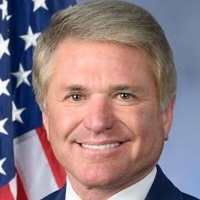
Michael McCaul
Representative
TX
Michael McCaul
Representative
TX
The Mikaela Naylon Give Kids a Chance Act focuses primarily on improving pediatric drug development and ensuring patient access to necessary treatments. This legislation mandates new research requirements for molecularly targeted pediatric cancer drugs, strengthens FDA enforcement of pediatric study completion, and extends incentives for developing drugs for rare pediatric diseases. Additionally, the bill updates organ transplant network functions and establishes an Abraham Accords Office within the FDA to enhance international regulatory cooperation.
This Act establishes federal guidelines and pilot programs to safely facilitate the construction of point-access block residential buildings, which utilize a single internal stairway for access.

Ritchie Torres
Representative
NY
Ritchie Torres
Representative
NY
The Point-Access Housing Guidelines Act of 2025 directs the Department of Housing and Urban Development to establish federal guidelines for the construction of point-access block residential buildings, which are typically five-story buildings served by a single internal stairway. These guidelines will focus on fire safety, construction costs, and housing affordability, while also authorizing pilot project grants to test the feasibility of these structures. The Act aims to provide model language to help local governments permit these buildings to potentially increase housing supply without preempting existing state or local building codes.
The CAT Act mandates that public housing agencies publicly disclose key details of all their contracts on their websites.
Ritchie Torres
Representative
NY
Ritchie Torres
Representative
NY
The Contracting Accountability and Transparency (CAT) Act mandates that public housing agencies publicly disclose key details about their contracts on their websites. This new requirement, established by the Secretary of Housing and Urban Development, aims to increase transparency in public housing contracting. Agencies must post information such as vendor names, contract solicitation details, and submitted bids.
This bill streamlines environmental review for certain rural housing assistance projects on infill sites while requiring a report on the impact of this exemption.
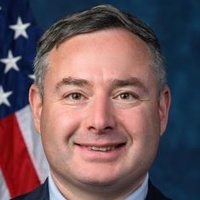
Eugene Vindman
Representative
VA
Eugene Vindman
Representative
VA
The Rural Housing Regulatory Relief Act streamlines the process for providing federal housing assistance in rural areas by exempting certain residential construction or modification projects on existing infill sites from full environmental review under NEPA. This aims to reduce administrative delays and costs associated with building affordable homes where infrastructure already exists. The Secretary of Agriculture must report to Congress in five years on the impact of this exemption.
This bill updates the federal definition of a manufactured home to include those built without a permanent chassis, establishes new construction standards, and requires states to grant these homes legal parity with traditional manufactured homes.
John Rose
Representative
TN
John Rose
Representative
TN
The Housing Supply Expansion Act of 2025 updates the federal definition of a manufactured home to include those built without a permanent chassis. It mandates new HUD safety standards and requires states to certify that their laws treat these homes equally to traditionally built manufactured homes. Failure to certify will result in a state prohibition on the sale or installation of these newly defined homes.