
Legislative Activity
Track Marsha's sponsored bills, co-sponsored legislation, and voting record
The TORNADO Act mandates improvements to hazardous weather communication, develops a strategic plan for high-resolution forecasting, updates the tornado rating system, and enhances post-storm assessment procedures.

Roger Wicker
Senator
MS
Roger Wicker
Senator
MS
The TORNADO Act aims to significantly improve the nation's ability to forecast, communicate, and respond to hazardous weather events. It establishes new offices and strategic plans to enhance the clarity and speed of public warnings, mandates a review of the tornado rating system, and refocuses key tornado research programs. Ultimately, the bill seeks to leverage better science and communication strategies to save lives and protect property from severe storms and other natural hazards.
The Dairy Business Innovation Act of 2025 increases funding for dairy business innovation initiatives from $20,000,000 to $36,000,000.

Tammy Baldwin
Senator
WI
Tammy Baldwin
Senator
WI
The Dairy Business Innovation Act of 2025 amends the Agriculture Improvement Act of 2018 to increase funding for dairy business innovation initiatives. It raises the allocated amount from $20,000,000 to $36,000,000, supporting further development and innovation in the dairy industry.
This Act mandates that new passenger vehicles sold in the U.S. must include standard equipment capable of receiving AM broadcast radio signals for emergency alerts and programming.
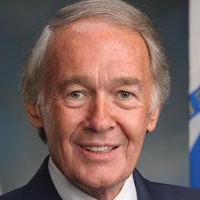
Edward Markey
Senator
MA
Edward Markey
Senator
MA
The AM Radio for Every Vehicle Act of 2025 mandates that new passenger vehicles sold in the U.S. must include standard equipment capable of receiving AM broadcast signals within a few years of the law's enactment. This requirement aims to ensure drivers retain access to crucial emergency alerts, overriding conflicting state or local laws. The bill also directs the GAO to study the reliability of AM radio versus other emergency alert technologies in vehicles.
This bill eliminates diversity, equity, and inclusion (DEI) programs and initiatives within the federal government, federal training, federal contracting, federal grants and cooperative agreements, federal advisory committees, and higher education accreditation standards.
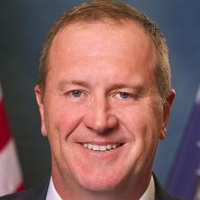
Eric Schmitt
Senator
MO
Eric Schmitt
Senator
MO
**Title I:** This bill seeks to eliminate diversity, equity, and inclusion (DEI) programs within the federal government by revoking prior directives, terminating DEI offices, and restricting DEI-related training and activities. **Title II:** This bill restricts federal training programs from including topics related to diversity, equity, and inclusion, and protects employees from mandatory training on these subjects. **Title III:** This bill modifies federal contracting practices by prohibiting the use of federal funds for DEI-related activities and ensuring non-discrimination in federal programs. **Title IV:** This bill restricts the use of federal grant and cooperative agreement funds for diversity, equity, inclusion, and accessibility (DEIA) initiatives, while exempting certain offices and institutions. **Title V:** This bill aims to eliminate diversity, equity, and inclusion (DEI) practices within federal advisory committees by outlining specific prohibitions, enforcement mechanisms, and responsibilities for agency administrators and heads to ensure compliance. **Title VI:** This bill addresses accreditation standards for higher education institutions and restricts the use of federal funds by the Secretary of Education related to diversity, equity, and inclusion (DEI) initiatives. **Title VII:** This bill eliminates certain diversity, equity, and inclusion (DEI) programs and related requirements across various federal agencies and acts. **Title VIII:** This bill focuses on the enforcement and legal standing of the Act, ensuring individuals have the right to seek justice if they believe the law has been violated, and clarifies that the law remains effective even if parts of it are deemed unconstitutional.
The Fair Access to Banking Act aims to prevent financial institutions from denying services to individuals or businesses based on subjective or political reasons, ensuring fair and impartial access to financial services.

Kevin Cramer
Senator
ND
Kevin Cramer
Senator
ND
The Fair Access to Banking Act aims to ensure equal access to financial services by preventing banks and credit unions from denying services to individuals or entities engaged in lawful activities based on subjective or politically motivated reasons. It sets requirements for banks with over $10 billion in assets, prohibiting them from denying services based on reputational risk and requiring them to justify denials with documented, risk-based standards. The act also allows individuals to sue financial institutions that violate these requirements, with the potential for treble damages and attorney fees awarded to successful plaintiffs. Furthermore, it restricts access to Federal Reserve lending programs and the Automated Clearing House Network for institutions that fail to comply with the Act.
The "Stop GREED Act of 2025" limits critical skill incentives for Department of Veterans Affairs Senior Executive Service employees, particularly those at the VA Central Office, requiring individual justification and approval for incentives provided to those not based at the Central Office, and mandating an annual report to Congress.

Jerry Moran
Senator
KS
Jerry Moran
Senator
KS
The "Stop GREED Act of 2025" limits the Department of Veteran Affairs' ability to provide critical skill incentives to Senior Executive Service employees, especially those at the VA Central Office. It mandates individual approvals for incentives to senior executives not based at the Central Office and requires an annual report to Congress on these incentives. The goal of the act is to limit incentives for senior level employees.
The "Stopping Political Discrimination in Disaster Assistance Act" ensures disaster relief is provided without political bias.

James Lankford
Senator
OK
James Lankford
Senator
OK
The "Stopping Political Discrimination in Disaster Assistance Act" amends the Stafford Act to prohibit discrimination based on political affiliation when providing disaster relief. This ensures that disaster assistance is distributed fairly, regardless of a person's political beliefs.
This bill removes silencers from special tax and registration requirements under the National Firearms Act while imposing a new 10% excise tax and new federal marking standards on manufacturers.

Michael Crapo
Senator
ID
Michael Crapo
Senator
ID
The Hearing Protection Act seeks to remove silencers from special regulation under federal tax law, treating them similarly to standard firearms components. This bill preempts state and local governments from imposing special taxes or registration requirements on silencers involved in interstate commerce. Furthermore, it mandates the destruction of existing federal records identifying silencer owners and establishes new serial number marking requirements for manufacturers.
The Supporting Victims of Human Trafficking Act increases funding flexibility and mandates that at least 95 percent of grant resources be directed toward direct victim services.

Jon Ossoff
Senator
GA
Jon Ossoff
Senator
GA
The Supporting Victims of Human Trafficking Act amends existing federal grant programs to provide greater flexibility in how funds are managed and allocated. Most importantly, the bill increases the minimum requirement for direct victim services from 75% to 95%, ensuring that the vast majority of resources go directly toward supporting survivors.
The American Values Act permanently prohibits the use of federal foreign assistance and Peace Corps funding for abortion services, involuntary sterilization, and related lobbying or research activities.

James Risch
Senator
ID
James Risch
Senator
ID
The American Values Act permanently prohibits the use of federal foreign assistance and Peace Corps funding for abortion services, involuntary sterilizations, and related lobbying or research activities. This legislation codifies long-standing restrictions to ensure that U.S. taxpayer dollars are not utilized to support or promote these practices internationally.
The Birthright Citizenship Act of 2025 restricts birthright citizenship to individuals born in the U.S. to at least one parent who is a U.S. citizen, a lawful permanent resident, or an alien in lawful status serving in the U.S. armed forces.
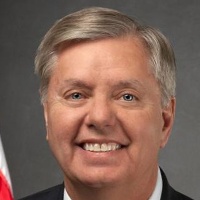
Lindsey Graham
Senator
SC
Lindsey Graham
Senator
SC
The Birthright Citizenship Act of 2025 amends the Immigration and Nationality Act to restrict birthright citizenship to individuals born in the United States who have at least one parent who is a U.S. citizen, a lawful permanent resident, or an alien in lawful status serving in the U.S. armed forces. This legislation clarifies the definition of being "subject to the jurisdiction of the United States" for citizenship purposes. These changes would apply only to individuals born after the bill's enactment, preserving the status of those born previously.
The Laken Riley Act mandates the detention of aliens who commit theft and empowers state attorneys general to sue the Department of Homeland Security or the Secretary of State over immigration enforcement failures.
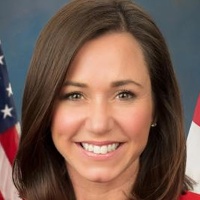
Katie Britt
Senator
AL
Katie Britt
Senator
AL
The Laken Riley Act mandates the detention of illegal aliens who commit theft, burglary, larceny, or shoplifting. It empowers state attorneys general to sue the Department of Homeland Security or the Secretary of State if they believe the state or its residents are harmed by violations of immigration enforcement or visa granting. The bill aims to ensure that these aliens are detained throughout their removal proceedings and to provide states with legal recourse against perceived failures in federal immigration enforcement.
The A PLUS Act empowers states to consolidate federal education funding and reduce administrative burdens in exchange for increased local accountability and transparency in student performance.
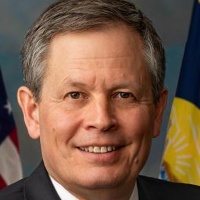
Steve Daines
Senator
MT
Steve Daines
Senator
MT
The A PLUS Act empowers states and local communities to take greater control of federal education funding by reducing administrative red tape and allowing for the consolidation of various programs. By opting into this flexibility, states can better tailor educational reforms to their specific needs while remaining publicly accountable for student achievement. The legislation ensures that states continue to uphold civil rights protections and provide transparent reporting on student progress to parents and taxpayers.
The Charitable Act allows individuals who do not itemize their taxes to claim a charitable contribution deduction of up to one-third of their standard deduction for the 2026 and 2027 tax years.
James Lankford
Senator
OK
James Lankford
Senator
OK
The Charitable Act renews and expands tax incentives for charitable giving by allowing individuals who do not itemize deductions to claim a deduction for charitable contributions during the 2026 and 2027 tax years. Under this provision, non-itemizers can deduct contributions up to one-third of their standard deduction amount. Additionally, the bill removes specific accuracy-related penalties associated with these deductions.
This bill prohibits U.S. funding for United Nations operations in Afghanistan until the Secretary of State certifies that no taxpayer money is being diverted to terrorist organizations through cash shipments.

Shelley Capito
Senator
WV
Shelley Capito
Senator
WV
The Stop Funding Global Terrorists Act of 2025 prohibits U.S. contributions to the United Nations for assistance in Afghanistan until the Secretary of State certifies that no funds are being diverted to terrorist organizations through cash shipments. This legislation mandates strict oversight to ensure American taxpayer dollars do not inadvertently support designated global or foreign terrorist entities.
The Educational Choice for Children Act of 2025 establishes a federal tax credit for donations to scholarship-granting organizations to help eligible students cover a wide range of K-12 educational expenses while protecting the autonomy of participating schools and families.
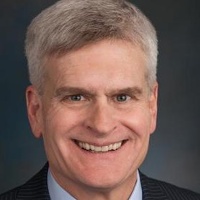
Bill Cassidy
Senator
LA
Bill Cassidy
Senator
LA
The Educational Choice for Children Act of 2025 establishes a federal tax credit for individuals and corporations that donate to scholarship-granting organizations. These organizations provide scholarships to help eligible students cover a wide range of K-12 educational expenses, including private school tuition, tutoring, and educational therapies. The bill includes a $10 billion annual volume cap on these credits and contains robust protections to ensure the autonomy of participating schools and the rights of parents to direct their children's education.
The Defund the CFPB Act seeks to eliminate the Bureau of Consumer Financial Protection’s mandatory funding by capping its annual budget from the Federal Reserve at zero dollars.
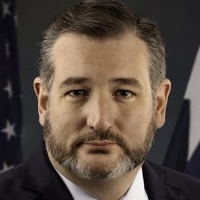
Ted Cruz
Senator
TX
Ted Cruz
Senator
TX
The "Defund the CFPB Act" seeks to eliminate the Consumer Financial Protection Bureau’s primary source of mandatory funding by capping its annual transfer from the Federal Reserve at zero dollars. This legislation effectively removes the Bureau's independent funding mechanism, requiring a fundamental change to its financial structure.
This bill seeks to codify into law the "Protecting Life in Global Health Assistance" policy, permanently prohibiting federal funding for foreign and domestic organizations that perform, promote, or support abortion services internationally.
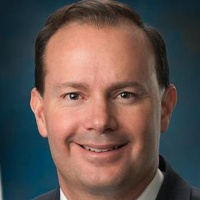
Mike Lee
Senator
UT
Mike Lee
Senator
UT
The Protecting Life in Foreign Assistance Act seeks to codify the "Protecting Life in Global Health Assistance" policy into federal law, preventing future presidential administrations from reversing it. The bill prohibits the use of U.S. federal funds for foreign and domestic nongovernmental organizations that perform, promote, or provide financial support for abortion services. By establishing these permanent restrictions, the legislation aims to ensure that U.S. global health assistance is not used to facilitate abortion-related activities.
This bill amends the Internal Revenue Code to prohibit the use of tax-advantaged health accounts for non-excepted abortion expenses, subjecting such payments to tax penalties.
Mike Lee
Senator
UT
Mike Lee
Senator
UT
The Protecting Life in Health Savings Accounts Act amends the Internal Revenue Code to prohibit the use of tax-advantaged health accounts—including HSAs, FSAs, and HRAs—for abortion expenses, with limited exceptions for cases of rape, incest, or medical necessity. Under this bill, using these funds for non-excluded abortions would no longer qualify for tax-free treatment and would be subject to tax penalties. These changes are set to take effect for taxable years beginning after December 31, 2025.
The Main Street Tax Certainty Act makes the 20% pass-through business income deduction permanent by removing its scheduled expiration date.
Steve Daines
Senator
MT
Steve Daines
Senator
MT
The Main Street Tax Certainty Act makes the 20% pass-through business deduction permanent by removing its scheduled expiration date. This legislation ensures that owners of sole proprietorships, partnerships, and S corporations can continue to benefit from this tax relief indefinitely.