This bill extends the authorization of the Distance Learning and Telemedicine Program through 2030 to support expanded access to rural healthcare and educational resources.
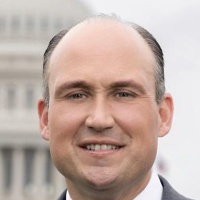
Nicholas Langworthy
Representative
NY-23
The Rural Telehealth and Education Enhancement Act of 2025 extends the federal Distance Learning and Telemedicine Program through 2030. This legislation ensures continued support for critical remote healthcare and educational infrastructure in rural communities.
Rural Telehealth and Education Enhancement Act Extends Digital Lifelines Through 2030
The Rural Telehealth and Education Enhancement Act of 2025 is a straightforward piece of legislation that keeps the lights on for the Distance Learning and Telemedicine Program. By amending Section 2335A of the Food, Agriculture, Conservation, and Trade Act of 1990, the bill pushes the program's expiration date from 2023 out to 2030. This ensures that federal support for the technology and infrastructure needed to connect rural communities with specialists and classrooms remains active for the next five years.
Bridging the Digital Divide
This extension is all about maintaining the digital bridges between remote areas and urban hubs. For a parent in a rural town, this means their child might continue to have access to advanced placement courses or specialized tutoring via high-speed video links that their local school district couldn't otherwise afford. On the healthcare side, it supports the tech that lets a patient consult with a cardiologist or mental health professional hundreds of miles away without having to take a full day off work to drive to a major city. By moving the deadline to 2030, the bill provides a level of stability for local governments and non-profits that rely on these grants to plan long-term infrastructure projects.
Continuity Over Complexity
Because this is a reauthorization rather than a complete overhaul, the bill is remarkably clear. It doesn't introduce new red tape or change the eligibility requirements; it simply ensures the existing framework doesn't vanish. For small-town clinics and regional school boards, this means the 'business as usual' for their digital services is protected. The primary impact is the avoidance of a 'service cliff' where funding would have otherwise dried up, ensuring that the progress made in rural connectivity over the last decade isn't lost to a sunset clause.