Legislative Activity
Track Mark's sponsored bills, co-sponsored legislation, and voting record
This bill amends federal law to include violations related to rioting within the definition of racketeering activity.
Beth Van Duyne
Representative
TX
Beth Van Duyne
Representative
TX
This bill amends federal law to explicitly include violations related to rioting within the definition of "racketeering activity." By adding this specific crime to the list under Title 18, Section 1961(1), the legislation makes participation in such activities subject to serious federal racketeering charges. This change treats rioting violations similarly to other established offenses like bribery or extortion for the purposes of federal prosecution.
This resolution mandates the public release of nearly all Department of Justice documents related to the Jeffrey Epstein and Ghislaine Maxwell investigations, with limited exceptions for victim privacy and ongoing legal integrity.
Ralph Norman
Representative
SC
Ralph Norman
Representative
SC
This resolution mandates the Department of Justice (DOJ) to publicly release nearly all documents, records, and communications related to the investigations of Jeffrey Epstein and Ghislaine Maxwell within 30 days. The bill strictly prohibits withholding information based on embarrassment or political sensitivity. Any permitted redactions, such as protecting victim privacy or grand jury secrets, must be publicly justified to Congress.
The Equal Shot Act of 2025 prohibits the Small Business Administration from denying financial assistance to qualified applicants solely based on their involvement in the firearms industry.
Roger Williams
Representative
TX
Roger Williams
Representative
TX
The Equal Shot Act of 2025 prohibits the Small Business Administration (SBA) from denying financial assistance to otherwise qualified applicants solely based on their involvement in the firearms industry. This legislation ensures that businesses defined as "firearm entities," their affiliates, or trade associations are not unfairly rejected for SBA loans or guarantees. The Act clearly defines these terms to prevent discrimination against businesses involved in manufacturing, selling, or servicing firearms and related accessories.
This Act prohibits lawsuits claiming discrimination based solely on the unintended, disproportionate statistical effect (disparate impact) of employment or housing practices.
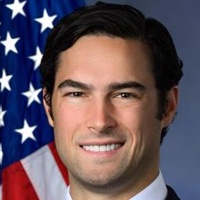
Brandon Gill
Representative
TX
Brandon Gill
Representative
TX
The Restoring Equal Opportunity Act aims to eliminate "disparate-impact liability" across major federal laws. This bill prohibits lawsuits claiming discrimination based solely on the unintended, disproportionate negative effect of a rule or practice. Consequently, it removes the ability to challenge employment and housing practices unless discriminatory intent can be proven. The Act also nullifies specific prior regulatory approvals related to civil rights enforcement.
This Act authorizes livestock producers and their employees to take certain black vultures that threaten their livestock, with the exception of using poison, and requires annual reporting of such actions.
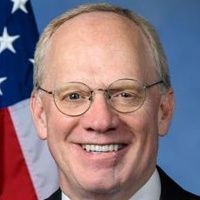
John Rose
Representative
TN
John Rose
Representative
TN
The Black Vulture Relief Act authorizes livestock producers and their employees to take action against black vultures that pose an imminent threat to their livestock. This permission overrides certain existing regulations but strictly prohibits the use of poison. Those who take vultures under this authority must submit an annual report to the U.S. Fish and Wildlife Service once the required reporting form is made available.
This Act mandates that VA medical staff promptly certify the deaths of veterans who died from natural causes within 48 hours to expedite burial and survivor benefits.
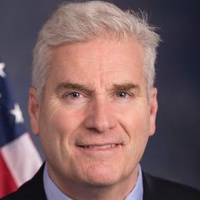
Tom Emmer
Representative
MN
Tom Emmer
Representative
MN
The Veteran Burial Timeliness and Death Certificate Accountability Act addresses significant delays in obtaining death certificates for veterans who die from natural causes, often due to VA medical staff delays. This bill mandates that VA medical providers must certify a veteran's death within 48 hours or allow the local medical examiner to step in. Furthermore, the VA must annually report on its compliance with this new timely certification requirement.
The AFIDA Improvements Act of 2025 strengthens the reporting and enforcement of foreign ownership of U.S. agricultural land, lowers the minimum reporting threshold for certain foreign investors, and mandates information sharing with national security officials.
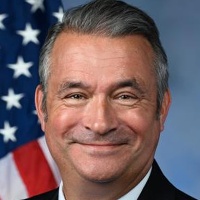
Don Bacon
Representative
NE
Don Bacon
Representative
NE
The AFIDA Improvements Act of 2025 modernizes the reporting requirements for foreign ownership of U.S. agricultural land by lowering the minimum reporting threshold for certain transactions. This legislation strengthens enforcement actions and mandates the sharing of critical foreign investment data with national security officials, specifically CFIUS. Furthermore, the Act requires updates to official handbooks to incorporate national security risk assessments and establishes a timeline for fully implementing electronic AFIDA disclosure systems.
This bill authorizes the creation and sale of commemorative coins for the 2028 Los Angeles and 2034 Salt Lake City Olympic and Paralympic Games to help fund the events, with all surcharges going to the respective organizing committees after covering production costs.
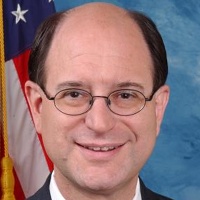
Brad Sherman
Representative
CA
Brad Sherman
Representative
CA
This Act authorizes the Secretary of the Treasury to mint and sell special commemorative coins for the 2028 Los Angeles Olympic and Paralympic Games and the 2034 Salt Lake City Winter Olympic and Paralympic Games. The coins will feature designs celebrating American athletes and the Games themselves. All surcharges collected from the sale of these coins will be directed to the respective organizing committees to help fund the events and related youth sports programs. The entire program must be conducted at no cost to the U.S. Government.
This resolution commends Petty Officer 3d Class Scott Ruskan for his heroic rescue of 165 people during the devastating central Texas floods and thanks all first responders involved.
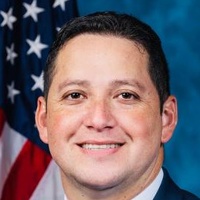
Ernest Gonzales
Representative
TX
Ernest Gonzales
Representative
TX
This resolution officially commends Petty Officer 3d Class Scott Ruskan for his heroic actions during the devastating central Texas floods of July 2025. It specifically recognizes him for personally rescuing 165 individuals and coordinating triage efforts under hazardous conditions. Furthermore, the bill extends deep gratitude to all federal, state, and volunteer responders who risked their lives during this major natural disaster.
This Act eliminates the dollar limits on the tax-free profit exclusion when selling a principal residence.
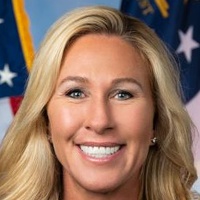
Marjorie Greene
Representative
GA
Marjorie Greene
Representative
GA
The No Tax on Home Sales Act eliminates the existing dollar limitations on the amount of profit an individual can exclude from taxes when selling their principal residence. This change removes the caps on the tax-free gain from the sale of a primary home. The provisions of this Act take effect immediately upon enactment.
This bill establishes the Iranian Campaign Medal to recognize military service in support of operations during the Iran-Israel War.
Ernest Gonzales
Representative
TX
Ernest Gonzales
Representative
TX
The Iranian Campaign Medal Act establishes a new military decoration, the Iranian Campaign Medal, to recognize service members deployed in support of operations during the Iran-Israel War. This medal will be awarded by the Secretaries of the military branches upon approval of its design by the Secretary of Defense. Eligibility requires active duty service in a designated area or performing qualifying service related to the operation.
The CONNECT for Health Act of 2025 permanently expands Medicare telehealth access by removing geographic restrictions, increasing practitioner flexibility, bolstering program integrity, and mandating supports for quality remote care delivery.
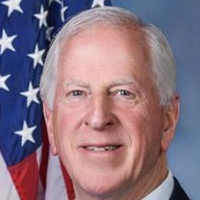
Mike Thompson
Representative
CA
Mike Thompson
Representative
CA
The CONNECT for Health Act of 2025 significantly expands and permanently secures access to Medicare telehealth services by eliminating outdated geographic restrictions and allowing more practitioners to offer remote care. The bill also strengthens program integrity by dedicating funds for telehealth oversight while clarifying rules around providing necessary technology to patients. Finally, it mandates the creation of tailored educational resources and public reporting to improve quality measurement and transparency in remote care delivery.
This Act mandates that major internet content and service providers (edge providers) must help fund the Universal Service Fund alongside broadband providers to lower consumer costs and support service in high-cost areas.
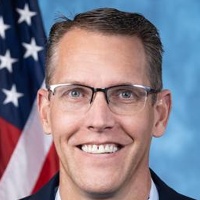
Randy Feenstra
Representative
IA
Randy Feenstra
Representative
IA
The Lowering Broadband Costs for Consumers Act of 2025 reforms the Universal Service Fund (USF) contribution system by requiring large internet content and service providers ("Edge Providers") to contribute alongside traditional broadband providers. This aims to shift the financial burden away from solely relying on phone companies to ensure continued support for universal service. The bill also directs the FCC to establish new, predictable funding mechanisms to support broadband providers serving high-cost areas.
This proposed constitutional amendment grants Congress the explicit power to prohibit the physical desecration of the United States flag.
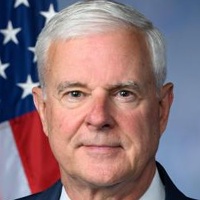
Steve Womack
Representative
AR
Steve Womack
Representative
AR
This proposed constitutional amendment seeks to grant Congress the explicit power to prohibit the physical desecration of the United States flag. If ratified by three-fourths of the states within seven years, this would allow Congress to enact federal laws protecting the flag from physical damage or destruction.
This Act establishes a partnership between the Small Business Administration and the National Council on Disability to increase employment opportunities for individuals with disabilities, particularly within small businesses.
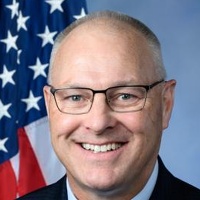
Pete Stauber
Representative
MN
Pete Stauber
Representative
MN
The ThinkDIFFERENTLY About Disability Employment Act establishes a partnership between the Small Business Administration (SBA) and the National Council on Disability to significantly increase employment opportunities for individuals with disabilities, particularly within small businesses. This collaboration focuses on supporting entrepreneurship, assisting small businesses with hiring and accessibility, and coordinating efforts through formal agreements. The SBA is required to report on the progress and future plans for expanding these opportunities two years after enactment, utilizing existing budgets for implementation.
This Act mandates that federal agencies provide clear reasons and future plans when cancelling small business contract solicitations and requires agency directors to assist affected small businesses in finding alternative opportunities.
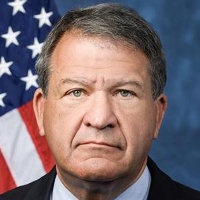
George Latimer
Representative
NY
George Latimer
Representative
NY
The Transparency and Predictability in Small Business Opportunities Act aims to provide small businesses with greater clarity when the government cancels a federal contract solicitation they bid on. The bill mandates that federal agencies must publicly disclose the reasons for cancellation and any plans to reissue the opportunity. Furthermore, it establishes a process where small businesses whose bids are cancelled without reissue will be referred to an agency director to help them find alternative contracting opportunities.
The SAFE CROSS Act mandates a one-year study by the FRA on the feasibility, cost-effectiveness, and best practices for implementing AI-enabled sensors to enhance safety at railroad crossings.
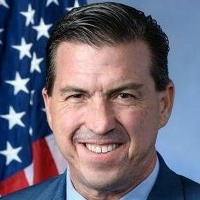
Kevin Mullin
Representative
CA
Kevin Mullin
Representative
CA
The SAFE CROSS Act mandates a one-year study by the Federal Railroad Administration (FRA) to evaluate the safety benefits, costs, and best practices for implementing AI-enabled sensors at railroad crossings. This research will compare AI technology against traditional safety measures like grade separations. Upon completion, the findings and recommendations will be publicly shared to guide federal, state, tribal, and local safety initiatives.
This bill establishes a Select Committee to investigate alleged cover-ups regarding President Biden's cognitive and physical health, past cancer diagnosis, and related matters, with a final report due by December 31, 2025.
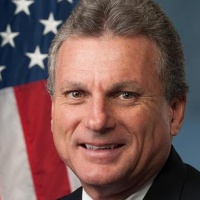
Earl Carter
Representative
GA
Earl Carter
Representative
GA
This bill establishes a Select Committee tasked with investigating allegations of a cover-up regarding President Biden's cognitive and physical health decline. The committee will examine the President's health status, past cancer diagnosis, the role of key individuals in any alleged concealment, and media influence. This investigative body has no legislative authority and must submit its final report, findings, and recommendations by December 31, 2025.
This resolution strongly condemns the rise of antisemitism in the United States and honors the memory of Yaron Lischinsky and Sarah Milgrim, who were murdered while promoting peace.
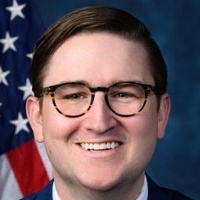
Addison McDowell
Representative
NC
Addison McDowell
Representative
NC
This resolution strongly condemns the rise of antisemitism in the United States and around the world. It specifically honors the memory of Yaron Lischinsky and Sarah Milgrim, who were tragically murdered while promoting peace. Ultimately, Congress reaffirms its commitment to combating all forms of hate and ensuring the vigorous enforcement of laws protecting religious freedom.
This Act mandates that health plans cover medically necessary treatment for congenital anomalies or birth defects affecting the eyes, ears, teeth, mouth, or jaw to restore normal function and appearance.
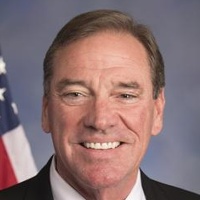
Neal Dunn
Representative
FL
Neal Dunn
Representative
FL
The Ensuring Lasting Smiles Act mandates that group health plans and insurance policies provide comprehensive coverage for medically necessary treatment related to congenital anomalies or birth defects affecting the eyes, ears, teeth, mouth, or jaw. This coverage must include services needed to restore normal function and appearance, including necessary dental and orthodontic support. Plans must apply cost-sharing rules no more restrictive than those for other medical benefits, excluding purely cosmetic procedures.