Legislative Activity
Track Jodey's sponsored bills, co-sponsored legislation, and voting record
This resolution honors the life and historic congressional legacy of the Honorable Kay Granger, recognizing her trailblazing service as a Representative from Texas and her dedicated contributions to national defense and the city of Fort Worth.
Craig Goldman
Representative
TX
Craig Goldman
Representative
TX
This resolution honors the life and legacy of the Honorable Kay Granger, celebrating her nearly 28 years of service in the U.S. House of Representatives. It recognizes her historic achievements as a trailblazer for women in public office, her dedicated advocacy for national defense, and her lasting contributions to the city of Fort Worth, Texas.
The Stop EU Overreach Act mandates a formal investigation by the U.S. Trade Representative into the economic burden and extraterritorial impact of European Union sustainability and environmental regulations on American businesses.
Craig Goldman
Representative
TX
Craig Goldman
Representative
TX
The Stop EU Overreach Act mandates that the United States Trade Representative (USTR) launch a formal Section 301 investigation into the extraterritorial impact of various European Union environmental and sustainability regulations on U.S. businesses. The bill seeks to address concerns that these EU mandates impose unfair, burdensome, and conflicting requirements on U.S. companies for operations occurring outside of Europe. If the investigation confirms these practices harm U.S. commerce, the USTR is authorized to take retaliatory trade actions to eliminate those burdens.
This bill restricts stock trading by Members of Congress and their families while establishing new federal requirements for voters to provide photo identification in federal elections.
Bryan Steil
Representative
WI
Bryan Steil
Representative
WI
The Stop Insider Trading Act restricts Members of Congress, their spouses, and dependent children from purchasing or selling individual stocks to prevent conflicts of interest. Additionally, the bill mandates that voters provide valid photo identification when voting in person or by mail in federal elections.
The Anti-Fraud Fund Act of 2026 increases funding for the Health Care Fraud and Abuse Control Account by $7 billion annually from 2027 through 2030 to bolster efforts against healthcare fraud.
Blake Moore
Representative
UT
Blake Moore
Representative
UT
The Anti-Fraud Fund Act of 2026 increases the funding cap for the Health Care Fraud and Abuse Control Account by $7 billion annually from 2027 through 2030. This legislation provides additional resources to combat health care fraud while implementing safeguards to ensure these temporary increases do not permanently inflate future funding baselines.
This bill clarifies that a franchisor is only considered a joint employer of a franchisee's workers if it exercises substantial, direct, and immediate control over essential terms of employment.
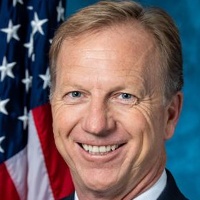
Kevin Hern
Representative
OK
Kevin Hern
Representative
OK
The American Franchise Act aims to protect the traditional franchise business model by clarifying the definition of a "joint employer." This legislation establishes that a franchisor is only considered a joint employer if it exercises "substantial direct and immediate control" over the essential terms of employment for a franchisee's workers. This change specifically targets liability risks associated with maintaining brand standards, ensuring franchisors are not automatically held responsible for local labor practices. The new standard applies prospectively to future legal proceedings.
This resolution honors the public service of the late Senator Lindsey Graham, condemns Omar Suleiman for celebrating his death, and supports efforts to address the incompatibility of Sharia Law with American constitutional principles.
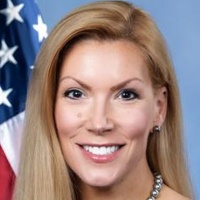
Beth Van Duyne
Representative
TX
Beth Van Duyne
Representative
TX
This resolution honors the life and public service of the late Senator Lindsey Graham while formally condemning Omar Suleiman for his public remarks celebrating the Senator's death. Additionally, the bill acknowledges Suleiman’s 2019 invitation to serve as a Guest Chaplain in the U.S. House and reaffirms support for efforts to address the perceived dangers of Sharia Law to American constitutional principles.
This bill mandates electronic prior authorization, increases transparency through required data reporting, and establishes faster decision timelines for Medicare Advantage plans to improve timely access to care for seniors.
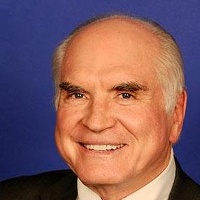
Mike Kelly
Representative
PA
Mike Kelly
Representative
PA
The Improving Seniors’ Timely Access to Care Act of 2025 aims to streamline and modernize the prior authorization process within Medicare Advantage plans. This bill mandates the adoption of electronic prior authorization systems and significantly increases transparency regarding approval rates and decision times starting in 2027. Furthermore, it establishes new enrollee protections and grants the Secretary authority to enforce faster decision timeframes for medical services.
This Act prohibits payment card networks and processors from assigning specific merchant category codes to identify firearms retailers, protecting the privacy of firearm and ammunition purchases.
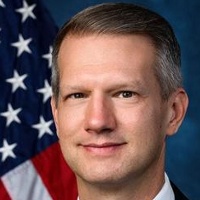
Riley Moore
Representative
WV
Riley Moore
Representative
WV
The Protecting Privacy in Purchases Act prohibits payment card networks and processors from assigning specific merchant category codes to firearms retailers. This legislation aims to protect consumer privacy by preventing the tracking of firearm and ammunition purchases through specialized financial classification. The Attorney General is tasked with enforcing these provisions and reporting annually on compliance.
This bill mandates the use of multi-factor authentication for accessing enrollment and personalized information on healthcare.gov, with limited exceptions.
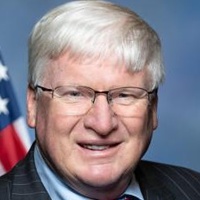
Glenn Grothman
Representative
WI
Glenn Grothman
Representative
WI
This bill, the Marketplace Fraud Accountability Act (MFA Act), amends the Affordable Care Act to mandate the use of multi-factor authentication for accessing enrollment and personalized information on healthcare.gov. This security measure aims to enhance the protection of sensitive user data on the federal health insurance marketplace. Exceptions will be made for individuals lacking necessary access or ability to use MFA.
This bill enhances Medicaid Recovery Audit Contractor (RAC) program oversight, expands its scope to managed care plans, and mandates increased reporting and studies to improve payment integrity.

Gus Bilirakis
Representative
FL
Gus Bilirakis
Representative
FL
The Medicaid RAC Improvement Act of 2026 aims to strengthen oversight and transparency of the Medicaid Recovery Audit Contractor (RAC) program. It expands RAC review to include claims from managed care plans and requires annual reporting to Congress on program effectiveness. The bill also mandates studies and a demonstration project to address barriers states face in implementing robust payment integrity reviews.
This Act establishes the authority for federal agencies to temporarily pause, condition, or segment payments showing elevated fraud risk for review and corrective action.

James Comer
Representative
KY
James Comer
Representative
KY
The Stopping Fraudulent Payments Act grants federal agencies the authority to temporarily pause, condition, or segment payments that show elevated signs of fraud or improper risk. This action can be initiated by agency heads or triggered by the Treasury Secretary using the Do Not Pay system. Agencies must notify payees, allow them to contest the pause, and issue the payment within 30 days if the review finds no high risk.
This Act strengthens federal financial integrity by mandating pre-payment verification procedures, formalizing the "Do Not Pay" system to prevent improper payments, and requiring first-time federal award recipients to report on their use of funds.
James Comer
Representative
KY
James Comer
Representative
KY
The Pre-Payment Fraud Prevention and Treasury Data Access Act strengthens federal financial integrity by mandating rigorous pre-payment verification requirements for all agency vouchers. The bill formalizes and expands the "Do Not Pay" system, granting agencies improved access to critical data to detect and prevent improper payments. Additionally, it introduces a new reporting requirement for first-time federal award recipients to ensure transparency and accountability in the use of government funds.
This act mandates that states annually report to the federal government on fraud detection and prevention efforts within their Medicaid home and community-based services programs.
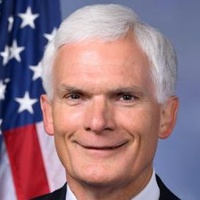
Robert Latta
Representative
OH
Robert Latta
Representative
OH
The HCBS Anti-Fraud Reporting Act of 2026 mandates that states annually report to the Secretary of Health and Human Services regarding any waste, fraud, or abuse identified within their Medicaid home and community-based services programs. This legislation requires states to detail both the detection of such issues and the preventative measures they are implementing.
This bill exempts small domestic oil and gas marginal wells from specific Clean Air Act performance standards and reporting requirements set by the EPA.
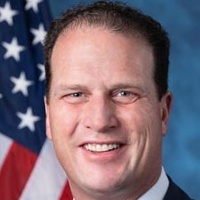
August Pfluger
Representative
TX
August Pfluger
Representative
TX
The Protect Domestic Oil and Gas Small Business Act of 2026 exempts small "marginal wells" from specific performance standards and reporting requirements set by the EPA under the Clean Air Act. This legislation aims to reduce regulatory burdens on these smaller oil and gas operations. The bill also mandates automatic approval for state plans that remove these standards for marginal wells.
This bill strengthens the integrity of the TANF program by mandating improper payment reviews, restricting funds to lower-income families, setting deadlines for fund usage, and prohibiting states from using federal funds to replace their own spending.
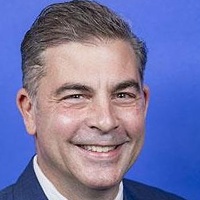
Mike Carey
Representative
OH
Mike Carey
Representative
OH
The Preventing Waste, Fraud, and Abuse in TANF Act aims to strengthen oversight of the Temporary Assistance for Needy Families (TANF) program by applying federal improper payment review standards to state programs. It also restricts the use of federal TANF grants to families with incomes below twice the federal poverty level and establishes strict deadlines for states to obligate and spend these block grant funds. Furthermore, the bill prohibits states from using federal TANF dollars to replace existing state or local spending on eligible activities.
This Act repeals the federal beneficial ownership information reporting requirements for domestic persons and entities, limiting them only to foreign individuals and foreign-connected companies, and mandates the deletion of existing domestic data.
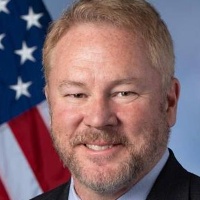
Warren Davidson
Representative
OH
Warren Davidson
Representative
OH
The Repealing Big Brother Overreach Act significantly narrows the federal beneficial ownership information reporting requirements. This legislation limits reporting obligations exclusively to foreign individuals and foreign-connected companies. Furthermore, it mandates the deletion of all previously collected data pertaining to domestic persons and entities.
This bill designates April as Cancer Prevention and Early Detection Month to renew the national commitment to reducing cancer burden through increased awareness, access to screening, and preventive action.
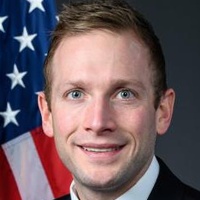
Max Miller
Representative
OH
Max Miller
Representative
OH
This bill designates April as Cancer Prevention and Early Detection Month to renew the national commitment to reducing the burden of cancer. It aims to address gaps in screening access and promote preventive actions across all populations. The legislation encourages federal investment in early detection programs and supports advancements in lifesaving cancer innovation.
This resolution expresses support for the Working Families Tax Cuts law, highlighting its broad tax relief and benefits for working families.
Mike Kelly
Representative
PA
Mike Kelly
Representative
PA
This resolution expresses strong support for the Working Families Tax Cuts, a law enacted to provide significant tax relief to working families. It highlights key provisions that prevent broad tax increases, deliver substantial refunds, and lower the tax burden for lower and middle-income earners. The bill affirms the benefits of policies designed to help families keep more of their earnings.
This bill repeals recent modifications to the calculation of adjusted taxable income, restoring previous standards for business interest expense deductions starting in 2026.
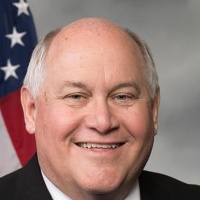
Ron Estes
Representative
KS
Ron Estes
Representative
KS
The Ensuring Better Interest Treatment and Deductibility (EBITDA) Act repeals recent modifications to the calculation of adjusted taxable income regarding business interest limitations. By removing these specific constraints, the bill aims to restore previous tax treatment standards for businesses starting in the 2026 tax year.
The Enhanced Iran Sanctions Act of 2025 mandates broad economic and immigration sanctions on foreign individuals, entities, and financial institutions that support Iran’s nuclear, missile, drone, or terrorist activities, while specifically targeting the country's petroleum and petrochemical sectors.
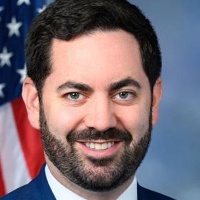
Michael Lawler
Representative
NY
Michael Lawler
Representative
NY
The Enhanced Iran Sanctions Act of 2025 strengthens U.S. policy by imposing mandatory sanctions on foreign persons and financial institutions that support Iran’s nuclear, ballistic missile, drone, and terrorist activities. The bill specifically targets Iran’s petroleum and petrochemical sectors to cut off funding for these malign programs. Additionally, it expands the State Department’s "Rewards for Justice" program to incentivize the reporting of individuals who evade these sanctions.