Legislation
This bill prohibits civilians from purchasing, owning, or possessing enhanced body armor, with exceptions for government entities and law enforcement personnel.
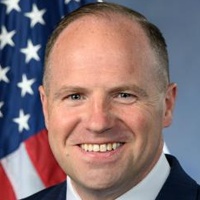
Timothy Kennedy
Representative
NY
Timothy Kennedy
Representative
NY
The Aaron Salter, Jr., Responsible Body Armor Possession Act prohibits civilians from purchasing, owning, or possessing "enhanced body armor," defined as gear meeting or exceeding NIJ RF1 protection standards. This ban includes exceptions for federal, state, and local government agencies, as well as covered law enforcement officers. Knowingly violating this new federal prohibition carries penalties including fines and up to five years in prison.
This bill mandates the reinstatement of the 2011 safety protocols for mifepristone, bans its importation, and establishes a federal right to sue entities that illegally transport the drug, causing harm.

Joshua Hawley
Senator
MO
Joshua Hawley
Senator
MO
This bill, the Restoring Safeguards for Dangerous Abortion Drugs Act, mandates the immediate reinstatement of the 2011 Risk Evaluation and Mitigation Strategy (REMS) for the abortion drug mifepristone. It also establishes a new federal cause of action allowing individuals to sue entities that illegally import or transport the drug if they suffer harm from its use. Furthermore, the Act explicitly bans the importation of mifepristone into the United States.
This Act prevents squatters' rights laws from applying to property owned by active-duty servicemembers.
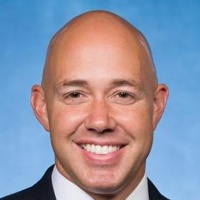
Brian Mast
Representative
FL
Brian Mast
Representative
FL
The Service Member Residence Protection Act amends the Servicemembers Civil Relief Act to explicitly prevent state squatters' rights laws from applying to property owned by active-duty military personnel. This ensures that service members cannot lose ownership or occupancy rights to their property due to unauthorized occupants while they are deployed or serving. The bill provides a direct federal protection for military residences against adverse possession claims during active service.
This Act establishes new federal requirements, including pre-arrival health documentation and permits, for importing live dogs into the United States.

Dusty Johnson
Representative
SD
Dusty Johnson
Representative
SD
The Healthy Dog Importation Act establishes new federal requirements for bringing live dogs into the United States, mandating advance electronic health documentation, vaccinations, and permanent identification for most imports. This law defines key roles like "Importer" and sets specific age and permitting requirements for dogs intended for transfer or sale after arrival. The Secretary of Agriculture is tasked with creating detailed regulations within 18 months to enforce these health and documentation standards, while also outlining specific exceptions for returning pets and working dogs.
The SBIR/STTR Reauthorization Act of 2025 extends critical federal research and development programs for small businesses, increases funding commitments, streamlines commercialization pathways, and enhances program oversight.
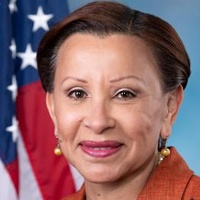
Nydia Velázquez
Representative
NY
Nydia Velázquez
Representative
NY
The SBIR/STTR Reauthorization Act of 2025 extends and significantly enhances federal research and development programs designed to support small businesses. It increases mandatory agency spending on these innovation programs, streamlines the path for award winners to secure commercial contracts with the government, and improves outreach to diverse entrepreneurs. Overall, the bill aims to boost federal investment in small business technology while increasing transparency and oversight of the programs through 2030.
The EAGLE Act of 2025 establishes a federal grant program to help small local law enforcement agencies cover the costs of achieving or maintaining professional accreditation.

Chris Pappas
Representative
NH
Chris Pappas
Representative
NH
The EAGLE Act of 2025 establishes a new federal grant program to help small, local law enforcement agencies cover the costs associated with achieving or renewing official professional accreditation. This funding is specifically designated to pay for accreditation fees, on-site assessments, and related expenses from recognized organizations like CALEA. The program is funded with $10 million for Fiscal Year 2025 to support agencies with fewer than 350 employees.
This bill reauthorizes and updates the Collaborative Forest Landscape Restoration Program through 2034, expanding its focus, project types, and federal support mechanisms for landscape restoration efforts.
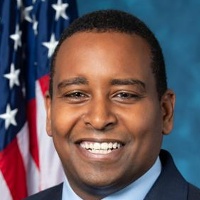
Joe Neguse
Representative
CO
Joe Neguse
Representative
CO
The Collaborative Forest Landscape Restoration Program Reauthorization Act of 2025 extends and updates the successful program through 2034. This legislation broadens the program's focus to include pathogens and mandates specific federal staffing support for local restoration collaboratives. It prioritizes projects that reduce catastrophic wildfire risk, enhance cross-ownership restoration, and improve watershed health, while also expanding funding mechanisms.
The MIL FMLA Act expands the Family and Medical Leave Act to provide eligible employees, including federal workers, up to 26 weeks of leave to care for a covered service member or for their own service-related injuries, while also broadening the definition of "family" for military leave purposes.

Tammy Duckworth
Senator
IL
Tammy Duckworth
Senator
IL
The MIL FMLA Act significantly expands existing family and medical leave protections for military families and veterans under the FMLA. It broadens the definition of "family" to include domestic partners and extended relatives for leave purposes related to service members. Crucially, the bill grants eligible employees up to 26 weeks of leave to care for an injured service member and grants covered service members up to 26 weeks of leave for their own service-related injuries. These expanded rights and definitions are also applied specifically to federal civilian employees.
This bill mandates that major content and service providers ("Edge providers") contribute to the Universal Service Fund alongside broadband providers to lower consumer broadband costs and support high-cost service areas.
Markwayne Mullin
Senator
OK
Markwayne Mullin
Senator
OK
The Lowering Broadband Costs for Consumers Act of 2025 aims to stabilize and lower consumer broadband costs by reforming the Universal Service Fund (USF). This bill mandates the FCC to require major content and service providers ("Edge providers") to contribute financially to the USF alongside traditional broadband companies. Additionally, it establishes a new, targeted funding mechanism to ensure support reaches carriers serving high-cost, rural areas.
This bill significantly enhances the military Transition Assistance Program (TAP) through expanded counseling, improved financial planning, better coordination with the VA and DOL, and mandates studies and new online resources to support servicemembers leaving the military.
Derrick Van Orden
Representative
WI
Derrick Van Orden
Representative
WI
The Enhancing the Transitioning Servicemembers Experience Act significantly overhauls the Transition Assistance Program (TAP) by increasing required counseling days, expanding eligibility windows, and mandating more detailed financial planning. The bill also extends transitional health care coverage from 180 to 270 days post-separation and directs studies on programs like Skillbridge. Furthermore, it requires the VA to create a searchable website for veteran resources and expands eligibility for job counseling services to all TAP-eligible members.
This bill extends and enhances Medicare payment support for physicians and practitioners through 2025, including an 8.51% payment increase for services provided after mid-2025.

Roger Marshall
Senator
KS
Roger Marshall
Senator
KS
The Medicare Patient Access and Practice Stabilization Act of 2025 aims to support physicians and other practitioners facing Medicare payment adjustments. This bill extends the period for existing payment support through 2025 and introduces a new 8.51% payment increase for services provided from June 1, 2025, through the end of that year. Ultimately, it seeks to stabilize provider practices by modifying Medicare payment schedules.
This act mandates the development of a national strategy to improve the equipment, training, and staffing standards for firefighter Rapid Intervention Teams (RITs).
Mikie Sherrill
Representative
NJ
Mikie Sherrill
Representative
NJ
The PROTECT Firefighters Act mandates the U.S. Fire Administrator to develop a comprehensive national strategy to improve the equipment, training, and staffing standards for firefighter Rapid Intervention Teams (RITs). This strategy must analyze current nationwide capabilities, including specialized maritime teams, and review past firefighter fatality data related to RIT failures. Ultimately, the Act requires the Administrator to provide Congress with specific recommendations for legislative action to enhance RIT readiness and standardization across the country.
The HEADs UP Act of 2025 expands federal health center funding and grants to specifically include and support comprehensive primary and dental care services for individuals with developmental disabilities.
Seth Moulton
Representative
MA
Seth Moulton
Representative
MA
The HEADs UP Act of 2025 aims to expand access to primary and dental healthcare for individuals with developmental disabilities. It revises federal funding criteria to specifically recognize this population as medically underserved, allowing health centers to qualify for enhanced support. The bill authorizes dedicated federal grants for health centers to establish or expand comprehensive services tailored to this community through 2030. This legislation also updates designations for Health Professional Shortage Areas to include these individuals, incentivizing increased staffing.
The Care for Military Kids Act of 2025 ensures that active duty military families moving for service are recognized as residents for Medicaid eligibility and protects their place on long-term care waiting lists in their new state.
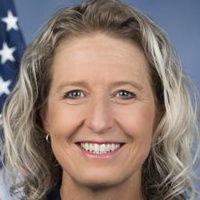
Jennifer Kiggans
Representative
VA
Jennifer Kiggans
Representative
VA
The Care for Military Kids Act of 2025 standardizes how states determine Medicaid residency for active duty military families who relocate for service, beginning in 2028. This ensures that relocated service members and their dependents maintain their place on Home and Community-Based Services (HCBS) waiting lists in their new state. The bill mandates that the new state must cover necessary Medicaid care for these families while they await service eligibility decisions. This legislation aims to eliminate gaps in essential long-term care coverage during military-directed moves.
This bill mandates the establishment of facilities to rear and release sterile New World screwworm flies to combat agricultural threats, supported by mandatory reporting and funding.
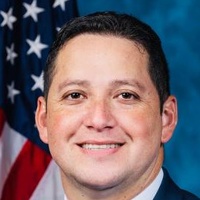
Ernest Gonzales
Representative
TX
Ernest Gonzales
Representative
TX
The STOP Screwworms Act mandates the establishment of facilities to rear and release sterile New World screwworm flies in high-risk areas to combat infestations. The Secretary of Agriculture must build these modular facilities within 180 days of enactment and provide annual public reports on the threat and control efforts. The bill authorizes up to $300 million to fund these necessary actions.
This Act prohibits charging different prices for substantially similar consumer products or services based solely on the buyer's gender.
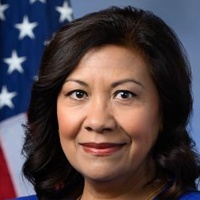
Norma Torres
Representative
CA
Norma Torres
Representative
CA
The Pink Tax Repeal Act prohibits businesses from charging different prices for substantially similar consumer products or services based solely on the buyer's gender. This legislation empowers the Federal Trade Commission (FTC) to enforce the ban as an unfair business practice. State Attorneys General are also authorized to file lawsuits to stop violations and seek restitution for affected residents.
This bill directs the National Advisory Council on Nurse Education and Practice to investigate the national nursing shortage and report recommendations for strengthening the nursing workforce within one year.

Jim Costa
Representative
CA
Jim Costa
Representative
CA
The MORE Nurses Act mandates a comprehensive, one-year study by the National Advisory Council on Nurse Education and Practice to investigate the growing national nursing shortage. This investigation will analyze current workforce capacity, training limitations, and the impact of existing federal policies. The Council is required to deliver a final report to Congress and the President detailing its findings and offering specific legislative recommendations to strengthen nursing education and the workforce.
The AVIATE Act of 2025 authorizes the VA Secretary to approve non-degree flight training courses for eligible veterans with service-connected disabilities under vocational rehabilitation programs starting August 1, 2025.

Ted Cruz
Senator
TX
Ted Cruz
Senator
TX
The AVIATE Act of 2025 authorizes the Secretary of Veterans Affairs to approve non-degree flight training courses for veterans with service-connected disabilities under vocational rehabilitation programs. This change allows veterans to receive VA-funded flight training even if the course does not lead to a traditional college degree. These provisions apply to rehabilitation programs approved on or after August 1, 2025.
The Pacific Ready Coast Guard Act establishes a Center of Expertise for Indo-Pacific maritime governance, mandates annual operational planning and budgeting for Coast Guard activities in the Pacific, and requires several feasibility studies regarding permanent task forces, forward operating bases, and embassy attaché staffing in the region.
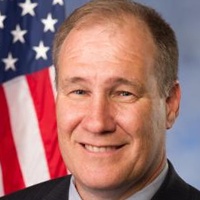
Trent Kelly
Representative
MS
Trent Kelly
Representative
MS
The Pacific Ready Coast Guard Act establishes a Center of Expertise for Indo-Pacific Maritime Governance to enhance regional training and cooperation. It mandates the Coast Guard to produce an annual operational plan and budget specifically for Pacific activities, aligning with State and Defense goals. Furthermore, the bill requires several key reports assessing the feasibility of a standing maritime group, the need for forward operating bases, and the expansion of Coast Guard diplomatic attaché presence in the region.
The INSPECT Act establishes independent Inspectors General for the NIH, CDC, and FDA to enhance oversight of national safety, public health, ethics, and clinical trials without incurring new costs.
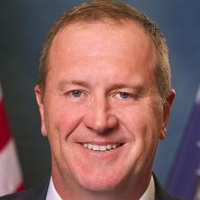
Eric Schmitt
Senator
MO
Eric Schmitt
Senator
MO
The INSPECT Act establishes independent Offices of the Inspector General (IGs) for the National Institutes of Health (NIH), the Centers for Disease Control and Prevention (CDC), and the Food and Drug Administration (FDA). This move creates new independent watchdogs to oversee the operations and spending of these critical public health agencies. The President is tasked with appointing these new IGs within one year of the Act's enactment. The legislation ensures that these new oversight functions are funded using existing Department of Health and Human Services resources, requiring no new appropriations.