Legislation
The Lowering CAR Insurance Act requires an annual federal report on the automobile insurance industry to provide legislative recommendations aimed at reducing consumer costs.
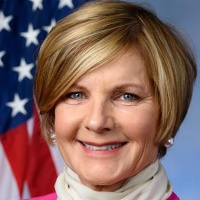
Susie Lee
Representative
NV
Susie Lee
Representative
NV
The **Lowering CAR Insurance Act** aims to increase transparency and accountability in the automobile insurance industry. It requires the Director to submit an annual report to Congress and the President, providing legislative recommendations and critical data to help lower insurance costs for consumers.
The Local Input Act requires the Secretary of the Interior to solicit and consider public, state, tribal, and local government input before offering federal land for oil and gas leasing.
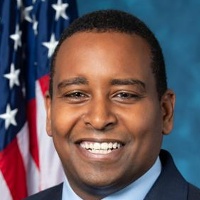
Joe Neguse
Representative
CO
Joe Neguse
Representative
CO
The Local Input Act requires the Secretary of the Interior to engage in a transparent, collaborative process with the public, tribal nations, and state and local officials before offering federal land for oil and gas leasing. This legislation mandates that the government publicly disclose leasing proposals, analyze potential environmental and land-use impacts, and formally consider stakeholder feedback. Ultimately, the Act empowers the Secretary to decline leasing parcels based on the input gathered during this consultation process.
This bill directs the Defense Health Agency to report on the feasibility of establishing a behavioral neurology fellowship program to train physicians in treating traumatic brain injuries in service members and veterans.
Joe Neguse
Representative
CO
Joe Neguse
Representative
CO
This bill directs the Defense Health Agency to report on the feasibility of establishing a pilot fellowship program in behavioral neurology. The proposed program aims to provide specialized training for physicians to better treat traumatic brain injuries and associated behavioral impacts in members of the Armed Forces and veterans.
This bill designates the Department of Veterans Affairs community-based outpatient clinic in Saint Thomas, U.S. Virgin Islands, as the "Sergeant First Class Floyd E. Lake Department of Veterans Affairs Community-Based Outpatient Clinic."
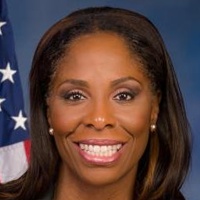
Stacey Plaskett
Representative
VI
Stacey Plaskett
Representative
VI
This bill officially designates the Department of Veterans Affairs community-based outpatient clinic in Saint Thomas, United States Virgin Islands, as the "Sergeant First Class Floyd E. Lake Department of Veterans Affairs Community-Based Outpatient Clinic."
The Preventing Forced Abortions Act of 2026 prohibits federal courts from enforcing surrogacy contract provisions that mandate abortion and protects a surrogate mother's right to full compensation regardless of her decision to carry a pregnancy to term.
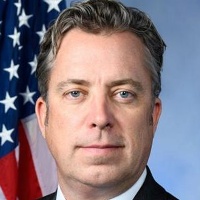
Andrew Ogles
Representative
TN
Andrew Ogles
Representative
TN
The Preventing Forced Abortions Act of 2026 prohibits federal courts from enforcing surrogacy contract provisions that mandate abortion at the request of an intended parent. The bill ensures that surrogate mothers remain entitled to their full contractual compensation regardless of their refusal to undergo an abortion. Additionally, it grants federal district courts jurisdiction over civil disputes involving such surrogacy agreements.
This bill prohibits all United States contributions to the United Nations Relief and Works Agency (UNRWA) while establishing strict vetting requirements for alternative humanitarian aid providers.
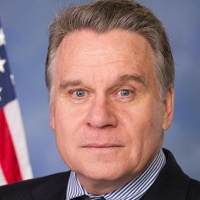
Christopher Smith
Representative
NJ
Christopher Smith
Representative
NJ
The Stop Support for UNRWA Act of 2026 prohibits the United States from providing any voluntary or assessed contributions to the United Nations Relief and Works Agency (UNRWA). While it bars direct funding to the agency, the bill allows for humanitarian aid to be delivered through alternative organizations, provided they are certified to be free of ties to terrorism, violence, or antisemitism.
The Veterans Surviving Spouse Parity Act of 2026 extends the three-year homeownership look-back exemption for qualified mortgage bonds and credit certificates to include certain spouses and surviving spouses of veterans.
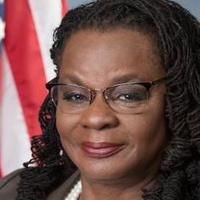
Gwen Moore
Representative
WI
Gwen Moore
Representative
WI
The Veterans Surviving Spouse Parity Act of 2026 expands homeownership opportunities by granting certain spouses and surviving spouses of veterans the same exemption from the three-year homeownership "look-back" rule currently enjoyed by veterans. This change allows these individuals to qualify for qualified mortgage bonds and mortgage credit certificates even if they have owned a home within the previous three years. The Act directs the Treasury and Veterans Affairs departments to provide clear guidance for program administrators to implement these eligibility updates starting in 2027.
This bill designates the Department of Veterans Affairs community-based outpatient clinic in Saint Croix, U.S. Virgin Islands, as the "Lieutenant Colonel David C. Canegata III Department of Veterans Affairs Community-Based Outpatient Clinic."
Stacey Plaskett
Representative
VI
Stacey Plaskett
Representative
VI
This bill officially designates the Department of Veterans Affairs community-based outpatient clinic in Saint Croix, United States Virgin Islands, as the "Lieutenant Colonel David C. Canegata III Department of Veterans Affairs Community-Based Outpatient Clinic." All future official references to this facility will reflect this new name.
The PERFORM Act prohibits the Postmaster General from receiving performance-based bonuses if the Postal Service fails to meet specific financial and service benchmarks while mandating increased transparency regarding executive compensation.
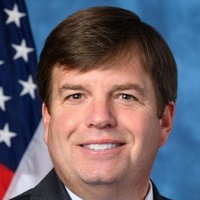
Dale Strong
Representative
AL
Dale Strong
Representative
AL
The PERFORM Act increases accountability for the U.S. Postal Service by prohibiting performance-based bonuses for the Postmaster General if the agency fails to meet specific financial, service, or reporting benchmarks. Additionally, the bill mandates increased transparency through annual reporting on executive compensation and requires the Inspector General to audit compliance with these new standards.
The No Deliveries Act establishes mandatory prison sentences and potential deportation for non-citizens who enter the United States under false pretenses for the purpose of giving birth.
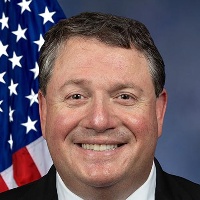
Randall Fine
Representative
FL
Randall Fine
Representative
FL
The "No Deliveries Act" establishes criminal penalties for non-citizens who enter the United States under false pretenses specifically to give birth to a child. Violators face mandatory prison sentences of 10 to 25 years, significant fines, and potential judicial orders of removal.
The AG2PI Act of 2026 reauthorizes the Genome to Phenome Initiative through 2031 to continue advancing agricultural research and innovation.
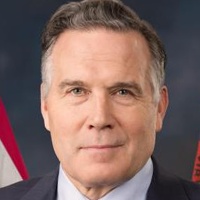
Dave McCormick
Senator
PA
Dave McCormick
Senator
PA
The AG2PI Act of 2026 reauthorizes the Genome to Phenome Initiative, extending its federal support through 2031. This legislation ensures the continued advancement of agricultural research aimed at better understanding the relationship between genetic traits and physical characteristics in crops and livestock.
The Expedited Access to Biosimilars Act streamlines the biosimilar licensure process by clarifying clinical study requirements and mandating written justification for additional testing requirements by the Secretary of Health and Human Services.

Rand Paul
Senator
KY
Rand Paul
Senator
KY
The Expedited Access to Biosimilars Act streamlines the approval process for biosimilar products by refining clinical study requirements. It grants the Secretary of Health and Human Services the authority to mandate specific assessments—such as immunogenicity or efficacy—only when accompanied by a formal written justification. These changes aim to balance rigorous safety standards with a more efficient pathway for bringing biosimilars to market.
This Act mandates that U.S. foreign assistance commodities, such as food and medicine, be delivered or donated to intended beneficiaries before they expire to prevent waste and ensure aid reaches those in need.

Jeanne Shaheen
Senator
NH
Jeanne Shaheen
Senator
NH
The Saving Lives and Taxpayer Dollars Act mandates that U.S.-funded foreign aid—including food, medicine, and vaccines—must be delivered or donated to intended beneficiaries before it spoils or expires. The bill requires federal agencies to expedite funding to prevent waste and establishes strict annual reporting requirements for any commodities that fail to reach their destination. This legislation ensures that vital resources are utilized effectively to save lives while protecting taxpayer investments.
This bill repeals the Syria Accountability and Lebanese Sovereignty Restoration Act of 2003 and the Syria Human Rights Accountability Act of 2012.
Jeanne Shaheen
Senator
NH
Jeanne Shaheen
Senator
NH
This bill proposes the repeal of the Syria Accountability and Lebanese Sovereignty Restoration Act of 2003 and the Syria Human Rights Accountability Act of 2012. If enacted, this legislation would remove the specific sanctions frameworks established by these two acts.
The ACCESS Act modernizes tax rules for publicly traded partnerships to encourage investment by simplifying passive activity, foreign investor, and tax-exempt entity regulations.
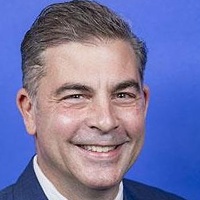
Mike Carey
Representative
OH
Mike Carey
Representative
OH
The Advancing Capital for Critical Energy Supply and Security (ACCESS) Act modernizes tax rules for publicly traded partnerships to encourage investment and improve market liquidity. By streamlining regulations for tax-exempt entities, mutual funds, and foreign investors, the bill aims to reduce administrative burdens and incentivize capital flow into these partnerships. These updates are set to take effect for taxable years beginning after December 31, 2026.
The EARLY Act Reauthorization of 2025 extends breast health education for young women and modernizes the National Breast and Cervical Cancer Early Detection Program to improve screening access, equity, and funding through 2030.
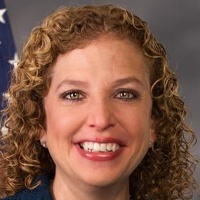
Debbie Wasserman Schultz
Representative
FL
Debbie Wasserman Schultz
Representative
FL
The EARLY Act Reauthorization of 2025 extends critical breast health education initiatives through 2031 and bolsters the National Breast and Cervical Cancer Early Detection Program. By streamlining grant requirements and increasing funding through 2030, this legislation aims to reduce health disparities, improve access to life-saving screenings, and enhance patient support services. Additionally, it mandates a GAO study to identify and address barriers to equitable cancer care.
The Uyghur Policy Act of 2026 mandates a comprehensive U.S. diplomatic strategy to address human rights abuses, transnational repression, and the mass detention of Uyghurs and other ethnic minorities in China’s Xinjiang region.
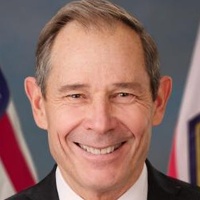
John Curtis
Senator
UT
John Curtis
Senator
UT
The Uyghur Policy Act of 2026 addresses the ongoing human rights abuses and systemic repression of Uyghurs and other ethnic minorities in the Xinjiang Uyghur Autonomous Region (XUAR) by the People’s Republic of China. The bill mandates increased diplomatic coordination, requires the State Department to prioritize the protection of Uyghur human rights, and establishes mechanisms to combat transnational repression. Additionally, it calls for greater international accountability and provides resources to amplify the voices of Uyghur advocates on the global stage.
The BANNED in Latin America Act mandates a comprehensive U.S. strategy to counter and disrupt Iranian and Hezbollah influence, propaganda, and extremist networks throughout Latin America.
John Curtis
Senator
UT
John Curtis
Senator
UT
The BANNED in Latin America Act mandates that the U.S. Secretary of State develop a comprehensive strategy to counter the influence of Iran and Hezbollah in Latin America. This legislation focuses on disrupting propaganda networks, restricting the activities of Iranian emissaries, and addressing the radicalization efforts of affiliated cultural and academic institutions. The bill aims to strengthen regional security by limiting the reach of state-sponsored extremist operations and media platforms.
This bill grants Members of Congress and their staff expanded access to federal buildings and contractor facilities to ensure effective oversight of government operations.
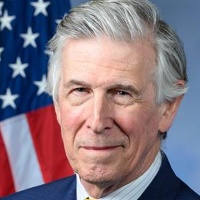
Donald Beyer
Representative
VA
Donald Beyer
Representative
VA
The Congressional Oversight and Agency Access Act grants Members of Congress and their staff expanded access to federal buildings and contractor-operated facilities to ensure effective oversight. The bill establishes clear protocols for entry during business hours, emergencies, and secure areas, while prohibiting agencies from obstructing observational access.
This legislation directs U.S. agencies to support Brazil in combating transnational criminal networks driving deforestation while promoting sustainable economic development and environmental protection in the Amazon.
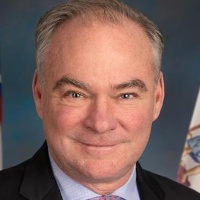
Timothy Kaine
Senator
VA
Timothy Kaine
Senator
VA
The Strengthening the Rule of Law in the Brazilian Amazon Act aims to combat transnational criminal networks driving deforestation and environmental degradation in the region. The legislation directs U.S. agencies to provide technical assistance and law enforcement support to Brazil, while promoting sustainable economic development and protecting the rights of Indigenous communities. Additionally, the bill mandates increased oversight of supply chains and requires the U.S. to leverage its influence in international financial institutions to prioritize environmental sustainability.