Legislation
This bill, the NFIP Premium Transparency Act, mandates FEMA to create a detailed online flood insurance information tool and enhance policy declaration pages to increase transparency regarding NFIP premiums, risk factors, and potential savings.
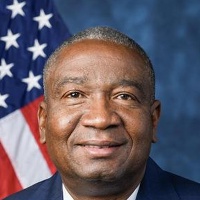
Cleo Fields
Representative
LA
Cleo Fields
Representative
LA
This bill, the "NFIP Premium Transparency Act," mandates that FEMA develop a comprehensive online flood insurance information tool and enhance the detail provided on NFIP policy declaration pages. The goal is to increase transparency by requiring the disclosure of detailed premium calculations, risk factors, and potential mitigation savings to policyholders and the public. The legislation also requires FEMA to share relevant property information with insurers and mandates an annual publication of aggregate premium data by state, county, and ZIP code.
This bill codifies Executive Order 14412, "Securing the Nation Against Advanced Cryptographic Attacks," into law.
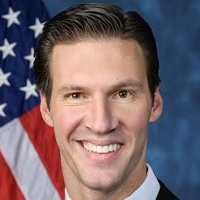
Pat Harrigan
Representative
NC
Pat Harrigan
Representative
NC
This bill seeks to codify Executive Order 14412, "Securing the Nation Against Advanced Cryptographic Attacks," into law. By doing so, it grants the executive order the full binding authority of an act of Congress. This action ensures the national security measures outlined in the order remain in effect through legislative mandate.
This bill prohibits data brokers from selling or transferring sensitive health and location data, granting enforcement power to the FTC, state attorneys general, and private citizens.
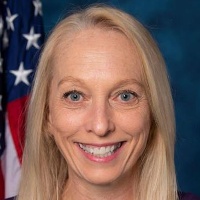
Mary Scanlon
Representative
PA
Mary Scanlon
Representative
PA
This bill, the Health and Location Data Protection Act of 2026, prohibits data brokers from selling or transferring sensitive health and location data about individuals. It grants enforcement authority to the Federal Trade Commission (FTC), state attorneys general, and private citizens. The FTC is tasked with issuing necessary regulations to implement these protections.
This bill mandates the use of multi-factor authentication for accessing enrollment and personalized information on healthcare.gov, with limited exceptions.
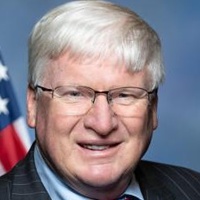
Glenn Grothman
Representative
WI
Glenn Grothman
Representative
WI
This bill, the Marketplace Fraud Accountability Act (MFA Act), amends the Affordable Care Act to mandate the use of multi-factor authentication for accessing enrollment and personalized information on healthcare.gov. This security measure aims to enhance the protection of sensitive user data on the federal health insurance marketplace. Exceptions will be made for individuals lacking necessary access or ability to use MFA.
This bill allows federal courts to review decisions made regarding Temporary Protected Status (TPS) claims.
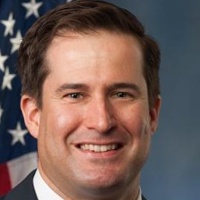
Seth Moulton
Representative
MA
Seth Moulton
Representative
MA
This bill, the "TPS Relief Act," amends federal law to allow courts to review decisions regarding Temporary Protected Status (TPS) claims. By removing a restrictive word in the existing statute, the legislation opens the door for judicial oversight of these claims.
This bill officially designates the Freedom Flag as the national symbol of remembrance for the September 11, 2001, terrorist attacks and mandates its display at various federal locations annually.
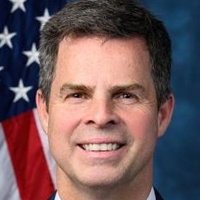
John McGuire
Representative
VA
John McGuire
Representative
VA
This bill, the National Patriot Day Remembrance Flag Act, officially designates the Freedom Flag as the national symbol of remembrance for the September 11, 2001, terrorist attacks. It mandates the flag's display at key federal sites annually from September 11th through the end of the month. The Act also supports educational efforts to teach future generations about the events and sacrifices made that day.
This bill prohibits the Bureau of Prisons from charging prisoners fees for health care services, with the sole exception being when a prisoner injures another and is charged for the resulting medical visit.

Eleanor Norton
Representative
DC
Eleanor Norton
Representative
DC
This bill, the Federal Bureau of Prisons Medical Care Act of 2026, generally prohibits the Bureau of Prisons from charging inmates fees for necessary health care services. The only exception allows the Director to charge a fee to a prisoner who intentionally injures another, to cover the cost of treating the victim. This ensures prisoners are not billed for routine or self-inflicted medical care.
This bill establishes new grounds for revoking citizenship and immigration status, reviews past asylum and refugee grants, and mandates the repatriation of denaturalized individuals and their children.
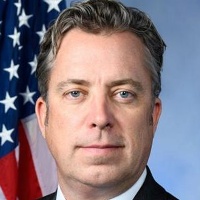
Andrew Ogles
Representative
TN
Andrew Ogles
Representative
TN
The Remigration Act establishes new grounds for revoking citizenship and immigration status based on criminal activity, support for terrorism, or receipt of public benefits. It also restricts birthright citizenship, mandates a review of recent asylum and refugee grants, and increases English proficiency requirements for naturalization. Finally, the bill requires the repatriation of denaturalized individuals along with their dependent children.
This bill establishes a comprehensive federal framework to regulate, protect consumers using, and clarify the tax treatment of outcomes-based student financing tools tied to future income.
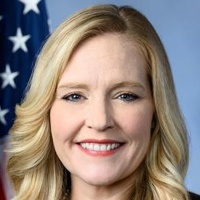
Erin Houchin
Representative
IN
Erin Houchin
Representative
IN
This bill establishes a comprehensive framework to support the growth of outcomes-based student financing (OBF) tools. It creates new consumer protections, mandates standardized disclosures to ensure borrowers understand the terms, and updates federal tax laws regarding these income-contingent repayment products. The legislation aims to make OBF a safer and more transparent option for workforce training and postsecondary education.
This bill prohibits liability against energy businesses for damages or relief related to the use of their products, effectively banning climate-related lawsuits in federal and state courts.
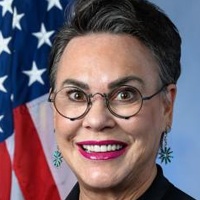
Harriet Hageman
Representative
WY
Harriet Hageman
Representative
WY
This bill, the Stop Climate Shakedowns Act of 2026, prohibits federal and state courts from hearing lawsuits seeking damages or relief against energy companies for harms related to climate change. It voids existing state laws that impose liability on energy businesses for climate-related issues, asserting that the regulation of emissions falls under exclusive federal jurisdiction. The Act aims to protect the energy industry from litigation and ensure affordable, reliable energy.
This bill, the Home Affordability Through Mortgage Simplification Act, modernizes mortgage disclosure requirements by establishing new standards for closing costs, adjusting waiting periods, expanding tolerances for APR accuracy, and offering creditor protections for relying on CFPB guidance.
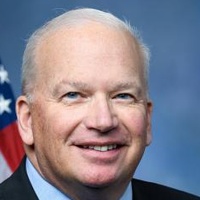
Scott Fitzgerald
Representative
WI
Scott Fitzgerald
Representative
WI
The Home Affordability Through Mortgage Simplification Act modernizes mortgage disclosure requirements under the Truth in Lending Act. It establishes new standards for closing cost estimates, expands tolerances for Annual Percentage Rate (APR) accuracy, and simplifies waiting period rules for loan disclosures. The bill also offers protections for creditors who rely in good faith on guidance from the Bureau of Consumer Financial Protection.
This bill strengthens the Green Ribbon Schools Program to promote environmental literacy, sustainability, and health in schools, while also establishing a similar award program for museums and libraries and creating an Office of School Infrastructure and Sustainability.
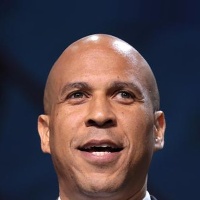
Cory Booker
Senator
NJ
Cory Booker
Senator
NJ
This bill, the Green Ribbon Act of 2026, strengthens and expands the Department of Education's Green Ribbon Schools Program to encourage environmental goals in schools through recognition and state grants. It also establishes a similar award program at the Institute of Museum and Library Services for nonformal learning institutions. Furthermore, the Act creates a new Office of School Infrastructure and Sustainability within the Department of Education to provide technical assistance and manage related programs.
This bill strengthens the integrity and oversight of the VA's Foreign Medical Program by updating payment rates, preventing payments for deceased individuals, enhancing fraud detection, and allowing for third-party contracting.
Pat Harrigan
Representative
NC
Pat Harrigan
Representative
NC
This bill, the Foreign Medical Program Integrity and Improvement Act, updates the Department of Veterans Affairs' Foreign Medical Program. It strengthens oversight by setting new payment rate standards, prohibiting payments for deceased individuals, and enhancing fraud detection and prevention measures. The legislation also allows the VA to contract with third parties for claims administration.
This bill establishes a voluntary public financing system for House elections, strengthens FEC oversight, and sets technical rules for implementation.
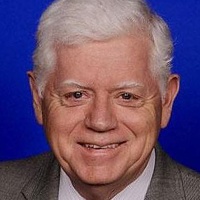
John Larson
Representative
CT
John Larson
Representative
CT
This bill aims to reform House election financing by establishing a voluntary public campaign financing system that rewards candidates who accept spending limits and focus on small-dollar donations. It also modernizes the Federal Election Commission's filing requirements, mandating electronic submissions and clarifying its judicial review powers. Finally, the legislation includes provisions to ensure the law remains effective even if certain parts are successfully challenged in court.
This bill allows state agencies to hire contractors to assist with SNAP eligibility and program functions during application surges or processing delays caused by emergencies, seasonal cycles, or staffing shortages.
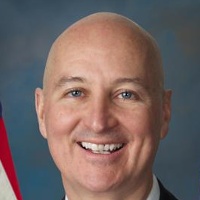
Pete Ricketts
Senator
NE
Pete Ricketts
Senator
NE
The SNAP Staffing Flexibility Act of 2026 allows state agencies to hire contractors to help process SNAP eligibility and perform other program functions during periods of high application volume or processing delays. This temporary authority can be triggered by emergencies, seasonal cycles, or staffing shortages, provided certain safeguards against improper incentives are met. States must notify the USDA when using contractors, and the USDA will publicly report on the use of this authority annually.
The SAFER Health Act of 2026 prohibits the disclosure of pregnancy termination or loss information under HIPAA in legal proceedings and preempts conflicting state laws to strengthen privacy protections.

Sara Jacobs
Representative
CA
Sara Jacobs
Representative
CA
The SAFER Health Act of 2026 strengthens federal privacy protections for sensitive health information related to pregnancy termination or loss under HIPAA and HITECH. It prohibits the disclosure of this information in most legal proceedings without explicit authorization. The Act also clarifies that complying with these new privacy rules will not be considered "information blocking" under current health IT regulations. Finally, it preempts conflicting state laws, allowing only those state laws that offer stronger privacy safeguards.
The SAFE Banking Act of 2026 provides federal protections and safe harbor for financial institutions serving state-sanctioned marijuana and hemp-related businesses, while also addressing mortgage income treatment and reporting requirements.
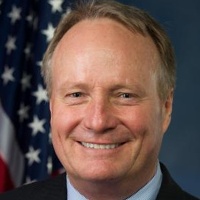
David Joyce
Representative
OH
David Joyce
Representative
OH
The SAFE Banking Act of 2026 aims to provide federal protections for financial institutions serving state-sanctioned marijuana and hemp-related businesses. It prohibits federal regulators from penalizing banks solely for providing financial services to these state-compliant operations. Furthermore, the bill clarifies that proceeds from these state-legal businesses are not automatically considered unlawful proceeds under federal money laundering statutes. It also addresses mortgage underwriting and requires studies on diversity and inclusion within these sectors.
This Act seeks to combat squatting by withholding federal community development funds from local governments that grant tenancy rights to squatters and by prohibiting federal mortgage support for properties in those areas.
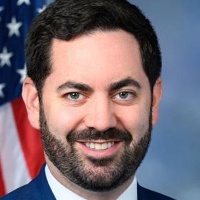
Michael Lawler
Representative
NY
Michael Lawler
Representative
NY
The Protecting Homeowners from Squatters Act aims to prevent squatters from gaining tenancy rights and mandates swift removal by law enforcement. This bill penalizes local governments that permit squatting by withholding federal community development funds. Furthermore, it cuts off federal mortgage support for properties located in areas that fail to comply with these anti-squatting regulations.
This resolution commemorates the 25th anniversary of the September 11, 2001 terrorist attacks by honoring the victims and heroes, recognizing ongoing support for survivors and families, and reaffirming the commitment to never forget.
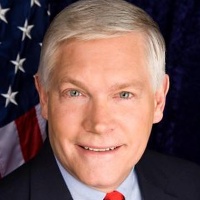
Pete Sessions
Representative
TX
Pete Sessions
Representative
TX
This resolution commemorates the 25th anniversary of the September 11, 2001 terrorist attacks, honoring the nearly 3,000 victims and recognizing the courage of all who responded. It expresses gratitude to first responders, service members, and the charitable organizations that continue to support survivors and victims' families. Finally, it reaffirms the nation's commitment to defending freedom and ensuring the sacrifices of that day are never forgotten.
This bill condemns the People's Republic of China's Law on the Promotion of Ethnic Unity and Progress and the Chinese Communist Party's campaign of forced assimilation against ethnic and religious minorities.
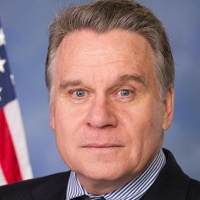
Christopher Smith
Representative
NJ
Christopher Smith
Representative
NJ
This bill condemns the People's Republic of China's new Law on the Promotion of Ethnic Unity and Progress as a tool for forced assimilation against ethnic and religious minorities. It highlights ongoing human rights abuses, including genocide in Xinjiang and cultural erasure in Tibet. The legislation urges sanctions against responsible officials and calls for international coordination to protect diaspora communities and religious autonomy.