Legislative Activity
Track Rudy's sponsored bills, co-sponsored legislation, and voting record
This Act allows schools participating in the National School Lunch Program to offer organic or non-organic whole milk alongside other options, while clarifying saturated fat accounting and restricting milk sourcing from China state-owned enterprises.
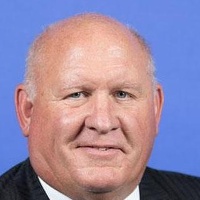
Glenn Thompson
Representative
PA
Glenn Thompson
Representative
PA
The Whole Milk for Healthy Kids Act of 2025 expands milk options available to students in the National School Lunch Program by allowing schools to offer organic or non-organic whole milk. This legislation provides greater flexibility for schools in providing fluid milk choices while maintaining accommodations for students with special dietary needs. Importantly, the saturated fat content of these offered milk options will not count toward the meal's overall saturated fat limits.
The "Investing in Our Communities Act" modifies the rules for tax-exempt advance refunding bonds, placing limitations on the number of advance refundings, redemption timelines, and investments in higher-yielding securities, while also targeting abusive transaction.
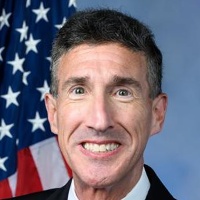
David Kustoff
Representative
TN
David Kustoff
Representative
TN
The "Investing in Our Communities Act" modifies the rules for advance refunding bonds, placing limitations on the number of advance refundings, redemption timelines, and investments in higher-yielding securities. It also introduces measures to prevent abusive transactions designed to gain financial advantages beyond interest rate savings. These changes aim to refine the use of advance refunding bonds while ensuring responsible financial practices.
Protects water and wastewater treatment facilities from CERCLA liability for PFAS releases if they comply with applicable laws and are not grossly negligent.
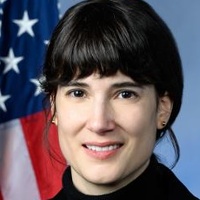
Marie Gluesenkamp Perez
Representative
WA
Marie Gluesenkamp Perez
Representative
WA
The "Water Systems PFAS Liability Protection Act" shields water and wastewater treatment facilities from CERCLA liability for PFAS releases if they comply with applicable laws and handle PFAS during or after water treatment. This protection covers specific non-polymeric PFAS and applies to public water systems, treatment works, and related entities. The exemption does not apply in cases of gross negligence or willful misconduct.
The "National Right-to-Work Act" prohibits mandatory union membership as a condition of employment, protecting employees' rights to choose whether or not to join or support a labor union.
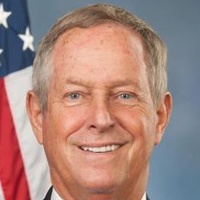
Joe Wilson
Representative
SC
Joe Wilson
Representative
SC
The "National Right-to-Work Act" amends both the National Labor Relations Act and the Railway Labor Act to protect an employee's right to choose whether or not to join or support a labor union. It eliminates the possibility of mandatory union membership or dues payments as a condition of employment, ensuring that employees cannot be forced to join or support a union against their will.
Prohibits banks and credit card companies from using specific codes that identify gun and ammunition stores.
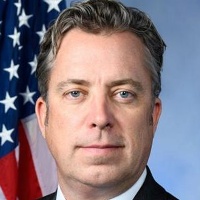
Andrew Ogles
Representative
TN
Andrew Ogles
Representative
TN
The "Protecting the Second Amendment in Financial Services Act" prevents banks and credit card companies from using specific merchant codes that would identify businesses selling firearms or ammunition. This ensures that financial institutions cannot track or discriminate against legal firearm-related transactions.
The "Freedom to Invest in Tomorrow's Workforce Act" expands the use of 529 savings accounts to cover expenses related to postsecondary credentialing programs, including tuition, fees, books, supplies, equipment, and testing fees.

Robert Wittman
Representative
VA
Robert Wittman
Representative
VA
The "Freedom to Invest in Tomorrow's Workforce Act" amends Section 529 savings accounts to include expenses related to postsecondary credentialing programs. This allows 529 funds to cover costs like tuition, fees, books, supplies, and testing fees for recognized programs and credentials, as defined by the bill. These changes would apply to distributions made after the bill is enacted.
Permanently extends the New Markets Tax Credit, provides inflation adjustments, and includes it for alternative minimum tax relief.
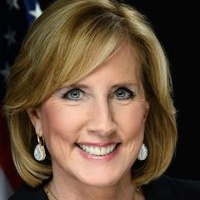
Claudia Tenney
Representative
NY
Claudia Tenney
Representative
NY
The New Markets Tax Credit Extension Act of 2025 permanently extends the New Markets Tax Credit, which incentivizes investment in low-income communities. It removes the credit's expiration date and adjusts the credit amount for inflation after 2025. The act also provides alternative minimum tax relief for qualified equity investments made after December 31, 2024.
The Marc Fischer Memorial Act mandates the implementation of a comprehensive digital mail scanning strategy across all federal prisons to detect and interdict synthetic drugs like fentanyl.
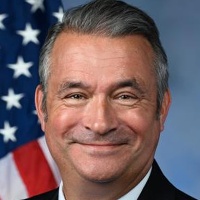
Don Bacon
Representative
NE
Don Bacon
Representative
NE
The Marc Fischer Memorial Act mandates that the Bureau of Prisons implement a comprehensive strategy to achieve 100% digital scanning of all inmate mail to interdict fentanyl and other synthetic drugs. By transitioning to digital mail processing, the Act aims to protect staff and inmates from lethal exposure, improve institutional security, and alleviate the administrative burden on correctional personnel.
The Safe Passage on Interstates Act of 2025 establishes federal criminal penalties for individuals who knowingly obstruct, interfere with, or endanger the normal flow of traffic on interstate highways.
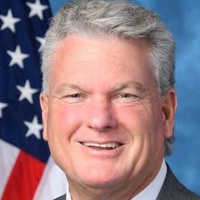
Mike Collins
Representative
GA
Mike Collins
Representative
GA
The Safe Passage on Interstates Act of 2025 establishes federal criminal penalties for knowingly obstructing or interfering with the normal use of an interstate highway. The bill imposes significant fines and prison sentences for activities that delay traffic, endanger motorists, or impede emergency vehicles. Lawful activities authorized by government entities remain exempt from these prohibitions.
Mandates the prompt release of immigration status information to state officials for voter eligibility verification.
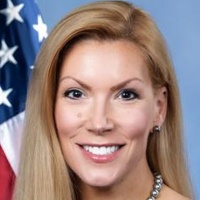
Beth Van Duyne
Representative
TX
Beth Van Duyne
Representative
TX
The "Voter Eligibility Verification Act of 2025" aims to ensure accurate voter rolls by requiring the prompt release of immigration status information to state officials. The Attorney General or Secretary of State must receive an individual's immigration status within 15 days of requesting it, including for potential voters. This will allow states to verify the eligibility of individuals for voter registration.
The Fair Access to Banking Act prohibits large financial institutions and payment networks from denying services to law-abiding businesses based on subjective, non-financial, or political criteria.
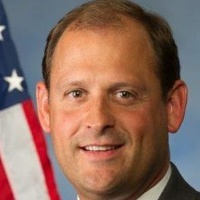
Garland Barr
Representative
KY
Garland Barr
Representative
KY
The Fair Access to Banking Act prohibits large financial institutions and payment networks from denying services to law-abiding businesses based on subjective, politically motivated, or reputational criteria. The bill mandates that financial institutions use impartial, quantitative, risk-based standards to evaluate customers rather than category-based exclusions. To ensure compliance, the legislation establishes enforcement mechanisms through federal regulators and provides a legal pathway for businesses to sue for damages if they are unfairly denied access to financial services.
This bill prohibits state and local governments from imposing special taxes, insurance requirements, or user fees as a condition for the ownership, manufacture, or transfer of firearms and ammunition.
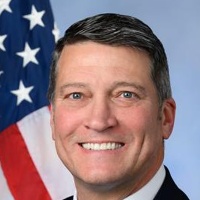
Ronny Jackson
Representative
TX
Ronny Jackson
Representative
TX
The "No User Fees for Gun Owners Act" prohibits state and local governments from imposing special taxes, insurance requirements, or user fees as a condition for owning, manufacturing, or transferring firearms and ammunition. The bill ensures that firearms are only subject to standard, generally applicable sales taxes, preventing discriminatory financial barriers to gun ownership.
The Educational Choice for Children Act of 2025 establishes federal tax credits for contributions to scholarship-granting organizations, providing lower- and middle-income families with financial support for K–12 educational expenses.

Adrian Smith
Representative
NE
Adrian Smith
Representative
NE
The Educational Choice for Children Act of 2025 establishes federal tax credits for individuals and corporations that contribute to scholarship-granting organizations. These organizations provide K–12 education scholarships to students from lower- and middle-income households to cover tuition, tutoring, and other qualified educational expenses. The bill also protects the autonomy of participating schools and scholarship organizations from government interference while ensuring that scholarship funds remain tax-free for recipient families.
The Build the Wall Act of 2025 mandates the construction and maintenance of physical barriers along the U.S. southern border by repurposing unobligated COVID-19 relief funds.
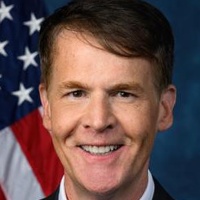
Jefferson Shreve
Representative
IN
Jefferson Shreve
Representative
IN
The Build the Wall Act of 2025 establishes a dedicated Treasury fund to finance the construction and maintenance of physical barriers along the U.S. southern border. The legislation mandates that this initiative be funded by reallocating all unobligated Coronavirus State and local fiscal recovery funds.
This bill recognizes the significant contributions of tax-exempt fraternal benefit societies to communities across the United States through charitable activities, volunteer work, and financial support for their members, and expresses Congressional support for their continued promotion.
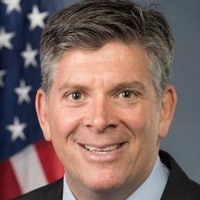
Darin LaHood
Representative
IL
Darin LaHood
Representative
IL
This bill recognizes the significant historical and ongoing contributions of tax-exempt fraternal benefit societies to communities across the United States through charitable activities, volunteer work, and financial support for members. It expresses the sense of Congress that these societies are a valuable support system that addresses unmet needs and generates substantial returns to the U.S. through their tax-exempt status. The bill also advocates for the continued promotion of fraternal benefit societies.
This resolution expresses gratitude and recognition for Gold Shield Families, acknowledging the sacrifices and hardships endured by the families of fallen first responders. It directs that the resolution be shared with the President and made public to ensure their sacrifices are remembered.
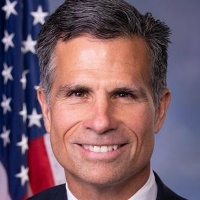
Daniel Meuser
Representative
PA
Daniel Meuser
Representative
PA
This resolution expresses gratitude and acknowledges the sacrifices made by Gold Shield Families, the families of fallen first responders. It honors these families of fallen police officers, firefighters, EMTs, and other emergency personnel. The resolution directs that a copy be sent to the President and made public, ensuring their sacrifices are remembered and recognized nationwide.
The Educational Choice for Children Act of 2025 establishes a federal tax credit for donations to scholarship-granting organizations to help families fund K-12 educational expenses, including private school tuition and homeschooling costs.
Adrian Smith
Representative
NE
Adrian Smith
Representative
NE
The Educational Choice for Children Act of 2025 establishes a federal tax credit for donations to scholarship-granting organizations, which provide financial assistance for K-12 educational expenses. This initiative aims to expand school choice by helping eligible families cover costs such as tuition, tutoring, and educational therapies. The bill also includes robust protections to ensure the autonomy of participating private and religious schools and the freedom of parents to direct their children's education.
The Life at Conception Act declares that the constitutional right to life begins at the moment of fertilization and applies to every member of the species *homo sapiens* at all stages of development.
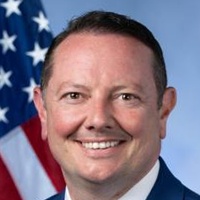
Eric Burlison
Representative
MO
Eric Burlison
Representative
MO
The Life at Conception Act declares that the constitutional right to life begins at the moment of fertilization, defining all human beings as persons from that point forward. The bill establishes legal personhood for every member of the species *homo sapiens* at all stages of development. Additionally, it explicitly prohibits the prosecution of any woman for the death of her unborn child.
The Born-Alive Abortion Survivors Protection Act requires health care practitioners to provide the same level of care to infants born alive after an abortion attempt as they would to any other newborn, mandating immediate hospitalization and imposing penalties for violations, while protecting the mother from prosecution. It also allows the mother of a child born alive to file a civil action against anyone who violated the act.
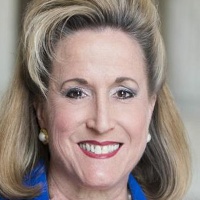
Ann Wagner
Representative
MO
Ann Wagner
Representative
MO
The "Born-Alive Abortion Survivors Protection Act" ensures that infants born alive after an abortion receive the same medical care as any other newborn, mandating immediate hospitalization and requiring healthcare practitioners to report any failures to comply. Violators face fines, imprisonment, and potential prosecution for homicide or attempted homicide, while the mother of the child cannot be prosecuted. The bill also allows the woman who had the abortion to file a civil action against anyone who violated the act. It defines abortion and attempts at abortion, and renames "Partial-Birth Abortions" to "Abortions" in relevant sections of the U.S. Code.
The End Unaccountable Amnesty Act reforms immigration policy by restricting executive authority over Temporary Protected Status and parole, tightening eligibility for unaccompanied children, repealing cancellation of removal, and prohibiting the use of certain government documents for air travel.
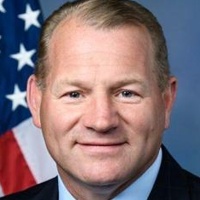
Troy Nehls
Representative
TX
Troy Nehls
Representative
TX
The **End Unaccountable Amnesty Act** seeks to restrict executive authority over immigration by shifting Temporary Protected Status (TPS) and parole designations to congressional oversight. The bill also tightens eligibility for unaccompanied minors, repeals "cancellation of removal" as a form of immigration relief, and prohibits the use of certain DHS-issued documents for air travel. Additionally, it imposes strict annual caps on parole grants and mandates the removal of sponsors who are unlawfully present in the United States.