Legislative Activity
Track Randy's sponsored bills, co-sponsored legislation, and voting record
This act prohibits the destruction of broadband internet access service facilities by expanding federal law to protect all such infrastructure, regardless of who operates it.
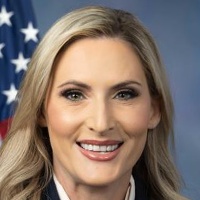
Laurel Lee
Representative
FL
Laurel Lee
Representative
FL
The Stopping the Theft and Destruction of Broadband Act of 2025 strengthens federal law to explicitly prohibit the destruction of broadband internet access service facilities. This update broadens protection beyond defense-related infrastructure to cover any privately or publicly operated broadband service. The Act provides a clear definition of what constitutes broadband internet access service under federal protection.
This bill establishes rigorous new federal requirements for certifying foreign seafood suppliers, mandates increased inspection and testing of all imported seafood, and allows states to partner with the FDA on enforcement.
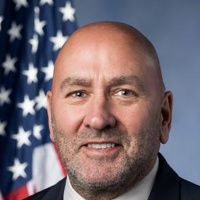
Clay Higgins
Representative
LA
Clay Higgins
Representative
LA
The Imported Seafood Quality Enforcement Act significantly tightens safety standards for all seafood entering the U.S. by requiring foreign countries to have certified safety systems and mandating federal inspection and testing of at least 20% of all imported shipments annually. The bill establishes strict penalties for exporters who fail inspections, including temporary import bans, and allows the FDA to partner with states to expand inspection capabilities. Furthermore, it authorizes fees on exporters to fund these enhanced federal and state oversight operations.
This bill expands mandatory detention for certain non-citizens by adding convictions for trespassing, vandalism, and arson to the list of triggering property crimes.
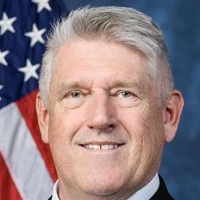
Troy Downing
Representative
MT
Troy Downing
Representative
MT
The Safeguarding American Property Act of 2025 expands mandatory detention requirements for certain non-citizens who commit specific property crimes. This legislation adds offenses like trespassing, vandalism, and arson to the list of crimes that require immigration authorities to detain an individual during removal proceedings. The bill also clarifies language related to violent offenses to ensure comprehensive grounds for detention.
This Act redefines immediate relatives for immigration, caps family-sponsored visas, and creates a new, non-work, temporary visa for parents of adult U.S. citizens.
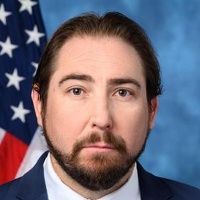
Eli Crane
Representative
AZ
Eli Crane
Representative
AZ
The Nuclear Family Priority Act significantly restructures U.S. family-based immigration by redefining "immediate relatives" to only include spouses and children of U.S. citizens, removing parents from that top category. It also establishes a new, temporary nonimmigrant visa for parents of adult U.S. citizens, which prohibits work and public benefits. Furthermore, the bill revises the annual cap for family-sponsored visas and makes numerous technical amendments across immigration law to align with these changes.
The Religious Workforce Protection Act extends nonimmigrant status and provides job flexibility for religious workers caught in long green card backlogs, while also waiving the one-year foreign residence requirement for those who left due to the R-1 visa time limit.
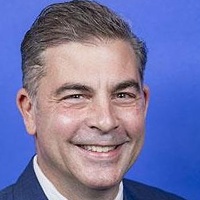
Mike Carey
Representative
OH
Mike Carey
Representative
OH
The Religious Workforce Protection Act aims to support religious workers facing long green card backlogs by allowing extensions of their nonimmigrant status beyond the usual five-year limit until their permanent residency application is processed. It also modifies job flexibility rules for certain delayed applicants and exempts religious workers who left the U.S. due to the five-year R-1 visa limit from the mandatory one-year foreign residence requirement before reapplying.
The POWER Act of 2025 establishes a temporary, income-limited tax credit of up to \$500 for qualified homeowners in disaster-prone areas who purchase an emergency generator.
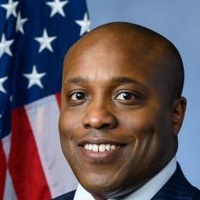
Wesley Hunt
Representative
TX
Wesley Hunt
Representative
TX
The POWER Act of 2025 establishes a new, temporary tax credit of up to $500 for individuals who purchase an emergency generator for their primary residence. To qualify, homeowners must have experienced at least two major disasters in their area within the last five years and personally received federal assistance for one of those events. The credit amount is subject to phase-out based on the taxpayer's modified adjusted gross income.
This Act permits 501(c)(3) organizations to make political campaign statements within the ordinary course of their tax-exempt activities, provided the cost is de minimis.
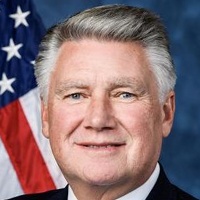
Mark Harris
Representative
NC
Mark Harris
Representative
NC
The Free Speech Fairness Act amends tax law to allow 501(c)(3) organizations to make political campaign statements without jeopardizing their tax-exempt status. This protection applies only if the statement is made as part of the organization's ordinary course of activities and incurs only a de minimis (trivial) cost. This ensures non-profits can speak on political matters related to their mission without penalty, provided spending remains minimal.
The DETERRENT Act mandates increased transparency for colleges regarding foreign gifts and contracts, prohibits most dealings with "countries of concern," and imposes strict investment reporting requirements for large private universities, backed by significant enforcement penalties.
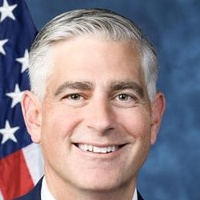
Michael Baumgartner
Representative
WA
Michael Baumgartner
Representative
WA
The DETERRENT Act significantly increases transparency requirements for colleges and universities regarding foreign gifts, contracts, and investments, especially those involving "countries or entities of concern." It mandates detailed public disclosure reports, establishes strict prohibitions and waiver processes for contracts with risky foreign entities, and imposes severe financial penalties for non-compliance. Furthermore, the bill requires specified large private institutions to report their holdings in concerning foreign assets annually.
The SHORT Act redefines "firearm" to exclude certain collector's items, eliminates disparate federal treatment of short-barreled rifles and shotguns, preempts state and local registration/tax burdens on these items, and mandates the destruction of certain existing NFA records.
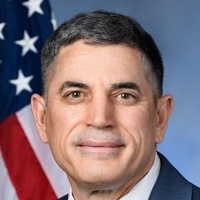
Andrew Clyde
Representative
GA
Andrew Clyde
Representative
GA
The SHORT Act aims to reform federal firearms regulations by redefining what constitutes a "firearm" for tax purposes, largely excluding antique or collector's items. It eliminates disparate federal treatment for short-barreled rifles and shotguns used lawfully and preempts state and local governments from imposing special taxes or registration requirements on these specific weapons. Furthermore, the bill mandates the destruction of certain existing federal registration and transfer records related to defined firearms.
This act prohibits colleges and universities receiving federal funding from allowing or supporting any campus event that promotes antisemitism, adopting the IHRA working definition.
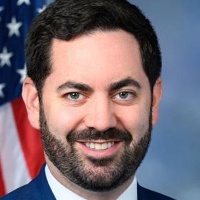
Michael Lawler
Representative
NY
Michael Lawler
Representative
NY
The Stop Antisemitism on College Campuses Act prohibits colleges and universities receiving federal funding from allowing, supporting, or paying for any event on campus that promotes antisemitism. This legislation mandates the adoption of the International Holocaust Remembrance Alliance (IHRA) working definition of antisemitism for enforcement. The goal is to ensure federally funded institutions do not host or endorse antisemitic activities.
This bill excludes certain veterinary student loan repayments and forgiveness amounts from taxable income to encourage veterinarians to practice in rural areas.

Adrian Smith
Representative
NE
Adrian Smith
Representative
NE
The Rural Veterinary Workforce Act aims to encourage more veterinarians to serve in underserved rural areas by making participation in certain loan repayment or forgiveness programs more financially appealing. This bill amends the tax code to exclude amounts received through qualifying state or federal veterinary student loan repayment programs from being counted as taxable income. This tax benefit applies to amounts received for taxable years beginning after December 31, 2025.
This act prohibits all federal funding for the National Public Radio (NPR) and the Public Broadcasting Service (PBS).
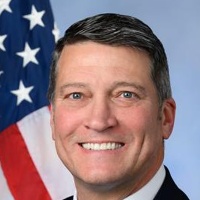
Ronny Jackson
Representative
TX
Ronny Jackson
Representative
TX
The No Partisan Radio and Partisan Broadcasting Services Act (NPR and PBS Act) prohibits all federal funding, direct or indirect, for the National Public Radio (NPR) and the Public Broadcasting Service (PBS). This measure immediately ends government financial support for these two national broadcasting entities. The restriction also applies to any successor organizations.
This bill mandates that Medicare provide equitable reimbursement for the transportation and setup of portable ultrasound equipment, mirroring current payments for portable X-ray services.
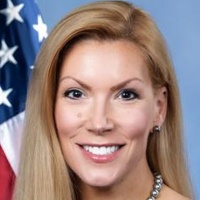
Beth Van Duyne
Representative
TX
Beth Van Duyne
Representative
TX
The Portable Ultrasound Reimbursement Equity Act of 2025 updates Medicare coverage to include diagnostic ultrasound tests. This legislation mandates that Medicare establish separate payments for the transportation and setup of portable ultrasound equipment, mirroring existing payments for portable X-ray services. These changes are set to take effect starting January 1, 2027.
This Act establishes a 20% federal tax credit for converting eligible commercial buildings into affordable housing units, subject to state allocation and specific income restrictions.
Mike Carey
Representative
OH
Mike Carey
Representative
OH
The Revitalizing Downtowns and Main Streets Act establishes a new 20% federal tax credit for converting eligible, older commercial buildings into affordable housing. This incentive aims to increase housing supply by requiring that at least 20% of the converted units remain rent-restricted for low-income residents for 30 years. State agencies will allocate these credits, which are subject to a national cap of $12 billion, based on approved plans prioritizing financially necessary projects.
The Safer Skies Act of 2025 mandates that certain smaller charter and commuter air carriers currently exempt from TSA checkpoints must adopt the same security screening standards as larger airlines.
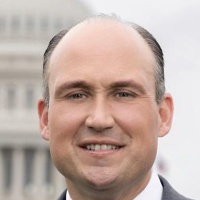
Nicholas Langworthy
Representative
NY
Nicholas Langworthy
Representative
NY
The Safer Skies Act of 2025 mandates enhanced security screening for certain smaller charter and commuter air carriers that sell individual passenger seats publicly. This legislation requires these specific operations, currently exempt from TSA checkpoints, to adopt the security standards applied to larger commercial airlines. The goal is to raise the baseline security level across a broader segment of air travel operations.
This Act limits the FCC's authority to prohibit state and federal correctional facilities from using authorized cellphone jamming systems within their premises under specific operational and funding conditions.
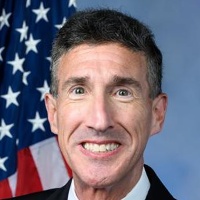
David Kustoff
Representative
TN
David Kustoff
Representative
TN
The Cellphone Jamming Reform Act of 2025 limits the FCC's authority to prohibit the use of cell phone jamming systems within jails and prisons. This legislation specifically permits state and federal correctional facilities to deploy jamming technology to block communications involving inmates or contraband devices. Any facility using these systems must adhere to strict operational limits, ensure state funding for state-run systems, and coordinate with local public safety officials beforehand.
This bill expands Medicare coverage under Part B to pay qualified home infusion suppliers for augmentation therapy kits and nursing services for Medicare beneficiaries with Alpha-1 Antitrypsin Deficiency Disorder who require emphysema treatment in their homes.
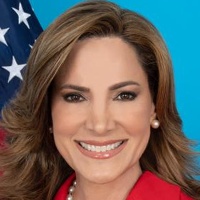
Maria Salazar
Representative
FL
Maria Salazar
Representative
FL
The John W. Walsh Alpha-1 Home Infusion Act of 2025 amends Medicare to specifically cover augmentation therapy for individuals with severe Alpha-1 Antitrypsin Deficiency Disorder when administered in the home. This legislation establishes new payment rules under Medicare Part B for the necessary intravenous kits and associated nursing services. The goal is to ensure qualified home infusion suppliers are reimbursed directly for providing this essential, ongoing maintenance treatment.
This bill establishes national reciprocity for concealed carry permits, allowing individuals legally permitted to carry in their home state to carry a handgun in any other state that allows concealed carry.
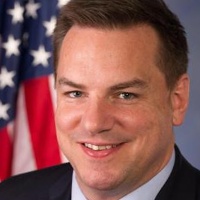
Richard Hudson
Representative
NC
Richard Hudson
Representative
NC
The Constitutional Concealed Carry Reciprocity Act of 2025 establishes a national standard for carrying concealed handguns across state lines. This act allows individuals legally permitted to carry in their home state to carry concealed in any other state that allows its residents to carry concealed firearms. The law does not override private property restrictions or prohibitions on government property, but it provides protections and legal recourse for those traveling in compliance with the new federal standard.
This Act establishes federal grant programs and mandates for the Bureau of Prisons to implement mandatory, confidential mental health screenings and dedicated outreach teams for corrections officers to connect them with necessary care.
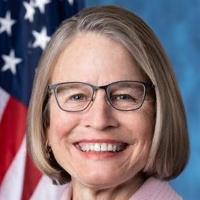
Mariannette Miller-Meeks
Representative
IA
Mariannette Miller-Meeks
Representative
IA
The Corrections Officer Blake Schwarz Suicide Prevention Act of 2025 establishes federal grant programs to help states and local governments implement mandatory, confidential mental health screenings for corrections officers. The bill also directs the Bureau of Prisons to create a similar internal mental health survey and outreach program for federal staff. An Advisory Board will be created to oversee the implementation of these programs and ensure officers identified as needing care are connected with local mental health providers. Funding is authorized through Fiscal Year 2030 to support these critical suicide prevention and support initiatives.
This Act nullifies the EPA's final rule reconsidering the National Ambient Air Quality Standards for Particulate Matter.
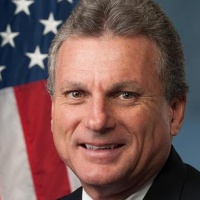
Earl Carter
Representative
GA
Earl Carter
Representative
GA
The Common Sense Air Regulations Act invalidates the Environmental Protection Agency's recent final rule concerning the National Ambient Air Quality Standards for Particulate Matter. This legislation immediately nullifies the May 16, 2024, EPA action, preventing any changes to the particulate matter air quality standards from taking effect.