Legislative Activity
Track Ann's sponsored bills, co-sponsored legislation, and voting record
The Consumer Financial Protection Accountability and Reform Act of 2026 seeks to increase the CFPB’s transparency and accountability by restructuring its funding, refining its enforcement and rulemaking standards, and establishing clearer regulatory oversight for financial institutions and consumer products.
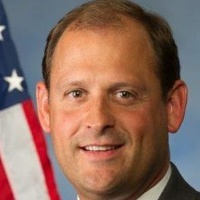
Garland Barr
Representative
KY
Garland Barr
Representative
KY
The Consumer Financial Protection Accountability and Reform Act of 2026 seeks to restructure the Consumer Financial Protection Bureau (CFPB) by bringing it under congressional appropriations and establishing more rigorous oversight and transparency requirements. The bill introduces stricter standards for enforcement actions, clarifies definitions of abusive practices, and provides new regulatory frameworks for emerging financial products like earned wage access. Additionally, it adjusts supervisory thresholds and limits the Bureau’s ability to use market-monitoring data for enforcement, aiming to increase procedural fairness for both financial institutions and consumers.
This resolution commemorates the 13 U.S. servicemembers killed at Abbey Gate and condemns the Biden administration’s handling of the 2021 withdrawal from Afghanistan.

Matt Van Epps
Representative
TN
Matt Van Epps
Representative
TN
This resolution commemorates the 13 U.S. servicemembers killed during the 2021 Abbey Gate bombing in Afghanistan. It formally condemns the Biden-Harris administration for its handling of the withdrawal, citing failures in planning, security, and accountability. The measure denounces the administration's decisions as a dereliction of duty that compromised national security and abandoned American allies.
The Radiation Exposure Compensation Reauthorization Act of 2026 expands eligibility, increases compensation, and extends the deadline for claims related to radiation exposure from atmospheric nuclear testing and Manhattan Project waste.
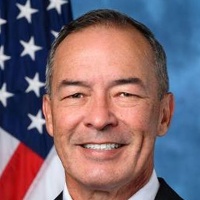
James (Jim) Moylan
Representative
GU
James (Jim) Moylan
Representative
GU
The Radiation Exposure Compensation Reauthorization Act of 2026 expands and extends the federal program that provides compensation and medical benefits to individuals harmed by radiation exposure from atmospheric nuclear testing and Manhattan Project waste. This legislation broadens eligibility criteria, increases compensation amounts, and establishes a new process for designating additional classes of eligible individuals. Furthermore, it extends the program’s authorization through 2043 and mandates new health studies and expanded screening services for affected populations and their descendants.
This legislation imposes comprehensive economic, financial, and energy sanctions on the Russian Federation while extending the Iran Sanctions Act of 1996 through 2031.
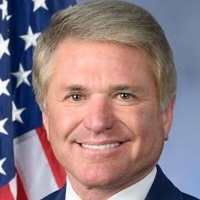
Michael McCaul
Representative
TX
Michael McCaul
Representative
TX
The Lindsey O. Graham Sanctioning Russia and Iran Act of 2026 imposes sweeping economic, financial, and energy sanctions on the Russian Federation to counter its war efforts and support for global instability. Additionally, the bill extends the Iran Sanctions Act of 1996 through 2031 to maintain continued pressure on the Iranian regime. Together, these measures aim to isolate adversarial actors through targeted financial restrictions, trade barriers, and enhanced oversight.
This bill restricts stock trading by Members of Congress and their families while establishing new federal requirements for voters to provide photo identification in federal elections.
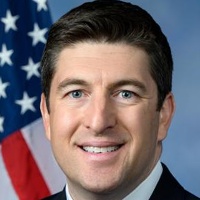
Bryan Steil
Representative
WI
Bryan Steil
Representative
WI
The Stop Insider Trading Act restricts Members of Congress, their spouses, and dependent children from purchasing or selling individual stocks to prevent conflicts of interest. Additionally, the bill mandates that voters provide valid photo identification when voting in person or by mail in federal elections.
The Main Street Act aims to foster economic growth by reducing regulatory burdens on community banks, streamlining the application and merger processes, and enhancing transparency in financial supervision.

J. Hill
Representative
AR
J. Hill
Representative
AR
The Main Street Act is comprehensive legislation designed to foster a more competitive and accessible banking environment by reducing regulatory burdens on community banks and credit unions. The bill streamlines application processes, modernizes supervision standards, and enhances transparency across federal financial agencies to encourage local lending and economic growth. Additionally, it promotes innovation and financial stability by facilitating bank-fintech partnerships and improving the tools available for managing liquidity and bank resolutions.
This bill clarifies that a franchisor is only considered a joint employer of a franchisee's workers if it exercises substantial, direct, and immediate control over essential terms of employment.
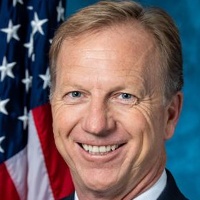
Kevin Hern
Representative
OK
Kevin Hern
Representative
OK
The American Franchise Act aims to protect the traditional franchise business model by clarifying the definition of a "joint employer." This legislation establishes that a franchisor is only considered a joint employer if it exercises "substantial direct and immediate control" over the essential terms of employment for a franchisee's workers. This change specifically targets liability risks associated with maintaining brand standards, ensuring franchisors are not automatically held responsible for local labor practices. The new standard applies prospectively to future legal proceedings.
The DeOndra Dixon INCLUDE Project Act of 2025 establishes a federally coordinated NIH research program dedicated to advancing the study, treatment, and quality of life for individuals with Down syndrome.

Diana DeGette
Representative
CO
Diana DeGette
Representative
CO
The DeOndra Dixon INCLUDE Project Act of 2025 establishes a federally coordinated research program at the National Institutes of Health (NIH) dedicated to advancing the understanding and treatment of Down syndrome. The initiative focuses on long-term health studies, expanding clinical trial access, and investigating co-occurring conditions to improve the quality of life for individuals with Down syndrome. By fostering collaboration across NIH institutes and consulting with patient advocates, the program aims to accelerate medical breakthroughs and provide biennial progress reports to Congress.
The Chloe Cole Act of 2026 establishes a private right of action allowing individuals to sue healthcare providers for damages resulting from gender-transition medical interventions performed on them as minors.
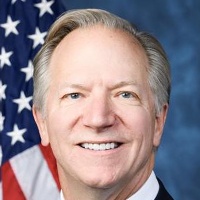
Robert Onder
Representative
MO
Robert Onder
Representative
MO
The Chloe Cole Act of 2026 establishes a federal private right of action allowing individuals to sue healthcare professionals and institutions for damages related to gender-transition medical interventions performed on them as minors. The bill permits lawsuits regardless of when the intervention occurred and sets a statute of limitations extending 25 years past the individual's 18th birthday. Additionally, it mandates strict liability for such interventions performed after the Act's enactment.
This bill mandates electronic prior authorization, increases transparency through required data reporting, and establishes faster decision timelines for Medicare Advantage plans to improve timely access to care for seniors.
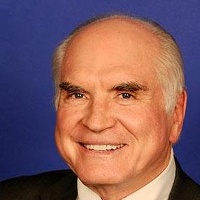
Mike Kelly
Representative
PA
Mike Kelly
Representative
PA
The Improving Seniors’ Timely Access to Care Act of 2025 aims to streamline and modernize the prior authorization process within Medicare Advantage plans. This bill mandates the adoption of electronic prior authorization systems and significantly increases transparency regarding approval rates and decision times starting in 2027. Furthermore, it establishes new enrollee protections and grants the Secretary authority to enforce faster decision timeframes for medical services.
This Act prohibits payment card networks and processors from assigning specific merchant category codes to identify firearms retailers, protecting the privacy of firearm and ammunition purchases.
Riley Moore
Representative
WV
Riley Moore
Representative
WV
The Protecting Privacy in Purchases Act prohibits payment card networks and processors from assigning specific merchant category codes to firearms retailers. This legislation aims to protect consumer privacy by preventing the tracking of firearm and ammunition purchases through specialized financial classification. The Attorney General is tasked with enforcing these provisions and reporting annually on compliance.
This bill mandates the development and implementation of a comprehensive strategy to dismantle UNRWA and transition its humanitarian responsibilities to alternative, accountable organizations.
Michael Lawler
Representative
NY
Michael Lawler
Representative
NY
The "Replace UNRWA with Real Humanitarian Assistance Act" mandates that the Secretary of State develop and implement a comprehensive strategy to dismantle the United Nations Relief and Works Agency (UNRWA). The bill requires a structured transition plan to transfer UNRWA’s humanitarian services to alternative entities, ensuring continued aid while prioritizing transparency, accountability, and neutrality.
This bill prohibits the SEC from requiring the collection of personally identifiable information from market participants for consolidated audit trail reporting purposes.
Barry Loudermilk
Representative
GA
Barry Loudermilk
Representative
GA
The Protecting Investors’ Personally Identifiable Information Act prohibits the SEC from requiring market participants to submit sensitive personal data as part of Consolidated Audit Trail (CAT) reporting requirements. This legislation aims to safeguard investor privacy by restricting the collection of information such as Social Security numbers, addresses, and biometric data within federal securities reporting systems.
This bill amends the Fair Credit Reporting Act to require resellers to implement reasonable procedures to ensure the accuracy of consumer information before transmitting it to third parties.
Michael Lawler
Representative
NY
Michael Lawler
Representative
NY
The Fair Credit Reporting Reseller Accuracy Act amends the Fair Credit Reporting Act to mandate that resellers implement reasonable procedures to ensure the maximum possible accuracy of consumer information before transmission. Additionally, the bill clarifies the scope of reseller liability when they accurately communicate data obtained from other consumer reporting agencies.
This bill caps the total recovery amounts for class action lawsuits alleging willful or negligent violations of the Fair Credit Reporting Act (FCRA).
Barry Loudermilk
Representative
GA
Barry Loudermilk
Representative
GA
The FCRA Liability Harmonization Act aims to standardize civil liability for class action lawsuits under the Fair Credit Reporting Act (FCRA). This bill caps the total recovery amount for both willful and negligent violations in class actions at the lesser of $500,000 or 1% of the company's net worth. Furthermore, it places new limits on the recoverable attorney's fees and court costs associated with these class action claims.
This bill renames and revises the Great American Outdoors Act's maintenance fund, increases dedicated funding through new, higher fees for foreign visitors, and sets spending priorities for deferred maintenance across public lands agencies.
Bruce Westerman
Representative
AR
Bruce Westerman
Representative
AR
This bill, the Great American Outdoors Act 250, significantly reforms and renames the existing public lands restoration fund to the America’s Legacy Restoration Fund. It secures dedicated funding streams, primarily from energy revenues and new fees on foreign visitors, to address critical deferred maintenance across the National Park Service, Forest Service, and other public land agencies. The legislation establishes strict spending priorities for infrastructure repair while also creating pilot programs for enhancing outdoor recreation and sportsmen's access. Finally, it mandates increased transparency and accountability through standardized metrics and public reporting on all funded projects.
This bill significantly expands federal immunity for firearm manufacturers and sellers by immediately dismissing existing lawsuits and establishing strict limitations and procedural hurdles for future civil liability claims.
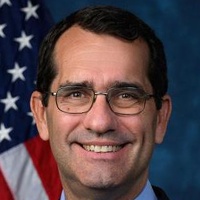
Derek Schmidt
Representative
KS
Derek Schmidt
Representative
KS
The Stopping Harmful and Outrageous Torts Act significantly expands legal immunity for firearm manufacturers, sellers, and trade associations by redefining terms within existing federal law. It mandates the immediate dismissal of pending lawsuits against these entities and establishes strict new standards for any exceptions that might apply. Furthermore, the bill preempts state and local laws that attempt to impose liability based on the criminal misuse of qualified products.
This bill, the TSP Modernization Act, mandates the electronic transfer of Thrift Savings Fund account balances to qualified retirement plans one year after enactment.
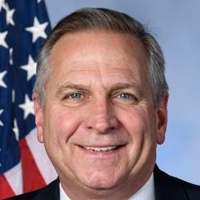
Mike Bost
Representative
IL
Mike Bost
Representative
IL
The TSP Modernization Act facilitates the electronic transfer of funds from Thrift Savings Plan (TSP) accounts to qualified retirement plans. This change will take effect one year after the bill is enacted, allowing participants to move their savings more efficiently. The Federal Retirement Thrift Investment Board is responsible for implementing this new electronic transfer process.
This Act expands the geographic scope and duties of the Presidential Envoy for the Abraham Accords to include Central Asia and the Caucasus, leveraging existing authorities without new funding.
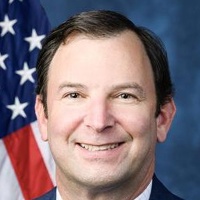
Craig Goldman
Representative
TX
Craig Goldman
Representative
TX
The Abraham Accords Expansion Act of 2026 formally expands the mission of the Presidential Envoy for the Abraham Accords to include Central Asia and the Caucasus. This legislation directs the Envoy to promote normalization and integration efforts in these strategically important regions, aligning with U.S. national security and economic interests. The Act utilizes existing authorities and funding to carry out these expanded duties.
This resolution calls upon Americans to honor the service members who died defending freedom and peace on Memorial Day, 2026.
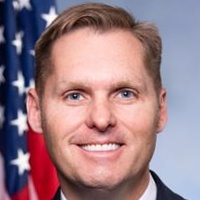
Michael Guest
Representative
MS
Michael Guest
Representative
MS
This resolution calls upon all Americans to honor the service members who died defending freedom and peace, particularly on Memorial Day 2026. It recognizes the ultimate sacrifice of over one million Americans in pursuit of these ideals. The bill emphasizes the importance of continuing to express gratitude and commemorate these patriots.