
Legislative Activity
Track Robert's sponsored bills, co-sponsored legislation, and voting record
This Act prohibits foreign states and sovereign wealth funds from funding U.S. litigation unless they are a party, and mandates disclosure of all foreign third-party litigation funding in civil actions.

Ben Cline
Representative
VA
Ben Cline
Representative
VA
This Act prohibits foreign states and sovereign wealth funds from funding U.S. civil litigation where they are not a party. It mandates strict disclosure requirements for any foreign third-party litigation funding in federal cases. Failure to comply can result in the dismissal of the case and other sanctions. The Attorney General must also report annually to Congress on the use of such foreign funding.
This act mandates Medicare coverage for FDA-approved early detection screening tests for Alzheimer's disease and related dementias beginning in 2028.
Vern Buchanan
Representative
FL
Vern Buchanan
Representative
FL
The Alzheimer’s Screening and Prevention Act of 2025 (ASAP Act) amends Medicare to cover early detection screening tests for Alzheimer's disease and related dementias starting in 2028. This coverage applies to FDA-cleared tests, including genomic sequencing and other equivalent diagnostic methods, designed to detect pre-symptomatic or early-stage conditions. The bill ensures these screenings are added to the list of covered medical services under Medicare.
The NEST Act establishes provisions for purchasing and distributing essential newborn supply kits to mothers and infants using reserved federal funds.

Julia Letlow
Representative
LA
Julia Letlow
Representative
LA
The Newborns Essentials Support Toolkit (NEST) Act establishes a program to purchase and distribute essential supply kits to mothers recovering from childbirth and their newborn infants. These kits will contain necessary supplies, educational materials on maternal health resources, and information on federal support programs. The legislation reserves federal funds from 2026 through 2030 to award grants to nonprofit entities for the nationwide distribution of these kits, prioritizing areas of greatest need.
This resolution expresses Congress's strong support for the enduring strategic partnership between the United States and India, emphasizing shared democratic values, defense cooperation, and mutual interests in the Indo-Pacific.
Ami Bera
Representative
CA
Ami Bera
Representative
CA
This resolution expresses the sense of Congress recognizing the strategic value of the long-standing partnership between the United States and India, founded on shared democratic values and mutual interests. It highlights the deep cooperation across defense, technology, counterterrorism, and economic ties. The bill encourages the expansion of this relationship to ensure a free and open Indo-Pacific.
This resolution honors the service and sacrifice of America's veterans and reaffirms the nation's commitment to supporting them and their families.
Michael Guest
Representative
MS
Michael Guest
Representative
MS
This resolution honors the service and sacrifice of America's veterans on Veterans Day, 2025, recognizing the history of the observance from Armistice Day. It affirms the nation's deep commitment to supporting the over 15 million veterans and their families. The resolution calls upon the public to observe Veterans Day and ensure veterans continue to receive the services they deserve.
The Safer Supervision Act of 2025 aims to reform federal supervised release by requiring individualized assessments, establishing a presumption for early termination, addressing officer pay, and studying post-release supervision practices.
Laurel Lee
Representative
FL
Laurel Lee
Representative
FL
The Safer Supervision Act of 2025 aims to reform federal supervised release by requiring individualized assessments for imposing supervision and establishing a presumption for early termination when defendants meet certain compliance and public safety criteria. The bill also addresses workload concerns by mandating a proposal for law enforcement availability pay for probation officers and allowing prisoners without imposed supervision to apply earned time credits for early release. Finally, it directs the GAO to study the federal supervision and reentry system.
This bill ensures that essential firearm-related government operations, such as background checks and export license processing, continue during a government shutdown.
Ben Cline
Representative
VA
Ben Cline
Representative
VA
The Firearm Access During Shutdowns Act ensures that essential firearm-related government operations continue without interruption during a federal shutdown. This legislation specifically mandates the continuation of the FBI's NICS background check system and related processing at the ATF, Department of Commerce, and Department of State. By deeming these functions essential for protecting life and property, the bill prevents delays in firearm transfers and export licensing during lapses in appropriations.
The Shutdown Fairness Act guarantees pay for essential federal employees and contractors required to work during a lapse in appropriations, effective retroactively to September 30, 2025.
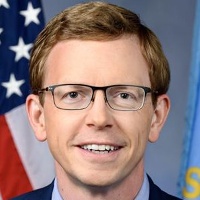
Dusty Johnson
Representative
SD
Dusty Johnson
Representative
SD
The Shutdown Fairness Act ensures that federal employees and contractors deemed essential are automatically paid for the work they perform during a lapse in appropriations, starting in fiscal year 2026. This automatic funding mechanism from the Treasury covers standard pay and benefits for excepted employees until Congress passes a full-year budget. Once regular funding is enacted, these payments are charged against the agency's final appropriation.
This resolution supports designating the week beginning October 12, 2025, as National Wildlife Refuge Week to celebrate the vital conservation, economic, and recreational contributions of the National Wildlife Refuge System.
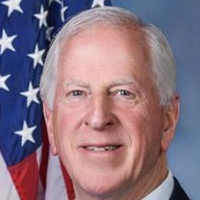
Mike Thompson
Representative
CA
Mike Thompson
Representative
CA
This resolution officially designates the week beginning October 12, 2025, as "National Wildlife Refuge Week" to honor the importance of the National Wildlife Refuge System. It recognizes the system's critical role in protecting over 850 million acres of habitat, supporting threatened species, and providing vital economic and recreational benefits nationwide. The bill also highlights the system's commitment to urban access and collaboration with Tribal and Native Hawaiian communities.
This Act mandates a three-notice system and public awareness campaign to ensure TRICARE beneficiaries are clearly informed about upcoming coverage transition requirements.
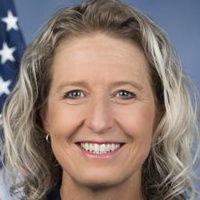
Jennifer Kiggans
Representative
VA
Jennifer Kiggans
Representative
VA
The TRICARE Transition Transparency Act of 2025 mandates that the Secretary of Defense provide TRICARE beneficiaries with proactive, multi-stage electronic notifications before coverage transition requirements take effect. This ensures beneficiaries are clearly informed about necessary actions, such as re-enrollment due to age limits. The Act also requires a public awareness campaign and annual reporting to Congress on the effectiveness of these notification efforts.
This act streamlines the Nuclear Regulatory Commission's licensing process by allowing permits and licenses to be issued without mandatory hearings unless requested, and by updating procedural requirements for various nuclear facility applications.
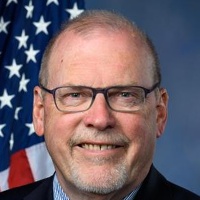
H. Griffith
Representative
VA
H. Griffith
Representative
VA
The Efficient Nuclear Licensing Hearings Act streamlines the Nuclear Regulatory Commission's (NRC) process for issuing certain nuclear facility permits and licenses. This legislation allows the NRC to issue permits without automatically holding a full hearing if no affected party requests one. It also updates procedures to favor informal hearings when they are held and modifies timing requirements for license issuance.
This Act ensures that disability compensation or pension payments received by veterans are excluded when determining eligibility for low-income housing tax credits and residential rental project bonds.
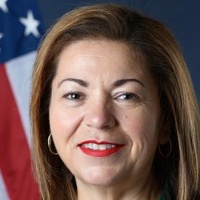
Linda Sánchez
Representative
CA
Linda Sánchez
Representative
CA
The Fair Housing for Disabled Veterans Act ensures that veterans' disability compensation or pension payments are excluded when determining income eligibility for low-income housing tax credits and related rental project bonds. This change prevents veterans from being penalized for their service-related benefits when applying for affordable housing assistance. The Act takes effect immediately upon passage.
This Act streamlines the regulatory pathway for biosimilar biological products by clarifying interchangeability standards and updating related federal drug laws.
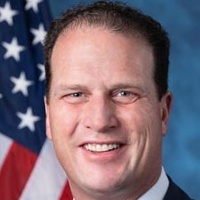
August Pfluger
Representative
TX
August Pfluger
Representative
TX
The Biosimilar Red Tape Elimination Act streamlines the regulatory pathway for biosimilar biological products by making technical and structural updates to existing law. This legislation clarifies when a biosimilar is automatically deemed "interchangeable" with its reference product, protecting existing exclusivity periods. Furthermore, it updates conforming language across federal drug laws and clarifies pediatric testing requirements for biosimilar applications.
The Safe Step Act mandates that group health plans using medication step therapy establish clear, timely exception processes for patients and doctors when required drugs are medically inappropriate or ineffective.
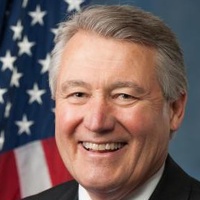
Rick Allen
Representative
GA
Rick Allen
Representative
GA
The Safe Step Act establishes mandatory, transparent exception processes for health plans that use "step therapy" protocols for prescription drugs. This ensures patients or their doctors can quickly request coverage for a prescribed medication when specific clinical criteria are met, such as previous treatment failure or risk of harm. Plans must decide on standard requests within 72 hours and urgent requests within 24 hours, and approved exceptions must last for at least one year. Furthermore, insurers must report detailed data annually on exception requests, approvals, and denials to the Secretary of Health and Human Services.
The GRID Power Act directs the Federal Energy Regulatory Commission to rapidly update interconnection rules to prioritize and expedite the connection of dispatchable power projects that enhance grid reliability and resilience.
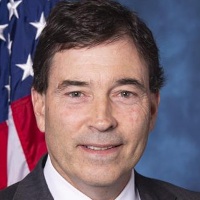
Troy Balderson
Representative
OH
Troy Balderson
Representative
OH
The GRID Power Act directs the Federal Energy Regulatory Commission (FERC) to rapidly update rules governing how new power plants connect to the electric grid. This legislation mandates that FERC prioritize and streamline the interconnection process for dispatchable power projects that demonstrably improve grid reliability and resilience. The goal is to ensure that necessary, dependable power sources can connect quickly while maintaining public input and regular review of the new procedures.
This resolution officially recognizes the 250th anniversary of the United States Navy, celebrating its history, global strength, and vital contributions to national security and diplomacy.
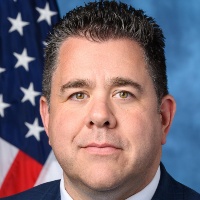
Nicolas LaLota
Representative
NY
Nicolas LaLota
Representative
NY
This resolution officially recognizes the 250th birthday of the United States Navy, celebrating its long history since the Continental Navy was established in 1775. Congress expresses deep gratitude for the bravery and dedication of all past and present Sailors who have defended the nation. The bill reaffirms the Navy's vital role in global security, humanitarian efforts, and maintaining American strength worldwide.
This resolution supports designating the week of September 21 through September 27, 2025, as "Gold Star Families Remembrance Week" to honor the families of fallen service members.

Dan Newhouse
Representative
WA
Dan Newhouse
Representative
WA
This resolution supports designating the week of September 21 through September 27, 2025, as "Gold Star Families Remembrance Week." The measure aims to officially recognize and honor the profound sacrifices made by families who have lost a loved one serving in the U.S. Armed Forces. It encourages communities nationwide to observe this week through acts of service and by celebrating the lives of these fallen service members.
This Act mandates that new passenger motor vehicles sold in the U.S. must include standard equipment capable of receiving AM broadcast radio signals.

Gus Bilirakis
Representative
FL
Gus Bilirakis
Representative
FL
The AM Radio for Every Vehicle Act of 2025 mandates that the Secretary of Transportation establish a rule requiring AM broadcast radio receivers to be installed as standard equipment in new passenger motor vehicles. This requirement aims to ensure public access to AM radio signals, which are often used for emergency alerts. The bill also directs a GAO study on the effectiveness of AM radio within the national emergency alert system compared to other technologies. Finally, the Act preempts state and local laws on this matter and includes a sunset provision eight years after enactment.
This bill amends the Social Security Act to provide Medicare coverage for FDA-approved multi-cancer early detection screening tests starting in 2028.
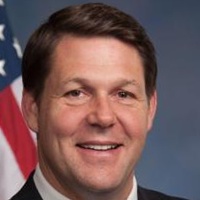
Jodey Arrington
Representative
TX
Jodey Arrington
Representative
TX
The Nancy Gardner Sewell Medicare Multi-Cancer Early Detection Screening Coverage Act amends the Social Security Act to provide Medicare Part B coverage for multi-cancer early detection screening tests starting January 1, 2028. This legislation establishes clear criteria for qualifying tests and outlines payment structures to ensure beneficiaries have access to these advanced diagnostic tools. Importantly, this coverage is designed to complement, rather than replace, existing Medicare-covered cancer screenings.
This bill establishes a grant program to fund public colleges training medical students to provide primary health care in medically underserved communities.
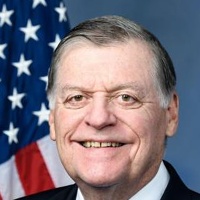
Tom Cole
Representative
OK
Tom Cole
Representative
OK
The Medical Student Education Authorization Act of 2025 establishes a new federal grant program to bolster primary healthcare in medically underserved communities. This funding, administered by HRSA, will support public medical colleges that train students committed to practicing in high-need areas like rural or Tribal regions. Grants will focus on developing community-based training, increasing faculty capacity, and providing direct student support to improve the primary care workforce pipeline.