
Legislative Activity
Track Sheldon's sponsored bills, co-sponsored legislation, and voting record
This resolution officially designates July 2025 as "Plastic Pollution Action Month" to raise awareness and encourage national efforts to combat the growing crisis of plastic waste.

Jeff Merkley
Senator
OR
Jeff Merkley
Senator
OR
This resolution officially designates July 2025 as "Plastic Pollution Action Month" to raise national awareness about the growing crisis of plastic pollution. It acknowledges the severe environmental and health risks posed by plastic waste, including its impact on wildlife and human bodies. The measure encourages individuals and communities across the United States to actively participate in efforts to reduce, reuse, and clean up plastic pollution during this designated month.
This Act reauthorizes and updates federal juvenile justice programs, focusing on state compliance, stricter limits on detaining youth for status offenses, and enhanced protections for juveniles housed in adult facilities.

Charles Grassley
Senator
IA
Charles Grassley
Senator
IA
The Juvenile Justice and Delinquency Prevention Reauthorization Act of 2025 updates federal guidelines for how states manage youth in the justice system. This bill clarifies definitions, reforms state planning requirements, and establishes strict new procedures for handling juveniles held for status offenses or housed in adult facilities. It also extends federal funding authorization through fiscal year 2030.
This concurrent resolution officially recognizes Black Women's Equal Pay Day to highlight the significant and persistent wage disparity Black women face compared to White, non-Hispanic men.

Lisa Blunt Rochester
Senator
DE
Lisa Blunt Rochester
Senator
DE
This concurrent resolution officially recognizes the significance of equal pay and highlights the persistent wage disparity faced by Black women compared to White, non-Hispanic men. It designates July 10, 2025, as Black Women's Equal Pay Day to draw attention to the economic losses caused by this gap. The resolution underscores that closing this disparity is vital for the economic stability and wealth-building of Black women and their families.
This Act extends flexibilities for the "Hospital at Home" program until 2030 and mandates a comprehensive comparative study on the quality and cost of acute hospital care provided in the home versus traditional hospital settings.

Tim Scott
Senator
SC
Tim Scott
Senator
SC
The Hospital Inpatient Services Modernization Act extends the flexibility for hospitals to provide acute care services in a patient's home through 2030. The bill also mandates a comprehensive, subsequent study comparing the quality, cost, and patient experience of hospital-at-home care versus traditional inpatient settings. This follow-up report must be submitted to key Congressional committees by September 2028.
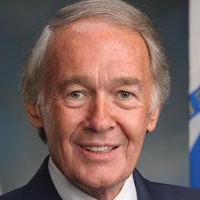
The GLOBE Act of 2025 establishes comprehensive U.S. policy to protect and advance the human rights of LGBTQI people globally through diplomatic action, sanctions, foreign assistance, and immigration reform.
Edward Markey
Senator
MA
Edward Markey
Senator
MA
The GLOBE Act of 2025 establishes a comprehensive U.S. policy to promote and protect the human rights of LGBTQI people globally. It mandates increased State Department reporting on international abuses, implements sanctions against foreign individuals responsible for such violations, and directs foreign assistance to support LGBTQI rights defenders. Furthermore, the Act reforms immigration procedures to better protect LGBTQI asylum seekers and ensures non-discrimination for LGBTQI U.S. citizens serving abroad.
This Act authorizes the Treasury to mint and sell commemorative gold, silver, and clad coins in 2029 to honor the history and service of the U.S. Foreign Service, with surcharges benefiting the Association for Diplomatic Studies and Training.

Dan Sullivan
Senator
AK
Dan Sullivan
Senator
AK
This Act authorizes the Secretary of the Treasury to mint and issue a limited series of commemorative gold, silver, and clad coins to honor the history and service of the United States Foreign Service. The coins must be issued in 2029, with designs approved after consultation with the Association for Diplomatic Studies and Training. All surcharges collected from the sale of these coins will be directed to that Association to support its mission of preserving diplomatic history. The Treasury must fully recover all production and issuance costs before any surcharge funds are distributed.
This resolution officially recognizes June 2025 as LGBTQ Pride Month to honor the community's history, acknowledge ongoing struggles, and celebrate their contributions to the nation.

Tina Smith
Senator
MN
Tina Smith
Senator
MN
This resolution officially recognizes June 2025 as LGBTQ Pride Month to honor the history, struggles, and significant contributions of the LGBTQ community in the United States. It acknowledges past and ongoing discrimination while celebrating key legal milestones toward equality. The Senate encourages the nation to use this month to learn about inequality and celebrate the community's achievements both domestically and globally.
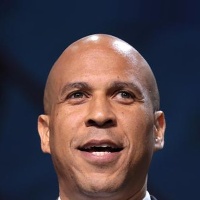
This bill establishes federal funding and programs through HHS and the Department of Labor to support community-based violence intervention and provide job training for opportunity youth in high-violence areas.
Cory Booker
Senator
NJ
Cory Booker
Senator
NJ
The Break the Cycle of Violence Act establishes a comprehensive federal strategy to reduce community violence through non-carceral, evidence-based interventions. Title I creates a new grant program within HHS to fund local violence intervention programs focused on high-risk individuals and trauma-responsive care. Title II authorizes $1.5 billion in Department of Labor grants to fund year-round job training and workforce development specifically for opportunity youth in high-violence areas. Overall, the bill directs significant federal resources toward community-led solutions that prioritize public health, economic opportunity, and violence reduction.
The Canyons Law prohibits the use of M44 cyanide predator control devices on all public lands and mandates the removal of any existing devices within 30 days.
Jeff Merkley
Senator
OR
Jeff Merkley
Senator
OR
Canyon's Law prohibits the use of M44 cyanide predator control devices on all public lands due to their extreme toxicity and documented risk to humans and non-target wildlife. The bill mandates the immediate removal of any existing M44 devices within 30 days of enactment. This action is deemed necessary because these devices frequently injure people and kill protected species, despite their low success rate against target animals.
The Equal Dignity for Married Taxpayers Act of 2025 systematically updates the Internal Revenue Code to use gender-neutral language when referring to married couples and spouses, without altering existing tax rules.

Ron Wyden
Senator
OR
Ron Wyden
Senator
OR
The Equal Dignity for Married Taxpayers Act of 2025 is a legislative update designed to modernize the Internal Revenue Code by ensuring gender-neutral language is used when referencing married taxpayers and their spouses. This bill systematically replaces outdated gendered terms like "husband and wife" or "his" with inclusive terms such as "married couple" and "spouse." The changes are purely linguistic, ensuring consistency across tax rules without altering any existing tax liabilities or deductions.
This Act extends the deadline for certain legally married couples to amend past tax filings to claim joint filing benefits based on Revenue Ruling 2013-17.

Elizabeth Warren
Senator
MA
Elizabeth Warren
Senator
MA
The Refund Equality Act of 2025 extends the deadline for certain legally married couples to amend past tax returns filed separately before September 16, 2013, based on Revenue Ruling 2013-17. This allows these couples to now file jointly for those years, extending the statute of limitations for filing the joint return and claiming related refunds or credits. These extensions are strictly limited to changes resulting from recognizing their marital status for federal tax purposes.
This act prohibits the intentional sharing of digital files that program 3D printers to manufacture firearms or essential firearm components.
Edward Markey
Senator
MA
Edward Markey
Senator
MA
The 3D Printed Gun Safety Act of 2025 aims to prevent the proliferation of untraceable firearms manufactured using 3D printing technology. This legislation makes it illegal to intentionally distribute digital files or instructions online that can program a device to manufacture a complete firearm or key firearm components. The goal is to preserve existing gun tracing capabilities and enhance public safety against the threat of ghost guns.
This resolution officially commemorates June 19, 2025, as Juneteenth National Independence Day to honor the emancipation of enslaved people in the Southwestern States.

John Cornyn
Senator
TX
John Cornyn
Senator
TX
This resolution officially commemorates June 19, 2025, as "Juneteenth National Independence Day." It recognizes the historical significance of June 19, 1865, when enslaved people in the Southwest finally received news of their freedom. The resolution supports the nationwide celebration of this day as a vital part of American history and heritage.
This bill amends federal work-study programs to allow students to use funds for child development and early learning services, while establishing specific supervision and compliance requirements for students working in Head Start and Early Head Start programs.

Kirsten Gillibrand
Senator
NY
Kirsten Gillibrand
Senator
NY
The Head Start for Our Future Act amends federal work-study rules to explicitly allow students to use their funds for child development and early learning services, such as supporting Head Start programs. This legislation ensures that institutions placing work-study students in these roles guarantee program compliance with existing Head Start Act requirements. Furthermore, it establishes specific supervision rules for work-study students in Head Start and Early Head Start, mandating that they must always be supervised by paid staff and cannot count toward required staff-to-child ratios.
This bill prohibits firearm companies from marketing guns and related accessories to minors through specific advertising restrictions enforced by the FTC, state attorneys general, and private citizens.
Edward Markey
Senator
MA
Edward Markey
Senator
MA
The Protecting Kids from Gun Marketing Act prohibits firearm manufacturers and dealers from advertising or marketing guns and related gear in ways that appeal to minors under 18. The Federal Trade Commission (FTC) is tasked with creating specific rules banning tactics like using cartoons or offering free merchandise to children. This act grants the FTC, State Attorneys General, and harmed individuals the authority to enforce these new marketing restrictions in federal court.
The Keeping Gun Dealers Honest Act of 2025 increases federal oversight and penalties for licensed firearms dealers through more frequent inspections, harsher sentencing for violations, and new authority for license revocation and inventory checks.
Edward Markey
Senator
MA
Edward Markey
Senator
MA
The Keeping Gun Dealers Honest Act of 2025 significantly increases federal oversight and penalties for licensed firearms dealers. This bill allows for more frequent compliance inspections, raises maximum prison sentences for license violations, and grants the Attorney General new authority to deny licenses based on public safety concerns. Furthermore, it mandates stricter recordkeeping enforcement and requires the ATF to report on the implementation of these new measures.
The Women’s Health Protection Act of 2025 establishes a federal right to access abortion services without medically unnecessary state restrictions and protects the right to travel for care.

Tammy Baldwin
Senator
WI
Tammy Baldwin
Senator
WI
The Women’s Health Protection Act of 2025 establishes a federal right to access abortion services without facing state-imposed restrictions that are not medically necessary for comparable procedures. This Act prohibits states from enacting targeted regulations that create hurdles for abortion access, protects the right to travel out of state for care, and allows individuals and the Attorney General to sue to enforce these protections. Ultimately, the bill aims to ensure equitable access to reproductive healthcare decisions based on a provider's good-faith medical judgment.
The Jury ACCESS Act of 2025 explicitly prohibits exclusion from federal juries based on an individual's sexual orientation or gender identity.

Jeanne Shaheen
Senator
NH
Jeanne Shaheen
Senator
NH
The Jury ACCESS Act of 2025 explicitly prohibits the exclusion of citizens from serving on federal juries based on their sexual orientation or gender identity. This amendment updates existing federal law to ensure equality in jury service selection. The bill ensures that all capable citizens have the right to serve, regardless of their identity.
The MONARCH Act of 2025 establishes a dedicated fund and grant program to support critical conservation efforts aimed at preventing the extinction of the rapidly declining western monarch butterfly population.
Jeff Merkley
Senator
OR
Jeff Merkley
Senator
OR
The MONARCH Act of 2025 addresses the critical decline of the western monarch butterfly population, which faces imminent extinction due to habitat loss and climate change. This bill establishes the Western Monarch Butterfly Rescue Fund to provide dedicated grants for conservation projects focused on restoring milkweed and protecting overwintering sites. Furthermore, it mandates the annual updating and implementation of the existing Western Monarch Butterfly Conservation Plan. Ultimately, the Act aims to rapidly deploy resources to ensure the recovery and survival of this vital pollinator.
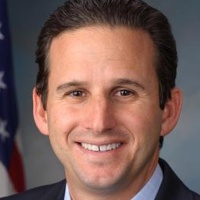
This act establishes a gradually increasing federal tax on most financial securities transactions occurring in the U.S. or involving U.S. persons, starting in 2026.
Brian Schatz
Senator
HI
Brian Schatz
Senator
HI
The Wall Street Tax Act of 2025 establishes a new federal tax on covered financial trading transactions involving securities and derivatives. This transaction tax rate will gradually increase from 0.02 percent in 2026 to 0.1 percent by 2030. The responsibility for paying the tax falls on exchanges, brokers, or the involved parties, depending on how the trade is executed. The bill also includes specific rules for foreign corporations and provides detailed definitions and exceptions for what constitutes a taxable security or derivative.