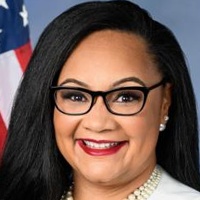
Legislative Activity
Track Nikema's sponsored bills, co-sponsored legislation, and voting record
This bill impeaches President Donald John Trump for high crimes and misdemeanors, citing abuse of power through threats against members of Congress and the judiciary.
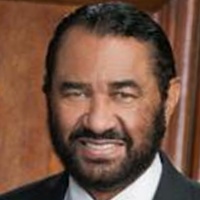
Al Green
Representative
TX
Al Green
Representative
TX
This resolution impeaches President Donald John Trump for high crimes and misdemeanors, citing an abuse of power. The charges specifically allege that the President threatened members of Congress with execution and fostered a climate of violence against federal judges. These actions are deemed a reckless abuse of presidential power that undermines democracy and the rule of law. The resolution calls for the Senate to hold a trial for his removal from office.
This act prohibits federal law enforcement from executing no-knock warrants and bars state and local agencies receiving DOJ funds from using them.
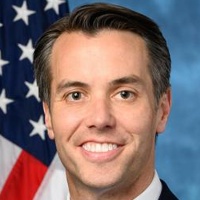
Morgan McGarvey
Representative
KY
Morgan McGarvey
Representative
KY
The Justice for Breonna Taylor Act aims to prohibit the use of no-knock warrants by federal law enforcement officers, requiring them to announce their presence before entry. Furthermore, it conditions federal funding for state and local law enforcement agencies on their compliance with the same no-knock warrant prohibition. This legislation seeks to increase accountability and safety during warrant executions.
This bill officially names the World War II Women's Memorial at Arlington National Cemetery and adjusts location restrictions for a related commemorative work in Washington, D.C.

Debbie Dingell
Representative
MI
Debbie Dingell
Representative
MI
This Act officially names the memorial at the entrance to Arlington National Cemetery as the "World War II Women's Memorial." It also designates this memorial as a "commemorative work" under existing federal law. Furthermore, the bill allows a specific World War II home front women's commemorative work to be placed in designated areas within Washington, D.C., overriding standard location restrictions.
This bill establishes a 20% excise tax, dubbed the "ROBINHOOD Act," on certain secured business loans taken out by high-income individuals (AGI over $400,000).

Dan Goldman
Representative
NY
Dan Goldman
Representative
NY
The ROBINHOOD Act establishes a new 20 percent excise tax on certain secured business loans and lines of credit exceeding $400,000 in adjusted gross income. This tax applies when the loan is secured by capital assets, excluding residential mortgages and farmland loans. The borrower is responsible for paying this annual tax to the Treasury.
This Act establishes a "Mega-Decade Sports Diplomacy Strategy" to leverage major U.S.-hosted sporting events between 2024 and 2034 to enhance America's global standing and diplomatic ties through a newly established Office of Sports Diplomacy.
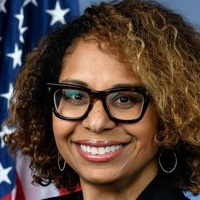
Sydney Kamlager-Dove
Representative
CA
Sydney Kamlager-Dove
Representative
CA
The American Decade of Sports Act establishes a "Mega-Decade Sports Diplomacy Strategy" to leverage major international sporting events hosted in the U.S. between 2024 and 2034 to enhance America's global standing. This requires the State Department to create comprehensive 5-year plans detailing diplomatic goals, partnerships, and visa facilitation efforts. Furthermore, the Act mandates the creation of a dedicated Office of Sports Diplomacy to coordinate and execute these strategy objectives across government and private sectors. The Secretary of State must provide annual progress reports to Congress on the implementation of these goals until the end of 2034.
The Dignity for Detained Immigrants Act establishes comprehensive standards, rigorous oversight, and new custody procedures to ensure humane treatment and due process for all noncitizens detained by the Department of Homeland Security, while phasing out for-profit detention facilities.
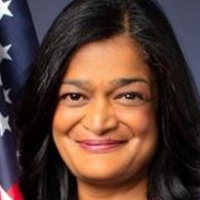
Pramila Jayapal
Representative
WA
Pramila Jayapal
Representative
WA
The Dignity for Detained Immigrants Act aims to overhaul immigration detention by establishing mandatory, high standards based on ABA guidelines and increasing transparency through rigorous, unannounced inspections. The bill prohibits the use of private, for-profit detention facilities within three years and ends the mandatory detention of most noncitizens, prioritizing release or community-based alternatives. Furthermore, it establishes new due process rights, including timely custody hearings, a presumption of release, and prohibitions on detaining children or using solitary confinement.
This act prohibits individuals convicted of a misdemeanor hate crime or who received an enhanced sentence due to hate or bias from obtaining or possessing firearms.
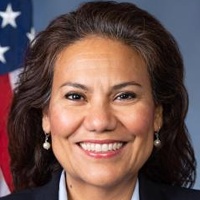
Veronica Escobar
Representative
TX
Veronica Escobar
Representative
TX
The Disarm Hate Act prohibits individuals convicted of a misdemeanor hate crime, or who received an enhanced sentence for a misdemeanor due to hate or bias, from obtaining or possessing firearms. This legislation specifically targets misdemeanor offenses involving threats or force motivated by bias against protected characteristics. The bill also makes it illegal for others to sell or transfer firearms to these prohibited persons.
This bill amends House rules to require a 60% supermajority vote of those present and voting to censure, disapprove of, or remove a Member, Delegate, or Resident Commissioner from committee.
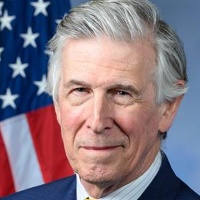
Donald Beyer
Representative
VA
Donald Beyer
Representative
VA
This bill proposes amending the House Rules to increase the threshold required for disciplinary action against a Member, Delegate, or Resident Commissioner. Specifically, it mandates that a supermajority of at least 60% of votes cast must support any resolution for censure, disapproval, or removal from committee membership. This change establishes a higher bar for imposing these specific forms of House discipline.
This act establishes a grant program to fund diabetes treatment and prevention services in medically underserved urban and rural communities.
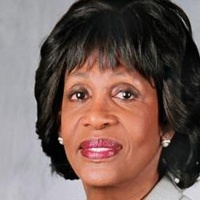
Maxine Waters
Representative
CA
Maxine Waters
Representative
CA
The Urban and Rural Diabetes Initiative Act establishes a new grant program to improve diabetes treatment access in medically underserved urban and rural areas. This funding supports eligible health providers in offering comprehensive diabetes care, including routine treatment, education, and specialized services like eye and foot care. The Secretary of Health and Human Services will award these grants, ensuring equitable distribution across both urban and rural communities.
This resolution recognizes the epidemic of violence against transgender people, memorializes those lost this year, and calls for action to ensure their safety and dignity.
Pramila Jayapal
Representative
WA
Pramila Jayapal
Representative
WA
This resolution supports the goals of Transgender Day of Remembrance by recognizing the ongoing epidemic of violence targeting transgender people, particularly transgender women of color. It memorializes the lives lost this year and highlights the systemic barriers, including discrimination and lack of healthcare access, faced by the transgender community. The bill calls for urgent action from the government to protect these lives through inclusive legislation and policies that ensure dignity and respect for all individuals.
This act exempts small businesses from duties imposed under Executive Order 14257 and mandates refunds for any such duties already paid.
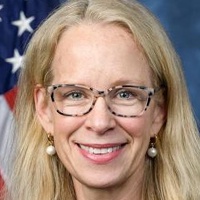
Kelly Morrison
Representative
MN
Kelly Morrison
Representative
MN
The Small Business RELIEF Act exempts qualified small businesses from duties imposed under Executive Order 14257. It also mandates that the President refund any such duties already paid by small businesses within 90 days of enactment. This legislation aims to provide economic fairness and relief to small importers.
This Act prohibits discrimination based on religion, sex, or marital status in federally funded child welfare services to improve outcomes for all children, especially LGBTQ youth.
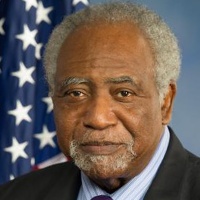
Danny Davis
Representative
IL
Danny Davis
Representative
IL
The John Lewis Every Child Deserves a Family Act prohibits discrimination based on religion, sex, or marital status in federally funded child welfare services. This aims to increase the number of stable, family-like placements for children, especially for LGBTQ youth who are overrepresented in foster care. The bill mandates federal guidance, training, and data collection to improve safety and well-being outcomes for all children involved in the system.
The EXPERTS Act of 2025 aims to reform federal rulemaking by increasing transparency around submitted studies, establishing new disclosure requirements for conflicts of interest, streamlining agency review timelines, and creating an Office of the Public Advocate focused on social equity.
Pramila Jayapal
Representative
WA
Pramila Jayapal
Representative
WA
The EXPERTS Act of 2025 aims to enhance transparency and accountability in the federal rulemaking process. It introduces new disclosure requirements for studies submitted during public comment periods and mandates greater public awareness of agency actions. Furthermore, the bill establishes the Office of the Public Advocate to improve public involvement and explicitly requires agencies to consider social equity in their cost-benefit analyses. Finally, it streamlines the Office of Information and Regulatory Affairs (OIRA) review timeline and clarifies judicial review standards for agency interpretations.
This bill directs the Department of Defense to establish a pilot program partnering basic needs banks with military installations to provide essential diapers and diapering supplies to military families.
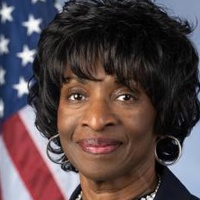
Valerie Foushee
Representative
NC
Valerie Foushee
Representative
NC
This bill directs the Secretary of Defense to establish a pilot program creating partnerships between military installations and qualified basic needs banks. The goal of this program is to provide essential diapers and diapering supplies to military families in need. The Secretary must also seek collaboration with the National Diaper Bank Network for technical assistance and program evaluation.
This bill establishes sanctions against foreign individuals responsible for human rights violations against LGBTQI people and mandates enhanced tracking and reporting of such abuses in annual human rights reports.
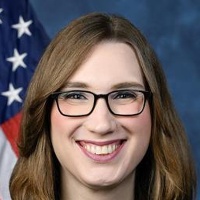
Sarah McBride
Representative
DE
Sarah McBride
Representative
DE
The Global Respect Act aims to promote and protect the human rights of LGBTQI individuals worldwide. It mandates the President to identify and report foreign persons responsible for human rights violations against LGBTQI people, leading to their inadmissibility to the United States. Furthermore, the Act requires enhanced tracking and reporting of violence and discrimination targeting individuals based on sexual orientation, gender identity, or sex characteristics in the annual human rights reports.
This Act prohibits rental property owners from engaging in coordinated activities that effectively fix or influence rental prices, treating such coordination as an illegal restraint of trade under existing antitrust laws.
Becca Balint
Representative
VT
Becca Balint
Representative
VT
The End Rent Fixing Act of 2025 prohibits rental property owners from hiring coordinators or engaging in activities that involve collecting, analyzing, or recommending rental prices or terms across multiple properties. This coordinated activity is deemed an unlawful restraint of trade under existing antitrust laws. The bill grants enforcement power to the FTC, the Attorney General, and State Attorneys General, while also allowing injured persons to sue for treble damages. Furthermore, it lowers the pleading standard for civil lawsuits brought under this Act and related antitrust claims.
This act repeals specific sections of a prior reconciliation act to restore previous laws affecting American families and farmers.
Jahana Hayes
Representative
CT
Jahana Hayes
Representative
CT
The Restoring Food Security for American Families and Farmers Act of 2025 aims to strengthen domestic food security by repealing specific sections of a prior reconciliation act. This action effectively revives the original laws that were previously amended by the repealed provisions. The bill seeks to revert existing agricultural and food-related statutes to their pre-amendment status.
This bill establishes a permanent Special Envoy for the Human Rights of LGBTQI+ Peoples within the Department of State to advance U.S. policy countering global criminalization, violence, and discrimination against LGBTQI+ individuals.
Robert Garcia
Representative
CA
Robert Garcia
Representative
CA
This bill, the International Human Rights Defense Act of 2025, establishes a permanent Special Envoy for the Human Rights of LGBTQI+ Peoples within the Department of State. It codifies U.S. policy to actively combat international criminalization, violence, and discrimination against LGBTQI+ individuals worldwide. The legislation also mandates enhanced reporting on these abuses in annual human rights reports and authorizes assistance to support related protection efforts abroad.
This resolution expresses support for designating November as Prematurity Awareness Month to highlight the urgent maternal and infant health crisis and the need to prevent preterm births.
Jennifer McClellan
Representative
VA
Jennifer McClellan
Representative
VA
This resolution expresses support for designating November as Prematurity Awareness Month to highlight the ongoing maternal and infant health crisis in the U.S. It draws attention to alarming rates of preterm birth and unacceptable racial disparities in maternal and infant mortality. The bill advocates for increased investment in research and public health programs to prevent preterm births and reduce associated risk factors.
The VA Work-Study Improvement Act expands eligible work-study activities, clarifies minimum wage standards, mandates electronic timesheets, and requires annual publication of program data.
April McClain Delaney
Representative
MD
April McClain Delaney
Representative
MD
The VA Work-Study Improvement Act expands approved work-study locations to include state/local government agencies and nonprofits that benefit veterans. It establishes a clear standard for the minimum hourly wage paid to participants and mandates the use of electronic timesheets. Furthermore, the bill requires the VA to annually publish detailed data regarding the work-study program's activities and participants.