Legislative Activity
Track Jill's sponsored bills, co-sponsored legislation, and voting record
This bill establishes the Smithsonian American Women's History Museum, designates its site on the National Mall, and sets requirements for its mission, construction, and diverse representation of viewpoints.
Nicole Malliotakis
Representative
NY
Nicole Malliotakis
Representative
NY
This act officially establishes the Smithsonian American Women’s History Museum and designates its location on the National Mall, requiring the transfer of land jurisdiction to the Smithsonian Institution. The museum is mandated to preserve and present the history and achievements of biological women in the United States. Furthermore, the legislation requires that exhibits and programs reflect diverse political viewpoints and authentic experiences of women, as guided by a broad array of knowledgeable sources.
The All Students Count Act of 2026 mandates that schools disaggregate student performance data for Asian American, Native Hawaiian, and Pacific Islander communities into specific ethnic subgroups to better address their diverse educational needs.
Pramila Jayapal
Representative
WA
Pramila Jayapal
Representative
WA
The All Students Count Act of 2026 aims to address educational disparities among diverse Asian American, Native Hawaiian, and Pacific Islander (AANHPI) communities. This bill amends the Elementary and Secondary Education Act to mandate the disaggregation of student performance data into specific ethnic subgroups for AANHPI students. By requiring more detailed reporting, the Act seeks to accurately identify and support the unique educational needs of these varied populations.
This bill expands Medicare Part B coverage to reimburse for specific pharmacist services related to testing and treatment for certain public health threats, effective January 1, 2026.
Adrian Smith
Representative
NE
Adrian Smith
Representative
NE
The Ensuring Community Access to Pharmacist Services Act expands Medicare Part B coverage to include services provided by pharmacists starting January 1, 2026. This coverage is specifically for testing or treatment related to COVID-19, the flu, RSV, strep throat, or during a declared public health emergency. The bill outlines payment structures, generally covering 80% of the cost, and prohibits pharmacists from balance billing Medicare patients for these covered services.
This act prohibits a sitting President from filing civil lawsuits against the United States and voids the settlement agreement in *Trump v. Internal Revenue Service*, banning federal funds for such settlements.
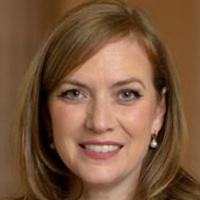
Lizzie Fletcher
Representative
TX
Lizzie Fletcher
Representative
TX
This Act prohibits a sitting President from filing civil lawsuits against the United States. It also voids the settlement agreement in the specific case of *Trump v. Internal Revenue Service*. Furthermore, the bill bans the use of federal funds to establish any compensation fund to settle civil actions brought by a President or former President against the U.S.
This bill prohibits the U.S. Postal Service from finalizing or enforcing the proposed rule regarding the mailing of concealable firearms.
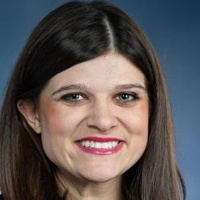
Haley Stevens
Representative
MI
Haley Stevens
Representative
MI
This bill, the Keep Illegal Handguns Out of the Mail Act of 2026, prevents the United States Postal Service from enacting or enforcing a proposed rule that would change the standards for mailing concealable firearms. In essence, it blocks the USPS from implementing new regulations regarding the mailing of handguns.
This bill nullifies a specific Endangered Species Committee decision regarding Gulf of America Oil and Gas Activities while maintaining pre-existing Endangered Species Act requirements and imposing a three-year ban on new exemptions for those activities.
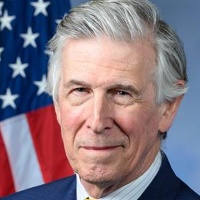
Donald Beyer
Representative
VA
Donald Beyer
Representative
VA
This bill nullifies a specific decision and order from the Endangered Species Committee regarding certain oil and gas activities. It also imposes a three-year ban on the Committee issuing new exemptions for these activities under the Endangered Species Act. Importantly, all pre-existing Endangered Species Act requirements remain fully in effect for these activities.
This Act establishes new grant programs, improves agency coordination, and authorizes funding to enhance the control, prevention, and rapid response to aquatic invasive species.
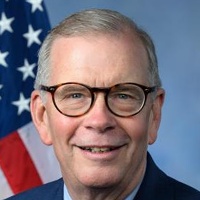
Tim Walberg
Representative
MI
Tim Walberg
Representative
MI
The Aquatic Invasive Species Control and Prevention Act of 2026 strengthens federal efforts to combat invasive species by establishing new grant programs for technology development and rapid response. The bill enhances coordination across federal and regional agencies through the expansion of the Aquatic Nuisance Species Task Force. It also mandates studies and plans for improving watercraft inspection, monitoring high-risk waterways, and updating management strategies. Finally, it allows existing mitigation grants to support the installation of advanced ballast water management systems.
This bill ensures rural hospitals can maintain Critical Access Hospital status by excluding labor and delivery beds from the acute care inpatient bed count for Medicare purposes.
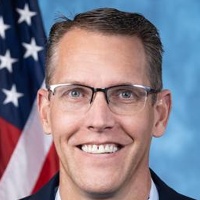
Randy Feenstra
Representative
IA
Randy Feenstra
Representative
IA
The Rural MOMS Act of 2026 aims to support maternity care in small rural hospitals. This bill amends Medicare rules to exclude beds used only for labor and delivery from the acute care inpatient bed count for Critical Access Hospitals. This change allows these vital rural facilities to maintain their special status while continuing to offer essential maternity services.
This bill supports designating May 29, 2026, as "Mental Health Awareness in Agriculture Day" to raise awareness and reduce stigma surrounding mental health in the agricultural industry.
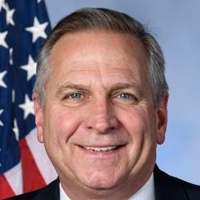
Mike Bost
Representative
IL
Mike Bost
Representative
IL
This bill supports designating May 29, 2026, as "Mental Health Awareness in Agriculture Day." The goal is to raise awareness about the unique mental health challenges faced by the agricultural industry and workforce. It also aims to continue reducing the stigma associated with mental illness in this vital sector.
This resolution calls for a fundamental shift in U.S. trade policy to prioritize the interests of workers, farmers, small businesses, and the environment over corporate gains.
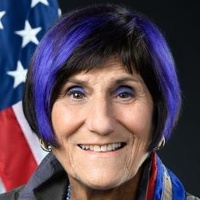
Rosa DeLauro
Representative
CT
Rosa DeLauro
Representative
CT
This resolution calls for a fundamental shift in U.S. trade policy to prioritize American workers, family farmers, and domestic production over corporate interests. It asserts that decades of corporate-centered trade have harmed communities and calls for a new framework built on strong labor, environmental, and domestic manufacturing standards. The bill demands that future trade policy actively support fair wages, strengthen "Buy America" requirements, and penalize offshoring.
This resolution expresses support for designating the last full week of May as Wildfire Preparedness Week to promote public education on fire safety and community preparedness.
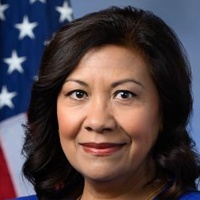
Norma Torres
Representative
CA
Norma Torres
Representative
CA
This resolution expresses support for designating the last full week of May as "Wildfire Preparedness Week." The initiative aims to raise public awareness about the growing threat of wildfires and promote essential educational programs on fire safety and community preparedness. It encourages preventative measures, such as evacuation planning and responsible land management, to reduce human-caused fires.
This bill congratulates the University of Hawaii men's volleyball team for winning the 2026 NCAA Championship.
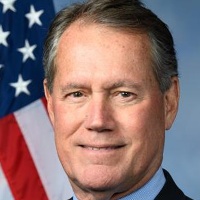
Ed Case
Representative
HI
Ed Case
Representative
HI
This resolution congratulates the University of Hawaii men's volleyball team for winning the 2026 NCAA Championship. It honors the team and Coach Charlie Wade for securing the program's third national title. The bill also recognizes the team's record-breaking season and the excitement they brought to the state.
This act mandates the Department of Veterans Affairs to establish agreements to provide essential telehealth and mail-order pharmacy health services to veterans residing in the Freely Associated States.
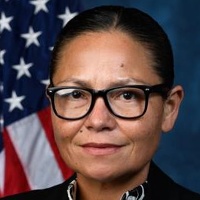
Kimberlyn King-Hinds
Representative
MP
Kimberlyn King-Hinds
Representative
MP
The U.S. Vets of the FAS Act mandates that the Department of Veterans Affairs furnish essential health services to veterans residing in the Freely Associated States. This requires the VA Secretary to quickly establish agreements to provide telehealth services and mail-order pharmaceuticals to these veterans. The bill sets a one-year timeline for implementing these services and requires regular reporting on progress and costs.
This resolution designates specific dates to honor law enforcement officers killed in the line of duty and expresses support for all officers.
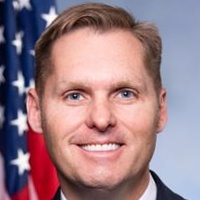
Michael Guest
Representative
MS
Michael Guest
Representative
MS
This resolution officially designates May 15, 2026, as Peace Officers Memorial Day and the week of May 10-16, 2026, as National Police Week. It honors the service and sacrifice of law enforcement officers killed in the line of duty, specifically recognizing 363 officers lost in 2025. The bill expresses unwavering support for law enforcement and acknowledges the need for proper resources to ensure officer safety.
This bill affirms the strong U.S.-South Korea alliance, emphasizing its importance for security, economic growth, and shared values, while also recognizing the contributions of Korean Americans. It supports stronger ties and celebrates Korean culture.
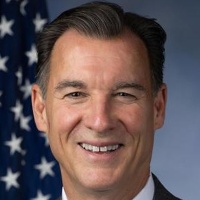
Thomas Suozzi
Representative
NY
Thomas Suozzi
Representative
NY
This bill reaffirms the strong alliance between the United States and the Republic of Korea, emphasizing its importance for security, economic growth, and shared values. It recognizes the deep economic ties, the contributions of Korean Americans, and continued commitment to the Mutual Defense Treaty. The bill also supports strengthening security, economic, and cultural bonds between the two nations, and celebrates Korean Culture-Kimchi Day.
This act establishes universal free breakfast and lunch programs in schools, eliminates meal debt, and updates poverty metrics across various federal education and nutrition programs.
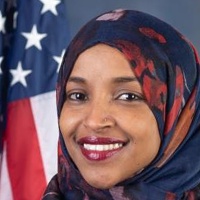
Ilhan Omar
Representative
MN
Ilhan Omar
Representative
MN
The Universal School Meals Program Act of 2026 establishes permanent, universal free breakfast and lunch programs for all enrolled students at participating schools, eliminating income tests and meal debt collection. The bill significantly updates federal funding mechanisms by replacing reliance on free and reduced-price lunch data with new measures for identifying economically disadvantaged students across various education and social programs. Furthermore, it expands access to summer and afterschool meals while making technical amendments across several federal education and nutrition laws.
This resolution condemns attacks on civilians in Sudan, demands an end to external support for the warring parties, and calls for efforts to negotiate a settlement to the civil war.
Pramila Jayapal
Representative
WA
Pramila Jayapal
Representative
WA
This resolution condemns the devastating attacks on civilians in the Sudanese civil war and calls for an immediate end to external support fueling the conflict. It urges all parties to cease hostilities and demands robust international efforts to negotiate a settlement leading to civilian-led democratic governance. The bill emphasizes the urgent need to address the massive humanitarian crisis and hold perpetrators of atrocities accountable.
This bill establishes the Combating Organized Retail Crime Act of 2025 to enhance federal prosecution tools against organized retail and supply chain crime and create a DHS-led coordination center to align law enforcement efforts.
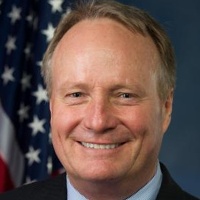
David Joyce
Representative
OH
David Joyce
Representative
OH
The Combating Organized Retail Crime Act of 2025 aims to combat sophisticated, cross-jurisdictional organized retail and supply chain theft. It achieves this by strengthening federal laws regarding money laundering and stolen property offenses, including lowering monetary thresholds for prosecution. Furthermore, the bill establishes a dedicated Center within the Department of Homeland Security to coordinate federal, state, and local enforcement efforts against these criminal organizations.
This bill mandates that companies registering securities on U.S. exchanges must disclose their use of goods or materials linked to forced labor in the Xinjiang Uyghur Autonomous Region, subject to independent verification and public availability.
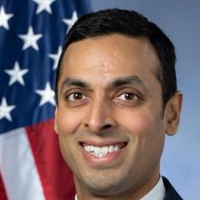
Suhas Subramanyam
Representative
VA
Suhas Subramanyam
Representative
VA
The Uyghur Forced Labor Disclosure Act requires companies listing securities on U.S. exchanges to disclose their supply chain links to goods produced using forced labor in the Xinjiang Uyghur Autonomous Region (XUAR). This mandates detailed public reporting, independent verification of sourcing documentation, and penalties for noncompliance. These disclosure requirements are set to be repealed after eight years or sooner if the President certifies that China has ended human rights abuses in the region.
This act prohibits the use of federal funds for military action in or against Iran through 2026 unless Congress formally declares war or authorizes such force.
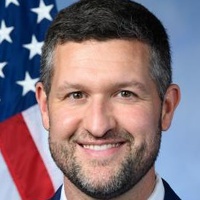
Patrick Ryan
Representative
NY
Patrick Ryan
Representative
NY
The No Funds for Iran War Act prohibits the use of federal funds for military action in or against Iran through the end of 2026. This ban remains in effect unless Congress formally declares war or passes a specific authorization for military force. Exceptions are made only for actions consistent with the War Powers Resolution or necessary self-defense against an imminent attack.