Legislative Activity
Track Dina's sponsored bills, co-sponsored legislation, and voting record
This act ensures that state and local funds used to keep Head Start and Early Head Start programs running during a federal government shutdown are fully reimbursed.
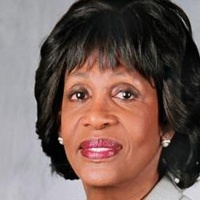
Maxine Waters
Representative
CA
Maxine Waters
Representative
CA
The Head Start Shutdown Protection Act of 2025 ensures that states, local governments, or school districts are reimbursed for any of their own funds used to keep Head Start and Early Head Start programs operational during a lapse in federal appropriations. This legislation protects these vital early childhood education services from disruption caused by government shutdowns. By guaranteeing reimbursement, the Act encourages local entities to maintain program continuity without bearing the financial burden.
This Act mandates recordkeeping for distributors of highly pathogenic agents and requires strategic evaluations and new standards for high-containment laboratories to protect public health and national security.

Jim Costa
Representative
CA
Jim Costa
Representative
CA
The Preventing Illegal Laboratories and Protecting Public Health Act of 2025 establishes new federal requirements for tracking the transfer of highly pathogenic biological agents by requiring distributors to maintain detailed sales logs. It also mandates a comprehensive, ongoing evaluation of all high-containment laboratories (BSL-3 and above) to assess national biosafety and biosecurity readiness. The bill further directs the creation of a centralized team to coordinate oversight and provide resources to state and local agencies regarding lab safety. Finally, it requires a study on establishing a national database of these high-containment facilities.
This resolution expresses the House of Representatives' support for designating the second Monday in October 2025 as "Indigenous Peoples' Day" to honor the history, culture, and contributions of Indigenous Peoples.
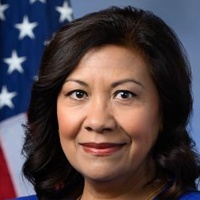
Norma Torres
Representative
CA
Norma Torres
Representative
CA
This resolution expresses the strong support of the House of Representatives for designating the second Monday in October 2025 as "Indigenous Peoples' Day." It aims to formally recognize and honor the history, culture, and enduring contributions of Indigenous Peoples in the United States. The measure encourages public observance and supports the eventual establishment of this day as an official Federal holiday.
This Act ensures the Transportation Security Administration (TSA) can continue its operations during a government funding lapse by utilizing prior-year unobligated balances at the previous spending rate.

Debbie Dingell
Representative
MI
Debbie Dingell
Representative
MI
The Keep Air Travel Safe Act ensures the Transportation Security Administration (TSA) can continue all essential operations during a Congressional funding lapse. It allows the TSA Administrator to use unobligated prior-year funds to maintain activities at the previous year's spending rate. This temporary funding remains active until a new budget is passed or for a maximum of 180 days.
This Act mandates that all states must operate the WIC program and guarantees necessary funding through permanent appropriation starting in fiscal year 2026.
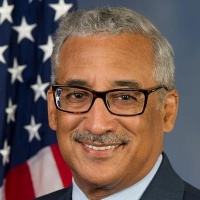
Robert Scott
Representative
VA
Robert Scott
Representative
VA
The WIC Benefits Protection Act mandates that all states must operate the Special Supplemental Nutrition Program for Women, Infants, and Children (WIC). This legislation also guarantees permanent, mandatory funding for WIC starting in fiscal year 2026, ensuring the program has the necessary resources annually. Furthermore, it clarifies eligibility language within the program's governing statute.
The FAST Justice Act allows federal employees or job applicants to file a civil lawsuit in district court if the Merit Systems Protection Board (MSPB) fails to decide their appeal within 120 days.
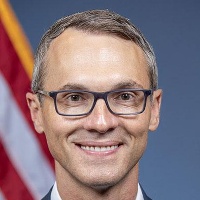
James Walkinshaw
Representative
VA
James Walkinshaw
Representative
VA
The Fair Access to Swift and Timely Justice Act, or FAST Justice Act, allows federal employees or job applicants to file a civil lawsuit in federal district court if the Merit Systems Protection Board (MSPB) fails to issue a decision on their appeal within 120 days. This provision provides an alternative remedy when the MSPB's review process causes undue delay. Filing a lawsuit pauses the MSPB appeal, but the original appeal rights remain intact if the lawsuit is dismissed.
This Act establishes strict evidence requirements for states to remove registered voters from the rolls for federal elections and mandates timely notification to those affected.
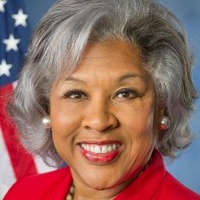
Joyce Beatty
Representative
OH
Joyce Beatty
Representative
OH
The Voter Purge Protection Act establishes strict new evidence requirements for states before they can remove registered voters from the rolls for federal elections. States must have objective proof that a voter is ineligible and cannot remove someone solely for not voting or failing to respond to a notice unless it was returned as undeliverable. If a voter is removed, the state must notify them within 48 hours with instructions on how to re-register.
This bill authorizes the Federal Government to reimburse states for using their own funds to maintain WIC program operations during a lapse in federal appropriations.
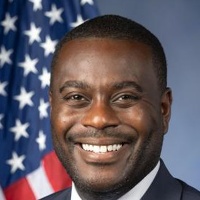
Gabe Amo
Representative
RI
Gabe Amo
Representative
RI
This bill ensures that states are reimbursed by the Federal Government for any state funds they use to maintain essential operations of the Special Supplemental Nutrition Program for Women, Infants, and Children (WIC) during a lapse in federal appropriations. It provides a mechanism for the Federal Government to pay back states that cover WIC costs during a government shutdown. This protects state budgets while keeping vital nutrition assistance running.
This Act mandates the creation of a high school curriculum, developed by the U.S. Holocaust Memorial Museum, detailing the antisemitism surrounding the Hamas October 7, 2023, terrorist attacks against Israel.
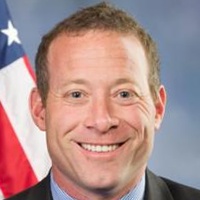
Josh Gottheimer
Representative
NJ
Josh Gottheimer
Representative
NJ
The October 7 Remembrance Education Act mandates the creation of a high school curriculum focused on the Hamas terrorist attacks against Israel on October 7, 2023. This educational tool must detail the attacks, explore the history of antisemitism leading up to them, and address the spread of related antisemitic rhetoric in the U.S. afterward. The curriculum will be developed by the Director of the U.S. Holocaust Memorial Museum and must adhere to established definitions of antisemitism.
This Act delays the effective date of any scheduled adjustment to the passenger rail liability cap until 90 days after public notice is given during the calendar year 2026.
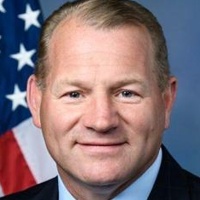
Troy Nehls
Representative
TX
Troy Nehls
Representative
TX
The Passenger Rail Liability Adjustment Act of 2025 modifies the effective date for scheduled adjustments to the liability cap for passenger rail services. Specifically, any liability cap change set to occur during calendar year 2026 will be delayed. The new cap amount will only take effect 90 days after the required public notice of the adjustment is officially issued.
This bill prohibits the termination or layoff of career federal civil service employees during a government shutdown due to a lapse in discretionary funding.
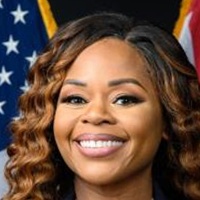
Sheila Cherfilus-McCormick
Representative
FL
Sheila Cherfilus-McCormick
Representative
FL
The Stop Stealing Our Jobs Act prohibits the President or agency heads from firing, laying off, or removing career civil service employees during a government shutdown caused by a lapse in discretionary funding. This protection ensures job security for the career federal workforce, while explicitly excluding political appointees from coverage. The bill clarifies definitions to specify which employees are shielded and which are not.
This bill requires federal financial regulators to create and quickly disseminate guidance encouraging lenders to offer flexible, fair accommodations to consumers and businesses impacted by a government shutdown.
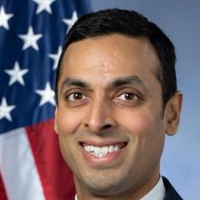
Suhas Subramanyam
Representative
VA
Suhas Subramanyam
Representative
VA
The Shutdown Guidance for Financial Institutions Act requires federal financial regulators to create and issue guidance for banks and lenders on how to support customers and businesses affected by a government shutdown. This guidance must encourage flexible loan adjustments and prevent unfair negative credit reporting for those experiencing income loss due to the lapse in funding. Regulators must also issue rapid alerts when a shutdown occurs and report on the effectiveness of the guidance afterward.
This resolution expresses support for recognizing October 2025 as Filipino American History Month to celebrate the rich history, culture, and significant contributions of Filipino Americans to the United States.
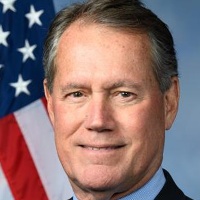
Ed Case
Representative
HI
Ed Case
Representative
HI
This resolution expresses strong support for recognizing October 2025 as Filipino American History Month. It celebrates the rich history, culture, and significant contributions of Filipino Americans across all sectors of U.S. society. The bill also calls for renewed efforts to study and educate the public about this vital, yet often overlooked, part of the American story.
This resolution expresses support for designating October 1, 2025, as "National Animal Rescue Day" to raise awareness, promote adoption, and encourage spaying and neutering efforts nationwide.
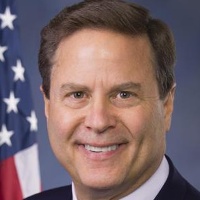
Donald Norcross
Representative
NJ
Donald Norcross
Representative
NJ
This resolution expresses support for designating October 1, 2025, as "National Animal Rescue Day." The goal is to raise awareness about the importance of animal adoption and the critical work of rescue organizations nationwide. This day aims to encourage spaying and neutering efforts to combat pet overpopulation and promote increased animal adoptions.
This bill ensures federal firefighters receive uninterrupted pay during fiscal year 2026 budget delays and protects them from layoffs during government shutdowns.
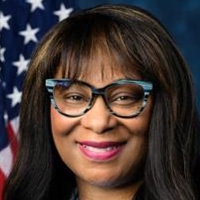
Janelle Bynum
Representative
OR
Janelle Bynum
Representative
OR
The Federal Firefighter Paycheck Protection Act ensures that federal firefighters continue to receive their pay and allowances if Congress delays passing the budget for fiscal year 2026. This legislation also prohibits the reduction in force or layoffs of federal firefighters specifically due to government shutdowns caused by funding lapses. Essentially, this bill protects the paychecks and employment stability of federal firefighters during budget uncertainty.
The Trust Through Transparency Act of 2025 mandates body camera usage for immigration enforcement agents, establishes specific video retention schedules, and requires annual public reporting on compliance and disciplinary actions.
Donald Norcross
Representative
NJ
Donald Norcross
Representative
NJ
The Trust Through Transparency Act of 2025 mandates that federal immigration enforcement agents wear body cameras during public-facing duties. The bill establishes specific rules for retaining video footage, generally requiring deletion after six months unless exceptions like use of force or a filed complaint apply. Furthermore, it requires annual public reporting to Congress on compliance and establishes an advisory panel to recommend best practices for camera usage and data management.
This Act establishes the National Gun Violence Research Program to fund comprehensive research, repeal data restrictions, and coordinate federal efforts to study and prevent gun violence.
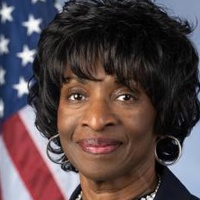
Valerie Foushee
Representative
NC
Valerie Foushee
Representative
NC
The National Gun Violence Research Act of 2025 aims to significantly increase federal research into the causes, consequences, and prevention of gun violence. This bill repeals previous restrictions that limited data collection and research by agencies like the ATF, CDC, and NIH. It establishes a new National Gun Violence Research Program to coordinate efforts, fund grants through agencies like the NSF and HHS, and develop voluntary safety standards through NIST.
This Act provides appropriations and mandates contract price adjustments to compensate federal contractor employees for losses incurred due to funding lapses or government shutdowns.
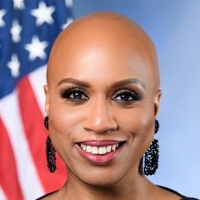
Ayanna Pressley
Representative
MA
Ayanna Pressley
Representative
MA
The Fair Pay for Federal Contractors Act of 2025 ensures that employees of federal contractors are compensated for losses incurred due to government funding lapses or shutdowns. It requires federal agencies to adjust existing contracts to cover reasonable costs associated with furloughs, pay cuts, or mandatory leave taken by contractor employees. The bill appropriates necessary funds to cover these contract price adjustments and mandates public reporting on the compensation provided.
This bill prohibits the removal of Federal employees during a lapse in discretionary appropriations, ensuring job security for civil servants during government shutdowns.
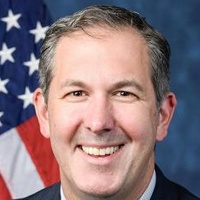
Johnny Olszewski
Representative
MD
Johnny Olszewski
Representative
MD
This bill prohibits federal agencies from removing civil service employees during any lapse in discretionary appropriations, commonly known as a government shutdown. If an employee is terminated in violation of this rule during a shutdown, they will have the option to be reinstated with full back pay once funding resumes. This measure aims to protect federal workers from job loss caused by budget impasses.
This bill extends the National Flood Insurance Program through November 21, 2025.
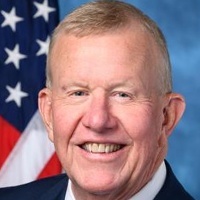
Mike Ezell
Representative
MS
Mike Ezell
Representative
MS
This bill extends the National Flood Insurance Program (NFIP) to ensure continuous flood insurance coverage. It specifically moves the program's expiration date from late 2023 to November 21, 2025. This extension provides Congress with additional time to develop long-term reforms for the program.