Legislative Activity
Track Bennie's sponsored bills, co-sponsored legislation, and voting record
This resolution honors the 97th anniversary of Dr. Martin Luther King, Jr.’s birth by reaffirming his legacy of equality, condemning hate, and promoting tolerance and civil discourse.
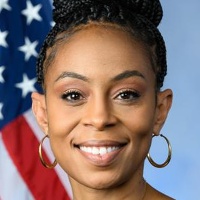
Shontel Brown
Representative
OH
Shontel Brown
Representative
OH
This resolution honors the 97th anniversary of the birth of Reverend Dr. Martin Luther King, Jr. by celebrating his legacy of equality, diversity, and civil discourse. It reaffirms a national commitment to his values of justice and tolerance while explicitly condemning all forms of hate, discrimination, and prejudice.
This Act mandates federal agencies to establish civil rights offices and report biennially on efforts to mitigate bias and discrimination in covered algorithmic systems that affect protected characteristics.
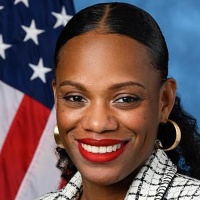
Summer Lee
Representative
PA
Summer Lee
Representative
PA
The Eliminating Bias in Algorithmic Systems Act of 2026 mandates that federal agencies address bias and discrimination in automated systems that materially affect individuals based on protected characteristics. This requires covered agencies to establish specialized civil rights offices focused on algorithmic harms. These offices must submit biennial reports to Congress detailing risks, mitigation efforts, stakeholder engagement, and legislative recommendations regarding biased algorithms.
This bill establishes a comprehensive, department-wide use of force policy for DHS law enforcement, mandates regular public reporting of use of force data, and requires enhanced training and oversight.
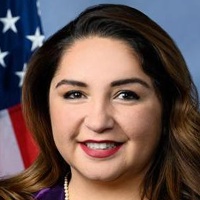
Delia Ramirez
Representative
IL
Delia Ramirez
Representative
IL
The DHS Use of Force Oversight Act establishes a comprehensive, department-wide policy for the use of force by all DHS law enforcement personnel. This policy mandates de-escalation as the preferred approach, prohibits chokeholds, and requires extensive training. Furthermore, the bill mandates regular public reporting of use-of-force data and requires timely briefings to Congress following serious incidents.
This bill impeaches Secretary of Homeland Security Kristi Lynn Arnold Noem for high crimes and misdemeanors, citing willful refusal to comply with oversight law, violating the Impoundment Control Act, directing unlawful ICE misconduct, and misusing federal funds for personal gain.
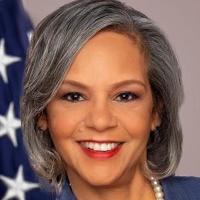
Robin Kelly
Representative
IL
Robin Kelly
Representative
IL
This resolution initiates impeachment proceedings against Secretary of Homeland Security Kristi Lynn Arnold Noem for high crimes and misdemeanors. The articles of impeachment charge her with willfully refusing to comply with Congressional oversight laws and violating the Impoundment Control Act by improperly withholding funds. Further articles allege she directed widespread misconduct by ICE agents that violated federal law and constitutional rights, and misused taxpayer funds for personal gain through improper contracting.
This bill modifies deposits into the Crime Victims Fund by excluding certain False Claims Act recoveries and mandates an Inspector General audit of the Fund's sustainability.
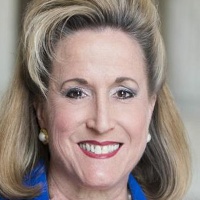
Ann Wagner
Representative
MO
Ann Wagner
Representative
MO
This bill amends the Victims of Crime Act of 1984 to temporarily exclude certain False Claims Act recoveries from being deposited into the Crime Victims Fund through fiscal year 2029. It also mandates a comprehensive audit by the Department of Justice Inspector General on the Fund's sustainability and the impact of recent legislative changes. The resulting report will provide recommendations for improving the Fund's effectiveness and oversight.
This resolution recognizes the 15th anniversary of the 2011 Tucson shooting, honoring the victims, survivors, and the ongoing advocacy of Gabby Giffords.
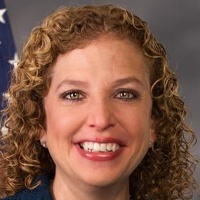
Debbie Wasserman Schultz
Representative
FL
Debbie Wasserman Schultz
Representative
FL
This resolution commemorates the 15th anniversary of the tragic January 8, 2011, Tucson shooting, honoring the six lives lost and the thirteen injured. It specifically commends the courage and ongoing advocacy of gun violence survivor and former Congresswoman Gabby Giffords. The resolution also recognizes the resilience of the community and reaffirms a commitment to ending political violence.
This resolution declares the renaming of the Kennedy Center to include Donald J. Trump a violation of federal law and mandates the restoration of its original name.
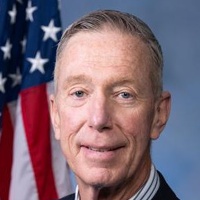
Stephen Lynch
Representative
MA
Stephen Lynch
Representative
MA
This resolution expresses the sense of the House that renaming the John F. Kennedy Center for the Performing Arts to include the name "Donald J. Trump" violates federal law. It declares the unauthorized redesignation null and void and requires the Board of Trustees to immediately restore the original name. Furthermore, the bill calls for the resignation of any trustees appointed by President Trump.
This bill directs the President to withdraw U.S. Armed Forces from hostilities with presidentially designated terrorist organizations in the Western Hemisphere unless Congress authorizes the action.
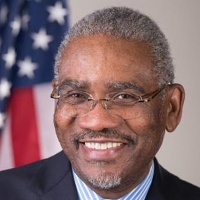
Gregory Meeks
Representative
NY
Gregory Meeks
Representative
NY
This bill directs the President to withdraw U.S. Armed Forces from hostilities involving designated terrorist organizations in the Western Hemisphere. Such withdrawal must occur unless Congress has explicitly authorized the military action through a declaration of war or a specific use of force authorization. The directive is issued under the authority of the War Powers Resolution.
This Act establishes a comprehensive federal strategy to combat rising antisemitism through policy statements, enhanced security grants, improved hate crime reporting, and specific mandates for educational institutions and federal agencies, while prohibiting the weaponization of antisemitism for partisan goals.
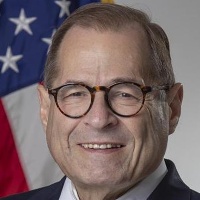
Jerrold Nadler
Representative
NY
Jerrold Nadler
Representative
NY
The Antisemitism Response and Prevention Act of 2025 aims to combat rising antisemitism through comprehensive federal action, emphasizing evidence-based strategies consistent with democratic values. The bill establishes new offices within the DOJ and FBI to coordinate counter-efforts and improve hate crime data collection. Furthermore, it mandates specific compliance and reporting requirements for colleges regarding civil rights and prohibits partisan conditions on nonprofit security grants.
This resolution reaffirms the U.S. commitment to leading global efforts to eliminate new pediatric HIV infections and expand treatment for children and women affected by the epidemic.
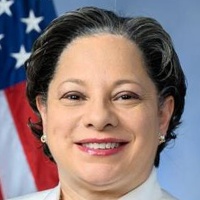
Jennifer McClellan
Representative
VA
Jennifer McClellan
Representative
VA
This resolution reaffirms the United States' commitment to ending pediatric HIV/AIDS globally by supporting critical prevention and treatment efforts. It emphasizes the need to close gaps in care, particularly for women and children in high-burden areas, and supports expanding access to testing, antiretroviral therapy, and new prevention methods. The bill specifically encourages continued U.S. leadership through initiatives like PEPFAR to achieve the goal of eliminating new pediatric HIV infections by 2030.
The Schedules That Work Act establishes rights for employees to request flexible schedules, mandates advance notice and predictability pay for schedule changes in covered sectors, and grants employees rest time between shifts.
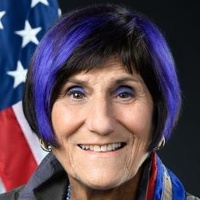
Rosa DeLauro
Representative
CT
Rosa DeLauro
Representative
CT
The Schedules That Work Act aims to provide workers with greater stability and predictability in their work hours. It grants employees the right to request flexible or stable schedules and requires employers to engage in a good-faith discussion about these requests. For covered sector employees (like retail and food service), the bill mandates 14 days' advance notice of schedules and establishes "predictability pay" for last-minute changes or split shifts. The Act also grants employees the right to 11 hours of rest between shifts, with premium pay required if this rest period is violated.
The Fair Competition for Small Business Act of 2025 empowers state attorneys general to sue on behalf of residents for damages resulting from antitrust violations under the Sherman Act.
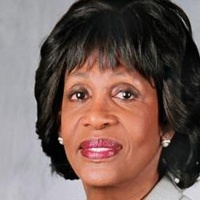
Maxine Waters
Representative
CA
Maxine Waters
Representative
CA
The Fair Competition for Small Business Act of 2025 empowers state attorneys general to file lawsuits on behalf of their residents against companies violating federal antitrust laws. This legislation strengthens consumer protections by allowing states to seek damages for anti-competitive practices under the Sherman Act.
This act removes the White House and its grounds from a specific list of protected properties under existing historic preservation law.
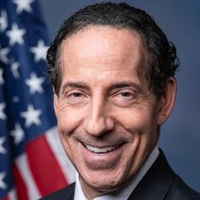
Jamie Raskin
Representative
MD
Jamie Raskin
Representative
MD
The People's White House Historic Preservation Act removes the White House and its grounds from a specific list of properties under current preservation law. This action reclassifies the status of the White House regarding federal historic preservation regulations.
This bill establishes a Diversity and Inclusion Administrator, requires apprenticeship programs to submit plans to increase African American participation, and authorizes grants to expand diversity in registered apprenticeship programs.
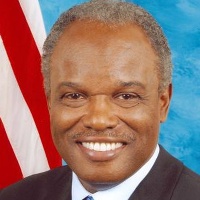
David Scott
Representative
GA
David Scott
Representative
GA
This Act addresses the significant unemployment disparities faced by young African Americans by strengthening pathways into registered apprenticeship programs. It establishes a Diversity and Inclusion Administrator within the Department of Labor to promote greater participation from underrepresented groups. Furthermore, the bill authorizes a competitive grant program to help entities create or expand apprenticeships, requiring applicants to submit plans specifically aimed at increasing African American enrollment.
This act nullifies a recent Executive Order regarding federal labor relations and ensures existing collective bargaining agreements remain in effect.
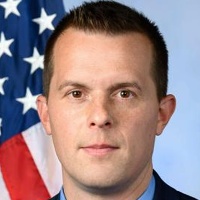
Jared Golden
Representative
ME
Jared Golden
Representative
ME
The Protect America's Workforce Act nullifies a specific Executive Order issued in March 2025 concerning exclusions from federal labor-management relations programs. This legislation ensures that any existing collective bargaining agreements between federal agencies and employee unions remain fully in effect until their stated expiration dates. The Act also prohibits the use of federal funds to implement the overturned Executive Order.
This bill exempts qualifying less-than-lethal projectile devices and their ammunition from federal excise taxes and the regulations of the National Firearms Act.
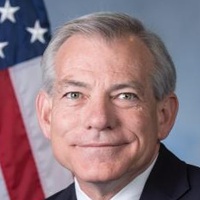
David Schweikert
Representative
AZ
David Schweikert
Representative
AZ
This bill exempts specific, carefully defined less-than-lethal projectile devices and their ammunition from the federal excise tax on firearms and ammunition. It also removes these qualifying devices from regulation under the National Firearms Act. The legislation establishes clear criteria, including velocity limits and design restrictions, to ensure the exemption applies only to tools intended for de-escalation rather than lethal force. Manufacturers can request official classification for their products to confirm eligibility for these tax and regulatory benefits.
This act increases the annual and aggregate loan limits for Federal Direct Unsubsidized Stafford Loans for graduate and professional students, effective July 1, 2026.
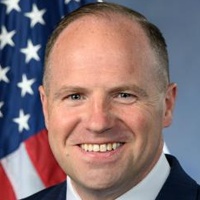
Timothy Kennedy
Representative
NY
Timothy Kennedy
Representative
NY
The Loan Equity for Advanced Professionals Act raises the federal student loan limits for graduate and professional students. Effective July 1, 2026, the annual borrowing limit for Federal Direct Unsubsidized Stafford Loans will increase to \$50,000, and the aggregate limit will rise to \$200,000. This aims to provide greater financial support for advanced degree candidates.
This act reissues and modernizes the federal rule allowing the control of double-crested cormorants at aquaculture facilities in specified states.
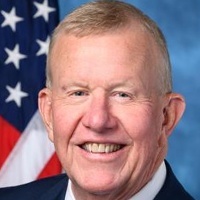
Mike Ezell
Representative
MS
Mike Ezell
Representative
MS
The Cormorant Relief Act of 2025 mandates the Secretary of the Interior to reissue and maintain a federal rule allowing the control of double-crested cormorants at aquaculture facilities in specified states. This reissued rule must modernize terminology and recordkeeping while removing the previous expiration date. The Secretary is required to renew this depredation order every five years, ensuring compliance with existing environmental and wildlife protection laws.
This bill establishes the DHS Grants Accountability Act to set stricter timelines for announcing, applying for, and using funds from key homeland security, transit, and port security grant programs.
Timothy Kennedy
Representative
NY
Timothy Kennedy
Representative
NY
The DHS Grants Accountability Act aims to improve the efficiency and transparency of key homeland security grant programs. This legislation establishes stricter deadlines for the Department of Homeland Security to announce funding, issue notices, and for recipients to utilize grant money for preparedness, transit, and port security. Overall, the bill mandates clearer timelines to ensure funds are awarded and spent more predictably.
This bill establishes a CISA program to promote cybersecurity careers specifically to disadvantaged communities across the United States.
Shontel Brown
Representative
OH
Shontel Brown
Representative
OH
The Expanding Cybersecurity Workforce Act of 2025 establishes a new CISA program to actively promote cybersecurity careers to disadvantaged communities across the nation. This initiative specifically targets outreach to older individuals, minorities, people with disabilities, veterans, and those from nontraditional educational backgrounds. The goal is to diversify and strengthen the U.S. cyber workforce through tailored education and training assistance. The Act authorizes $20 million annually through fiscal year 2031 to support these efforts.