Legislative Activity
Track Derek's sponsored bills, co-sponsored legislation, and voting record
The S-CAP Act of 2025 increases the maximum number of shareholders a business can have to qualify as an S corporation from 100 to 250, effective for tax years beginning after December 31, 2025.
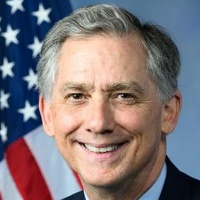
J. Hill
Representative
AR
J. Hill
Representative
AR
The S-CAP Act of 2025 significantly increases the maximum number of shareholders a business can have while qualifying for S corporation tax status, raising the limit from 100 to 250. This change is designed to allow more small businesses to benefit from pass-through taxation. This new 250-shareholder limit will take effect for tax years beginning after December 31, 2025.
This Act mandates increased reporting, sanctions review, and travel restrictions targeting Iran and foreign entities involved in hostage-taking of U.S. nationals.
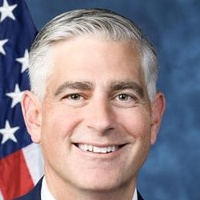
Michael Baumgartner
Representative
WA
Michael Baumgartner
Representative
WA
The **No Paydays for Hostage-Takers Act** aims to increase accountability for foreign entities and individuals who wrongfully detain Americans, particularly in response to Iran's history of hostage-taking. The bill mandates increased reporting on restricted Iranian funds, requires a review of sanctions against those involved in detentions, and tightens restrictions on Iranian diplomats in the U.S. Furthermore, it directs the President to develop a strategy to deter future hostage-taking incidents.
The Affordable Housing Credit Improvement Act of 2025 updates state allocation formulas, reforms tenant eligibility and credit determination rules, and enhances assistance for Native American and rural housing projects.
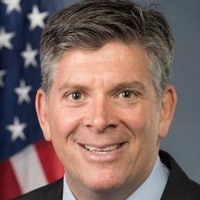
Darin LaHood
Representative
IL
Darin LaHood
Representative
IL
The Affordable Housing Credit Improvement Act of 2025 updates federal housing tax credit allocations to reflect current economic realities and boosts minimum state allotments. It reforms tenant eligibility rules to stabilize tenancy and enhance protections for vulnerable residents, including victims of abuse. The bill also provides disaster relief for property owners, increases incentives for housing the extremely low-income, and directs greater resources toward Native American and rural housing needs. Finally, it streamlines administrative processes and signals a future focus on data transparency and discouraging restrictive local zoning.
This Act redefines immediate relatives for immigration, caps family-sponsored visas, and creates a new, non-work, temporary visa for parents of adult U.S. citizens.
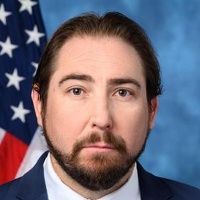
Eli Crane
Representative
AZ
Eli Crane
Representative
AZ
The Nuclear Family Priority Act significantly restructures U.S. family-based immigration by redefining "immediate relatives" to only include spouses and children of U.S. citizens, removing parents from that top category. It also establishes a new, temporary nonimmigrant visa for parents of adult U.S. citizens, which prohibits work and public benefits. Furthermore, the bill revises the annual cap for family-sponsored visas and makes numerous technical amendments across immigration law to align with these changes.
This bill expands mandatory detention for certain non-citizens by adding convictions for trespassing, vandalism, and arson to the list of triggering property crimes.
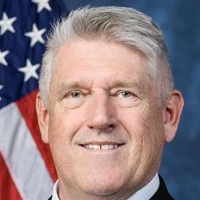
Troy Downing
Representative
MT
Troy Downing
Representative
MT
The Safeguarding American Property Act of 2025 expands mandatory detention requirements for certain non-citizens who commit specific property crimes. This legislation adds offenses like trespassing, vandalism, and arson to the list of crimes that require immigration authorities to detain an individual during removal proceedings. The bill also clarifies language related to violent offenses to ensure comprehensive grounds for detention.
The CBO Scoring Accountability Act mandates that the Congressional Budget Office produce annual reports for ten years tracking the actual financial impact of major legislation against its initial cost estimates.
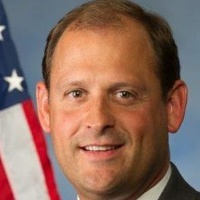
Garland Barr
Representative
KY
Garland Barr
Representative
KY
The CBO Scoring Accountability Act mandates that the Congressional Budget Office (CBO) produce annual reports for ten years following the enactment of any "major legislation." These reports must compare the actual financial impact of the law against the CBO's original estimates. If significant discrepancies occur, the CBO is required to explain the variance to Congress.
This Act promotes new bank formation by phasing in capital standards, adjusting business plan review timelines, offering temporary leverage ratio relief for rural institutions, expanding agricultural lending authority, and mandating a study on barriers to new bank creation.
Garland Barr
Representative
KY
Garland Barr
Representative
KY
The Promoting New Bank Formation Act aims to encourage the creation of new banks by providing regulatory relief for newly insured institutions. This includes a three-year phase-in period for new capital standards and streamlined processes for adjusting initial business plans. The Act also establishes temporary, favorable capital requirements for new rural depository institutions and expands lending authority for Federal savings associations to include agricultural loans. Finally, it mandates a study on barriers to new bank formation, especially in underserved areas.
This bill repeals the requirement for financial institutions to collect and report specific data on small business loans to reduce compliance costs and improve small business access to credit.
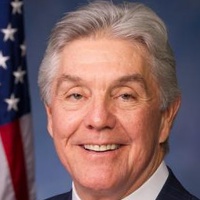
Roger Williams
Representative
TX
Roger Williams
Representative
TX
The 1071 Repeal to Protect Small Business Lending Act aims to eliminate the mandatory data collection and reporting requirements for small business loans previously established under Section 704B of the Equal Credit Opportunity Act. Proponents argue that these regulations impose unnecessary compliance costs on lenders, potentially hindering small business access to credit. This bill repeals those specific reporting mandates to reduce regulatory burdens on financial institutions.
This bill rescinds specific financial waivers and licenses related to Iran and prohibits the President from reauthorizing similar permissions for accessing certain Iranian funds.
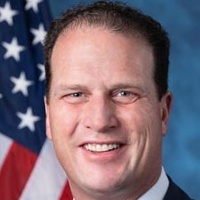
August Pfluger
Representative
TX
August Pfluger
Representative
TX
This bill mandates the immediate rescission of specific waivers and licenses that previously allowed certain international money transfers related to Iran. It explicitly prohibits the President from reissuing similar permissions or granting new licenses that would allow the Iranian government access to restricted financial accounts. In essence, this legislation closes specific financial pathways previously opened concerning Iran.
This act restricts long-term retail concession agreements on U.S. military bases with businesses controlled by specified foreign nations, subject to national security review and potential termination.
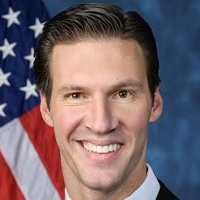
Pat Harrigan
Representative
NC
Pat Harrigan
Representative
NC
The Military Installation Retail Security Act of 2025 restricts the Department of Defense from entering into long-term retail concessions agreements with businesses controlled by designated foreign nations. This legislation mandates that existing agreements with such retailers undergo immediate review by CFIUS for national security risks, with termination required if control by a covered nation is confirmed. Exceptions are permitted only if the service provided is vital and security risks are mitigated, requiring notification to Congress.
This bill mandates sanctions on Iranian natural gas transactions to curb the growth of Iran's gas industry.
August Pfluger
Representative
TX
August Pfluger
Representative
TX
The No Iranian Energy Act aims to strengthen U.S. policy by explicitly targeting Iran's growing natural gas industry with sanctions. This bill amends existing law to ensure that sanctions apply to the sale, supply, or transfer of Iranian natural gas. The legislation reflects Congress's intent to restrict Iran's energy sector activities.
This Act imposes sweeping, mandatory sanctions, tariffs, and investment prohibitions on the Russian Federation and its affiliates until Russia negotiates a lasting peace with Ukraine.
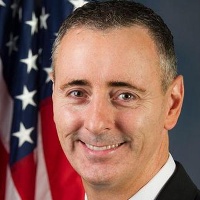
Brian Fitzpatrick
Representative
PA
Brian Fitzpatrick
Representative
PA
The Sanctioning Russia Act of 2025 imposes sweeping economic penalties on the Russian Federation in response to its aggression against Ukraine. This legislation mandates severe, immediate sanctions against key Russian officials, financial institutions, and energy sector entities, including asset freezes and trade prohibitions. Furthermore, the Act dramatically increases import duties on Russian goods and requires the President to review and reimpose these measures until Russia negotiates a lasting peace with Ukraine.
This Act mandates the designation of specific Iranian-aligned groups as Foreign Terrorist Organizations (FTOs) and requires the imposition of corresponding sanctions.
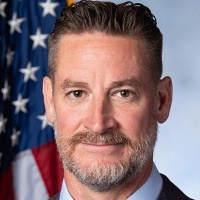
W. Steube
Representative
FL
W. Steube
Representative
FL
The Iranian Terror Prevention Act mandates the swift designation of specific Iranian-linked groups as Foreign Terrorist Organizations (FTOs) by the Secretary of State. It requires the President to impose existing sanctions on these designated groups and any affiliated entities within 60 days of enactment. Furthermore, the bill establishes ongoing reporting requirements to Congress regarding designations and the application of sanctions.
The Reentry Act of 2025 allows inmates to receive Medicaid assistance during the 30 days preceding their release and mandates a comprehensive report on healthcare standards within correctional facilities.
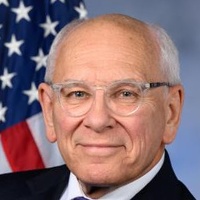
Paul Tonko
Representative
NY
Paul Tonko
Representative
NY
The Reentry Act of 2025 allows incarcerated individuals to receive medical assistance through Medicaid during the 30 days immediately preceding their release. This legislation also mandates a comprehensive report from MACPAC analyzing current healthcare standards within correctional facilities. The report will examine the impact of this coverage change and offer recommendations for improving healthcare access for those transitioning back into the community.
This Act prohibits the President from granting licenses or waivers for transactions involving certain terrorism-designated foreign persons unless Congress is certified that those persons have completely ceased terrorist activities.
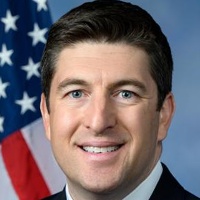
Bryan Steil
Representative
WI
Bryan Steil
Representative
WI
The No Sanctions Relief for Terrorists Act prohibits the granting of new licenses or waivers for transactions involving individuals or groups designated as terrorists by the Treasury Department as of January 20, 2021. Such relief can only be issued if the President certifies to key congressional committees that the designated foreign persons have completely ceased all terrorist activities. This measure specifically targets the easing of existing sanctions on designated terrorist entities.
This bill excludes certain veterinary student loan repayments and forgiveness amounts from taxable income to encourage veterinarians to practice in rural areas.

Adrian Smith
Representative
NE
Adrian Smith
Representative
NE
The Rural Veterinary Workforce Act aims to encourage more veterinarians to serve in underserved rural areas by making participation in certain loan repayment or forgiveness programs more financially appealing. This bill amends the tax code to exclude amounts received through qualifying state or federal veterinary student loan repayment programs from being counted as taxable income. This tax benefit applies to amounts received for taxable years beginning after December 31, 2025.
The SHORT Act redefines "firearm" to exclude certain collector's items, eliminates disparate federal treatment of short-barreled rifles and shotguns, preempts state and local registration/tax burdens on these items, and mandates the destruction of certain existing NFA records.
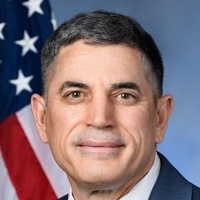
Andrew Clyde
Representative
GA
Andrew Clyde
Representative
GA
The SHORT Act aims to reform federal firearms regulations by redefining what constitutes a "firearm" for tax purposes, largely excluding antique or collector's items. It eliminates disparate federal treatment for short-barreled rifles and shotguns used lawfully and preempts state and local governments from imposing special taxes or registration requirements on these specific weapons. Furthermore, the bill mandates the destruction of certain existing federal registration and transfer records related to defined firearms.
This bill establishes the Southwestern Power Administration Fund to consolidate and manage all SWPA receipts for operational and construction costs, with excess funds returned to the Treasury.
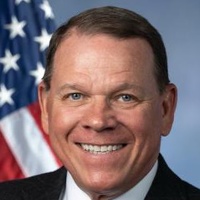
Sam Graves
Representative
MO
Sam Graves
Representative
MO
This bill establishes the **Southwestern Power Administration Fund** as a dedicated account within the U.S. Treasury to consolidate all revenues and existing balances of the Southwestern Power Administration (SWPA). The Fund will finance the SWPA's operational costs, including facility maintenance and new construction. The Secretary of Energy is authorized to use these funds for approved purposes, even ahead of annual appropriations, with excess funds being returned to the Treasury.
This bill amends the Internal Revenue Code to allow distributions from Health Savings Accounts (HSAs) for the account beneficiary's funeral expenses, up to a $\$5,000$ limit, to be treated as qualified distributions.
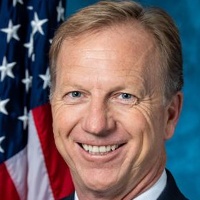
Kevin Hern
Representative
OK
Kevin Hern
Representative
OK
This bill amends the Internal Revenue Code to allow distributions from a Health Savings Account (HSA) for the funeral expenses of the account beneficiary to be treated as qualified, tax-free distributions. These expenses, which include burial, cremation, and related services, are capped at a total of \$5,000 per beneficiary. The legislation also clarifies that funeral expenses incurred within 90 days after the account holder's death can be treated as if they occurred before death for tax purposes.
This bill mandates that Medicare provide equitable reimbursement for the transportation and setup of portable ultrasound equipment, mirroring current payments for portable X-ray services.
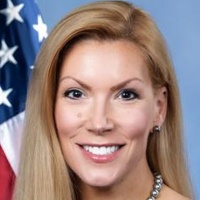
Beth Van Duyne
Representative
TX
Beth Van Duyne
Representative
TX
The Portable Ultrasound Reimbursement Equity Act of 2025 updates Medicare coverage to include diagnostic ultrasound tests. This legislation mandates that Medicare establish separate payments for the transportation and setup of portable ultrasound equipment, mirroring existing payments for portable X-ray services. These changes are set to take effect starting January 1, 2027.