Legislative Activity
Track Thomas's sponsored bills, co-sponsored legislation, and voting record
The CARE Act of 2025 mandates Medicare to test a new payment model covering emergency response services provided by ground ambulance companies even when patient transport does not occur.
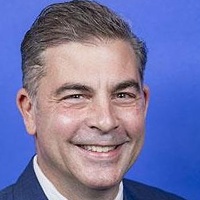
Mike Carey
Representative
OH
Mike Carey
Representative
OH
The CARE Act of 2025 mandates that the Center for Medicare and Medicaid Innovation (CMMI) test a new payment model for emergency services. This model will allow Medicare to pay ground ambulance providers for emergency responses, even when a patient does not ultimately require transport under Medicare Part B. The five-year demonstration aims to evaluate the impact of covering these non-transport emergency responses on patient access and resource utilization.
This Act mandates the Department of Labor to establish and enforce comprehensive workplace violence prevention standards for healthcare and social service workers, while also tying compliance to Medicare funding for certain facilities.
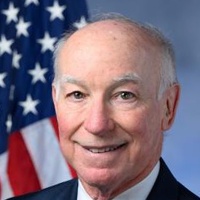
Joe Courtney
Representative
CT
Joe Courtney
Representative
CT
This Act mandates the Secretary of Labor to establish an interim and then a final standard requiring comprehensive workplace violence prevention plans for employers in the healthcare and social service sectors. These plans must be developed with employee input and detail risk assessments, hazard controls, reporting procedures, and annual training. Furthermore, the bill amends the Social Security Act to require Medicare-funded hospitals and skilled nursing facilities not covered by OSHA to comply with these new federal workplace violence prevention standards. The legislation also establishes clear definitions for workplace violence and includes strong anti-retaliation protections for employees who exercise their rights under the Act.
The Taiwan Allies Fund Act establishes a fund to provide financial assistance to nations facing pressure from the PRC for maintaining ties with Taiwan, while also encouraging deeper U.S. support for Taiwan's international presence.
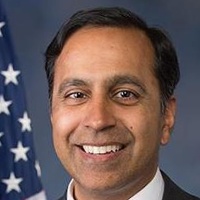
Raja Krishnamoorthi
Representative
IL
Raja Krishnamoorthi
Representative
IL
The Taiwan Allies Fund Act establishes a dedicated fund to support countries that maintain relationships with Taiwan despite pressure from the People's Republic of China (PRC). This fund authorizes up to $40 million annually for fiscal years 2026 through 2028 to help eligible nations counter PRC coercion. Aid will focus on strengthening democratic partnerships, supporting Taiwan's international participation, and offering alternatives to PRC economic influence. The Secretary of State will manage the fund, coordinating with Taiwan, and must report annually to Congress on the fund's activities and Taiwan's matching contributions.
This Act establishes a program, managed by the Librarian of Congress, to create and disseminate educational resources countering denial of the Armenian Genocide.
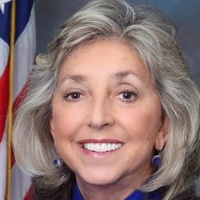
Dina Titus
Representative
NV
Dina Titus
Representative
NV
The Armenian Genocide Education Act establishes a program managed by the Librarian of Congress to develop and share educational resources combating denial of the 1915-1923 Armenian Genocide. This initiative will create online materials, train educators, and encourage the integration of accurate history into school curricula. The Act authorizes $2 million annually for five years to support these educational efforts aimed at promoting awareness and preventing future atrocities.
The Secure Family Futures Act of 2025 modifies tax code provisions for applicable insurance companies by excluding certain debt from being treated as a capital asset and extending the capital loss carryover period to ten years for specific losses incurred after 2025.
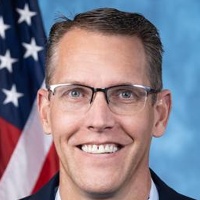
Randy Feenstra
Representative
IA
Randy Feenstra
Representative
IA
The Secure Family Futures Act of 2025 modifies tax treatment for certain debt holdings of applicable insurance companies, excluding specific debt instruments from being treated as capital assets for tax purposes. Additionally, this Act extends the capital loss carryover period to 10 years for specified losses incurred by these insurance companies. These changes apply only to transactions occurring after December 31, 2025.
This bill condemns the detention of Jimmy Lai in Hong Kong while simultaneously designating a section of D.C. street as "Jimmy Lai Way" and directing mail delivery procedures for related offices.
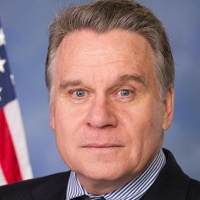
Christopher Smith
Representative
NJ
Christopher Smith
Representative
NJ
This bill officially designates a section of 18th Street Northwest in Washington, D.C., as "Jimmy Lai Way" and changes the address of a specific building to "1 Jimmy Lai Way Northwest." Furthermore, the legislation strongly condemns the arbitrary detention and mistreatment of Hong Kong media entrepreneur Jimmy Lai, urging the immediate release of all political prisoners. Finally, it directs the U.S. Postal Service on how to handle mail addressed to the Hong Kong Economic and Trade Office at the newly designated address.
The COMPLETE Care Act increases Medicare payments to primary care providers for integrating behavioral health services between 2027 and 2029 and provides technical assistance to support these practices.
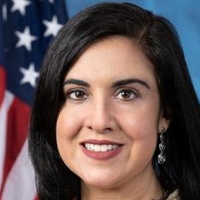
Nicole Malliotakis
Representative
NY
Nicole Malliotakis
Representative
NY
The COMPLETE Care Act aims to improve mental healthcare access by providing Medicare incentives for primary care providers to integrate behavioral health services into their practices between 2027 and 2029. This legislation offers increased Medicare payments for specific integrated services during those years, ensuring these bonuses do not trigger cuts elsewhere in the Medicare budget. Additionally, the bill mandates technical assistance to help primary care offices successfully adopt these new integrated care models.
This Act establishes a comprehensive security partnership between the U.S., Israel, Greece, and Cyprus to enhance counterterrorism efforts and maritime security through new training programs, interparliamentary groups, and the removal of certain restrictions on defense cooperation with Cyprus.
Nicole Malliotakis
Representative
NY
Nicole Malliotakis
Representative
NY
This Act establishes a comprehensive security partnership between the United States, Israel, Greece, and the Republic of Cyprus focused on counterterrorism and maritime security in the Eastern Mediterranean. It mandates the creation of new joint training programs, formalizes interparliamentary and executive cooperation groups, and removes previous limitations on defense articles for Cyprus. The legislation also authorizes significant funding for security centers and training initiatives in Cyprus and Greece through fiscal year 2029.
The Hot Foods Act of 2025 lifts the general ban on purchasing ready-to-eat hot foods with SNAP benefits while imposing a sales cap on retailers that primarily sell such items.
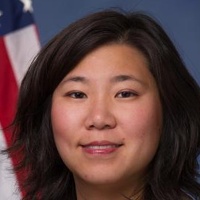
Grace Meng
Representative
NY
Grace Meng
Representative
NY
The Hot Foods Act of 2025 removes the general federal ban on using Supplemental Nutrition Assistance Program (SNAP) benefits to purchase hot, ready-to-eat foods. This legislation clarifies that hot foods are now eligible for purchase with SNAP benefits, while also setting a new rule that limits SNAP-participating retailers to deriving no more than 50% of their gross sales from these ready-to-eat hot items. The act updates existing statutes to reflect this expanded purchasing power for recipients.
This act prohibits colleges and universities receiving federal funding from allowing or supporting any campus event that promotes antisemitism, adopting the IHRA working definition.
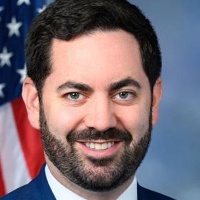
Michael Lawler
Representative
NY
Michael Lawler
Representative
NY
The Stop Antisemitism on College Campuses Act prohibits colleges and universities receiving federal funding from allowing, supporting, or paying for any event on campus that promotes antisemitism. This legislation mandates the adoption of the International Holocaust Remembrance Alliance (IHRA) working definition of antisemitism for enforcement. The goal is to ensure federally funded institutions do not host or endorse antisemitic activities.
This Act establishes a 20% federal tax credit for converting eligible commercial buildings into affordable housing units, subject to state allocation and specific income restrictions.
Mike Carey
Representative
OH
Mike Carey
Representative
OH
The Revitalizing Downtowns and Main Streets Act establishes a new 20% federal tax credit for converting eligible, older commercial buildings into affordable housing. This incentive aims to increase housing supply by requiring that at least 20% of the converted units remain rent-restricted for low-income residents for 30 years. State agencies will allocate these credits, which are subject to a national cap of $12 billion, based on approved plans prioritizing financially necessary projects.
This bill directs the Secretary of Transportation to develop and fund a comprehensive 10-year plan to modernize the aging infrastructure and facilities of the United States Merchant Marine Academy.
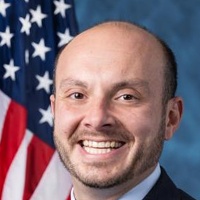
Andrew Garbarino
Representative
NY
Andrew Garbarino
Representative
NY
This bill directs the Secretary of Transportation to develop and implement a comprehensive 10-year Campus Modernization Plan for the United States Merchant Marine Academy. The plan must address critical infrastructure needs, including new training facilities, updated housing, and essential utility overhauls, to support modern maritime education and national security requirements. Congress authorizes up to \$1.02 billion from the Maritime Security Trust Fund between fiscal years 2026 and 2035 to execute this modernization effort.
This bill excludes certain veterinary student loan repayments and forgiveness amounts from taxable income to encourage veterinarians to practice in rural areas.
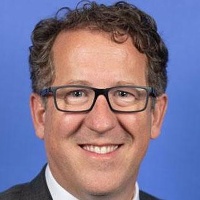
Adrian Smith
Representative
NE
Adrian Smith
Representative
NE
The Rural Veterinary Workforce Act aims to encourage more veterinarians to serve in underserved rural areas by making participation in certain loan repayment or forgiveness programs more financially appealing. This bill amends the tax code to exclude amounts received through qualifying state or federal veterinary student loan repayment programs from being counted as taxable income. This tax benefit applies to amounts received for taxable years beginning after December 31, 2025.
The SCREENS for Cancer Act of 2025 reauthorizes and updates the National Breast and Cervical Cancer Early Detection Program to enhance cancer prevention, reduce disparities, and ensure equitable access to screening services through increased funding and new reporting requirements.
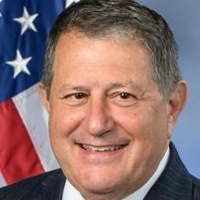
Joseph Morelle
Representative
NY
Joseph Morelle
Representative
NY
The **SCREENS for Cancer Act of 2025** seeks to reauthorize and update the National Breast and Cervical Cancer Early Detection Program (NBCCEDP). This legislation expands the program's focus to include cancer prevention and aims to reduce health disparities in screening access. The bill authorizes $235 million annually for fiscal years 2026 through 2030 and mandates a GAO study on program eligibility and service trends.
This Act raises the minimum age for Federal Firearms Licensees to sell certain semiautomatic rifles and shotguns to 21, with exceptions for qualified individuals aged 18-20, and mandates an FBI report on its public access line operations.
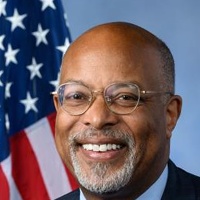
Glenn Ivey
Representative
MD
Glenn Ivey
Representative
MD
The Raise the Age Act of 2025 generally prohibits Federal Firearms Licensees from selling certain semiautomatic centerfire rifles or shotguns capable of holding magazines over five rounds to anyone under 21, with exceptions for qualified military or government personnel. The bill also maintains the existing minimum age of 18 for general firearm purchases, excluding the newly restricted categories. Finally, it mandates that the FBI Director report on the operational procedures of its public access line within 90 days of enactment.
The American Families United Act grants immigration judges and the Secretary of Homeland Security greater discretion to prevent the removal of family members of U.S. citizens when separation would cause hardship, while also allowing for the reopening of certain prior cases.
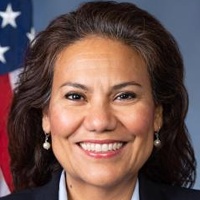
Veronica Escobar
Representative
TX
Veronica Escobar
Representative
TX
The American Families United Act grants immigration officials increased discretion to halt removal proceedings or grant immigration benefits for family members of U.S. citizens when separation would cause hardship. This discretion is presumed to be met if the action results in family separation, though certain serious criminal grounds remain disqualifying. The Act also allows individuals to file motions to reopen or reconsider past immigration decisions if the outcome would have been different under these new provisions, subject to a two-year filing deadline.
This bill permanently extends the exemption allowing school bus drivers to skip the engine compartment portion of the pre-trip vehicle inspection skills test for their CDL.
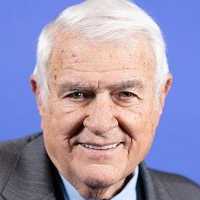
John Carter
Representative
TX
John Carter
Representative
TX
This bill permanently extends the existing exemption allowing qualified school bus drivers to skip the engine compartment portion of the commercial driver's license (CDL) skills test. It mandates the Secretary of Transportation to maintain this specific "under-the-hood" inspection waiver indefinitely. States utilizing this permanent exemption must still submit annual reports on the number of drivers licensed under it for the next six years.
The Paycheck Fairness Act strengthens equal pay enforcement by tightening defenses against pay discrimination, expanding protections against retaliation, increasing penalties for violations, and requiring comprehensive data collection and training initiatives.
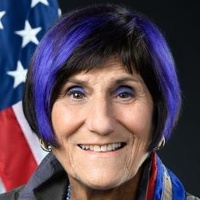
Rosa DeLauro
Representative
CT
Rosa DeLauro
Representative
CT
The Paycheck Fairness Act significantly strengthens federal equal pay protections by broadening definitions of sex discrimination, tightening employer defenses against pay disparities, and increasing penalties for violations. It also prohibits employers from using salary history in hiring decisions and mandates new data collection by the EEOC to better enforce anti-discrimination laws. Furthermore, the bill establishes new training and outreach programs to combat systemic wage bias.
This act establishes a federally funded national public safety campaign utilizing television, radio, and digital media to warn against illegally passing stopped school buses.
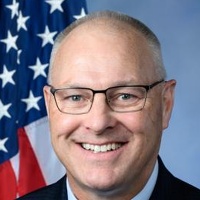
Pete Stauber
Representative
MN
Pete Stauber
Representative
MN
The Brake for Kids Act of 2025 establishes a national public safety messaging campaign to raise awareness about the dangers of illegally passing a stopped school bus. This initiative will be funded using existing allocations from the Infrastructure Investment and Jobs Act. The required campaign must utilize broad outreach methods, including national television, radio, social media, and edge service advertising.
This resolution formally recognizes the persistent gender wage gap and reaffirms Congress's commitment to achieving pay equity.
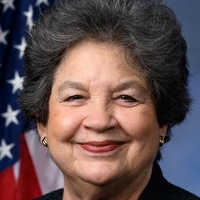
Lois Frankel
Representative
FL
Lois Frankel
Representative
FL
This resolution formally recognizes the significant and persistent wage gap between men and women in the United States, highlighting statistics that show women earn substantially less. It serves as a strong public statement reaffirming Congress's commitment to achieving pay equity. The measure does not enact new laws but emphasizes the economic harm caused by unequal pay for women and their families.