This bill reauthorizes federal funding for Long Island Sound restoration and stewardship grant programs through fiscal year 2029.
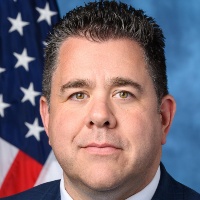
Nicolas LaLota
Representative
NY-1
The Long Island Sound Restoration and Stewardship Reauthorization Act of 2025 extends critical federal funding for the restoration and stewardship of the Long Island Sound through fiscal year 2029. This legislation ensures the continuation of vital grant programs aimed at protecting and improving the health of the Sound’s ecosystem.
Long Island Sound Restoration Funding Extended Through 2029: New Life for Coastal Grants
The Long Island Sound Restoration and Stewardship Reauthorization Act of 2025 is a straightforward extension of federal support for one of the East Coast's most vital natural resources. By amending the Federal Water Pollution Control Act and the Long Island Sound Stewardship Act of 2006, this bill moves the expiration date for grant funding from 2023 to 2029. It effectively keeps the lights on for environmental programs that had technically seen their authorization lapse, ensuring that the pipeline for federal dollars remains open for the next four fiscal years.
Keeping the Coast Clear
For anyone living near the Sound—whether you’re a weekend boater in Connecticut or a small business owner on the North Shore of Long Island—this bill is about maintaining the status quo for water quality and habitat protection. The legislation specifically reauthorizes the Long Island Sound Grants and Stewardship programs (33 U.S.C. 1269(h)), which fund projects like nitrogen reduction, marsh restoration, and public access improvements. If you’ve noticed cleaner water at your local beach or new trails along the shoreline, those projects often start with the federal grants this bill continues to authorize.
Stability for Local Projects
This isn't a radical overhaul or a massive new spending spree; it’s a policy stabilizer. By updating the dates in the law to "2025 through 2029," the bill provides the legal green light for Congress to keep appropriating money to local environmental groups and state agencies. For a local non-profit working on oyster reef restoration or a town trying to upgrade its storm drainage to prevent flooding, this extension means they can plan multi-year projects without fearing the federal tap will be shut off due to an expired mandate. It also cleans up the books with a minor technical correction in the pollution control statutes, ensuring the bureaucracy runs a bit smoother without changing any actual rules on the ground.