
Legislative Activity
Track Jan's sponsored bills, co-sponsored legislation, and voting record
This bill extends and modifies various tax credits for energy production, efficiency improvements, and clean vehicle adoption to lower energy costs and support American energy leadership.
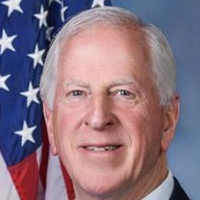
Mike Thompson
Representative
CA
Mike Thompson
Representative
CA
The American Energy Independence and Affordability Act is a comprehensive bill designed to lower energy costs by extending and adjusting key tax incentives across energy production, efficiency, and clean vehicle adoption. It stabilizes support for renewable energy manufacturing, extends deadlines for energy-efficient building credits, and ensures consumer incentives for electric vehicles remain available through 2032. Overall, the legislation aims to provide long-term certainty for energy investments and consumer adoption of cleaner technologies.
This bill establishes a three-year, federally funded pilot program to provide guaranteed monthly cash payments to 10,000 eligible individuals, equivalent to local fair market rent, while studying its impact on financial stability and well-being.
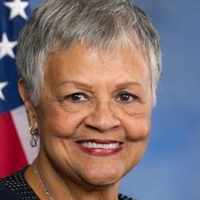
Bonnie Watson Coleman
Representative
NJ
Bonnie Watson Coleman
Representative
NJ
The Guaranteed Income Pilot Program Act of 2025 establishes a three-year pilot program to provide a monthly, unconditional cash payment to 10,000 eligible individuals, set at the local fair market rent for a two-bedroom home. This initiative aims to study the effects of guaranteed income on financial stability, health, and overall well-being, noting that payments will not affect eligibility for other federal assistance programs. The Department of Health and Human Services, in partnership with the IRS and an external research organization, will manage the program and report findings to Congress within specified timelines. Congress has authorized \$495 million annually from Fiscal Year 2026 through 2030 to fund this study.
This resolution formally honors the extraordinary life, groundbreaking scientific contributions, and enduring global legacy of Dr. Jane Goodall.

Mike Quigley
Representative
IL
Mike Quigley
Representative
IL
This resolution formally honors the extraordinary life, leadership, and enduring legacy of Dr. Jane Goodall. It celebrates her groundbreaking scientific contributions to primatology and her tireless global advocacy for wildlife conservation and environmental education. The bill recognizes her founding of the Roots and Shoots program and extends sympathy to her family and colleagues.
This act ensures that state and local funds used to keep Head Start and Early Head Start programs running during a federal government shutdown are fully reimbursed.
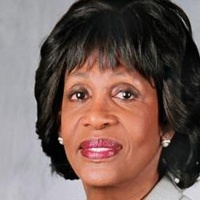
Maxine Waters
Representative
CA
Maxine Waters
Representative
CA
The Head Start Shutdown Protection Act of 2025 ensures that states, local governments, or school districts are reimbursed for any of their own funds used to keep Head Start and Early Head Start programs operational during a lapse in federal appropriations. This legislation protects these vital early childhood education services from disruption caused by government shutdowns. By guaranteeing reimbursement, the Act encourages local entities to maintain program continuity without bearing the financial burden.
This resolution honors the memory of Wadee Alfayoumi, a young Palestinian-American murder victim of a hate crime, and condemns all acts of discrimination and violence based on ethnicity or religion in Illinois.
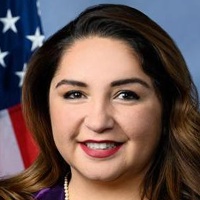
Delia Ramirez
Representative
IL
Delia Ramirez
Representative
IL
This resolution honors the memory of Wadee Alfayoumi, a 6-year-old Palestinian-American boy murdered in a hate crime in Illinois. It strongly condemns all hate crimes and discrimination based on ethnicity or religion. The measure also recognizes the significant contributions of the Palestinian community to the United States. Finally, it calls for an end to hateful rhetoric and violence against all children globally.
This Act mandates that all states must operate the WIC program and guarantees necessary funding through permanent appropriation starting in fiscal year 2026.
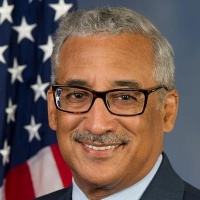
Robert Scott
Representative
VA
Robert Scott
Representative
VA
The WIC Benefits Protection Act mandates that all states must operate the Special Supplemental Nutrition Program for Women, Infants, and Children (WIC). This legislation also guarantees permanent, mandatory funding for WIC starting in fiscal year 2026, ensuring the program has the necessary resources annually. Furthermore, it clarifies eligibility language within the program's governing statute.
This resolution expresses deep concern over the surge in book banning and threats to free expression, urging the immediate restoration of removed materials in federal schools and the repeal of restrictive directives.
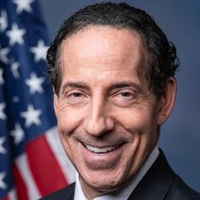
Jamie Raskin
Representative
MD
Jamie Raskin
Representative
MD
This resolution expresses deep concern over the growing trend of book banning and threats to freedom of expression in U.S. schools and libraries. It asserts that such censorship undermines democratic values and harms students by restricting access to diverse ideas and histories. The bill urges local entities to follow best practices for book challenges and calls for the immediate reinstatement of books removed from Department of Defense schools. Ultimately, it reaffirms the nation's commitment to First Amendment rights and the freedom to read.
This act ensures federal employees furloughed due to a lapse in government funding are reimbursed for childcare expenses incurred during that period.

Ilhan Omar
Representative
MN
Ilhan Omar
Representative
MN
The Federal Worker Childcare Protection Act of 2025 aims to reimburse federal employees for childcare expenses incurred during periods of government shutdown or lapse in funding. Eligible employees who were furloughed or unpaid due to a funding lapse can receive reimbursement by submitting proof of payment to the GSA. This provision is contingent upon Congress appropriating the necessary funds.
This Act establishes strict evidence requirements for states to remove registered voters from the rolls for federal elections and mandates timely notification to those affected.
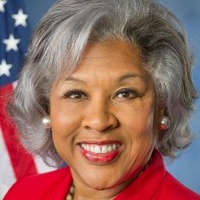
Joyce Beatty
Representative
OH
Joyce Beatty
Representative
OH
The Voter Purge Protection Act establishes strict new evidence requirements for states before they can remove registered voters from the rolls for federal elections. States must have objective proof that a voter is ineligible and cannot remove someone solely for not voting or failing to respond to a notice unless it was returned as undeliverable. If a voter is removed, the state must notify them within 48 hours with instructions on how to re-register.
This bill authorizes the Federal Government to reimburse states for using their own funds to maintain WIC program operations during a lapse in federal appropriations.
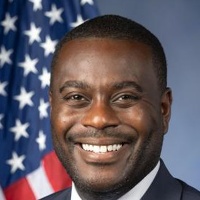
Gabe Amo
Representative
RI
Gabe Amo
Representative
RI
This bill ensures that states are reimbursed by the Federal Government for any state funds they use to maintain essential operations of the Special Supplemental Nutrition Program for Women, Infants, and Children (WIC) during a lapse in federal appropriations. It provides a mechanism for the Federal Government to pay back states that cover WIC costs during a government shutdown. This protects state budgets while keeping vital nutrition assistance running.
The No Shame at School Act of 2025 mandates that schools must eliminate meal debt stigma by prohibiting overt identification of students who owe fees and ensuring immediate action to certify eligible children for free or reduced-price meals.
Ilhan Omar
Representative
MN
Ilhan Omar
Representative
MN
The No Shame at School Act of 2025 mandates that schools must stop shaming students over unpaid meal debt by prohibiting overt identification or segregation of students who owe fees. This law requires local agencies to actively pursue free meal certification for students with outstanding balances and prevents schools from taking food away after it has been served. Furthermore, it establishes strict rules for debt collection, forbidding communication directed at the child and banning the use of third-party debt collectors.
This Act provides appropriations and mandates contract price adjustments to compensate federal contractor employees for losses incurred due to funding lapses or government shutdowns.
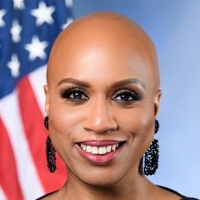
Ayanna Pressley
Representative
MA
Ayanna Pressley
Representative
MA
The Fair Pay for Federal Contractors Act of 2025 ensures that employees of federal contractors are compensated for losses incurred due to government funding lapses or shutdowns. It requires federal agencies to adjust existing contracts to cover reasonable costs associated with furloughs, pay cuts, or mandatory leave taken by contractor employees. The bill appropriates necessary funds to cover these contract price adjustments and mandates public reporting on the compensation provided.
This bill prohibits active duty military and National Guard members operating under Title 32 from enforcing or assisting in the enforcement of immigration laws.
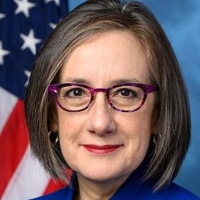
Andrea Salinas
Representative
OR
Andrea Salinas
Representative
OR
The National Guard Proper Use Act prohibits active duty military personnel and National Guard members serving under Title 32 orders from enforcing or assisting in the enforcement of immigration laws. This measure restricts the use of the Armed Forces for domestic immigration enforcement, aligning with existing statutes that govern such deployments.
This resolution officially designates the week of September 22 through September 28, 2025, as National Falls Prevention Awareness Week to raise public awareness and encourage the prevention of falls among older adults.
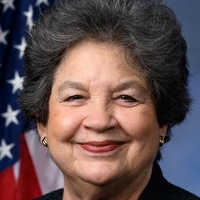
Lois Frankel
Representative
FL
Lois Frankel
Representative
FL
This resolution officially designates the week of September 22 through September 28, 2025, as "National Falls Prevention Awareness Week." The goal is to raise public awareness about the significant dangers of falls among older adults. By highlighting this issue, the measure encourages widespread efforts to promote proven, cost-effective prevention strategies.
This resolution condemns using federal regulatory power or litigation to suppress lawful political speech critical of a party or the President, warning against authoritarianism.
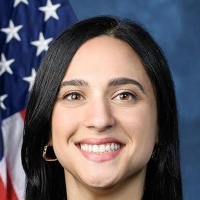
Yassamin Ansari
Representative
AZ
Yassamin Ansari
Representative
AZ
This resolution strongly condemns attempts to use federal regulatory power or litigation to suppress lawful speech critical of a political party or the President. It reaffirms the fundamental importance of the First Amendment and warns that such actions resemble tactics used by authoritarian regimes. The bill urges government agencies to protect free expression and ensure accountability, not political censorship.
This joint resolution directs the President to remove U.S. Armed Forces from hostilities against certain designated groups and states unless Congress authorizes the use of force, while preserving the right to self-defense.
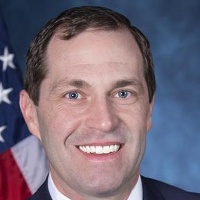
Jason Crow
Representative
CO
Jason Crow
Representative
CO
This joint resolution directs the President to remove U.S. Armed Forces from hostilities initiated after February 20, 2025, against designated terrorist groups or drug trafficking organizations without prior Congressional authorization. It asserts Congress's constitutional power to declare war and finds recent military strikes against vessels lacked proper justification. The bill allows for continued use of forces for self-defense or authorized counternarcotics support, but explicitly states drug trafficking alone does not constitute an armed attack.
The SHINE for Autumn Act of 2025 establishes federal grants for states to improve stillbirth surveillance, data collection, and risk factor research while mandating the development of standardized educational guidelines on stillbirth.
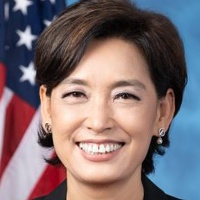
Young Kim
Representative
CA
Young Kim
Representative
CA
The SHINE for Autumn Act of 2025 aims to significantly improve federal support for state-level stillbirth research and data collection. It authorizes grants for states to enhance surveillance, track risk factors, and build local capacity for analyzing stillbirth data, provided the information remains de-identified. Furthermore, the bill mandates the development of standardized guidelines and educational materials regarding stillbirth awareness and risk factors, developed in consultation with experts and bereaved families.
This Act mandates that most health insurance plans, Medicare Part D, Medicaid, and CHIP must cover specific, currently recommended vaccines without out-of-pocket costs for a limited time.
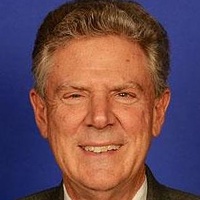
Frank Pallone
Representative
NJ
Frank Pallone
Representative
NJ
The Protecting Free Vaccines Act mandates that most private health insurance plans must cover specific vaccines recommended by the CDC's Advisory Committee on Immunization Practices (ACIP) without any out-of-pocket costs until January 1, 2030. This requirement also updates coverage rules for Medicare Part D, Medicaid, and CHIP to ensure continuity of coverage for these recommended immunizations. The bill locks in coverage based on the ACIP recommendations in place as of October 25, 2024, across various federal health programs.
The Preparing And Retaining All (PARA) Educators Act establishes a federal grant program to help states fund local efforts aimed at recruiting, retaining, and credentialing school paraprofessionals, prioritizing high-need and low-income districts.
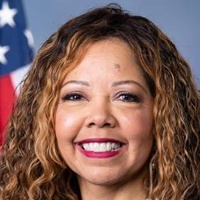
Lucy McBath
Representative
GA
Lucy McBath
Representative
GA
The Preparing And Retaining All (PARA) Educators Act establishes a new federal grant program to help states recruit and retain school paraprofessionals. Funds will be distributed to states based on their existing Title I allocations to support local districts. States must use these competitive subgrants to improve paraprofessional wages, offer professional development, and support credentialing, prioritizing high-need and rural schools. The law requires annual reporting on compensation improvements and retention efforts.
This bill mandates that federally funded higher education institutions update their harassment policies to explicitly cover technology-facilitated harassment and establishes a competitive grant program to fund anti-harassment initiatives.
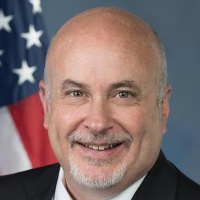
Mark Pocan
Representative
WI
Mark Pocan
Representative
WI
The Tyler Clementi Higher Education Anti-Harassment Act of 2025 mandates that colleges receiving federal funds update their policies to explicitly prohibit and detail procedures for addressing harassment based on protected characteristics, including technology-facilitated abuse. The bill also establishes a competitive grant program, funded up to $50 million annually, to support campus efforts in harassment prevention, training, and support services. This legislation adds new requirements without superseding existing civil rights protections.