
Legislative Activity
Track Chellie's sponsored bills, co-sponsored legislation, and voting record
The PRIME Act exempts custom slaughter facilities from federal inspection requirements for meat distributed only within the state where it was processed, provided they comply with state law.

Thomas Massie
Representative
KY
Thomas Massie
Representative
KY
The PRIME Act, or Processing Revival and Intrastate Meat Exemption Act, exempts custom slaughter facilities from federal inspection requirements for meat that is processed and sold only within the state of origin. To qualify, facilities must comply with all applicable state laws regarding slaughter and preparation. This legislation ensures that states retain the authority to enforce their own, potentially stricter, regulations on local meat processing.
This bill establishes a new system for distributing up to 2,000 additional Medicare-funded residency positions annually from 2026 through 2032, prioritizing hospitals serving underserved areas, and mandates a study on strategies to increase workforce diversity.
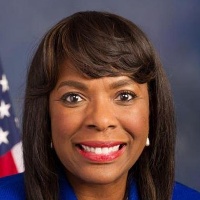
Terri Sewell
Representative
AL
Terri Sewell
Representative
AL
The Resident Physician Shortage Reduction Act of 2025 establishes a structured process for distributing up to 2,000 additional, federally funded residency positions annually between fiscal years 2026 and 2032. This distribution prioritizes hospitals serving in underserved areas, those already training above their limit, and those committed to primary care and general surgery training. The bill also mandates a study and report by the Comptroller General on effective strategies to increase diversity within the health professional workforce.
This Act mandates the National Fire Academy Administrator to submit an annual report to Congress detailing course attendance, firefighter demographics, program statistics, and funding allocations.
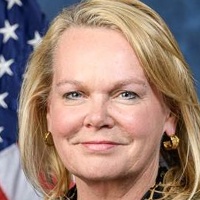
April McClain Delaney
Representative
MD
April McClain Delaney
Representative
MD
This bill, the National Fire Academy Reporting Act, mandates that the Administrator of the National Academy for Fire Prevention and Control submit an annual report to Congress. This report must detail the courses and programs offered, including attendance breakdowns by department type and firefighter status. It also requires specific reporting on course cancellations and the allocation of financial assistance and student aid.
The End Polluter Welfare Act of 2025 systematically eliminates federal subsidies, tax breaks, and financial support for the fossil fuel industry while increasing royalties and tightening environmental liability.

Ilhan Omar
Representative
MN
Ilhan Omar
Representative
MN
The End Polluter Welfare Act of 2025 is a comprehensive bill designed to eliminate financial support for the fossil fuel industry across the federal government. It achieves this by terminating numerous tax incentives, increasing royalties on federal energy leases, and blocking federal funding for fossil fuel projects through various agencies. Ultimately, the Act aims to shift financial burdens onto polluters while redirecting federal support toward cleaner energy initiatives.
The EACH Act of 2025 mandates that all federally funded health programs and facilities must cover and provide abortion services, while also prohibiting federal interference with private insurance coverage.
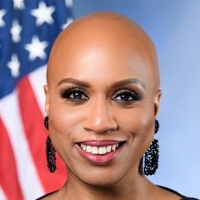
Ayanna Pressley
Representative
MA
Ayanna Pressley
Representative
MA
The EACH Act of 2025 aims to ensure equal access to abortion coverage by requiring all federally funded health programs and facilities to cover abortion services. This legislation prohibits federal interference with state or private insurance coverage of abortion and repeals Section 1303 of the Affordable Care Act. Ultimately, the bill seeks to eliminate financial and insurance barriers to abortion care, particularly for low-income individuals relying on programs like Medicaid.
This constitutional amendment prohibits immunity from criminal prosecution for federal officials based on their official duties and bars the President from self-pardoning.
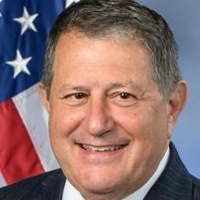
Joseph Morelle
Representative
NY
Joseph Morelle
Representative
NY
This proposed constitutional amendment would eliminate immunity from criminal prosecution for federal officials, including the President, based on their official duties. It also explicitly prohibits the President from issuing a self-pardon for any federal crimes. If ratified, these changes would take effect immediately.
This act modernizes the tax code by treating low alcohol by volume wine (under 8.5% ABV and low carbonation) the same as standard still wine for federal excise tax purposes, effective after December 31, 2025.
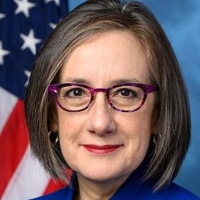
Andrea Salinas
Representative
OR
Andrea Salinas
Representative
OR
The Bubble Tax Modernization Act of 2025 simplifies federal excise tax treatment for certain low alcohol by volume (ABV) wines. This legislation reclassifies qualifying low ABV wines (under 8.5% ABV and low carbonation) as standard still wines for tax calculation purposes under Section 5041(h). These changes will take effect for wine removed from bond after December 31, 2025.
Ally's Act mandates that certain private health insurance plans must cover auditory implant devices, related services, and upgrades for qualifying individuals without imposing stricter cost-sharing or treatment limitations than other medical benefits.
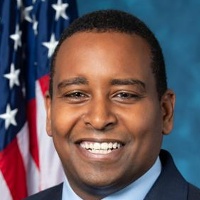
Joe Neguse
Representative
CO
Joe Neguse
Representative
CO
The Ally's Act mandates that certain private health insurance plans must cover auditory implant devices, related supplies, and necessary services for qualifying individuals. This coverage must be comparable to other medical and surgical benefits regarding cost-sharing and treatment limitations. Furthermore, plans cannot deny coverage if a physician or qualified audiologist determines the required hearing items or services are medically necessary. These new requirements take effect for plan years beginning on or after January 1, 2026.
This bill amends the Family and Medical Leave Act to explicitly qualify time taken for an employee's own organ donation surgery as a serious health condition.
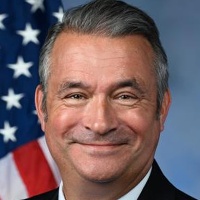
Don Bacon
Representative
NE
Don Bacon
Representative
NE
This bill amends the Family and Medical Leave Act (FMLA) to explicitly clarify that time taken off for an employee's own organ donation surgery qualifies as a serious health condition. This ensures both private and federal sector workers receive FMLA protection for recovery from organ donation. The legislation also specifies how federal employees must substitute existing paid leave when taking FMLA time for this purpose.
This Act prohibits insurance companies from discriminating against living organ donors when issuing life, disability, or long-term care policies and mandates the updating of educational materials regarding donation risks and insurance implications.
Don Bacon
Representative
NE
Don Bacon
Representative
NE
The Living Donor Protection Act of 2025 prohibits life, disability, and long-term care insurance companies from denying coverage or increasing premiums solely because an individual is a living organ donor. This legislation ensures that living donors are not financially penalized for their altruistic act. Additionally, the bill requires the Secretary of HHS to update educational materials to accurately reflect the insurance protections afforded to living donors.
This Act establishes a competitive grant program to fund career pathway training for the forestry workforce in eligible low-income rural areas.
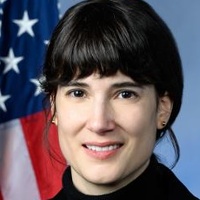
Marie Gluesenkamp Perez
Representative
WA
Marie Gluesenkamp Perez
Representative
WA
The Jobs in the Woods Act establishes a new competitive grant program administered by the Secretary of Agriculture to fund career pathway training in forestry. These grants aim to support workforce development in eligible rural areas by focusing on forestry operations and product processing industries. Priority will be given to programs that address aging workforces, retain young residents, and partner with educational institutions. Funding is authorized from Fiscal Year 2026 through 2030.
This bill restricts the use of federal law enforcement and military personnel for domestic crowd control, mandates clear identification, limits operations to federal property unless requested by state and local officials, and requires public reporting of deployments.
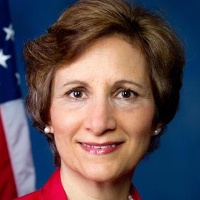
Suzanne Bonamici
Representative
OR
Suzanne Bonamici
Representative
OR
The Preventing Authoritarian Policing Tactics on America’s Streets Act establishes strict limitations on the deployment of federal law enforcement and military personnel for domestic crowd control. This bill mandates that all federal personnel involved in such situations must clearly display identifying information, such as their name and agency. Furthermore, it generally restricts their operations to federal property unless specific state and local requests are made or the Insurrection Act is invoked. Agencies must also publicly report details of any deployment within 24 hours.
This Act establishes the Office of Climate Change and Health Equity within HHS to develop a national strategic action plan, supported by an advisory board and expert reports, to protect public health from climate change impacts.

Doris Matsui
Representative
CA
Doris Matsui
Representative
CA
The Climate Change Health Protection and Promotion Act of 2025 establishes a new Office of Climate Change and Health Equity within HHS to coordinate federal efforts against climate-related health threats. This office is tasked with developing a comprehensive national strategic action plan to prepare the U.S. health sector for climate impacts, with a special focus on vulnerable communities. The Act also creates a science advisory board and mandates regular expert reports to ensure the national strategy is based on the best available science and continuously updated.
The PRICE Act establishes a competitive grant program to fund improvements, resident services, and community enhancements in low- and moderate-income manufactured housing communities.
Suzanne Bonamici
Representative
OR
Suzanne Bonamici
Representative
OR
The Preservation and Reinvestment Initiative for Community Enhancement Act (PRICE Act) establishes a new competitive grant program to improve manufactured housing communities serving low- and moderate-income residents. These funds can be used for essential infrastructure repairs, resident health and safety upgrades, and community enhancement projects. Priority will be given to projects that ensure the long-term affordability and stability of the housing.
This Act mandates federal standards requiring employers to implement comprehensive heat illness and injury prevention programs to protect workers from dangerous heat stress.
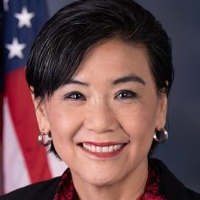
Judy Chu
Representative
CA
Judy Chu
Representative
CA
The Asunción Valdivia Heat Illness, Injury, and Fatality Prevention Act of 2025 mandates that employers protect workers from dangerous heat stress by establishing comprehensive safety standards. This Act requires the Secretary of Labor to create evidence-based rules covering engineering controls, administrative procedures, required training, and paid rest breaks to prevent heat-related illness. Furthermore, the law establishes strict enforcement mechanisms, whistleblower protections, and specific timelines for the implementation of these new federal heat protection standards.
This resolution declares the Trump administration's fossil fuel directives a health and safety emergency disproportionately harming children's fundamental rights by worsening climate change and suppressing climate science.

Janice Schakowsky
Representative
IL
Janice Schakowsky
Representative
IL
This resolution declares a health and safety emergency disproportionately affecting children due to prior administration directives that promoted fossil fuels and suppressed climate science. Congress asserts that these actions harm children's fundamental rights to life and a stable environment by worsening climate change impacts. The bill demands the current administration cease policies that increase greenhouse gases and restore access to suppressed climate research. Ultimately, it calls for aligning all energy and climate laws with the duty to protect the rights and future of young people.
This comprehensive act establishes federal entitlements and grants to ensure access to affordable, high-quality child care and universal preschool for young children while significantly increasing compensation for early childhood educators.
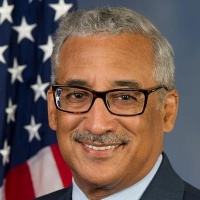
Robert Scott
Representative
VA
Robert Scott
Representative
VA
The Child Care for Working Families Act establishes comprehensive federal programs to ensure access to high-quality, affordable child care and universal preschool for young children. The legislation creates an entitlement program for child care, mandates that provider reimbursement rates cover actual costs and ensure living wages for staff, and establishes free, universal preschool for 3- and 4-year-olds. Additionally, it provides dedicated funding to stabilize childcare providers and extend the operating hours and compensation for Head Start staff.
This act enables states to apply for federal waivers to create and implement their own comprehensive, budget-neutral universal healthcare systems.
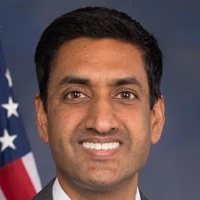
Ro Khanna
Representative
CA
Ro Khanna
Representative
CA
The State-Based Universal Health Care Act of 2025 empowers individual states to design and implement their own comprehensive universal health coverage systems. States can apply for a federal waiver to bypass most existing federal health insurance rules, including major parts of the ACA, Medicare, and Medicaid. In exchange for waiving federal funding, the federal government will transfer equivalent funds to the state, provided the state commits to covering at least 95% of its residents within five years and maintains budget neutrality for the federal government.
This Act mandates the FDA to systematically reassess the safety of at least ten existing food chemicals every three years, beginning in 2026, and take regulatory action if any substance is found to be unsafe.
Janice Schakowsky
Representative
IL
Janice Schakowsky
Representative
IL
The Food Chemical Reassessment Act of 2025 mandates that the FDA systematically review the safety of at least ten existing food ingredients every three years, starting in 2026. This process targets substances like certain food additives, colorings, and GRAS ingredients, prioritizing those with the greatest public health concern. If a reassessment determines a substance is unsafe, the FDA is required to take regulatory action, such as repealing approvals or revoking authorizations. The Act also establishes an advisory committee to guide the FDA on reassessment standards and methods.
This act mandates that all U.S. Immigration and Customs Enforcement (ICE) officers clearly display their badge numbers when interacting with individuals during questioning, arrest, or detention.
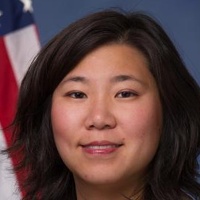
Grace Meng
Representative
NY
Grace Meng
Representative
NY
The ICE Badge Visibility Act of 2025 mandates that all U.S. Immigration and Customs Enforcement (ICE) officers must clearly display their badge number when interacting with individuals. This ensures that during questioning, arrest, or detention, the officer's identification is readily visible. The goal is to increase accountability and transparency during immigration enforcement actions.