
Legislative Activity
Track Christian's sponsored bills, co-sponsored legislation, and voting record
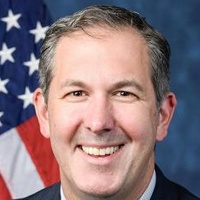
This bill designates April 2026 as "National County Government Month" to honor the county workforce, educate the public on local services, and celebrate the county's role in governance.
Johnny Olszewski
Representative
MD
Johnny Olszewski
Representative
MD
This bill officially designates April 2026 as "National County Government Month." The purpose is to honor the county government workforce and educate the public on the vital local programs and services counties provide. It encourages counties nationwide to use this month for outreach and celebration of their essential role in American life.
This Act establishes federal programs to address the impact of climate change risks, like extreme heat and pollution, on maternal and infant health through grants, education, research, and risk zone identification.

Lauren Underwood
Representative
IL
Lauren Underwood
Representative
IL
The Protecting Moms and Babies Against Climate Change Act directs the Department of Health and Human Services to address how climate change risks, like extreme heat and pollution, harm maternal and infant health. The bill establishes grant programs to support local efforts and education, and mandates research and strategies to identify high-risk zones for pregnant individuals and young children. Its goal is to reduce adverse outcomes such as preterm birth, low birth weight, and maternal mortality linked to climate change.
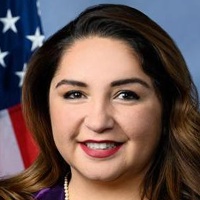
This resolution affirms housing as a fundamental human right and opposes policies that would force families with mixed immigration status to separate or lose federal housing assistance.
Delia Ramirez
Representative
IL
Delia Ramirez
Representative
IL
This resolution affirms that stable housing is a fundamental human right essential for all families, regardless of immigration status. It strongly condemns a proposed rule that would force families with mixed immigration status to separate or lose vital housing assistance. The bill calls for protecting families in federal housing programs and demands increased investment to address the national housing crisis.
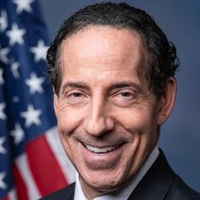
This bill establishes a commission of medical and former government experts to evaluate a President's physical or mental capacity to discharge the duties of the office when directed by Congress.
Jamie Raskin
Representative
MD
Jamie Raskin
Representative
MD
This bill establishes the Commission on Presidential Capacity to Discharge the Powers and Duties of the Office, a body tasked with evaluating the physical or mental fitness of the President. The Commission, composed of medical experts and former high-ranking officials, can be directed by Congress to examine the President. Its findings regarding the President's ability to execute their duties are then reported to Congress and the Vice President.
This bill mandates that the Attorney General publicly release a redacted version of Volume II of Special Counsel Jack Smith’s report within seven days of enactment.

Steve Cohen
Representative
TN
Steve Cohen
Representative
TN
The Volume II Transparency Act of 2026 mandates that the Attorney General publicly release Volume II of Special Counsel Jack Smith’s report on the Department of Justice website within seven days of enactment. The bill allows for specific redactions to protect witness and victim identities, as well as national security interests.
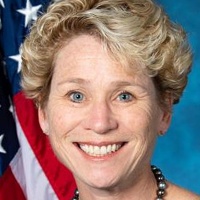
This bill mandates gender-neutral occupational standards across the U.S. Armed Forces and establishes new reporting requirements for military assignments and performance criteria.
Chrissy Houlahan
Representative
PA
Chrissy Houlahan
Representative
PA
This bill mandates gender-neutral assignment standards across all branches of the U.S. Armed Forces, effective September 30, 2026. It requires that all occupational performance standards be based on scientifically rigorous, job-specific criteria rather than gender. Additionally, the legislation establishes new annual reporting requirements for Congress and mandates a formal review of ground combat unit effectiveness.
The Maternal Vaccination Act establishes a federal awareness and equity campaign to increase vaccination rates among pregnant and postpartum individuals and their children.
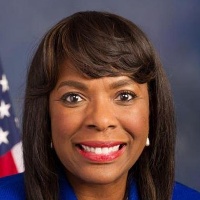
Terri Sewell
Representative
AL
Terri Sewell
Representative
AL
The Maternal Vaccination Act establishes a dedicated awareness and equity campaign to increase vaccination rates among pregnant and postpartum individuals. By providing targeted funding and expanding immunization program grants, the bill ensures that healthcare providers are better equipped to support maternal health, with a specific focus on reaching underserved and minority communities.
This resolution supports the designation of March 26, 2026, as "National Science Appreciation Day" to honor American scientific achievements and inspire future generations in STEM fields.
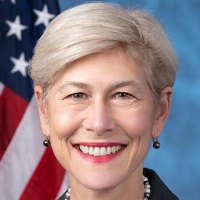
Deborah Ross
Representative
NC
Deborah Ross
Representative
NC
This resolution expresses support for designating March 26, 2026, as "National Science Appreciation Day." The initiative aims to celebrate American scientific achievements and recognize the vital role that STEM fields play in driving economic growth, innovation, and the overall quality of life for all Americans.
This resolution formally recognizes the persistence of the gender wage gap in the United States and reaffirms a commitment to achieving equal pay for equal work.
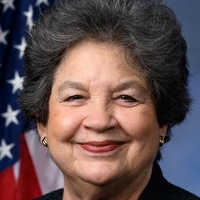
Lois Frankel
Representative
FL
Lois Frankel
Representative
FL
This resolution formally recognizes the persistent gender wage gap in the United States and its significant negative impact on women, families, and the national economy. It highlights the systemic factors contributing to pay disparities across various demographics and occupations. Ultimately, the resolution reaffirms Congress's commitment to achieving equal pay for equal work.
The Perinatal Workforce Act establishes grant programs and national initiatives to grow, diversify, and train a culturally competent maternal health workforce to improve health equity and patient outcomes.
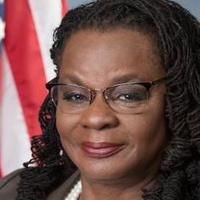
Gwen Moore
Representative
WI
Gwen Moore
Representative
WI
The Perinatal Workforce Act aims to improve maternal health outcomes by expanding and diversifying the perinatal health workforce. The bill establishes grant programs to support training for midwives, nurses, and other perinatal health workers, with a focus on recruiting individuals from underserved and minority communities. Additionally, it mandates national campaigns, federal coordination, and research to promote culturally congruent care and address systemic barriers to maternal health access.
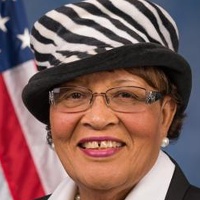
The Kira Johnson Act establishes grant programs and research initiatives to advance maternal health equity, reduce bias and discrimination in maternity care, and improve health outcomes for high-risk demographic groups.
Alma Adams
Representative
NC
Alma Adams
Representative
NC
The Kira Johnson Act aims to eliminate maternal health disparities by funding community-based organizations that provide evidence-based support to high-risk populations. The legislation also establishes grant programs to implement anti-bias training for maternity care providers and creates compliance programs to address racism and discrimination in clinical settings. Through these initiatives, the bill seeks to ensure respectful, culturally congruent care and improve health outcomes for pregnant and postpartum individuals.
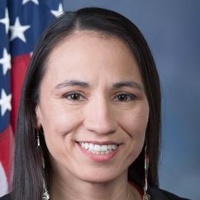
The Data to Save Moms Act directs federal funding and research toward improving maternal health data collection, supporting maternal mortality review committees, and addressing disparities in maternal health outcomes for minority and underserved populations.
Sharice Davids
Representative
KS
Sharice Davids
Representative
KS
The Data to Save Moms Act aims to improve maternal health outcomes and eliminate disparities by enhancing data collection, research, and public awareness. The bill provides funding for Maternal Mortality Review Committees, supports community-based organizations addressing social determinants of health, and mandates training for providers on implicit bias and culturally congruent care. Additionally, it authorizes comprehensive studies and grant programs focused on high-risk populations, including racial and ethnic minority groups and American Indian and Alaska Native communities.
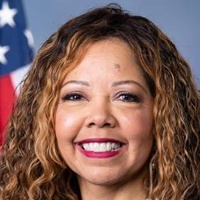
This bill extends WIC eligibility and enhanced food benefits for postpartum and breastfeeding mothers from one year to 24 months.
Lucy McBath
Representative
GA
Lucy McBath
Representative
GA
The Extending WIC for New Moms Act increases the duration of WIC eligibility for postpartum mothers from six months to 24 months. It also extends the period for receiving enhanced breastfeeding food packages to 24 months. Additionally, the bill mandates a comprehensive report to Congress evaluating the impact of these extensions on maternal and infant health outcomes.
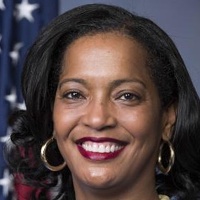
The Social Determinants for Moms Act establishes federal grant programs and a dedicated task force to improve maternal health outcomes by addressing the nonclinical social factors that impact pregnant and postpartum individuals.
Jahana Hayes
Representative
CT
Jahana Hayes
Representative
CT
The Social Determinants for Moms Act aims to reduce maternal mortality and health disparities by addressing the nonclinical factors that impact pregnancy and postpartum outcomes. The bill establishes federal grant programs to provide essential services—such as housing, nutrition, transportation, and childcare—to pregnant and postpartum individuals. Additionally, it creates a federal task force to coordinate cross-agency strategies to improve maternal health and support community-led initiatives across the country.
The Momnibus Act is a comprehensive legislative package designed to improve maternal health outcomes and reduce racial disparities by addressing social determinants, expanding nutritional and mental health support, diversifying the perinatal workforce, and investing in data-driven, community-based care.
Lauren Underwood
Representative
IL
Lauren Underwood
Representative
IL
The Momnibus Act is a comprehensive legislative package designed to end preventable maternal mortality and close racial and ethnic disparities in maternal health outcomes. By addressing social determinants of health, expanding nutritional and mental health support, and investing in a diverse, culturally competent workforce, the bill provides a holistic framework for improving care. Through targeted federal grants, enhanced data collection, and innovative technology, the Act aims to ensure that all pregnant and postpartum individuals receive the equitable, high-quality care they deserve.
The Energy Bills Relief Act aims to lower energy costs for families by reversing clean energy rollbacks, expanding assistance programs, streamlining grid upgrades, and increasing transparency in utility regulation.

Sean Casten
Representative
IL
Sean Casten
Representative
IL
The Energy Bills Relief Act is a comprehensive bill designed to lower energy costs for American families, accelerate the deployment of low-cost, clean energy, and modernize the nation's electricity grid. It achieves this by reversing harmful policies against renewables, expanding energy assistance programs, streamlining grid connection processes, and increasing transparency in utility regulation. Ultimately, the legislation aims to create a more reliable, affordable, and cleaner energy system while ensuring communities have a stronger voice in energy development.
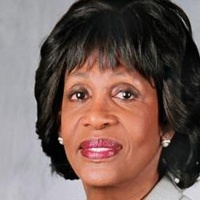
This resolution supports the goals of National Women and Girls HIV/AIDS Awareness Day by recognizing the disproportionate impact of HIV on women and girls and calling for increased investment in prevention, care, and education.
Maxine Waters
Representative
CA
Maxine Waters
Representative
CA
This resolution supports the goals of National Women and Girls HIV/AIDS Awareness Day by recognizing the disproportionate impact of HIV on women and girls globally and domestically. It calls for sustained investment in prevention, care, and treatment efforts to reduce new infections and health inequities. The bill specifically encourages accessible, youth-friendly services, education on prevention tools like PrEP, and addressing underlying issues such as violence and discrimination.
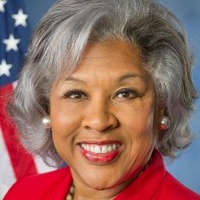
This resolution urges the President to order U.S. flags flown at half-staff to honor the life and legacy of civil rights leader Reverend Jesse Jackson.
Joyce Beatty
Representative
OH
Joyce Beatty
Representative
OH
This resolution formally honors the life and enduring legacy of civil rights leader Reverend Jesse Louis Burns Jackson, Sr. It recognizes his significant contributions to the Civil Rights Movement, including his work with Dr. Martin Luther King, Jr. and his founding of Operation PUSH. The bill specifically urges the President to order that the U.S. flag be flown at half-staff in his memory.
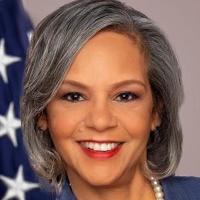
The WELLS Act mandates standardized discharge planning for pregnant patients in Medicare-participating hospitals, expands rural maternal care training, and establishes new initiatives to improve maternal health outcomes and data transparency.
Robin Kelly
Representative
IL
Robin Kelly
Representative
IL
The WELLS Act aims to improve maternal health outcomes by mandating comprehensive discharge planning for pregnant patients in Medicare-participating hospitals. The bill also expands rural obstetric training programs with a focus on racial bias, establishes a research initiative to evaluate maternal healthcare training models, and creates a public dashboard to track national maternal health data.
This resolution honors the life, legacy, and enduring commitment to civil rights and equality of Reverend Jesse Louis Jackson, Sr.
Maxine Waters
Representative
CA
Maxine Waters
Representative
CA
This resolution honors the life, leadership, and enduring legacy of Reverend Jesse Louis Jackson, Sr. It recognizes his pivotal role as a civil rights leader, his groundbreaking political campaigns, and his global advocacy for human rights and equality. The measure encourages all Americans to continue his work by moving forward with hope rather than fear and division.