Legislative Activity
Track Kristen's sponsored bills, co-sponsored legislation, and voting record
This bill expands Medicare Part B coverage to reimburse for specific pharmacist services related to testing and treatment for certain public health threats, effective January 1, 2026.
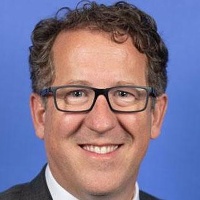
Adrian Smith
Representative
NE
Adrian Smith
Representative
NE
The Ensuring Community Access to Pharmacist Services Act expands Medicare Part B coverage to include services provided by pharmacists starting January 1, 2026. This coverage is specifically for testing or treatment related to COVID-19, the flu, RSV, strep throat, or during a declared public health emergency. The bill outlines payment structures, generally covering 80% of the cost, and prohibits pharmacists from balance billing Medicare patients for these covered services.
This resolution expresses support for designating May 2026 as "Renewable Fuels Month" to recognize the economic, environmental, and energy security benefits of the domestic renewable fuels industry.
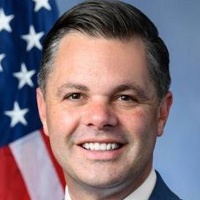
Zachary (Zach) Nunn
Representative
IA
Zachary (Zach) Nunn
Representative
IA
This resolution expresses support for designating May 2026 as "Renewable Fuels Month." It recognizes the critical role of renewable fuels, such as ethanol and biodiesel, in strengthening the U.S. economy and supporting rural communities. The bill highlights how these fuels reduce carbon emissions, lower consumer fuel prices, and decrease reliance on foreign energy sources.
This bill prohibits the use of federal funds to pay any claims submitted to the Anti-Weaponization Fund established by the Department of Justice.
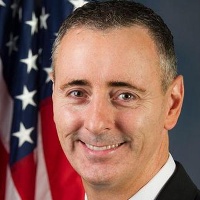
Brian Fitzpatrick
Representative
PA
Brian Fitzpatrick
Representative
PA
The Bipartisan Transparency for American Taxpayers Act prohibits the use of any federal funds, including those from the Judgment Fund, to pay claims submitted to the Anti-Weaponization Fund. This measure ensures taxpayer money is not used to cover payments from the fund established by the Department of Justice.
The Provider Reimbursement Stability Act of 2026 reforms Medicare physician payment policies by updating budget neutrality thresholds, establishing a correction process for utilization estimates, mandating periodic updates to practice expense data, and limiting annual conversion factor fluctuations.
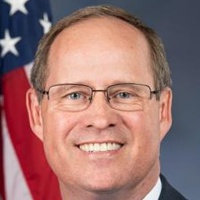
Gregory Murphy
Representative
NC
Gregory Murphy
Representative
NC
The Provider Reimbursement Stability Act of 2026 aims to improve the accuracy and predictability of Medicare physician payments. The bill reforms budget neutrality calculations, mandates periodic updates to practice expense cost data, and establishes a 2.5% cap on annual conversion factor fluctuations. These measures are designed to ensure more stable reimbursement rates for healthcare providers.
This bill authorizes the minting and sale of commemorative gold and silver coins to honor the 25th anniversary of the September 11, 2001, terrorist attacks, with surcharges supporting the National September 11 Memorial and Museum.

Dan Goldman
Representative
NY
Dan Goldman
Representative
NY
This bill authorizes the Secretary of the Treasury to mint and issue commemorative gold and silver coins marking the 25th anniversary of the September 11, 2001, terrorist attacks. The coins will honor the victims, first responders, and survivors, with designs selected in consultation with the National September 11 Memorial and Museum. All surcharges from the sale of these coins will be paid directly to the Memorial and Museum to support its operations and maintenance.
This bill allows for year-round sales of E15 gasoline and restructures the Renewable Fuel Standard program by phasing out small refinery exemptions in favor of a 75% compliance obligation reduction starting in 2028.
Adrian Smith
Representative
NE
Adrian Smith
Representative
NE
This bill, the Nationwide Consumer and Fuel Retailer Choice Act of 2025, makes two major changes: it allows for the year-round sale of E15 gasoline and reforms the Renewable Fuel Standard (RFS) for small refineries. The RFS reform phases out existing small refinery exemptions starting in 2028, replacing them with a 75% compliance obligation reduction. The Act also directs the EPA to update fuel infrastructure rules for E15 distribution.
This bill directs key federal agencies to report annually on strategies to defend U.S. interests against financial crimes facilitated by adversarial actors using artificial intelligence.
Zachary (Zach) Nunn
Representative
IA
Zachary (Zach) Nunn
Representative
IA
The AI PLAN Act directs key federal agencies to develop a strategy to counter the national and economic security risks posed by adversarial actors using artificial intelligence for financial crimes. This involves submitting annual reports detailing current and needed resources, interagency coordination, and public-private partnerships. The bill also mandates follow-up recommendations for legislative action and best practices to mitigate these evolving AI-driven threats.
This bill establishes the Combating Organized Retail Crime Act of 2025 to enhance federal prosecution tools against organized retail and supply chain crime and create a DHS-led coordination center to align law enforcement efforts.
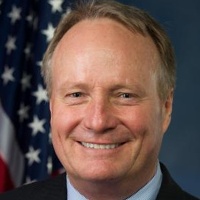
David Joyce
Representative
OH
David Joyce
Representative
OH
The Combating Organized Retail Crime Act of 2025 aims to combat sophisticated, cross-jurisdictional organized retail and supply chain theft. It achieves this by strengthening federal laws regarding money laundering and stolen property offenses, including lowering monetary thresholds for prosecution. Furthermore, the bill establishes a dedicated Center within the Department of Homeland Security to coordinate federal, state, and local enforcement efforts against these criminal organizations.
This Act prohibits the sale or importation of connected vehicles and components containing hardware or software from covered adversarial countries like China, Russia, Iran, and North Korea, starting in 2027.
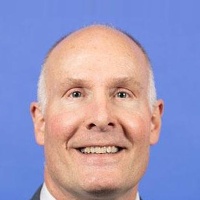
John Moolenaar
Representative
MI
John Moolenaar
Representative
MI
The Connected Vehicle Security Act of 2026 prohibits the sale or importation of connected vehicles, hardware, or software originating from or controlled by designated "covered countries" (North Korea, China, Russia, or Iran). This measure aims to safeguard U.S. economic and national security against risks like espionage and cyber intrusion posed by foreign adversaries exploiting vehicle connectivity technology. The Secretary of Commerce is tasked with issuing regulations to enforce these bans, which begin phasing in starting in 2027, though waivers may be granted under specific national security conditions.
This bill prohibits businesses from deducting expenses related to private jet ownership and operation starting in 2026, with specific exceptions for commercial or specialized use aircraft.
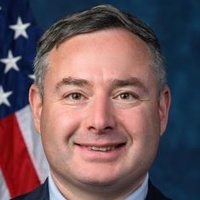
Eugene Vindman
Representative
VA
Eugene Vindman
Representative
VA
This bill, the "Stop Subsidizing Private Jets of 2026," aims to eliminate federal tax deductions for most business expenses related to owning and operating private, fixed-wing aircraft starting in 2026. It specifically disallows deductions for purchasing, maintaining, or operating these planes unless they meet narrow exceptions, such as being used primarily for cargo transport or specific commercial services. The legislation targets the common practice of businesses deducting the costs associated with personal or non-essential private jet use.
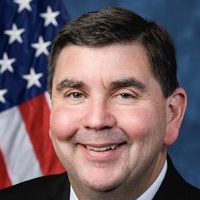
This bill officially renames the U.S. Postal Service facility at 2200 South Salina Street in Syracuse, New York, as the "Wallie Howard Jr. Post Office Building."
John Mannion
Representative
NY
John Mannion
Representative
NY
This bill officially designates the United States Postal Service facility at 2200 South Salina Street in Syracuse, New York, as the "Wallie Howard Jr. Post Office Building." This renaming standardizes all future references to the building across federal documents and records.
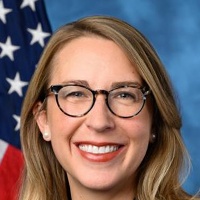
This bill recognizes and honors the International Hearing Society on its 75th anniversary for its dedication to advancing hearing healthcare and supporting hearing professionals and patients.
Hillary Scholten
Representative
MI
Hillary Scholten
Representative
MI
This bill recognizes and honors the International Hearing Society on its 75th anniversary in 2026. It celebrates the organization's history, its dedication to connecting hearing professionals, and its vital role in advancing hearing health care. The legislation also commends the Society for its advocacy work to improve patient care and expand access to quality services nationwide.
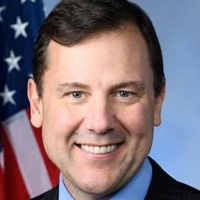
This bill establishes a whistleblower incentive and protection program within the Department of Commerce to encourage reporting of violations of U.S. export control laws, particularly concerning advanced AI chips.
Thomas Kean
Representative
NJ
Thomas Kean
Representative
NJ
This bill, the "Stop Stealing our Chips Act," establishes a new whistleblower incentive and protection program within the Department of Commerce. It rewards individuals who provide original information leading to successful enforcement actions against violations of U.S. export control laws, particularly concerning advanced AI chips. The legislation also prohibits employers from retaliating against whistleblowers who report these violations.
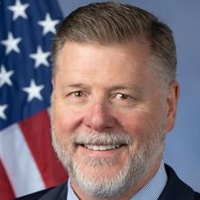
This bill amends the Food and Nutrition Act of 2008 to explicitly include hot rotisserie chicken as an eligible food item under the Supplemental Nutrition Assistance Program (SNAP).
Eric Crawford
Representative
AR
Eric Crawford
Representative
AR
This bill seeks to amend the Food and Nutrition Act of 2008 to update the definition of eligible food items for the Supplemental Nutrition Assistance Program (SNAP). Specifically, it would explicitly add hot rotisserie chicken to the list of items that can be purchased with SNAP benefits. The legislation also includes minor technical formatting updates to the existing law.
This bill recognizes the vital contributions of linemen and designates April 18, 2026, as National Lineman Appreciation Day.
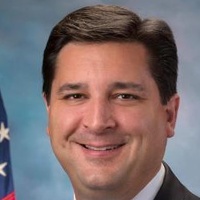
David Rouzer
Representative
NC
David Rouzer
Representative
NC
This bill officially designates April 18, 2026, as "National Lineman Appreciation Day." It recognizes the vital contributions of linemen in maintaining critical energy infrastructure and serving as essential first responders during emergencies. The resolution expresses strong support for these brave men and women who work under dangerous conditions to keep communities safe and powered.
This resolution directs the President to remove U.S. Armed Forces from hostilities with Iran, unless necessary for imminent self-defense.
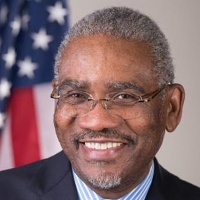
Gregory Meeks
Representative
NY
Gregory Meeks
Representative
NY
This resolution directs the President, under the War Powers Resolution, to remove U.S. Armed Forces from hostilities involving Iran. The order mandates withdrawal unless forces are necessary for imminent self-defense of the U.S. or its allies. Any continued defensive action must comply with existing War Powers reporting requirements.
This bill mandates comprehensive safety upgrades for civilian and military aviation, focusing on collision avoidance technology, air traffic control training, and enhanced airspace transparency, particularly around high-traffic airports.
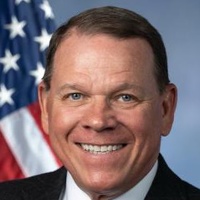
Sam Graves
Representative
MO
Sam Graves
Representative
MO
The Airspace Location and Enhanced Risk Transparency Act of 2026 mandates significant safety upgrades across both civilian and military aviation to prevent midair collisions. It requires the FAA to implement advanced collision avoidance systems and new air traffic controller training, while also compelling the Department of Defense to equip most military helicopters with transponders for increased visibility. The bill establishes new transparency measures, including public tracking of safety rule implementation and enhanced reporting on near-miss incidents, particularly around major airports like Reagan National.
This resolution honors the University of Michigan Wolverines for their historic 2026 NCAA Division I Men's Basketball Championship victory.

Debbie Dingell
Representative
MI
Debbie Dingell
Representative
MI
This resolution formally congratulates the University of Michigan men's basketball team on winning the 2026 NCAA Division I National Championship. It honors the players, coaching staff, and the university community for their historic season and record-breaking performance. The bill further invites the team to be recognized at the United States Capitol for their achievement.
This bill extends the Health Coverage Tax Credit through December 31, 2029.
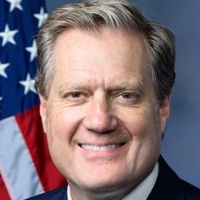
Michael Turner
Representative
OH
Michael Turner
Representative
OH
The Health Coverage Tax Credit Reauthorization Act of 2026 extends the existing health coverage tax credit through December 31, 2029. This legislation ensures continued financial support for eligible individuals by updating the Internal Revenue Code to reflect the new expiration date.
This Act mandates federal oversight and new rules for large data centers connecting to the electric grid, requiring them to pay for associated infrastructure costs and adhere to labor and clean energy standards.
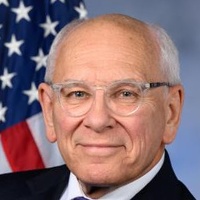
Paul Tonko
Representative
NY
Paul Tonko
Representative
NY
The Power for the People Act of 2026 aims to hold large data centers accountable for their significant and growing impact on the electric grid and consumer energy bills. It mandates that the Federal Energy Regulatory Commission (FERC) establish a special interconnection queue prioritizing data centers that use clean energy, pay prevailing wages, and agree to load flexibility. Furthermore, the bill requires states to consider creating special electricity rate classes so that data centers pay the full cost of necessary local grid upgrades instead of passing those costs to other ratepayers.