Legislative Activity
Track Jennifer's sponsored bills, co-sponsored legislation, and voting record
This bill recognizes the historic significance of the Greensboro Four sit-in, which launched a nationwide movement against racial inequality, and encourages its inclusion in educational curricula.
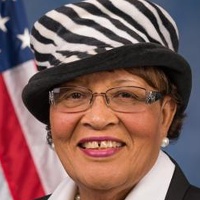
Alma Adams
Representative
NC
Alma Adams
Representative
NC
This bill recognizes the historic 1960 Greensboro Four sit-in, honoring the students whose peaceful protest launched a nationwide movement against segregation. It designates February 1, 2026, as the 66th anniversary, coinciding with the start of Black History Month. Furthermore, the bill encourages states to include the Greensboro Four's contributions in educational curricula.
The Rebuild America’s Schools Act of 2026 establishes federal grant and bond programs to provide billions of dollars for the long-term improvement, modernization, and repair of public school facilities, prioritizing health, safety, and environmental conditions in high-need districts.
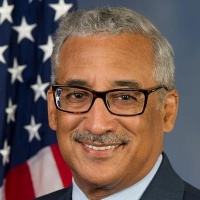
Robert Scott
Representative
VA
Robert Scott
Representative
VA
The **Rebuild America’s Schools Act of 2026** establishes major federal funding streams, including grants and tax-credit bonds, to modernize and repair public school facilities nationwide from 2027 through 2031. The legislation prioritizes districts with the greatest need, focusing on improving student health, safety, and environmental conditions in school buildings. It also mandates increased transparency through public databases tracking facility conditions and requires specific labor and "Buy America" standards for funded construction projects.
This bill mandates a Congressional Budget Office study on the long-term economic and societal impacts of immigration policies implemented starting in 2025.

Yassamin Ansari
Representative
AZ
Yassamin Ansari
Representative
AZ
This act mandates the Congressional Budget Office, in collaboration with the Council of Economic Advisers, to conduct a comprehensive study on the long-term economic impacts of potential mass deportation policies enacted after January 20, 2025. The study will analyze effects on industries, public safety, GDP, tax revenue, and more over a 20 to 40-year period. Relevant federal agencies are required to provide necessary data to complete this analysis.
This resolution supports the goals of National Black HIV/AIDS Awareness Day by encouraging testing, commending service organizations, and advocating for strategies to reduce HIV disparities in Black communities.
Maxine Waters
Representative
CA
Maxine Waters
Representative
CA
This resolution supports the goals of National Black HIV/AIDS Awareness Day by recognizing the disproportionate impact of HIV on Black Americans. It encourages testing, commends organizations providing culturally competent care, and supports the implementation of the National HIV/AIDS Strategy to reduce disparities. The bill also calls for prioritizing funding for minority-led agencies and addressing systemic barriers to care.
This Act establishes minimum humane standards for ICE detention facilities, mandates public reporting and real-time health tracking systems, and strengthens oversight to ensure detainee welfare.
Yassamin Ansari
Representative
AZ
Yassamin Ansari
Representative
AZ
The Stop Inhumane Conditions in ICE Detention Act of 2026 mandates minimum health, safety, and legal standards for all ICE detention facilities, prohibiting funding for non-compliant sites. It establishes rigorous, real-time health reporting systems and requires unannounced inspections with penalties, including contract termination, for facilities that fail to meet these standards. Furthermore, the bill creates anonymous complaint channels and mandates annual audits focusing on gender-related health protections.
The Drain ICE Act of 2026 seeks to repeal specific sections of a previous law and rescind related funding, citing concerns over the Trump Administration's immigration enforcement practices, detention conditions, and resource allocation.
Yassamin Ansari
Representative
AZ
Yassamin Ansari
Representative
AZ
The Drain ICE Act of 2026 aims to fundamentally reform immigration enforcement by repealing specific sections of a prior law (Public Law 11921) and rescinding associated funding. This legislation is introduced in response to Congressional findings detailing concerns over mass deportation policies, inhumane detention conditions, and the detention of non-criminal individuals under the Trump Administration. The bill seeks to end practices deemed contrary to constitutional protections and human rights in immigration enforcement.
This act establishes the Commission on American Leadership in Robotics to review robotics advancements and recommend policies to Congress to secure U.S. economic competitiveness and national security in the field.
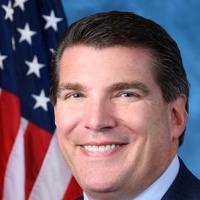
Jay Obernolte
Representative
CA
Jay Obernolte
Representative
CA
This act establishes the Commission on American Leadership in Robotics to review advancements in robotics impacting U.S. economic competitiveness and national security. The Commission is tasked with making policy recommendations to Congress regarding technological advantage, supply chains, and workforce development in the robotics sector. It must submit an interim report within one year and a final report with recommendations within two years before terminating.
This act mandates a study on the role of artificial intelligence in enhancing and securing the nation's telecommunications networks.

Robert Menendez
Representative
NJ
Robert Menendez
Representative
NJ
The AI for Secure Networks Act directs the Secretary of Commerce to study the impact of artificial intelligence on telecommunications network security. This study will examine how AI can enhance network security, resiliency, and efficiency, including its application with Open RAN and virtualized technologies. The resulting report, submitted to Congress, will detail findings and may include legislative recommendations.
This Act establishes a national system for tracking and publicly reporting judgments and settlements related to law enforcement misconduct across federal, state, and local agencies.
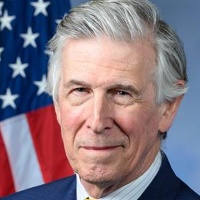
Donald Beyer
Representative
VA
Donald Beyer
Representative
VA
The Cost of Police Misconduct Act of 2026 establishes a national system for tracking and publicly reporting all financial judgments and settlements related to law enforcement misconduct. This requirement applies to federal, state, and local agencies, mandating detailed annual data collection on allegations, officer demographics, and payment sources. The collected information will be compiled into a public, searchable database maintained by the Department of Justice. Non-compliant state and local jurisdictions face potential reductions in federal grant funding.
This bill establishes a civil remedy allowing individuals to sue the U.S. government for constitutional rights violations committed by ICE or CBP officers.
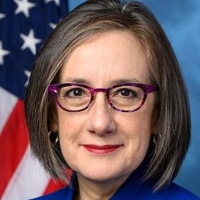
Andrea Salinas
Representative
OR
Andrea Salinas
Representative
OR
The ICE and CBP Constitutional Accountability Act establishes a civil remedy allowing individuals to sue the U.S. government for constitutional rights violations committed by ICE or CBP officers. This bill holds the government financially liable for unlawful enforcement actions, even if they contradict official policy. It specifically waives sovereign immunity for these claims and permits plaintiffs to seek punitive damages.
This bill seeks to disapprove and nullify the Department of Veterans Affairs' final rule regarding "Reproductive Health Services."
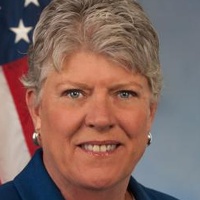
Julia Brownley
Representative
CA
Julia Brownley
Representative
CA
This resolution seeks to disapprove the Department of Veterans Affairs' final rule concerning "Reproductive Health Services" issued in September 2024. If enacted, this disapproval, made under the Congressional Review Act, would prevent the VA rule from taking legal effect.
This bill mandates the removal of U.S. Armed Forces from Venezuela unless explicitly authorized by Congress.
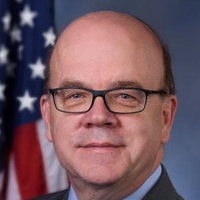
James McGovern
Representative
MA
James McGovern
Representative
MA
This bill mandates the President to withdraw all United States Armed Forces from Venezuela. This action is required unless Congress has formally declared war or passed specific legislation authorizing the use of military force in that country.
This resolution expresses the House's sense that protecting women's rights and leadership is critical for Haiti's stability while condemning current failures in centering their needs and calling for urgent human rights measures.

Yvette Clarke
Representative
NY
Yvette Clarke
Representative
NY
This resolution asserts that advancing the rights of women and girls in Haiti is crucial for the nation's stability and successful transition from crisis. It condemns the widespread gender-based violence and the exclusion of women from leadership roles in the transitional government. The bill calls for urgent measures to center women's needs, ensure their representation in government, and prioritize funding for survivor services and accountability for violence.
This act establishes the Domestic Cotton Consumption Credit to incentivize businesses to use U.S.-grown cotton through a verified supply chain with varying credit percentages based on processing location.
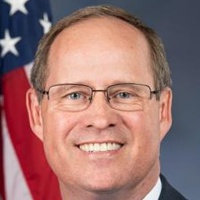
Gregory Murphy
Representative
NC
Gregory Murphy
Representative
NC
The Buying American Cotton Act of 2026 establishes the Domestic Cotton Consumption Credit to incentivize the use of U.S.-grown cotton in products sold domestically. This new business tax credit is calculated based on the volume of U.S. cotton used, the market price, and where the product was processed. The bill mandates digital tracing to verify the supply chain and offers significantly increased credit multipliers for products containing U.S.-made cotton yarn or fabric.
This bill prohibits political appointees from managing NIH programs or participating in NIH funding decisions, and prevents the NIH from unilaterally canceling existing research agreements without documented findings of mismanagement or fraud.

Diana DeGette
Representative
CO
Diana DeGette
Representative
CO
The Follow the Science Act aims to insulate the National Institutes of Health (NIH) from political influence by prohibiting most political appointees from working on or managing NIH programs. This legislation specifically bars political employees from participating in the review, selection, or awarding of NIH grants and contracts. Furthermore, it restricts the NIH Director from canceling or delaying existing funding agreements unless specific findings of mismanagement or fraud are documented and reported to Congress.
The PORCUPINE Act amends the Arms Export Control Act to include Taiwan in existing certification and reporting requirements and mandates a feasibility study for expediting military equipment transfers to Taiwan from key allies.

Robert Wittman
Representative
VA
Robert Wittman
Representative
VA
The PORCUPINE Act amends the Arms Export Control Act to formally include Taiwan in existing certification and reporting requirements. It also mandates a feasibility study for expediting the licensing process for allied nations transferring U.S.-origin military equipment to Taiwan. The legislation is intended to enhance security cooperation while affirming that it does not alter existing U.S. policy as defined by the Taiwan Relations Act.
This bill impeaches Secretary of Homeland Security Kristi Lynn Arnold Noem for high crimes and misdemeanors, citing willful refusal to comply with oversight law, violating the Impoundment Control Act, directing unlawful ICE misconduct, and misusing federal funds for personal gain.
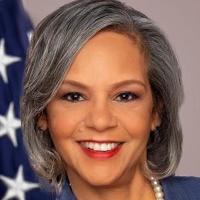
Robin Kelly
Representative
IL
Robin Kelly
Representative
IL
This resolution initiates impeachment proceedings against Secretary of Homeland Security Kristi Lynn Arnold Noem for high crimes and misdemeanors. The articles of impeachment charge her with willfully refusing to comply with Congressional oversight laws and violating the Impoundment Control Act by improperly withholding funds. Further articles allege she directed widespread misconduct by ICE agents that violated federal law and constitutional rights, and misused taxpayer funds for personal gain through improper contracting.
This resolution recognizes and honors Delta Sigma Theta Sorority, Incorporated, on its 113th anniversary for its extensive legacy of service, global reach, and commitment to community upliftment.

Summer Lee
Representative
PA
Summer Lee
Representative
PA
This resolution recognizes and honors Delta Sigma Theta Sorority, Incorporated, on its 113th anniversary. It celebrates the sorority's founding by 22 women at Howard University and commends its legacy of service through its Five-Point Program Thrust. The bill further acknowledges the organization's vast global impact and commitment to democratic participation and humanitarian efforts.
This resolution designates January 13th as Korean American Day to honor the contributions of Korean Americans and recognize the anniversary of the first Korean immigrants' arrival.
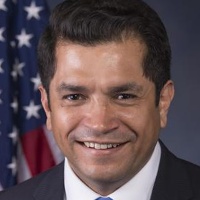
Jimmy Gomez
Representative
CA
Jimmy Gomez
Representative
CA
This resolution officially designates January 13th as Korean American Day. It expresses support for the day's ideals and encourages Americans to observe it. The resolution also honors the 123rd anniversary of the first Korean immigrants arriving in the United States.
This bill prohibits the use of federal funds to support Venezuela's oil and petroleum infrastructure and requires an annual report from the Secretary of State on compliance.
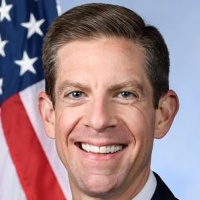
Mike Levin
Representative
CA
Mike Levin
Representative
CA
This bill prohibits the use of any federal funds to support, finance, or insure Venezuela's oil and petroleum infrastructure. It ensures taxpayer money is not used to aid the development or expansion of the Venezuelan oil sector. Furthermore, the Secretary of State must submit an annual report to Congress detailing compliance with this prohibition.