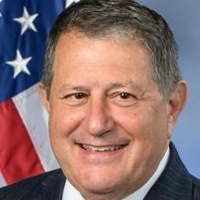
Legislative Activity
Track Joseph's sponsored bills, co-sponsored legislation, and voting record
The COOL OFF Act establishes a mandatory 3-day waiting period for handgun transfers, with specific exceptions for law enforcement, family loans, emergencies, and certain target practice or hunting scenarios.
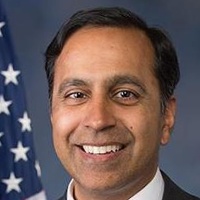
Raja Krishnamoorthi
Representative
IL
Raja Krishnamoorthi
Representative
IL
The Choosing Our Own Lives Over Fast Firearms Act, or COOL OFF Act, establishes a mandatory 3-business-day waiting period before an individual can receive a handgun, whether through a private sale or from a licensed dealer. This waiting period is waived for specific exceptions, such as transfers involving law enforcement, temporary family loans, or emergency situations to prevent serious harm. The law includes penalties for violations and will take effect 90 days after enactment.
This resolution expresses Congress's commitment to actively restoring the climate by reducing atmospheric $\text{CO}_2$ to safe pre-industrial levels for future generations.
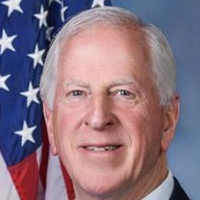
Mike Thompson
Representative
CA
Mike Thompson
Representative
CA
This resolution expresses the sense of Congress that the United States must commit to actively restoring the climate, not just slowing emissions. It establishes the goal of reducing atmospheric $\text{CO}_2$ to safe, pre-industrial levels below 300 $\text{ppm}$ by supporting research and deployment of carbon removal technologies. Ultimately, the bill frames climate restoration as an urgent priority and an obligation to future generations to mitigate severe climate impacts.
The EACH Act of 2025 mandates that all federally funded health programs and facilities must cover and provide abortion services, while also prohibiting federal interference with private insurance coverage.
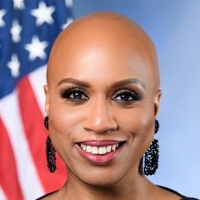
Ayanna Pressley
Representative
MA
Ayanna Pressley
Representative
MA
The EACH Act of 2025 aims to ensure equal access to abortion coverage by requiring all federally funded health programs and facilities to cover abortion services. This legislation prohibits federal interference with state or private insurance coverage of abortion and repeals Section 1303 of the Affordable Care Act. Ultimately, the bill seeks to eliminate financial and insurance barriers to abortion care, particularly for low-income individuals relying on programs like Medicaid.
This bill expands the geographic jurisdiction of the Northern Border Regional Commission to include Ontario County.

Claudia Tenney
Representative
NY
Claudia Tenney
Representative
NY
This bill proposes to expand the geographic jurisdiction of the Northern Border Regional Commission. Specifically, it amends federal law to include Ontario County within the region covered by the Commission. This action will allow Ontario County to benefit from the Commission's programs and resources.
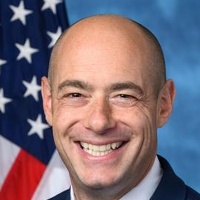
The NOPAIN for Veterans Act mandates the Department of Veterans Affairs to promptly add specific non-opioid pain medications to its National Formulary.
Greg Landsman
Representative
OH
Greg Landsman
Representative
OH
The NOPAIN for Veterans Act mandates that the Department of Veterans Affairs (VA) must promptly add specific, FDA-approved non-opioid pain medications to its National Formulary. This ensures veterans have access to alternative pain management options that do not rely on opioids. The VA is required to implement these changes within 90 days of the Act becoming law.
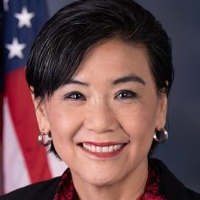
This Act mandates federal standards requiring employers to implement comprehensive heat illness and injury prevention programs to protect workers from dangerous heat stress.
Judy Chu
Representative
CA
Judy Chu
Representative
CA
The Asunción Valdivia Heat Illness, Injury, and Fatality Prevention Act of 2025 mandates that employers protect workers from dangerous heat stress by establishing comprehensive safety standards. This Act requires the Secretary of Labor to create evidence-based rules covering engineering controls, administrative procedures, required training, and paid rest breaks to prevent heat-related illness. Furthermore, the law establishes strict enforcement mechanisms, whistleblower protections, and specific timelines for the implementation of these new federal heat protection standards.
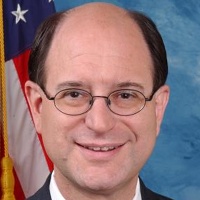
This bill authorizes the creation and sale of commemorative coins for the 2028 Los Angeles and 2034 Salt Lake City Olympic and Paralympic Games to help fund the events, with all surcharges going to the respective organizing committees after covering production costs.
Brad Sherman
Representative
CA
Brad Sherman
Representative
CA
This Act authorizes the Secretary of the Treasury to mint and sell special commemorative coins for the 2028 Los Angeles Olympic and Paralympic Games and the 2034 Salt Lake City Winter Olympic and Paralympic Games. The coins will feature designs celebrating American athletes and the Games themselves. All surcharges collected from the sale of these coins will be directed to the respective organizing committees to help fund the events and related youth sports programs. The entire program must be conducted at no cost to the U.S. Government.
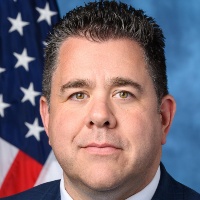
This resolution expresses the sense of Congress demanding that Serbia investigate and prosecute those responsible for the 1999 execution-style murders of U.S. citizens Ylli, Agron, and Mehmet Bytyqi.
Nicolas LaLota
Representative
NY
Nicolas LaLota
Representative
NY
This resolution expresses the sense of Congress regarding the unsolved, execution-style murders of U.S. citizens Ylli, Agron, and Mehmet Bytyqi in Serbia in 1999. Congress demands that the Serbian government prioritize investigating and prosecuting all individuals responsible for the brothers' deaths. Furthermore, the resolution states that Serbia's progress in achieving justice for the Bytyqi brothers will significantly impact the future U.S.-Serbia relationship.
This resolution expresses support for designating July 10th as Journeyman Lineworkers Recognition Day to honor the dangerous and essential service provided by these workers, especially during crises.
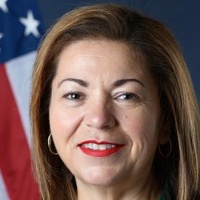
Linda Sánchez
Representative
CA
Linda Sánchez
Representative
CA
This resolution expresses support for designating July 10th as Journeyman Lineworkers Recognition Day. It honors the essential and dangerous work performed by these skilled professionals, especially their heroic efforts in restoring power after major disasters. The day serves to recognize their service and remember those who have lost their lives performing this vital work.
This resolution condemns Russia's forced deportation and Russification of Ukrainian children and demands their return before any final peace agreement is reached.
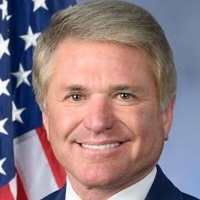
Michael McCaul
Representative
TX
Michael McCaul
Representative
TX
This resolution strongly condemns Russia for the abduction and forced "Russification" of Ukrainian children, highlighting these actions as grave violations of international law. It emphasizes that these children must be safely returned to Ukraine before any final peace agreement to end the war is considered. The document also underscores the heightened risks of trafficking, violence, and trauma faced by Ukrainian children due to the ongoing invasion.
This Act mandates annual appropriations law training for certain federal employees in covered positions and establishes penalties for noncompliance.

Marcy Kaptur
Representative
OH
Marcy Kaptur
Representative
OH
The Appropriations Compliance and Training Act mandates annual training on federal appropriations law for certain high-level government employees in covered positions. This ensures employees handling federal funds understand key spending rules, such as the bona fide needs rule and relevant statutes. Agencies must track completion, and non-compliant employees face escalating penalties, including loss of spending authority and IT access.
This Act strengthens protections for domestic violence and stalking survivors by expanding the definition of an intimate partner, clarifying dating relationships, protecting children of dating partners, and prohibiting firearm possession for those convicted of misdemeanor stalking.

Debbie Dingell
Representative
MI
Debbie Dingell
Representative
MI
The Strengthening Protections for Domestic Violence and Stalking Survivors Act of 2025 updates federal law to broaden protections against intimate partner violence by expanding the definition of an "intimate partner" to explicitly include dating relationships. This bill also introduces a new federal prohibition on firearm possession for individuals convicted of a misdemeanor crime of stalking. These changes aim to close loopholes and ensure comprehensive safety measures for survivors of abuse and harassment.
This Act mandates a comprehensive, publicly accessible survey of grape production data, followed by annual data releases for the top five producing states.
Claudia Tenney
Representative
NY
Claudia Tenney
Representative
NY
The Fairness in Vineyard Data Act mandates the Secretary of Agriculture to conduct a comprehensive, public survey of grape production across all states. Following this initial survey, the government must annually publish detailed data for the top five grape-producing states for three years. This legislation aims to increase transparency and public access to crucial grape industry statistics.
The CONNECT for Health Act of 2025 permanently expands Medicare telehealth access by removing geographic restrictions, increasing practitioner flexibility, bolstering program integrity, and mandating supports for quality remote care delivery.
Mike Thompson
Representative
CA
Mike Thompson
Representative
CA
The CONNECT for Health Act of 2025 significantly expands and permanently secures access to Medicare telehealth services by eliminating outdated geographic restrictions and allowing more practitioners to offer remote care. The bill also strengthens program integrity by dedicating funds for telehealth oversight while clarifying rules around providing necessary technology to patients. Finally, it mandates the creation of tailored educational resources and public reporting to improve quality measurement and transparency in remote care delivery.
The PRIDE Act of 2025 extends the deadline for certain married couples to file joint tax returns based on past marriage recognition and updates the Internal Revenue Code with gender-neutral language for all married individuals.
Judy Chu
Representative
CA
Judy Chu
Representative
CA
The PRIDE Act of 2025 aims to update the Internal Revenue Code to ensure equal treatment and inclusive language for all married couples. It extends the deadline for certain legally married couples to file amended joint tax returns following past recognition changes. Furthermore, the bill systematically replaces gendered terms like "husband," "wife," and "his" with gender-neutral language such as "spouse" and "individual" across numerous tax provisions. These changes ensure consistent, equitable application of tax law regardless of gender identity.
This resolution expresses Congressional support for LGBTQI+ equality and designates June 26th as "LGBTQI+ Equality Day" to commemorate key legal victories and highlight the need for further anti-discrimination legislation.
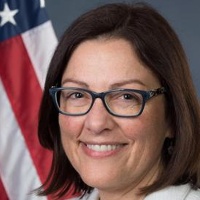
Suzan DelBene
Representative
WA
Suzan DelBene
Representative
WA
This resolution expresses the House's support for the rights and freedoms of LGBTQI+ individuals across the United States. It recognizes key Supreme Court decisions that advanced equality and highlights the ongoing need for comprehensive legal protections against discrimination. Finally, the bill proposes designating June 26th as "LGBTQI+ Equality Day" to commemorate these legal victories.
The Equal Dignity for Married Taxpayers Act updates the Internal Revenue Code by replacing gendered language with gender-neutral terms to ensure consistent and equal application of tax laws for all legally married couples.
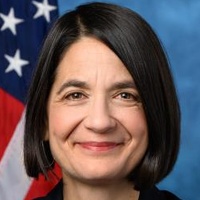
Becca Balint
Representative
VT
Becca Balint
Representative
VT
The Equal Dignity for Married Taxpayers Act modernizes the Internal Revenue Code by replacing gendered language with gender-neutral terms for all legally married couples. This sweeping update ensures consistency across tax rules regarding filing status, deductions, and credits, regardless of the spouses' genders. The bill clarifies that married couples are often treated as a single entity for specific tax purposes. Ultimately, this legislation updates terminology to reflect equal dignity for all married taxpayers.
This Act increases the federal matching rate for Medicaid expenditures made by states on expanded maternal health services provided by qualified providers.
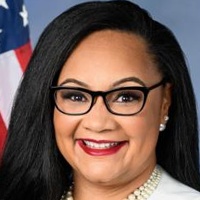
Nikema Williams
Representative
GA
Nikema Williams
Representative
GA
The Advancing Maternal Health Equity Under Medicaid Act aims to increase federal funding for states that expand Medicaid coverage for maternal health services. This bill provides a higher Federal Medical Assistance Percentage (FMAP) to cover 90% of a state's increased expenditures on qualifying prenatal, postpartum, and related support services. To qualify, states must use these funds to supplement existing spending and improve the quality and capacity of care delivered by designated maternity providers and perinatal health workers.
This resolution recognizes the right to peaceful protest while condemning violence and criticizing the federal government's controversial deployment of military forces during recent Los Angeles demonstrations.
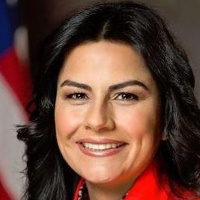
Nanette Barragán
Representative
CA
Nanette Barragán
Representative
CA
This resolution formally recognizes the constitutional right to peaceful protest while strongly condemning violence and illegal acts committed during demonstrations. It criticizes the federal government's deployment of military forces during recent events, arguing the actions were an overreach that bypassed proper legal and state authority. Ultimately, the bill asserts the importance of transparency in law enforcement and denounces rhetoric that escalates community tensions.
This Act requires group health plans to ensure that patient cost-sharing for medically necessary oral cancer drugs is comparable to that for intravenously administered cancer drugs.
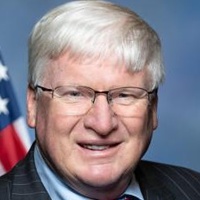
Glenn Grothman
Representative
WI
Glenn Grothman
Representative
WI
The Cancer Drug Parity Act of 2025 mandates that group health plans treat the cost-sharing for oral (take-at-home) anticancer drugs the same as they treat cost-sharing for intravenously administered cancer drugs. This ensures patients do not face higher out-of-pocket expenses for necessary oral chemotherapy medications. The Act also requires the GAO to study the financial impact of this new parity requirement on patients.