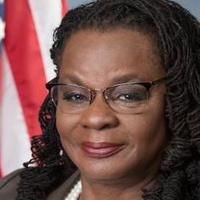
Legislative Activity
Track Gwen's sponsored bills, co-sponsored legislation, and voting record
This bill mandates the registration and public reporting of NIH-funded clinical trial results, establishes diversity goals for participant recruitment, and funds public education campaigns to address participation barriers.
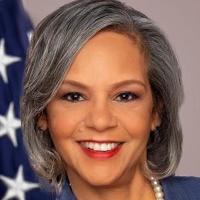
Robin Kelly
Representative
IL
Robin Kelly
Representative
IL
The NIH Clinical Trial Integrity Act mandates the public registration and timely reporting of results for all NIH-funded clinical trials. It also establishes strict diversity goals for participant recruitment based on race, ethnicity, age, and sex, requiring detailed plans to achieve representation. Furthermore, the bill authorizes a study on eliminating participant cost barriers and funds a national campaign to boost public awareness of diverse trial participation.
This bill mandates the removal of U.S. Armed Forces from hostilities within or against Venezuela unless explicitly authorized by Congress.
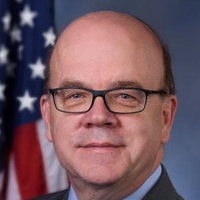
James McGovern
Representative
MA
James McGovern
Representative
MA
This bill mandates the President to immediately remove all United States Armed Forces from hostilities within or against Venezuela. This action is required unless Congress has specifically authorized the use of military force. The legislation aims to ensure that military engagement in Venezuela requires explicit Congressional approval.
This Act establishes a comprehensive federal strategy to combat rising antisemitism through policy statements, enhanced security grants, improved hate crime reporting, and specific mandates for educational institutions and federal agencies, while prohibiting the weaponization of antisemitism for partisan goals.
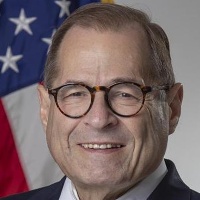
Jerrold Nadler
Representative
NY
Jerrold Nadler
Representative
NY
The Antisemitism Response and Prevention Act of 2025 aims to combat rising antisemitism through comprehensive federal action, emphasizing evidence-based strategies consistent with democratic values. The bill establishes new offices within the DOJ and FBI to coordinate counter-efforts and improve hate crime data collection. Furthermore, it mandates specific compliance and reporting requirements for colleges regarding civil rights and prohibits partisan conditions on nonprofit security grants.
The Schedules That Work Act establishes rights for employees to request flexible schedules, mandates advance notice and predictability pay for schedule changes in covered sectors, and grants employees rest time between shifts.

Rosa DeLauro
Representative
CT
Rosa DeLauro
Representative
CT
The Schedules That Work Act aims to provide workers with greater stability and predictability in their work hours. It grants employees the right to request flexible or stable schedules and requires employers to engage in a good-faith discussion about these requests. For covered sector employees (like retail and food service), the bill mandates 14 days' advance notice of schedules and establishes "predictability pay" for last-minute changes or split shifts. The Act also grants employees the right to 11 hours of rest between shifts, with premium pay required if this rest period is violated.
This act removes the White House and its grounds from a specific list of protected properties under existing historic preservation law.
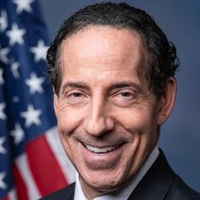
Jamie Raskin
Representative
MD
Jamie Raskin
Representative
MD
The People's White House Historic Preservation Act removes the White House and its grounds from a specific list of properties under current preservation law. This action reclassifies the status of the White House regarding federal historic preservation regulations.
This bill establishes a Diversity and Inclusion Administrator, requires apprenticeship programs to submit plans to increase African American participation, and authorizes grants to expand diversity in registered apprenticeship programs.
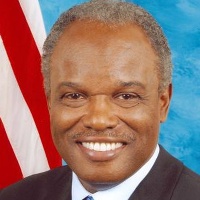
David Scott
Representative
GA
David Scott
Representative
GA
This Act addresses the significant unemployment disparities faced by young African Americans by strengthening pathways into registered apprenticeship programs. It establishes a Diversity and Inclusion Administrator within the Department of Labor to promote greater participation from underrepresented groups. Furthermore, the bill authorizes a competitive grant program to help entities create or expand apprenticeships, requiring applicants to submit plans specifically aimed at increasing African American enrollment.
This bill authorizes Congress to award Congressional Gold Medals to the 1980 U.S. Men's Olympic Ice Hockey team for their historic "Miracle on Ice" victory.
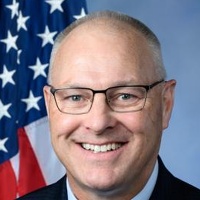
Pete Stauber
Representative
MN
Pete Stauber
Representative
MN
This bill, the Miracle on Ice Congressional Gold Medal Act, officially authorizes Congress to award Congressional Gold Medals to the 1980 U.S. Men's Olympic Ice Hockey Team for their historic "Miracle on Ice" victory. The medals will be struck by the Treasury and permanently displayed at specific national sports museums. The Act also permits the sale of duplicate bronze medals to cover production costs.
This act nullifies a recent Executive Order regarding federal labor relations and ensures existing collective bargaining agreements remain in effect.
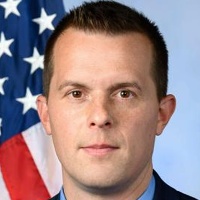
Jared Golden
Representative
ME
Jared Golden
Representative
ME
The Protect America's Workforce Act nullifies a specific Executive Order issued in March 2025 concerning exclusions from federal labor-management relations programs. This legislation ensures that any existing collective bargaining agreements between federal agencies and employee unions remain fully in effect until their stated expiration dates. The Act also prohibits the use of federal funds to implement the overturned Executive Order.
This bill establishes the Federal Food Administration within the Department of Health and Human Services to oversee food safety, inspection, and regulation, transferring relevant authority from the FDA.
Rosa DeLauro
Representative
CT
Rosa DeLauro
Representative
CT
The Federal Food Administration Act of 2025 establishes a new independent agency, the Federal Food Administration, within the Department of Health and Human Services to oversee food safety and nutrition. This Act transfers all food-related regulatory authority from the FDA to this new Administration, led by a Commissioner of Foods. The new agency is mandated to implement a risk-based inspection program for food facilities and promote public health through research and timely action on food products.
This resolution commends state and local governments for championing reproductive rights as human rights while condemning abortion restrictions and criminalization following the *Dobbs* decision.
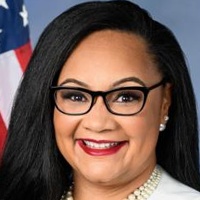
Nikema Williams
Representative
GA
Nikema Williams
Representative
GA
This concurrent resolution commends state and local governments for championing reproductive rights as human rights following the overturning of *Roe v. Wade*. It declares that denying abortion care leads to severe health risks and highlights the criminalization of pregnancy outcomes across the U.S. The resolution urges states to repeal abortion restrictions and affirm that reproductive rights are fundamental human rights.
This bill significantly increases civil penalties across various federal labor laws, strengthens enforcement for health plan compliance, establishes penalties for employer unfair labor practices, and treats certain recordkeeping failures as continuing violations.
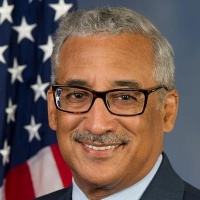
Robert Scott
Representative
VA
Robert Scott
Representative
VA
The Labor Enforcement to Securely Protect Workers (LETS Protect Workers) Act significantly increases civil penalties for violations across major federal labor laws, including child labor, wage and hour, and workplace safety standards. It strengthens enforcement mechanisms for mine safety violations and retaliation against miners, while also establishing new penalties for employer unfair labor practices under the National Labor Relations Act. Furthermore, the bill enhances enforcement for health plan parity and makes certain recordkeeping failures under OSHA and FLSA continuing violations.
This act waives entrance fees for all National Parks and National Wildlife Refuges on Federal holidays.
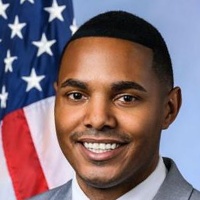
Ritchie Torres
Representative
NY
Ritchie Torres
Representative
NY
The Our Parks Act aims to increase public access to federal lands by eliminating entrance fees at National Parks and National Wildlife Refuges on all Federal holidays. This legislation directs the Secretary of the Interior to waive any normally charged admission fees on these designated days.
This resolution expresses the House's support for victim service providers who offer critical physical, mental, emotional, financial, and legal assistance to survivors of domestic violence, sexual assault, and stalking.

Debbie Dingell
Representative
MI
Debbie Dingell
Representative
MI
This resolution expresses the sense of the House of Representatives supporting the critical role of victim service providers. It recognizes these organizations for offering comprehensive physical, mental, emotional, financial, and legal support to survivors of domestic violence, sexual assault, and stalking. The bill acknowledges that these essential providers are often under-resourced and calls for meaningful investment in their lifesaving work.
This act ensures public broadcasting entities have a dedicated annual application period to receive grants for the Next Generation Warning System.
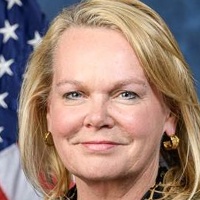
April McClain Delaney
Representative
MD
April McClain Delaney
Representative
MD
The Emergency Alert Grant Fairness Act ensures public broadcasting entities have an annual opportunity to apply for FEMA's Next Generation Warning System grants. This legislation mandates that the application period for these critical warning system grants remains open for at least 30 days each year.
The Dignity for Detained Immigrants Act establishes comprehensive standards, rigorous oversight, and new custody procedures to ensure humane treatment and due process for all noncitizens detained by the Department of Homeland Security, while phasing out for-profit detention facilities.
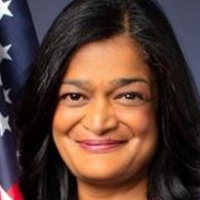
Pramila Jayapal
Representative
WA
Pramila Jayapal
Representative
WA
The Dignity for Detained Immigrants Act aims to overhaul immigration detention by establishing mandatory, high standards based on ABA guidelines and increasing transparency through rigorous, unannounced inspections. The bill prohibits the use of private, for-profit detention facilities within three years and ends the mandatory detention of most noncitizens, prioritizing release or community-based alternatives. Furthermore, it establishes new due process rights, including timely custody hearings, a presumption of release, and prohibitions on detaining children or using solitary confinement.
This Act officially recognizes the installation of mechanical insulation in federal buildings as a qualifying energy or water efficiency measure.
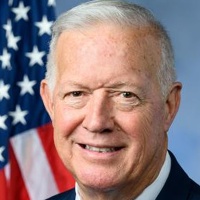
Randy Weber
Representative
TX
Randy Weber
Representative
TX
The Federal Mechanical Insulation Act officially recognizes the installation of mechanical insulation in federal buildings as a qualifying energy or water efficiency measure. This legislation defines compliant mechanical insulation as meeting or exceeding ASHRAE Standard 90.1 requirements and resulting in energy loss reduction. Furthermore, the Act mandates that comprehensive evaluations of federal buildings must identify these specific energy and water-saving insulation opportunities.
This bill withdraws Oak Flat from mineral entry and cancels the land exchange to prevent foreign mining operations by Resolution Copper.
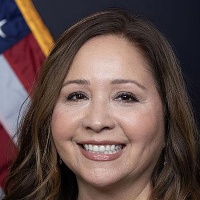
Adelita Grijalva
Representative
AZ
Adelita Grijalva
Representative
AZ
This bill, the Save Oak Flat from Foreign Mining Act, withdraws approximately 2,422 acres of Forest Service land known as Oak Flat in Arizona from all forms of mineral entry and development. It specifically cancels the prior land exchange that would have transferred the land to Resolution Copper Mining, LLC. The Act prohibits the transfer of Oak Flat to the foreign-backed mining venture, citing national security and environmental concerns.
This resolution commemorates World AIDS Day by recognizing global and domestic progress, highlighting ongoing challenges, and encouraging continued support for ending the HIV epidemic by 2030.
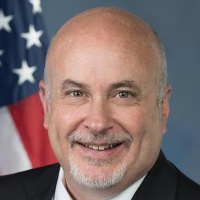
Mark Pocan
Representative
WI
Mark Pocan
Representative
WI
This resolution commemorates World AIDS Day and recognizes significant progress made in combating HIV/AIDS globally and domestically through programs like PEPFAR and the Ryan White Act. It highlights ongoing challenges, particularly disparities in impact, while encouraging continued robust funding for research, prevention, and treatment efforts worldwide. The resolution supports the goal of ending the HIV epidemic by 2030 through zero new transmissions and zero discrimination.
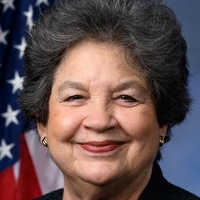
This act establishes a grant program to help colleges and universities create and operate dedicated Student Veteran Centers to support the academic and transitional success of student veterans.
Lois Frankel
Representative
FL
Lois Frankel
Representative
FL
The Veteran Education Empowerment Act establishes a grant program to help colleges and universities create and operate dedicated Student Veteran Centers. These centers will serve as centralized hubs to coordinate academic support, transition services, and community building for student veterans. The bill authorizes funding for these grants, which can be used for establishing and operating the centers, with specific reporting requirements to track effectiveness.
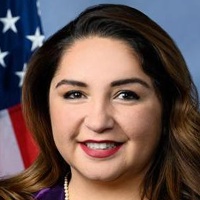
This resolution declares that reproductive justice and immigrant justice are inseparable and calls for ending discriminatory barriers to comprehensive reproductive healthcare for all immigrants.
Delia Ramirez
Representative
IL
Delia Ramirez
Representative
IL
This resolution declares that immigrant justice and reproductive justice are inseparable, demanding that both movements be pursued together. It condemns systemic failures and policies that deny immigrants access to necessary reproductive health care while in custody or in the community. The resolution calls on Congress and federal agencies to eliminate barriers to health coverage and ensure equitable, comprehensive reproductive care for all individuals, regardless of immigration status.