Legislative Activity
Track Mike's sponsored bills, co-sponsored legislation, and voting record
This Act prevents the executive branch from deferring or transferring congressionally appropriated VA funds and establishes specific protections for VA personnel against hiring freezes and certain removals.
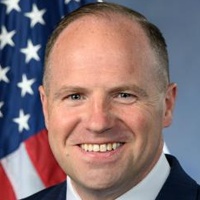
Timothy Kennedy
Representative
NY
Timothy Kennedy
Representative
NY
The VA Funding and Workforce Protection Act ensures that congressionally appropriated funds for the Department of Veterans Affairs cannot be unilaterally withheld or transferred without explicit new authorization from Congress. This legislation also provides significant protections for VA personnel by exempting the agency from presidential hiring freezes for a four-year period and establishing strict notification requirements before layoffs or removals of probationary employees can occur. Finally, the Secretary of the VA must regularly certify compliance with these new funding and personnel mandates to relevant Congressional committees.
The Affordable Housing Credit Improvement Act of 2025 updates state allocation formulas, reforms tenant eligibility and credit determination rules, and enhances assistance for Native American and rural housing projects.
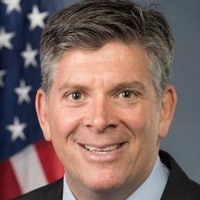
Darin LaHood
Representative
IL
Darin LaHood
Representative
IL
The Affordable Housing Credit Improvement Act of 2025 updates federal housing tax credit allocations to reflect current economic realities and boosts minimum state allotments. It reforms tenant eligibility rules to stabilize tenancy and enhance protections for vulnerable residents, including victims of abuse. The bill also provides disaster relief for property owners, increases incentives for housing the extremely low-income, and directs greater resources toward Native American and rural housing needs. Finally, it streamlines administrative processes and signals a future focus on data transparency and discouraging restrictive local zoning.
The Raise the Wage Act of 2025 gradually increases the federal minimum wage to \$17.00, phases out subminimum wages for tipped employees and workers with disabilities, and eliminates the subminimum wage for young workers.
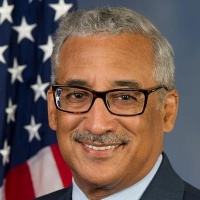
Robert Scott
Representative
VA
Robert Scott
Representative
VA
The Raise the Wage Act of 2025 establishes a phased increase of the federal minimum wage, culminating in a \$17.00 per hour rate five years after enactment, followed by automatic annual adjustments tied to median wage growth. This bill also phases out the lower minimum wage for tipped employees and workers under 20, ensuring they eventually earn the standard federal minimum wage. Furthermore, it sets a schedule to eliminate subminimum wages for individuals with disabilities and prohibits the issuance of new special certificates allowing for lower pay.
This Act establishes federal minimum standards for public employee collective bargaining rights, allowing states to maintain their own laws if they meet or exceed these standards, otherwise the Federal Labor Relations Authority will enforce federal rules.
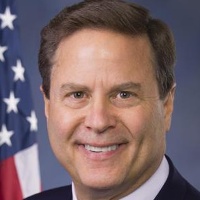
Donald Norcross
Representative
NJ
Donald Norcross
Representative
NJ
The Public Service Freedom to Negotiate Act of 2025 establishes federal minimum standards for collective bargaining rights for public employees across the nation. It requires the Federal Labor Relations Authority (FLRA) to review state laws to ensure they substantially provide these minimum rights, including the right to organize and bargain collectively. If a state fails to meet these standards, the FLRA will administer federal labor relations rules for the uncovered employees. The Act also prohibits strikes or lockouts that would measurably disrupt emergency or public safety services.
This bill establishes financial incentives for deploying grid-enhancing technologies and mandates improved reporting on transmission congestion costs.
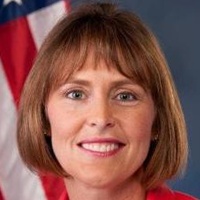
Kathy Castor
Representative
FL
Kathy Castor
Representative
FL
The Advancing GETs Act of 2025 aims to modernize the electric grid by incentivizing the adoption of Grid-Enhancing Technologies (GETs) through a shared savings program managed by FERC. The bill also mandates annual reporting on transmission congestion costs to improve transparency and requires the Department of Energy to create a public application guide and clearinghouse for GETs deployment. Ultimately, this legislation seeks to increase grid capacity, reliability, and efficiency using existing infrastructure.
The IDEA Full Funding Act establishes mandatory, increasing funding levels for the Individuals with Disabilities Education Act (IDEA) from 2026 through 2035, contingent upon offsetting budget cuts.
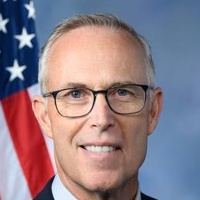
Jared Huffman
Representative
CA
Jared Huffman
Representative
CA
The IDEA Full Funding Act establishes mandatory, increasing funding levels for the Individuals with Disabilities Education Act (IDEA) programs through fiscal year 2035. This legislation sets specific appropriation targets based on student counts and national average spending to ensure greater financial support for special education services. Furthermore, the bill requires that these new IDEA appropriations adhere to "cut-as-you-go" budget offset rules.
This Act mandates the Department of Labor to establish and enforce comprehensive workplace violence prevention standards for healthcare and social service workers, while also tying compliance to Medicare funding for certain facilities.
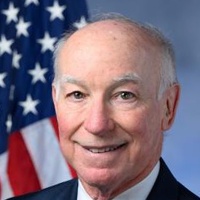
Joe Courtney
Representative
CT
Joe Courtney
Representative
CT
This Act mandates the Secretary of Labor to establish an interim and then a final standard requiring comprehensive workplace violence prevention plans for employers in the healthcare and social service sectors. These plans must be developed with employee input and detail risk assessments, hazard controls, reporting procedures, and annual training. Furthermore, the bill amends the Social Security Act to require Medicare-funded hospitals and skilled nursing facilities not covered by OSHA to comply with these new federal workplace violence prevention standards. The legislation also establishes clear definitions for workplace violence and includes strong anti-retaliation protections for employees who exercise their rights under the Act.
This Act imposes sweeping, mandatory sanctions, tariffs, and investment prohibitions on the Russian Federation and its affiliates until Russia negotiates a lasting peace with Ukraine.
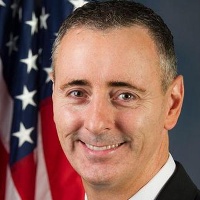
Brian Fitzpatrick
Representative
PA
Brian Fitzpatrick
Representative
PA
The Sanctioning Russia Act of 2025 imposes sweeping economic penalties on the Russian Federation in response to its aggression against Ukraine. This legislation mandates severe, immediate sanctions against key Russian officials, financial institutions, and energy sector entities, including asset freezes and trade prohibitions. Furthermore, the Act dramatically increases import duties on Russian goods and requires the President to review and reimpose these measures until Russia negotiates a lasting peace with Ukraine.
This Act establishes a program, managed by the Librarian of Congress, to create and disseminate educational resources countering denial of the Armenian Genocide.
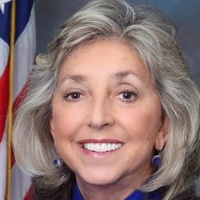
Dina Titus
Representative
NV
Dina Titus
Representative
NV
The Armenian Genocide Education Act establishes a program managed by the Librarian of Congress to develop and share educational resources combating denial of the 1915-1923 Armenian Genocide. This initiative will create online materials, train educators, and encourage the integration of accurate history into school curricula. The Act authorizes $2 million annually for five years to support these educational efforts aimed at promoting awareness and preventing future atrocities.
The FISCAL Act updates the National School Lunch Program requirements to mandate that schools offer both traditional fluid milk and plant-based milk options.
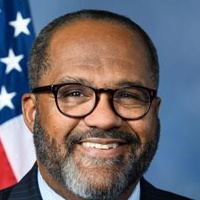
Troy Carter
Representative
LA
Troy Carter
Representative
LA
The FISCAL Act updates the National School Lunch Program requirements regarding milk offerings. This legislation mandates that schools must offer both traditional fluid milk and plant-based milk options to students. Furthermore, the bill establishes a framework for the Secretary to set nutritional standards for any qualifying plant-based milk offered under the program.
This Act expands and reforms the Low-Income Home Energy Assistance Program (LIHEAP) to increase funding, simplify eligibility, mandate energy efficiency upgrades, and protect low-income families from high utility costs and shutoffs.
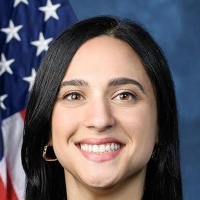
Yassamin Ansari
Representative
AZ
Yassamin Ansari
Representative
AZ
The Heating and Cooling Relief Act aims to significantly expand and modernize energy assistance for low-income families facing high utility costs and extreme weather. It increases funding for the Low-Income Home Energy Assistance Program (LIHEAP), streamlines eligibility requirements, and mandates that energy suppliers take steps to prevent shutoffs and eliminate late fees for recipients. Furthermore, the bill prioritizes using funds for weatherization and home retrofitting to reduce fossil fuel dependence and improve climate resilience for vulnerable households.
This bill designates numerous specific tracts of land across Utah as official Wilderness Areas to preserve their unique ecological, geological, and cultural values while establishing administrative rules for their management.
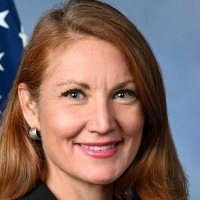
Melanie Stansbury
Representative
NM
Melanie Stansbury
Representative
NM
The America's Red Rock Wilderness Act focuses on designating numerous specific tracts of land across Utah as official Wilderness Areas, granting them the highest level of federal protection. This legislation aims to preserve the unique ecological, geological, and cultural values of these diverse landscapes from development. It also establishes administrative provisions for managing these new areas, including boundary definitions, water rights, and the continuation of existing uses like livestock grazing. Ultimately, the bill significantly expands protected wilderness in Utah while safeguarding critical natural and historical resources.
The PHIT Act of 2025 allows taxpayers to deduct up to \$1,000 annually for qualified expenses related to physical fitness, gym memberships, and exercise instruction to promote healthier lifestyles.
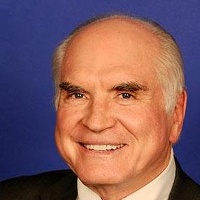
Mike Kelly
Representative
PA
Mike Kelly
Representative
PA
The Personal Health Investment Today Act of 2025 (PHIT Act) aims to improve public health by incentivizing healthier lifestyles, particularly to combat obesity. This bill allows taxpayers to treat certain qualified sports and fitness expenses, such as gym memberships and instruction fees, as deductible medical expenses. Deductions are capped annually at \$1,000 per individual or \$2,000 for joint filers.
This Act raises the minimum age for Federal Firearms Licensees to sell certain semiautomatic rifles and shotguns to 21, with exceptions for qualified individuals aged 18-20, and mandates an FBI report on its public access line operations.
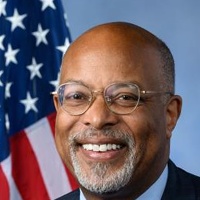
Glenn Ivey
Representative
MD
Glenn Ivey
Representative
MD
The Raise the Age Act of 2025 generally prohibits Federal Firearms Licensees from selling certain semiautomatic centerfire rifles or shotguns capable of holding magazines over five rounds to anyone under 21, with exceptions for qualified military or government personnel. The bill also maintains the existing minimum age of 18 for general firearm purchases, excluding the newly restricted categories. Finally, it mandates that the FBI Director report on the operational procedures of its public access line within 90 days of enactment.
The American Families United Act grants immigration judges and the Secretary of Homeland Security greater discretion to prevent the removal of family members of U.S. citizens when separation would cause hardship, while also allowing for the reopening of certain prior cases.
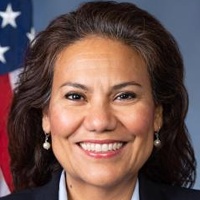
Veronica Escobar
Representative
TX
Veronica Escobar
Representative
TX
The American Families United Act grants immigration officials increased discretion to halt removal proceedings or grant immigration benefits for family members of U.S. citizens when separation would cause hardship. This discretion is presumed to be met if the action results in family separation, though certain serious criminal grounds remain disqualifying. The Act also allows individuals to file motions to reopen or reconsider past immigration decisions if the outcome would have been different under these new provisions, subject to a two-year filing deadline.
This Act removes existing restrictions and clarifies eligibility requirements for striking workers seeking Supplemental Nutrition Assistance Program (SNAP) benefits.
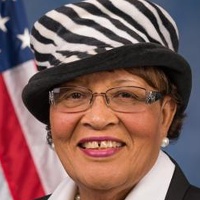
Alma Adams
Representative
NC
Alma Adams
Representative
NC
The Food Secure Strikers Act of 2025 aims to clarify and simplify eligibility rules for striking workers seeking Supplemental Nutrition Assistance Program (SNAP) benefits. This legislation removes outdated restrictions and clarifies the precise conditions under which participation in a labor strike affects a worker's SNAP eligibility. The goal is to streamline the existing law regarding striker access to food assistance.
The Paycheck Fairness Act strengthens equal pay enforcement by tightening defenses against pay discrimination, expanding protections against retaliation, increasing penalties for violations, and requiring comprehensive data collection and training initiatives.

Rosa DeLauro
Representative
CT
Rosa DeLauro
Representative
CT
The Paycheck Fairness Act significantly strengthens federal equal pay protections by broadening definitions of sex discrimination, tightening employer defenses against pay disparities, and increasing penalties for violations. It also prohibits employers from using salary history in hiring decisions and mandates new data collection by the EEOC to better enforce anti-discrimination laws. Furthermore, the bill establishes new training and outreach programs to combat systemic wage bias.
This bill officially ratifies the Equal Rights Amendment, validating its inclusion in the Constitution regardless of any prior ratification deadlines.
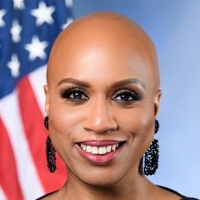
Ayanna Pressley
Representative
MA
Ayanna Pressley
Representative
MA
This bill officially ratifies the Equal Rights Amendment, declaring it a valid part of the U.S. Constitution. It specifically removes any previously imposed deadlines for state ratification. If three-fourths of the states have approved the amendment, this law confirms its official status regardless of past time constraints.
The Puppy Protection Act of 2025 establishes stricter housing, daily care, veterinary, and breeding standards for dog dealers under the Animal Welfare Act.
Brian Fitzpatrick
Representative
PA
Brian Fitzpatrick
Representative
PA
The Puppy Protection Act of 2025 significantly increases humane treatment standards for dog dealers under the Animal Welfare Act. This legislation mandates specific minimum space requirements, daily exercise access, and mandatory socialization for housed dogs. Furthermore, it establishes strict limits on female dog breeding frequency and age, alongside enhanced veterinary care protocols.
The Air America Act of 2025 authorizes one-time monetary awards to former Air America employees or their survivors for service supporting the CIA between 1950 and 1976.
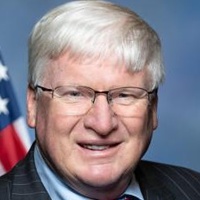
Glenn Grothman
Representative
WI
Glenn Grothman
Representative
WI
The Air America Act of 2025 recognizes the sacrifices of former Air America employees who served the U.S. Government between 1950 and 1976. This Act authorizes a one-time monetary award, up to $40,000 plus potential additional amounts, for qualifying service members or their survivors. The CIA Director is responsible for administering these payments, which are capped at a total of $60 million, and establishing the application procedures. Decisions made by the Director regarding these awards are final and not subject to judicial review.